
Reviewed · SAMBA SHOWS
Salvador: Cultural Treasure – Samba de Roda.
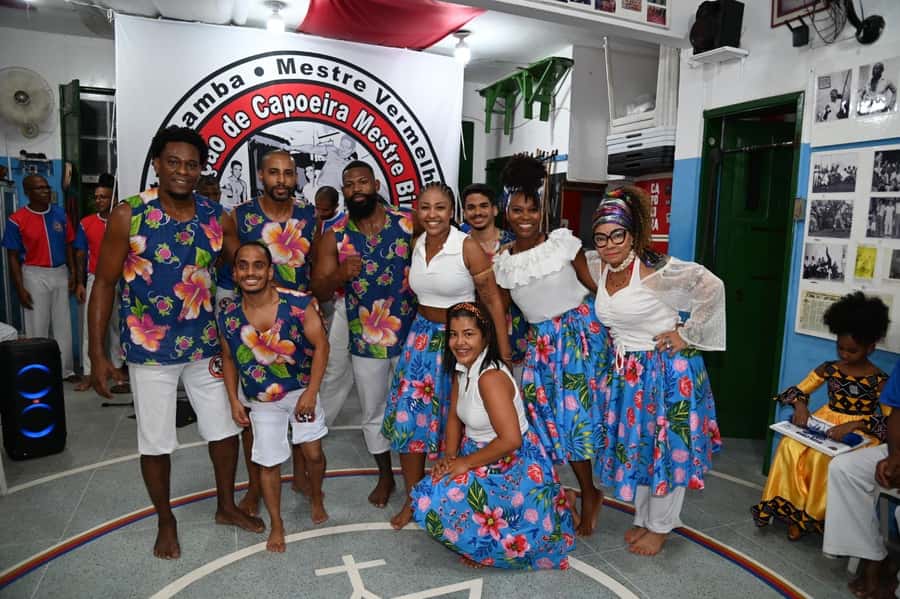
Salvador’s samba class takes place inside the first Capoeira school in Brazil, founded by Mestre Bimba in 1937. That setting gives the lesson more weight than a simple dance workshop. You learn steps, but you also enter a place tied to Afro-Brazilian cultural resistance.
I like the clear English instruction and the way the class combines movement with history. I also love that you need no partner and no dance background. The main consideration is time: one hour is enough for a lively introduction, not a full study of samba or capoeira.
In This Review
- Key points at a glance
- Learning samba where Mestre Bimba taught capoeira
- What happens during the one-hour class
- Samba’s complicated path from Bahia to Brazil
- Why the English-speaking instruction matters
- The historic meeting point in Largo do Terreiro de Jesus
- Is $43 a fair price for one hour?
- How physical is the class?
- Who will enjoy this most?
- What makes the teaching effective
- Booking details that affect your decision
- Samba class or capoeira class?
- Should you book this Salvador experience?
- FAQ
- Do I need dance experience?
- Do I need to bring a partner?
- What languages are available?
- Where does the class meet?
- Is transportation included?
- Can I cancel for a refund?
Key points at a glance
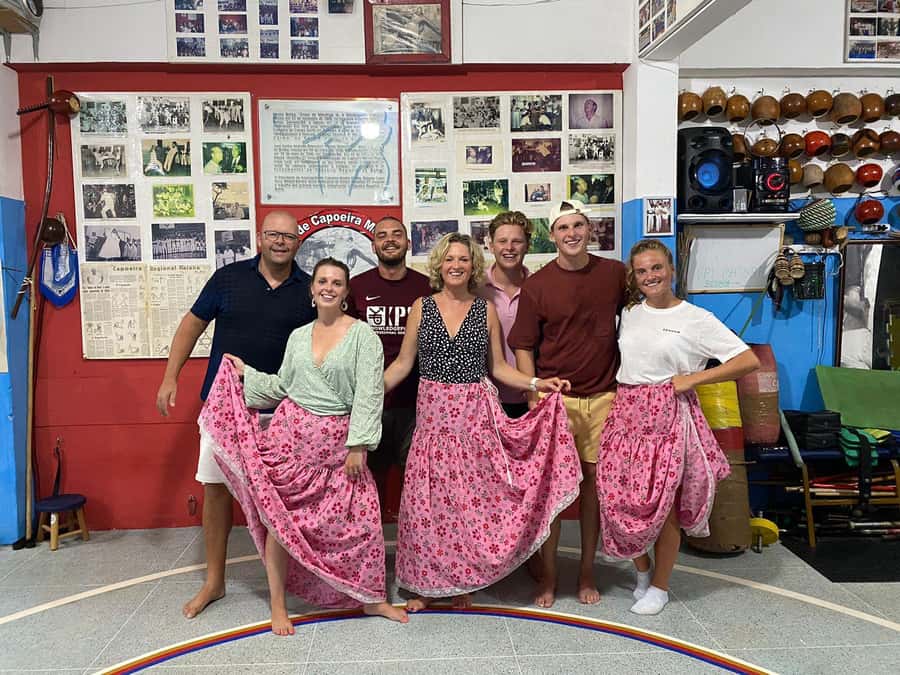
- Historic setting: Learn at Associação de Capoeira Mestre Bimba, founded by the creator of Capoeira Regional.
- Beginner-friendly: No previous dance skill or partner is needed.
- English instruction: The class is offered in English and Portuguese, with instructors such as Yasmin praised for patience and clarity.
- More than footwork: The lesson covers samba’s Afro-Brazilian roots, its former criminalization, and its place in Brazilian culture today.
- Central meeting point: Find the school near Ó Pai Ó Restaurante and São Domingos Gusmão Church in Largo do Terreiro de Jesus.
- Good value for a short activity: At $43 for one hour, you are paying for both a practical lesson and access to an important cultural site.
Learning samba where Mestre Bimba taught capoeira
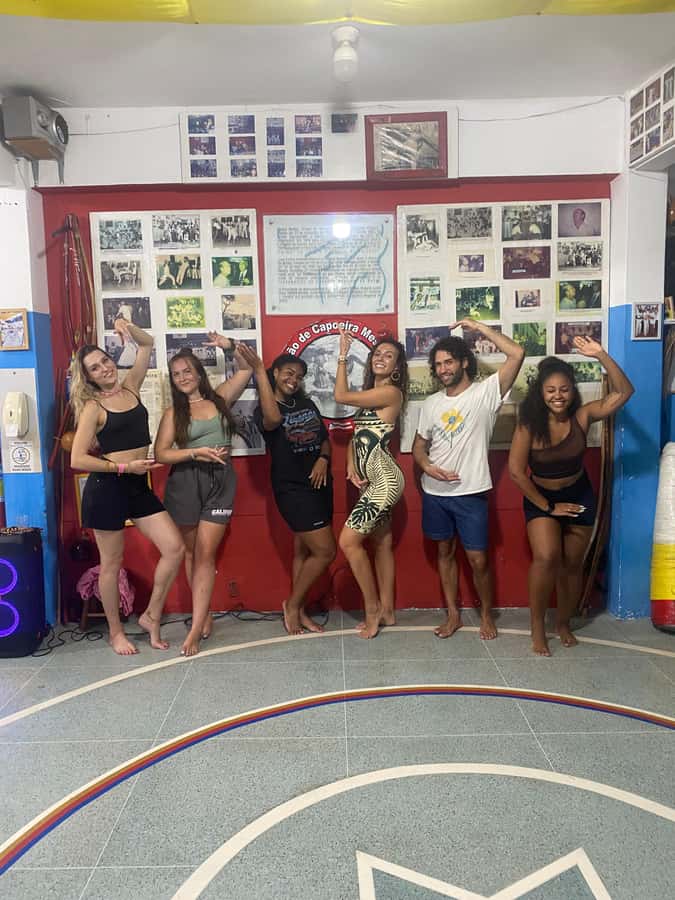
The most unusual part of this experience is the venue. Associação de Capoeira Mestre Bimba is connected to Mestre Bimba, the founder of Capoeira Regional, and has operated since 1937. The school is remembered as a place where Salvador’s cultural traditions held their ground during a time when African practices faced suspicion and legal punishment.
That context changes the feel of the class. You are not simply being shown a sequence of popular dance moves in a rented studio. The lesson takes place in a school linked to the preservation of Afro-Brazilian music, dance, and movement.
You should still set the right expectation. This is a short introductory class, not a museum visit or a long lecture. The historical explanation supports the dancing, rather than replacing it. You will spend most of the hour moving, repeating steps, and getting comfortable with the rhythm.
More samba shows in Salvador:
- Salvador: Cultural Night of Capoeira, Samba, and Drumming
★ 4.9 · 17 reviews - Rio de Janeiro: Beginner Samba Lesson in Ipanema
★ 4.9 · 1,071 reviews - Rio: Pub Crawl in Lapa with Cachaça Tasting and Live Samba
★ 4.7 · 881 reviews
What happens during the one-hour class
The session begins with an introduction to samba and the setting. Your instructor explains the connection between samba, Salvador, and capoeira before guiding you into the basic movements.
You will not be expected to arrive knowing how to count music or move with a partner. The class is designed for beginners, and the instructor breaks the steps into manageable pieces. Yasmin, who has led many of the sessions, is described as calm, patient, encouraging, and clear in English. Those qualities matter when you are trying to coordinate your feet, hips, posture, and timing at once.
As the lesson continues, the basic steps begin to connect with the music. You may find yourself grinning and sweating before the hour is over. One useful sign of a good beginner class is that you leave with enough simple movements to join the rhythm, even if you are not ready for a samba parade.
The experience does not require a dance partner. That is helpful for solo visitors, friends, and family members who have different levels of confidence. A parent and teenage child can take the class together, and couples can participate without being separated into formal partner work.
Samba’s complicated path from Bahia to Brazil
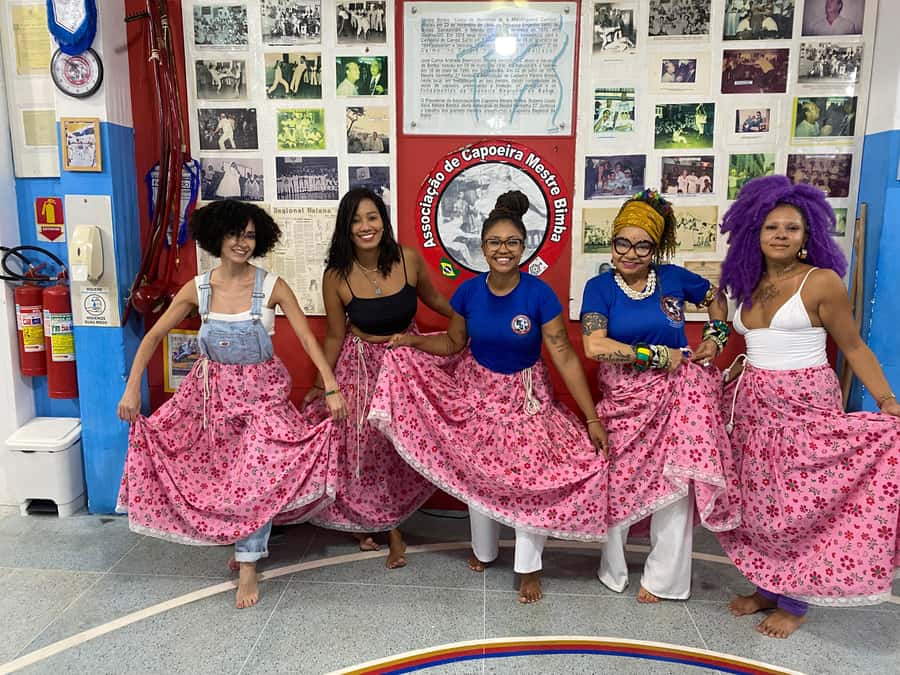
The history here is not decorative background. Samba grew from Afro-Brazilian communities in Bahia in the late 19th century. Along with capoeira and Candomblé, African cultural practices were treated with suspicion and, at times, criminalized.
The class presents samba as part of a long cultural struggle. What was once persecuted later became a national symbol. UNESCO now recognizes samba as an Intangible Cultural Heritage of Humanity.
That story gives you a better way to understand the movement. Samba is not only a party dance or a tourist photo opportunity. It carries links to community, memory, music, and resistance. Hearing that before you dance can help you approach the class with respect rather than treating it as a novelty.
The discussion also connects samba with capoeira. Both are major parts of Salvador’s cultural identity, though they have different forms and purposes. If you are interested in Brazilian culture but do not want a long walking tour or a formal lecture, this class offers a practical way to learn through movement.
Why the English-speaking instruction matters
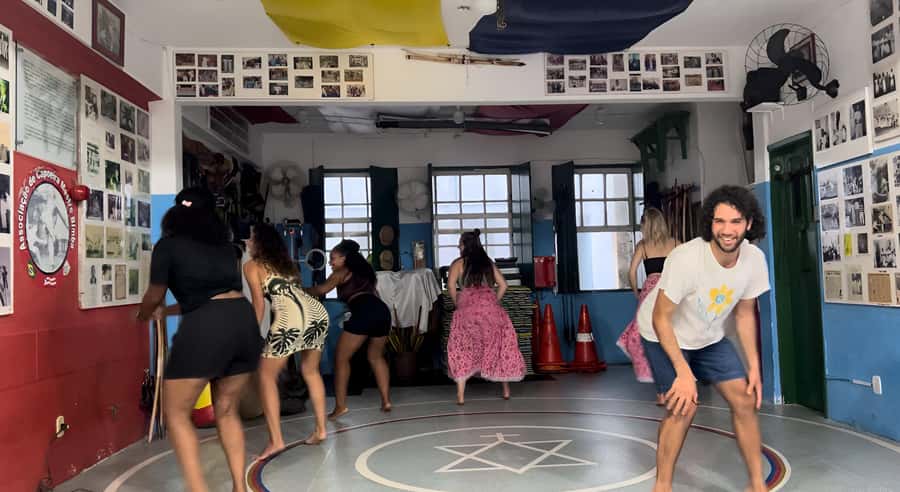
The instructor speaks fluent English, with Portuguese also available. That is a real advantage because the cultural explanation is central to the activity. You are not left to copy movements while missing the meaning behind them.
Yasmin is specifically noted for giving clear arrival information, offering calm guidance, and helping beginners feel at ease. Other class descriptions also praise her positive energy and patient teaching. You should confirm the instructor assigned to your time, but Yasmin is the name most closely associated with the sessions described here.
The teaching style appears to suit people who are nervous about dancing. You do not need to perform for an audience or arrive with polished technique. The emphasis is on learning the basic steps, following the music, and enjoying the process.
That said, English ability and teaching style can vary by instructor. The experience lists English and Portuguese, so you can expect language support, but it is sensible to check the available language when choosing a starting time.
Same city, a completely different kind of day:
- From Salvador: Schooner Tour to Frades Islands and Itaparica
★ 3.9 · 98 reviews - Afro-Brazilian Roots Private City Tour in Salvador
★ 4.7 · 88 reviews - Salvador Historic Walking Tour – Pelourinho
★ 4.8 · 62 reviews - Salvador de Bahia African Culture Tour
★ 4.5 · 60 reviews
The historic meeting point in Largo do Terreiro de Jesus
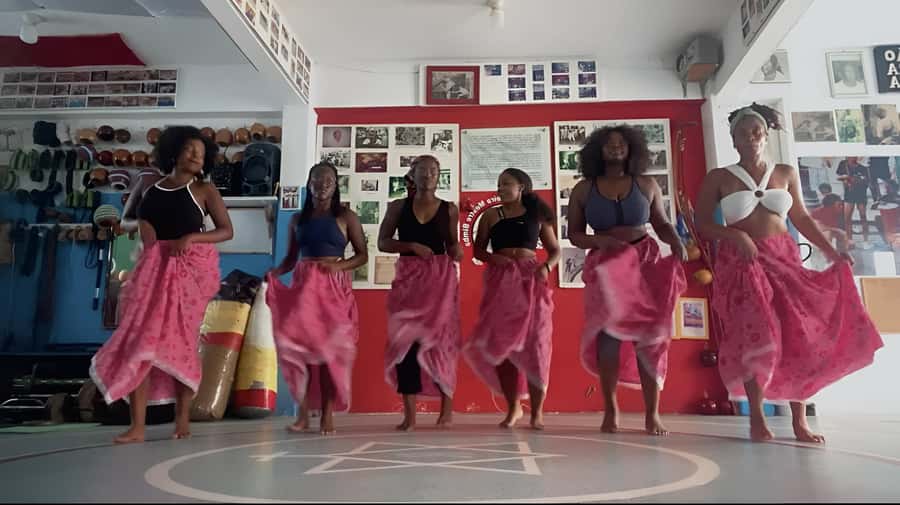
There is no pickup service. You make your own way to Associação de Capoeira Mestre Bimba, located near familiar landmarks in Largo do Terreiro de Jesus.
Use Ó Pai Ó Restaurante or São Domingos Gusmão Church as nearby reference points when finding the school. These landmarks are more useful than relying on a vague neighborhood name, especially if you are arriving for an early or later class.
The central location makes this easy to combine with time in Salvador’s historic center. You can plan the samba lesson alongside other cultural stops, but leave enough time to locate the school without rushing.
One practical point matters here: follow the arrival instructions carefully. A past participant found the WhatsApp communication especially useful, including directions and local advice. If you are attending at night, pay attention to guidance about getting to and from the venue safely. The class itself lasts only one hour, so confusion before the start can take up a large share of your available time.
Is $43 a fair price for one hour?
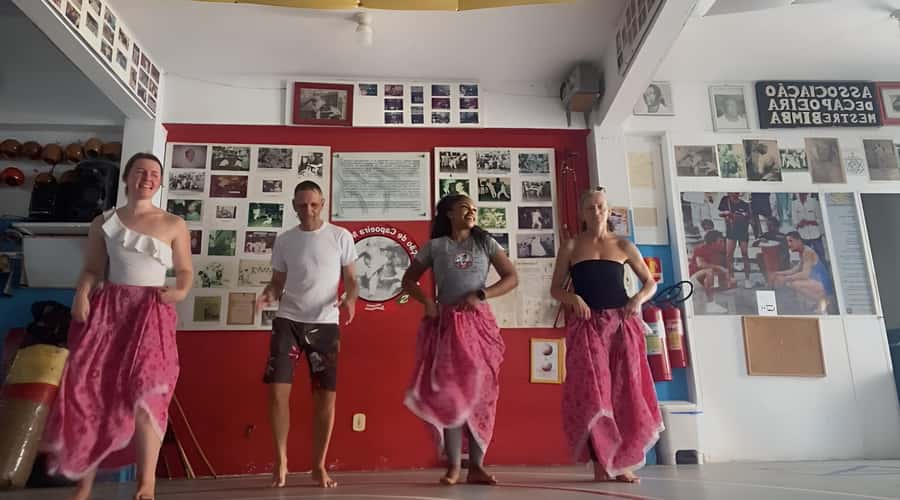
At $43 per person, this is not the cheapest dance lesson you might find. The price makes more sense when you consider what is included: an instructor, an English-language cultural explanation, a guided samba lesson, and entry to a historic capoeira school connected to Mestre Bimba.
You are paying for a focused cultural activity rather than a long tour. If you want several hours of instruction, a performance, or a meal, this will feel short. If you want a manageable introduction that fits into a packed day in Salvador, the one-hour format is useful.
The strongest value comes from the setting and the explanation. A basic dance class in an ordinary studio might teach similar beginner steps, but it would not carry the same connection to Salvador’s Afro-Brazilian history.
The class also works well as a first-day activity. It gives you an early understanding of samba, capoeira, and Salvador’s cultural identity, while the instructor can offer practical local guidance. You should not expect the lesson to make you an accomplished dancer in one hour. You should expect to leave with a few usable steps and a better sense of why the music matters.
How physical is the class?
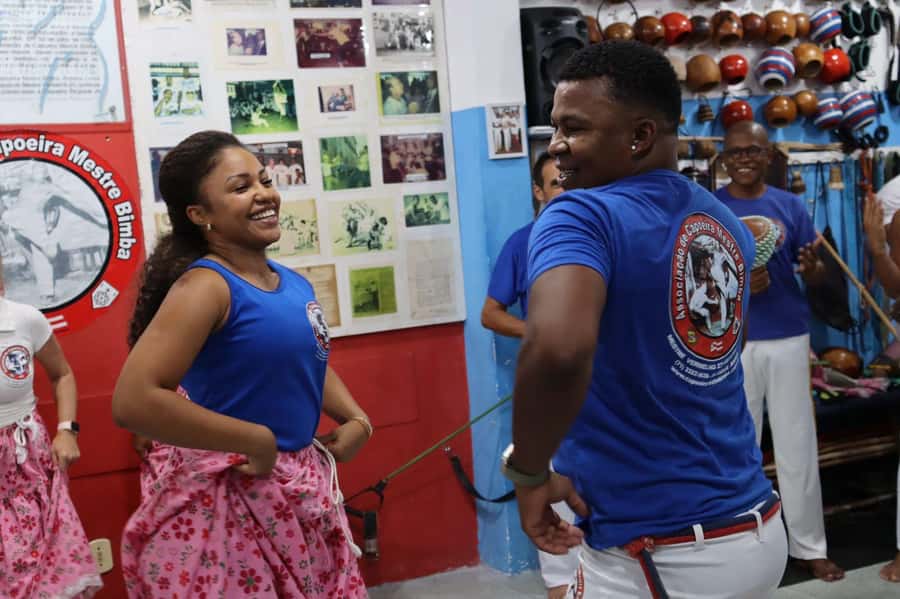
This is an active lesson. You will be standing, moving, repeating steps, and following the rhythm. One participant described feeling both cheerful and sweaty halfway through the class, while another noted that combining samba with a capoeira lesson can make for a more demanding workout.
For most people, the samba session is best understood as light to moderate physical activity, though the effort depends on how fully you join in. You can focus on learning at your own speed rather than trying to match an expert.
No dance experience is necessary. The instructor teaches basic movements and helps beginners understand how to put them together. Still, anyone who dislikes physical activity or feels uncomfortable learning in a group should know that this is a participation-based class, not a performance you simply watch.
Wear something in which you can move comfortably. The supplied information does not set a dress code, so there is no need to prepare a special costume. The important thing is being ready to stand and dance for the length of the session.
Who will enjoy this most?
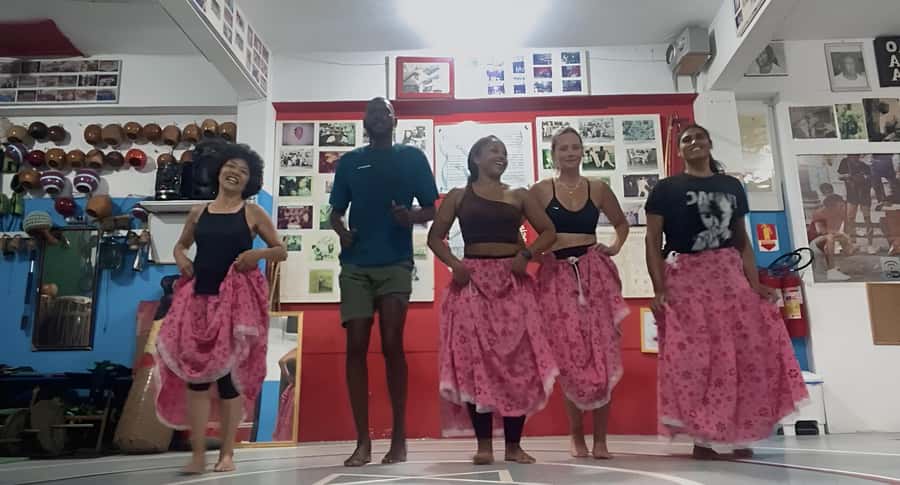
I would recommend this to first-time visitors who want an active introduction to Salvador. It suits solo visitors particularly well because you do not need a partner. Friends, couples, and families can also take part together without needing matching dance skills.
It is a strong choice if you care about cultural context. The school’s connection with Mestre Bimba, the story of samba’s treatment in Brazil, and the relationship between samba and capoeira give the hour substance.
Teenagers can enjoy it too. A 15-year-old took part with a parent and found the class memorable, which suggests that the experience can work across generations without feeling like a formal history lesson.
I would be more cautious about recommending it to a serious dancer seeking advanced training. The stated aim is to teach basic samba steps, and the session is only one hour. It is an introduction for curious beginners, not a technical course.
What makes the teaching effective
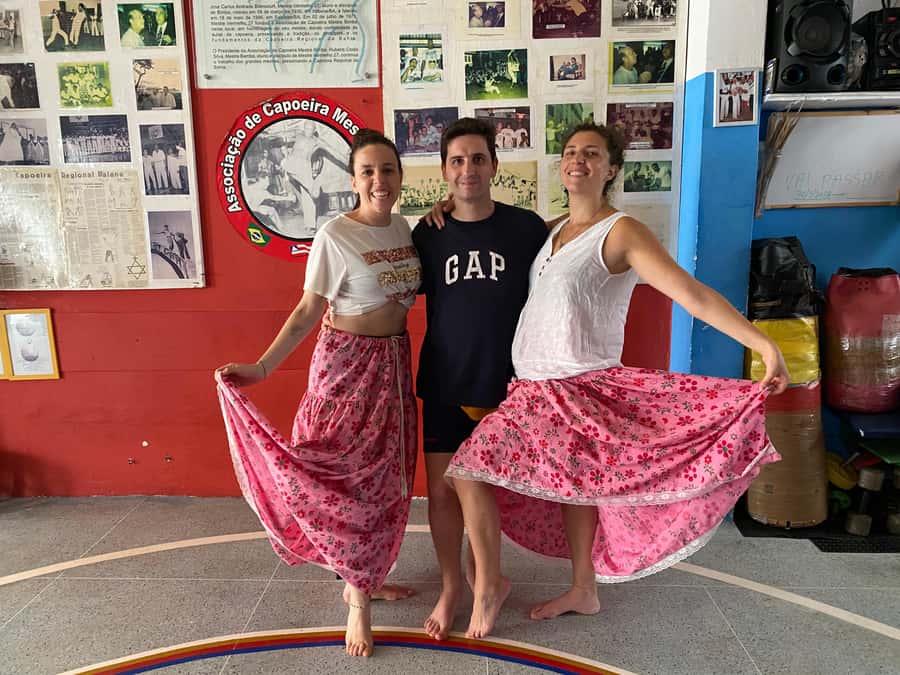
A short dance class can easily become either confusing or shallow. The best parts of this experience appear to come from the balance between explanation and practice.
The instructor does not only count steps. You learn why samba matters, how it relates to Bahia, and how the school fits into Salvador’s cultural story. Then you put that information into motion.
The personal teaching style is another strength. Yasmin is described as kind, patient, calm, and encouraging. Those are not minor details. Beginners often stop enjoying a class when they feel watched or corrected too sharply. A supportive teacher lets you make mistakes, find the beat, and keep going.
You may also be able to ask questions about capoeira and other cultural activities at the school. One class included a drum lesson and another visitor attended a cultural night, but those are not guaranteed parts of this one-hour samba booking. Treat them as possible related activities, not included features.
Booking details that affect your decision
The activity lasts one hour, and starting times depend on availability. Because no pickup is offered, plan your route to the school in advance.
You can reserve now and pay later, which helps if your Salvador schedule is still shifting. Cancellation is free up to 24 hours before the activity for a full refund. These terms are useful for a short class because weather, sightseeing plans, or changes to your day can otherwise make a prepaid booking feel restrictive.
The experience has a 4.9 rating from 51 reviews, with repeated praise for the teaching, historical explanation, clear English, and central location. The most consistent positive point is not simply that the class is fun. It is that the instructor makes the culture understandable while helping complete beginners learn real movements.
Samba class or capoeira class?
The school is associated with both samba and capoeira, but this booking is specifically for a samba lesson. You should choose it if music, dance, and Brazilian cultural history appeal to you more than martial movement.
If you want a fuller physical challenge, combining a capoeira class with samba may be possible through separate arrangements. One participant described the combination as a great workout. Do not assume that a capoeira lesson is included in this booking, however.
Samba is the better entry point if you are uncertain about dance. It requires no partner and is presented as a friendly beginner activity. Capoeira may appeal more if you want acrobatics, martial arts, and a stronger physical test.
Should you book this Salvador experience?
Book it if you want a short, personal way to connect with Salvador’s culture. The combination of Mestre Bimba’s historic school, English instruction, and beginner-level dance makes the $43 price reasonable for many visitors.
I would especially choose it early in a Salvador stay. The class can give you useful cultural context for music, festivals, capoeira, and the city’s Afro-Brazilian identity. It is also a good option for solo visitors and anyone who feels shy about arriving without a dance partner.
Skip it if you want a full-length dance course or a passive show. This is hands-on, and one hour passes quickly. For most curious beginners, though, the format gets the balance right: enough history to add meaning, enough movement to make you smile, and a venue that gives the lesson a genuine connection to Salvador.
FAQ
Do I need dance experience?
No. The class is designed for beginners, and no previous dance experience is necessary.
Do I need to bring a partner?
No. A partner is not required. Solo visitors can take part.
What languages are available?
The activity is offered in English and Portuguese. The instructor speaks fluent English to explain the dance and the cultural background.
Where does the class meet?
The meeting point is Associação de Capoeira Mestre Bimba. It is near Ó Pai Ó Restaurante and São Domingos Gusmão Church in Largo do Terreiro de Jesus.
Is transportation included?
No. There is no pickup service, so you must make your own way to the meeting point.
Can I cancel for a refund?
Yes. You can cancel up to 24 hours in advance for a full refund. You can also reserve now and pay later.
Just added around Salvador
- Salvador: Schooner Cruise with Pickup and Itaparica Stop★ 3.8 · 5 reviews
- Salvador: Walking Tour Through Pelourinho★ 5.0 · 49 reviews
- Salvador: Traditional Drumming and Percussion Workshop★ 4.4 · 10 reviews
- Salvador: CAPOEIRA CLASS – CULTURAL★ 4.6 · 13 reviews
- Salvador: Cultural Night of Capoeira, Samba, and Drumming★ 4.9 · 17 reviews
- Salvador: 4-Hour Candomblé Mysteries Tour★ 4.3 · 34 reviews
- Salvador: Capoeira Class at Mestre Bimba’s 1st Ever School.★ 4.9 · 34 reviews
- Salvador: Caipirinha Masterclass with Unlimited Drinks★ 4.2 · 4 reviews
Samba Shows, compared.
Pub Crawl in Lapa with Cachaça Tasting and Live Samba
Read our review →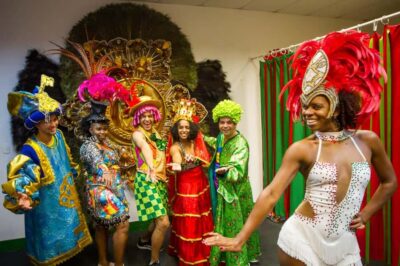
Carnival Backstage Tour at Samba City with Cocktail
Read our review →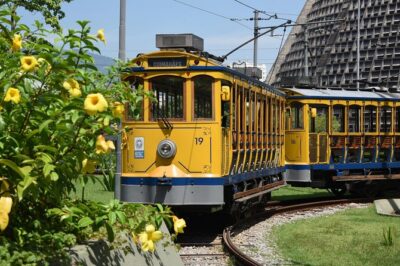
Santa Teresa, Lapa, and Cinelândia with Tram Ride and Selarón Steps
Read our review →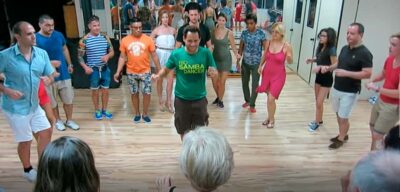
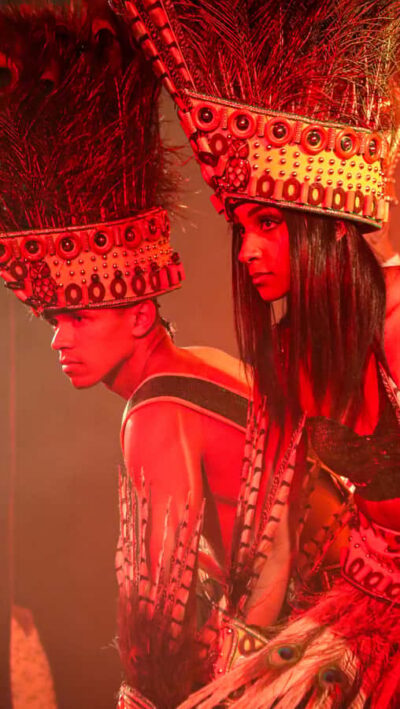
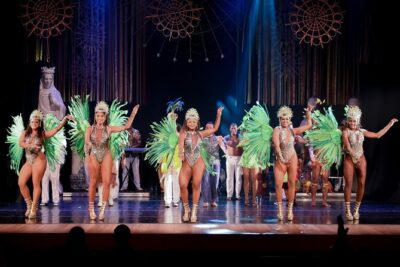
Ginga Tropical – Brazilian Samba and Folklore Show
Read our review →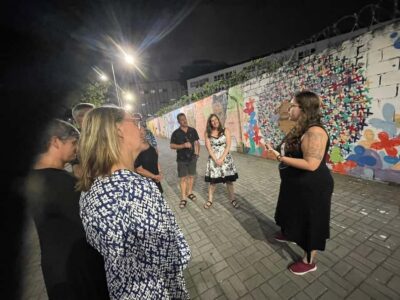
Pedra do Sal: Live Samba Night with Local Guide & Drink
Read our review →Browse the lists this tour appears in