
Reviewed · CITY TOURS
Afro-Brazilian Roots Private City Tour in Salvador
Salvador’s Afro-Brazilian identity is not confined to a museum or a postcard view. This six-hour private tour takes you to a Yemayá altar, African monuments, São Joaquim Fair, a Candomblé temple, and a seaside community, giving you a much fuller picture of Bahian life. I especially like the private car and the chance to ask detailed questions as you go.
I also like the food stops. You taste acarajé at a meaningful point in the day, browse a market filled with local ingredients, then finish with lunch beside the sea. The main consideration is that this is an intellectual, culture-focused tour, not a light sightseeing loop, and photography is not allowed in the favela communities.
In This Review
- Key points to know before booking
- Why this Salvador tour feels different
- Rio Vermelho and the Yemayá altar
- Dique do Tororó and the African monuments
- São Joaquim Fair, where food tells the story
- Acarajé, a snack with cultural weight
- A Candomblé temple in the Ewe Fon tradition
- The seaside community and a two-hour lunch stop
- The guides and the private-car advantage
- Is $150 per person good value?
- Comfort, timing, and who should book
- Should you book the Afro-Brazilian Roots tour?
- FAQ
- How long does the Afro-Brazilian Roots private tour last?
- What is included in the $150 price?
- Where does the tour visit?
- Is hotel pickup included?
- What languages are available?
- Can I take photographs during the tour?
- Is the tour suitable for wheelchair users?
Key points to know before booking
- A private six-hour route: Hotel pickup, a private car, guide, lunch, and return to Salvador are included.
- A serious look at Candomblé: You visit a sacred temple connected with the Ewe Fon tradition and learn how African beliefs survived and adapted in Brazil.
- Food is part of the lesson: Acarajé tasting, São Joaquim Fair, and a Bahian lunch connect history with everyday life.
- Local neighborhoods replace the standard sightseeing circuit: Rio Vermelho, Dique do Tororó, market districts, and a seaside community form the core of the day.
- Guides bring different strengths: Wilson, Mônia, Vagner, Ronaldo, Fernando, Leandro, and others have led this experience, with strong praise for historical storytelling and clear English.
- Plan for comfort and respect: Wear comfortable shoes, wait in your hotel lobby 10 minutes before pickup, and do not expect wheelchair access.
Why this Salvador tour feels different
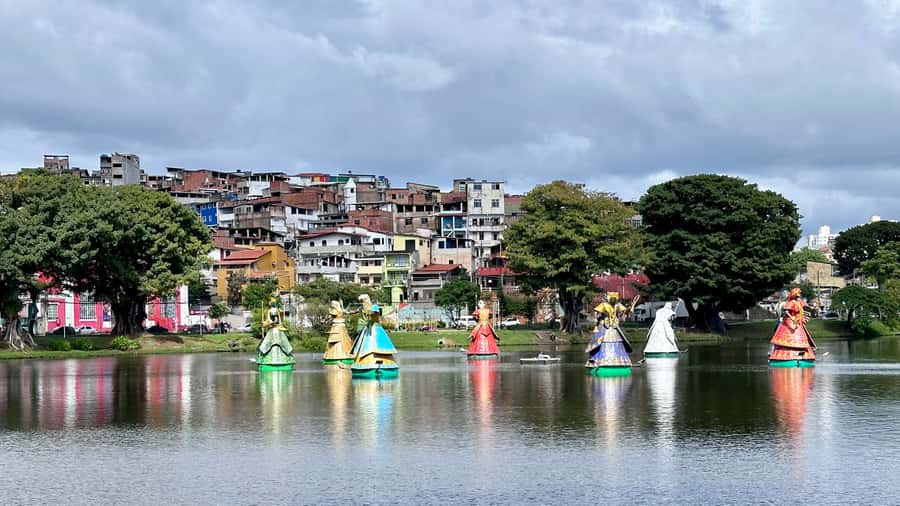
Many first visits to Salvador focus on the historic center, colorful façades, churches, and ocean views. Those places matter, but this tour asks a different question: how did African beliefs, foods, music, and social traditions survive centuries of forced migration, colonial rule, and pressure to change?
That question gives the day a clear purpose. You are not simply collecting photo stops. Your guide links ordinary streets, religious practice, food stalls, monuments, and neighborhoods to the lives of Salvador’s Black population.
I like this approach because it gives context to things you may otherwise see only as decoration. A market full of peppers, herbs, fruit, and religious items becomes part of a larger story. A dish of acarajé becomes more than a snack. A Candomblé temple is treated as a living sacred place, not as a curiosity.
The private format matters here. You can ask about Yoruba connections, Indigenous influences, colonial rule, African deities, modern social life, or anything else that comes up. Guides such as Wilson and Vagner are especially well suited to travelers who want detailed explanations, while Mônia and Ronaldo have been praised for warmth, clarity, and an easy connection with visitors.
The day is not designed around speed. You spend about 30 minutes at several early stops, 40 minutes at another cultural site, and up to two hours at the final seaside community for lunch and free time. That relaxed pace leaves room for conversation, but it also means you will not see every major Salvador attraction in six hours.
A few more Salvador trips to weigh up
- Private São Paulo City Tour
★ 4.8 · 264 reviews - Rio de Janeiro: Private Guided City Tour
★ 4.6 · 207 reviews - Private Helicopter tour – Rio de janeiro in 30min
★ 4.8 · 173 reviews
Rio Vermelho and the Yemayá altar
The tour begins with pickup in Salvador and heads to Rio Vermelho, a waterfront neighborhood known here for its connection with Yemayá, the African deity associated with the sea. You visit an altar maintained by local fishermen, a small but meaningful stop that shows how religious practice remains tied to work and community life.
This is a good opening because it places Afro-Brazilian belief in an everyday setting. You are not starting with a lecture in a formal building. You are looking at a sacred point cared for by people whose lives are connected to the ocean.
Expect roughly 30 minutes for the visit, explanation, and photographs. The stop is short, so listen closely and use the time to ask your guide how African religious traditions developed in Bahia.
There is an important distinction here. Candomblé is not presented as a staged cultural show. The tour treats its beliefs with respect, and later visits to a temple require the same attitude from you. Dress and behavior should be considerate, and you should follow your guide’s instructions about photography.
Dique do Tororó and the African monuments
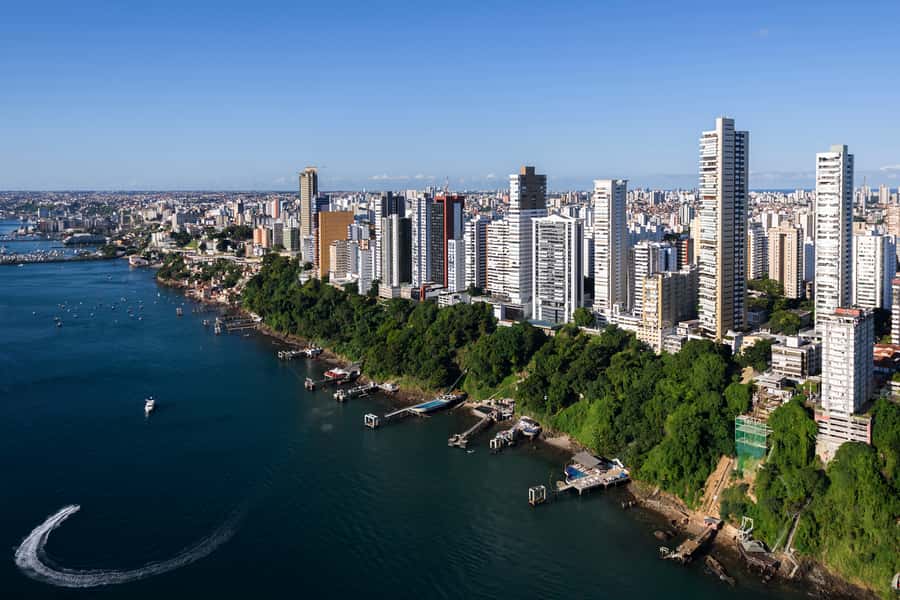
Next comes Dique do Tororó, a lagoon and public setting marked by imposing African-inspired monuments. The stop lasts about 30 minutes and gives you time for photographs and an explanation of the figures and their place in Salvador’s public culture.
This is one of the more visual parts of the day. The statues are large, striking, and easy to appreciate even if you are less familiar with the religious traditions behind them. Your guide can help connect the symbols with African deities and the way those traditions appear in Bahian art.
I would not treat this as a long walk around the water. It is a focused photo and interpretation stop. That makes it useful early in the tour, when you are still building a framework for the rest of the day.
The site also helps show how Afro-Brazilian identity appears in public spaces. You see it not only in private worship or family customs, but also in monuments that shape how Salvador presents itself.
São Joaquim Fair, where food tells the story
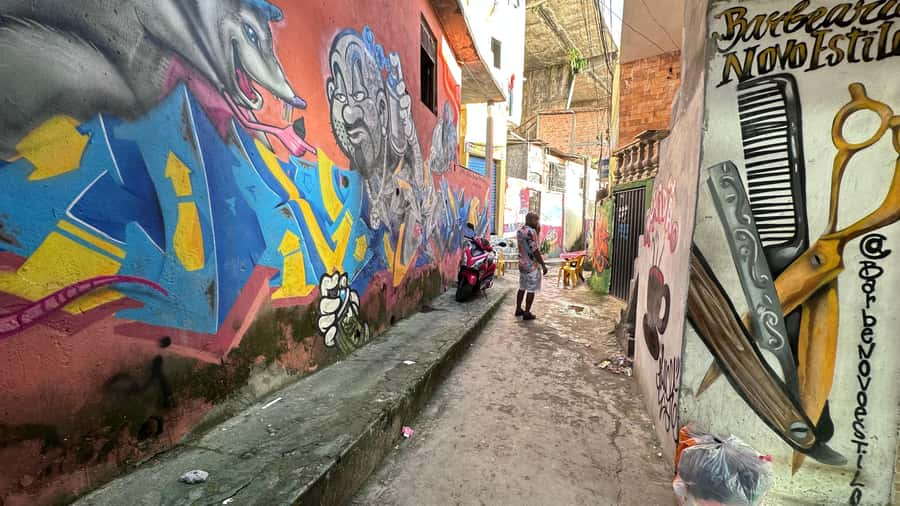
The São Joaquim Fair is one of the tour’s strongest stops. It is described as part of Salvador’s intangible heritage, and you have about 30 minutes to look through stalls filled with fruit, vegetables, spices, and ingredients used in Bahian cooking.
I like markets because they give you useful information quickly. Instead of hearing a long list of dishes in the abstract, you see the raw materials, smells, colors, and trade that support local meals. You may find unfamiliar produce, religious goods, and ingredients with African connections.
Your guide can also explain how food traditions crossed the Atlantic and adapted to what was available in Brazil. That is the value of this stop: it connects broad cultural themes with things you can recognize and taste.
The fair can be lively and crowded, so stay close to your group and keep personal belongings secure. The information provided does not specify a private tasting at every stall, so think of this as a guided market visit rather than a full food tour.
Same city, a completely different kind of day:
- From Salvador: Schooner Tour to Frades Islands and Itaparica
★ 3.9 · 98 reviews - Salvador Historic Walking Tour – Pelourinho
★ 4.8 · 62 reviews - Salvador de Bahia African Culture Tour
★ 4.5 · 60 reviews - Salvador: Praia Do Forte and Guarajuba Beach Day Trip
★ 4.1 · 56 reviews
Acarajé, a snack with cultural weight
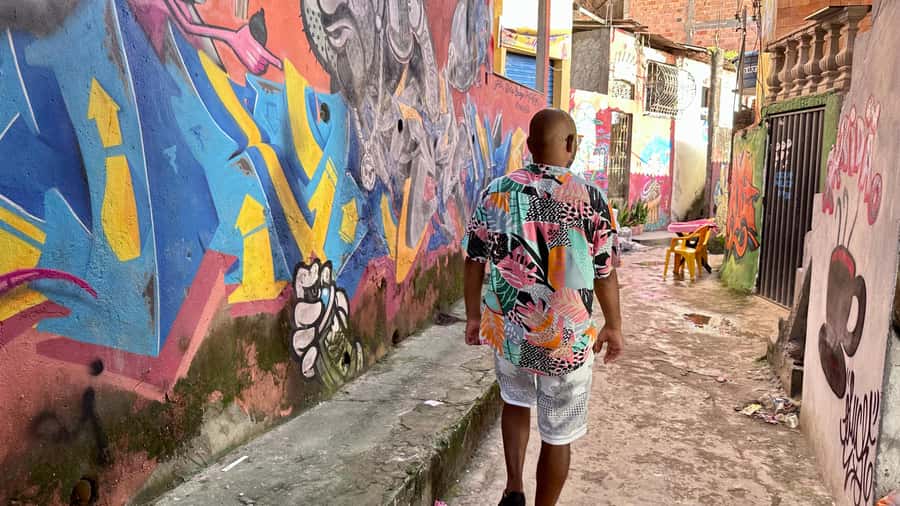
The acarajé tasting comes before the religious visit and gives the tour a welcome change of pace. This fried bean-based food is one of Bahia’s best-known specialties, and its connection with Afro-Brazilian foodways makes it especially fitting here.
You should expect a genuine local tasting rather than a restaurant meal. If you have dietary concerns, ask your provider before booking, since the supplied details do not list ingredients, substitutions, or allergy arrangements.
Acarajé also helps explain why food matters so much in Salvador. Recipes carry memory, religion, work, and family practice. Your guide can make the connection between what you are eating and the wider story of African influence in Bahia.
Bring water or plan to buy drinks during the day. Lunch is included, but drinks in general are not, so the $150 price does not cover every food and beverage expense.
A Candomblé temple in the Ewe Fon tradition
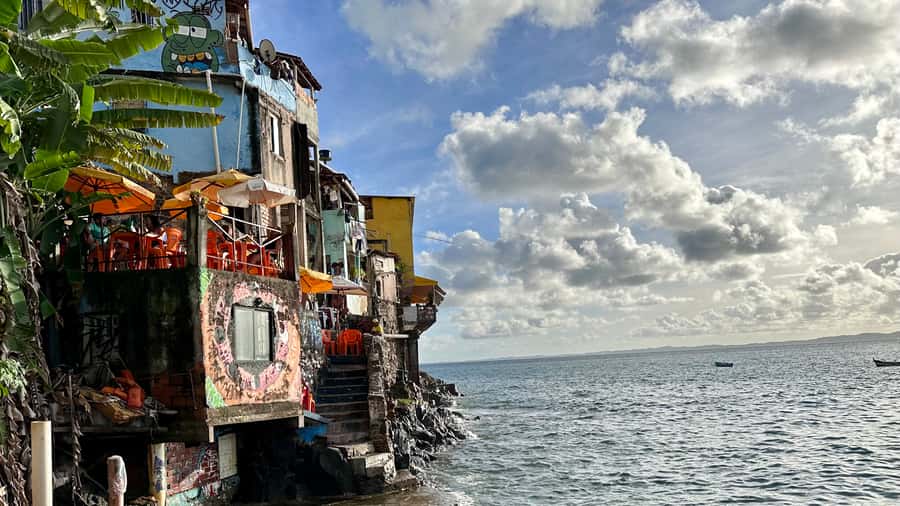
The visit to a Candomblé temple is the tour’s most significant cultural stop. You learn about the Ewe Fon tradition, its beliefs, and the practices that helped sustain African spiritual identity in Brazil.
This is where the tour moves beyond sightseeing. You are being introduced to a living faith, and the experience works best if you arrive with curiosity rather than a checklist of exotic images.
Some guides have been able to arrange a conversation with a member of the temple or the owner’s family. That kind of welcome cannot be treated as guaranteed, but it shows why the private format is useful. You have room for a real exchange when one is possible.
Guides including Wilson, Vagner, and Mônia have been praised for explaining Candomblé in detail, including its relationship to Yoruba culture and the development of belief in Brazil. Chris, a traveler with Yoruba family connections, found the religious explanations especially strong, which suggests that people with a personal connection to African traditions may find this part particularly rewarding.
At the same time, this section may feel demanding if you want only easy entertainment. One visitor described the experience as more intellectual than playful. I think that is fair. The reward comes from listening, asking thoughtful questions, and accepting that some sacred matters are not for photographs or casual display.
The seaside community and a two-hour lunch stop
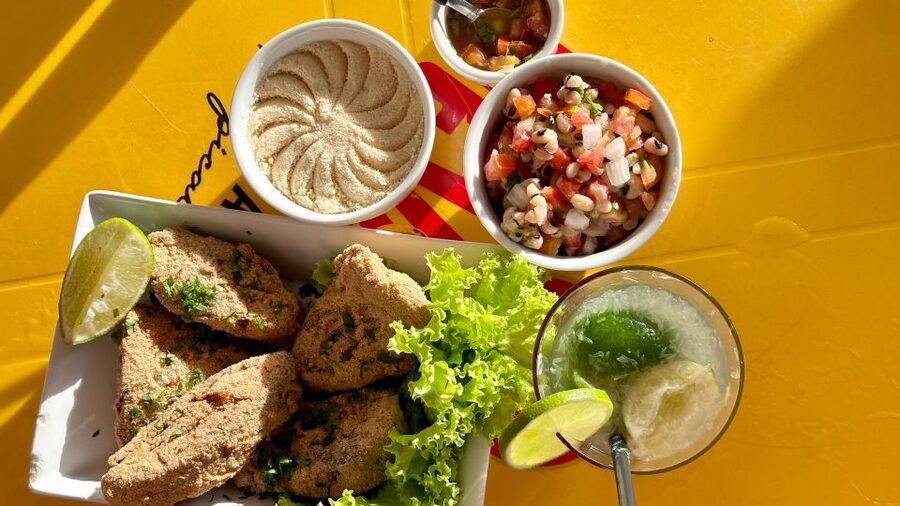
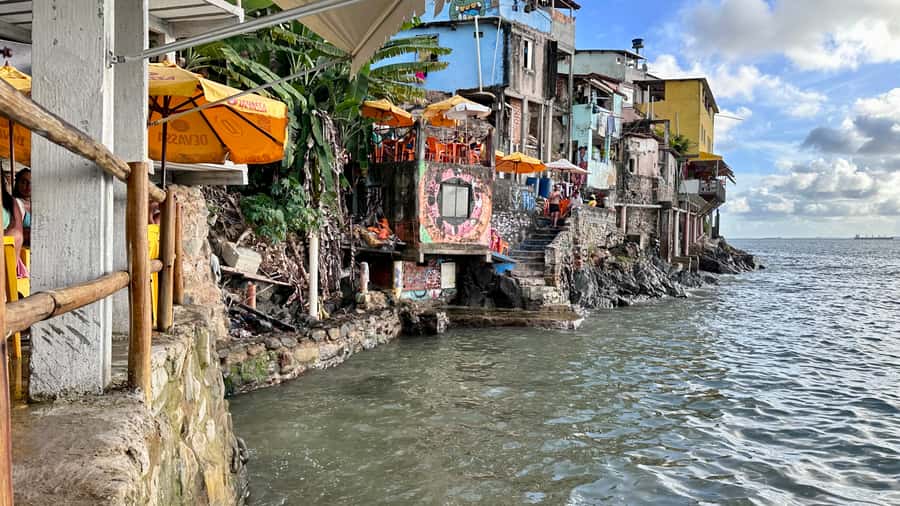
The day ends in a seaside favela community, where you have lunch, free time, and views across the water. This final stop lasts about two hours, making it the longest part of the day.
The phrase favela can carry many assumptions, so your guide’s explanation matters. The tour presents the community as a place where real people live, work, and shape their own neighborhood, not as a backdrop for sightseeing.
Photography is not authorized in the favela communities. This is a firm practical point, and you should respect it. You may take in the view and listen to the stories, but do not treat residents or homes as photo subjects.
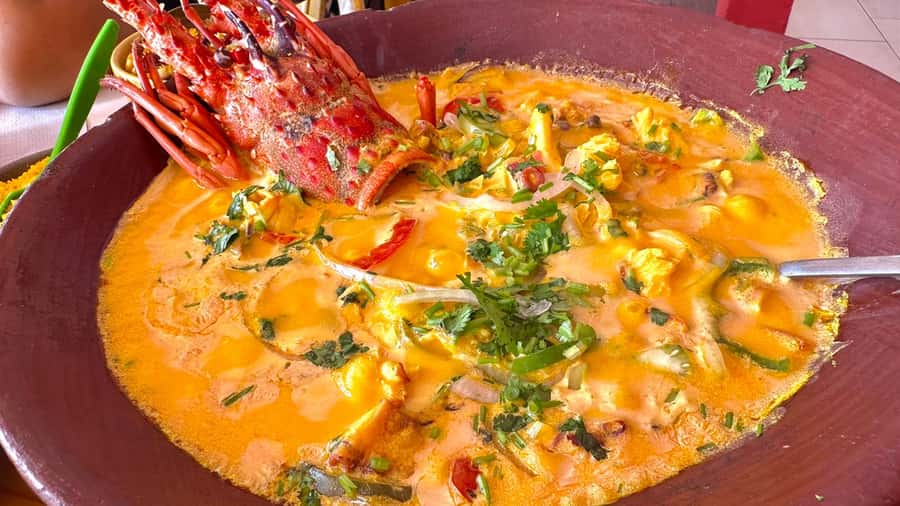
The lunch setting is one of the most consistently praised parts of the experience. The supplied details name Zanzibar restaurant as one place used for the meal, with a small seaside setting and wide views. Lunch is included, but drinks are not.
Two hours gives you time to eat without rushing and talk with your guide about what you have seen. It also provides a calmer finish after the market and city stops. If you prefer packed sightseeing from morning to late afternoon, this may feel slow. I see the pause as useful, especially in Salvador’s heat.
The guides and the private-car advantage
The company uses several guides, so your exact guide is not fixed in the information provided. Names connected with the experience include Wilson, Mônia, Vagner, Ronaldo, Fernando, Leandro, and others.
The strongest pattern is clear: the guides are valued for historical knowledge, clear language, enthusiasm, and personal attention. English, Portuguese, Spanish, and French are available, which is helpful for international visitors.
Wilson is described as a PhD historian who can answer questions well beyond Salvador. Vagner has been praised for sophisticated English and for explaining African culture within Brazil. Mônia is known for her passion, care, and ability to tie each location to Bahian traditions.
Ronaldo has been praised for warmth and charisma, while Fernando has been noted for adapting the route to help keep visitors cool. Leandro has been described as generous with both historical and social information. These details suggest that the individual guide can shape the day, so it is worth stating your interests when you book.
The private car is another real benefit. Salvador traffic and heat can make a long day tiring, and the car lets you move between areas without losing energy on public transport. Drivers such as Adriano, Victor, Fabio, and others have been praised for careful driving and smooth navigation.
Is $150 per person good value?
At $150 per person, this is not a bargain-basement city tour. The price makes more sense if you are traveling with family or friends and can share the private experience, especially because it includes a guide, private car, lunch, acarajé tasting, and a donation.
The cultural access is the main value. You are not paying only for transport and a meal. You are paying for a route that would be difficult to plan alone, plus interpretation at religious and community sites where context and courtesy matter.
The price is less attractive if you want a standard tour of Salvador’s famous monuments. This itinerary does not focus on every headline sight, and it does not replace a separate visit to the historic center.
I would choose this tour early in a Salvador stay if Afro-Brazilian history is central to your trip. It can give you a better frame for later visits to markets, churches, music venues, and historic neighborhoods.
Comfort, timing, and who should book
Wear comfortable shoes. You will make several stops, walk through a market, and spend time in neighborhoods rather than staying inside an air-conditioned attraction.
The tour lasts six hours, with pickup and return in Salvador. Starting times depend on availability, and you should wait in your hotel lobby 10 minutes before pickup.
This experience suits solo visitors, couples, families with older children, and small groups who want a serious cultural introduction. It is also a strong choice for anyone with African or Afro-Brazilian family connections, since the guides can discuss Yoruba culture, faith, food, and identity in detail.
It may not suit visitors who want only beaches, shopping, or playful entertainment. It is also not suitable for wheelchair users, according to the booking information.
Free cancellation is available up to 24 hours before the tour for a full refund, and you can reserve now and pay later. That gives you useful flexibility, though you should still confirm the pickup details and guide language before finalizing your plans.
Should you book the Afro-Brazilian Roots tour?
Book it if you want Salvador explained through African heritage, local faith, food, and present-day communities. The Candomblé visit, São Joaquim Fair, acarajé tasting, and seaside lunch create a well-shaped day rather than a string of unrelated stops.
I would especially recommend it to travelers who enjoy history and thoughtful conversation. The guides have earned a strong 4.7 rating from 88 bookings, and the repeated praise centers on the same things: expert storytelling, careful drivers, excellent food, and access to places you would probably miss alone.
Skip it if you want a classic first-time city tour built around Salvador’s most famous tourist sights, or if you are uncomfortable visiting a community where photography is restricted. For everyone else, this is a useful, respectful way to understand why Afro-Brazilian culture is at the heart of Salvador.
FAQ
How long does the Afro-Brazilian Roots private tour last?
The tour lasts six hours, including pickup in Salvador, sightseeing, food stops, lunch, and the return to your accommodation.
What is included in the $150 price?
The price includes a tour guide, private car, lunch, an acarajé tasting, and a donation. Drinks are not included.
Where does the tour visit?
The route includes Rio Vermelho and its Yemayá altar, Dique do Tororó, São Joaquim Fair, a Candomblé temple connected with the Ewe Fon tradition, and a seaside favela community.
Is hotel pickup included?
Yes. Pickup and return in Salvador are included. You should wait in your hotel lobby 10 minutes before the scheduled pickup time.
What languages are available?
Live guiding is available in Portuguese, Spanish, English, and French.
Can I take photographs during the tour?
Photography is not authorized in the favela communities. You should follow your guide’s instructions at the Candomblé temple and other sacred locations.
Is the tour suitable for wheelchair users?
No. The activity is listed as unsuitable for wheelchair users. Comfortable shoes are recommended.
Just added around Salvador
- Salvador: Schooner Cruise with Pickup and Itaparica Stop★ 3.8 · 5 reviews
- Salvador: Walking Tour Through Pelourinho★ 5.0 · 49 reviews
- Salvador: Traditional Drumming and Percussion Workshop★ 4.4 · 10 reviews
- Salvador: Cultural Treasure – Samba de Roda.★ 4.9 · 51 reviews
- Salvador: CAPOEIRA CLASS – CULTURAL★ 4.6 · 13 reviews
- Salvador: Cultural Night of Capoeira, Samba, and Drumming★ 4.9 · 17 reviews
- Salvador: 4-Hour Candomblé Mysteries Tour★ 4.3 · 34 reviews
- Salvador: Capoeira Class at Mestre Bimba’s 1st Ever School.★ 4.9 · 34 reviews
City Tours, compared.
Main City Sights in 7 Hours – Shared Group Tour
Read our review →
Carnival Backstage Tour at Samba City with Cocktail
Read our review →

Browse the lists this tour appears in