
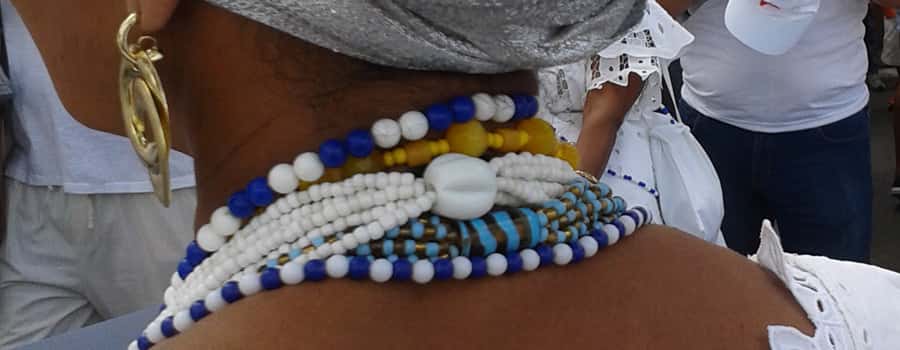
Reviewed · SALVADOR TOURS
Salvador: 4-Hour Candomblé Mysteries Tour
Salvador’s Candomblé traditions are not presented here as a collection of spooky tales. This four-hour tour connects African religions, slavery, maroon communities, urban life, and modern Bahia, helping you see why Salvador is often called Brazil’s Black Rome. You visit the Afro-Brazilian Museum, the Pierre Verger Gallery, Dique do Tororó, Pelourinho, and a Candomblé terreiro.
I like the small private group, capped at six people, because it gives you room to ask direct questions and adjust the discussion to your interests. I also like the chance to enter places most first-time visitors would likely miss, with guides such as Nilson, Fernando, Monia, and Maria Nunes praised for clear explanations and strong local insight.
The main caution is that the tour packs a lot into four hours. Entry rules are strict at religious sites and selected museums, and one booking reported that not every admission cost was covered despite the stated inclusions. Confirm this point before you go.
In This Review
- Key points to know before you book
- Why Salvador’s Candomblé story matters
- Starting with the Afro-Brazilian Museum
- Pierre Verger’s photographs and field work
- Finding the maroon-community connection
- Entering an Ewe-Fon Candomblé terreiro
- Dique do Tororó and Salvador’s public face
- Pelourinho, the final major stop
- What $110 buys you
- The guide can make or break the experience
- Timing, comfort, and what to wear
- Who should choose this Salvador tour
- Should you book the Candomblé Mysteries Tour?
- FAQ
- How long does the Candomblé Mysteries Tour last?
- Where does pickup take place?
- How many people can join the tour?
- Which languages are available?
- What should I wear?
- Is the sacred oracle consultation included?
Key points to know before you book
- Candomblé in context: Learn how African and Indigenous beliefs survived slavery, colonial rule, and the post-abolition period.
- The Afro-Brazilian Museum: See objects tied to enslaved Africans, the transatlantic trade, and cultural identities formed in Brazil.
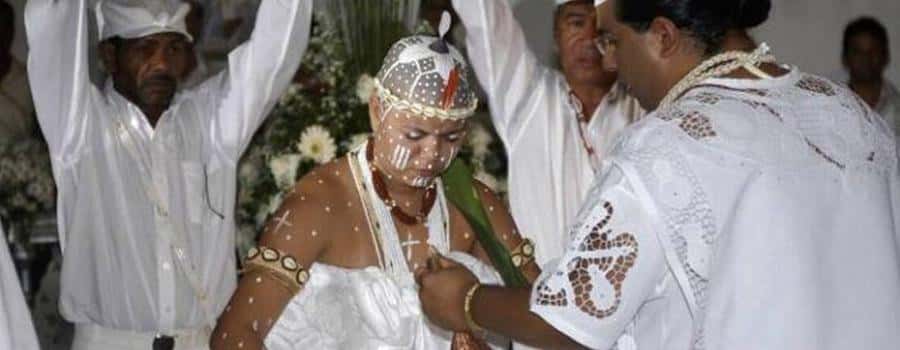
- A living religious tradition: Visit a Candomblé terreiro connected with the Ewe-Fon, or Dahomean, tradition.
- Private attention: The group limit of six makes it easier to discuss sensitive subjects respectfully and ask follow-up questions.
- Several sides of Salvador: Combine museums, viewpoints, a maroon-community setting, Dique do Tororó, and Pelourinho.
- Dress carefully: Cover your shoulders and knees, or you may be refused entry to places of worship and selected museums.
Why Salvador’s Candomblé story matters
This tour works best when you understand its basic purpose. Salvador has the largest Black population outside Africa, and African cultural traditions remain central to the city’s identity. Candomblé developed through the meeting of African religious systems, Indigenous beliefs, and life in Brazil under slavery and colonial rule.
The experience aims to correct old, damaging ideas about religions of African origin. That matters because Candomblé is often reduced to fortune-telling, superstition, or sensational stories. Here, you are given a historical and cultural framework before entering a terreiro, which makes the visit more respectful and easier to understand.
You will hear about the movement of enslaved people across the Atlantic, the identities they carried with them, and the ways religious practice survived under harsh conditions. You also see how these traditions shaped art, music, community life, and the physical growth of Salvador.
This is not a standard city sightseeing trip with a few religious references added on. The central theme links each stop. A museum object, a photograph, a maroon settlement, a sacred space, and a familiar Salvador square all become part of the same story.
Other Salvador days worth putting on the list:
- From Salvador: Schooner Tour to Frades Islands and Itaparica
★ 3.9 · 98 reviews - Afro-Brazilian Roots Private City Tour in Salvador
★ 4.7 · 88 reviews - Salvador Historic Walking Tour – Pelourinho
★ 4.8 · 62 reviews
Starting with the Afro-Brazilian Museum
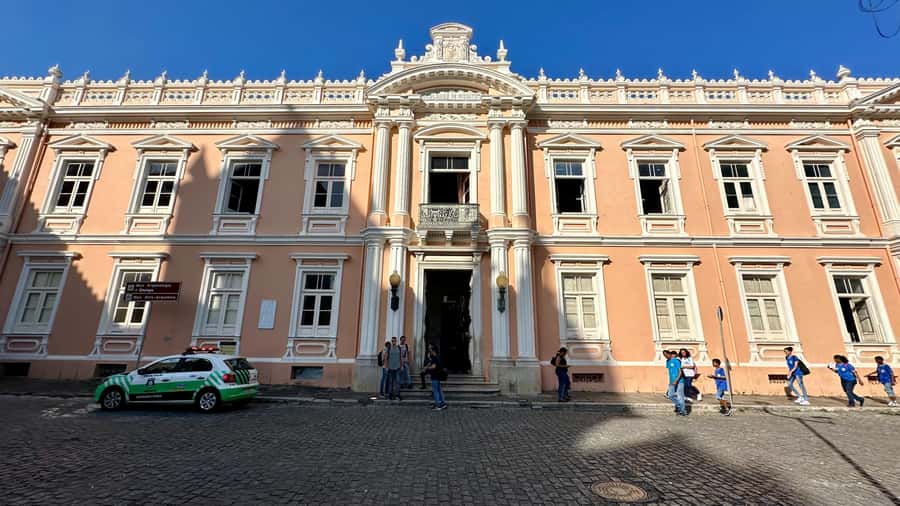
The route begins at the Afro-Brazilian Museum, where you spend about 30 minutes on a guided visit and photo stop. The museum provides the foundation for everything that follows.
Its collection covers enslaved Africans, the transatlantic trade, and the movement of people and ideas into Brazil. Objects come from several parts of Africa, showing that there was no single African culture carried across the ocean. Different languages, artistic practices, religious systems, and social identities all contributed to Brazilian life.
I would pay attention to the way the museum connects material objects with human experience. Artifacts are not simply old pieces behind glass. They help explain how people maintained memory and identity when families were separated and familiar institutions were attacked.
Thirty minutes is enough for an introduction, but not enough for a slow museum visit. If museums are your main interest, you may wish the schedule allowed longer. For most people, though, this opening stop does its job: it gives you the background needed to read the later locations with more care.
Your guide’s role matters here. The tour is offered in English, Spanish, French, Italian, and Portuguese, and previous bookings have praised guides including Maria Nunes, Fernando, Monia, and Nilson for detailed explanations. Ask questions early. The small group format gives you a better chance to shape the conversation than a large coach tour would.
Pierre Verger’s photographs and field work
The route also includes the Pierre Verger Gallery. Verger was a French anthropologist whose photographs, writing, and audio-visual records documented slavery, Afro-Brazilian life, and the links between Africa and Bahia.
His work adds a personal and visual layer to the museum’s objects. You are not only studying historical facts. You are also seeing people, places, rituals, and everyday life recorded by someone who spent years examining the connections between West Africa and Brazil.
This stop is especially useful if you want to understand Bahia as part of a wider Atlantic world. The history did not travel in one direction only. Cultural ideas moved between Brazil and Africa, and Verger’s work helps show those connections.
The gallery visit is another reason the tour suits anyone who wants more than the usual Pelourinho walk. Salvador’s colonial center is photogenic, but pretty buildings alone cannot explain the city. Verger’s work adds social and cultural depth before you continue into the streets.
Finding the maroon-community connection
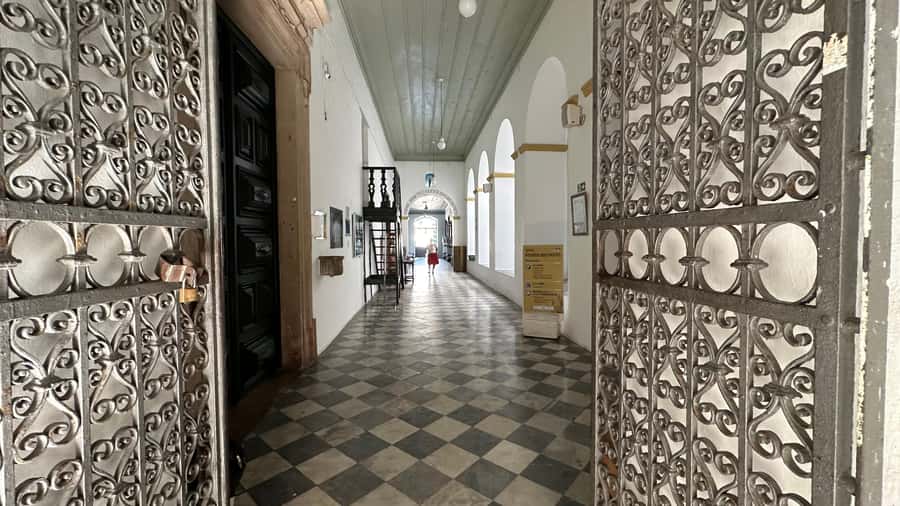
One of the tour’s less familiar themes is the maroon community. In Brazil, communities formed by people who escaped slavery became places of refuge, resistance, and cultural survival. These communities also served as sanctuaries for African religious traditions and the gods honored by those communities during the colonial and post-abolition periods.
The tour takes you to a place connected with this history and then through streets showing how a settlement that grew from a maroon community developed into an urban neighborhood. You are accompanied by a guide from the community who is initiated into these traditions and understands the local historical process.
That local connection is important. You are not simply looking at a neighborhood from a vehicle window. You get an explanation of how its past shaped its streets, social life, and cultural identity.
The exact amount of walking can vary because the route includes several stops and street sections. Wear practical shoes, and expect the experience to feel more like a conversation through a living neighborhood than a polished museum presentation.
This portion may be the most rewarding for anyone interested in how history continues into daily life. It also asks for a more respectful attitude. You are entering spaces connected with real communities and religious practice, not a staged folklore display.
Same city, a completely different kind of day:
- Salvador de Bahia African Culture Tour
★ 4.5 · 60 reviews - Salvador: Praia Do Forte and Guarajuba Beach Day Trip
★ 4.1 · 56 reviews - Salvador: Cultural Treasure – Samba de Roda.
★ 4.9 · 51 reviews - Salvador: Walking Tour Through Pelourinho
★ 5.0 · 49 reviews
Entering an Ewe-Fon Candomblé terreiro
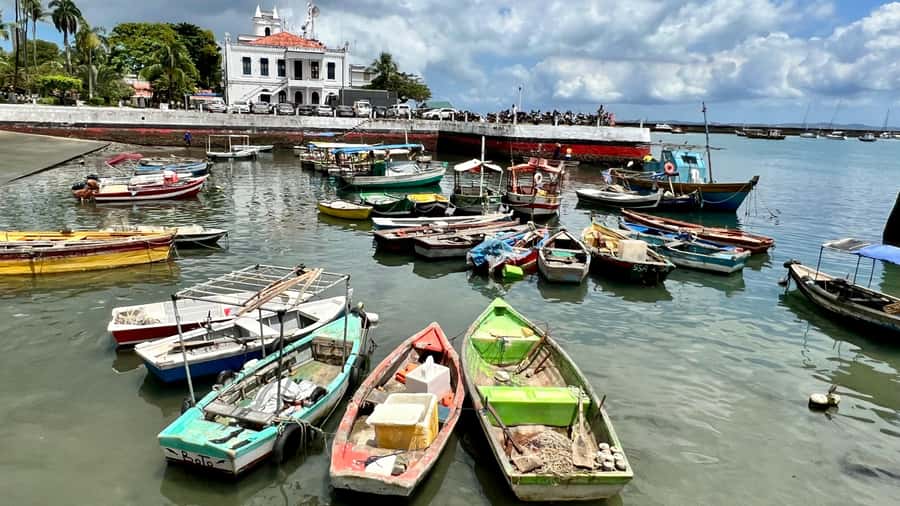
The tour then visits a Candomblé terreiro connected with the Ewe-Fon nation, a tradition of Dahomean origin. A terreiro is a place of worship and community, so this is the point where the subject becomes more direct and personal.
Your guide explains the religious setting and helps clear up common misunderstandings. The goal is not to turn a sacred practice into entertainment. Instead, you learn how the terreiro fits into the wider story of African religious survival in Brazil.
You may also choose to consult the sacred oracle, but this is optional and costs extra. Since the base price is $110 per person, you should ask about the extra charge before agreeing to the oracle consultation.
Dress is not a minor detail here. You must cover your shoulders and knees, and the rule applies to men and women. Avoid shorts and sleeveless tops for the entire tour. A lightweight shirt with sleeves and long trousers or a long skirt is the safest choice, especially since selected museums also require covered shoulders and knees.
Photography rules are not spelled out in the supplied information, so ask your guide before taking pictures inside religious spaces. At the designated photo stops, you will have time to photograph Salvador’s sights, but sacred settings deserve extra care.
Dique do Tororó and Salvador’s public face
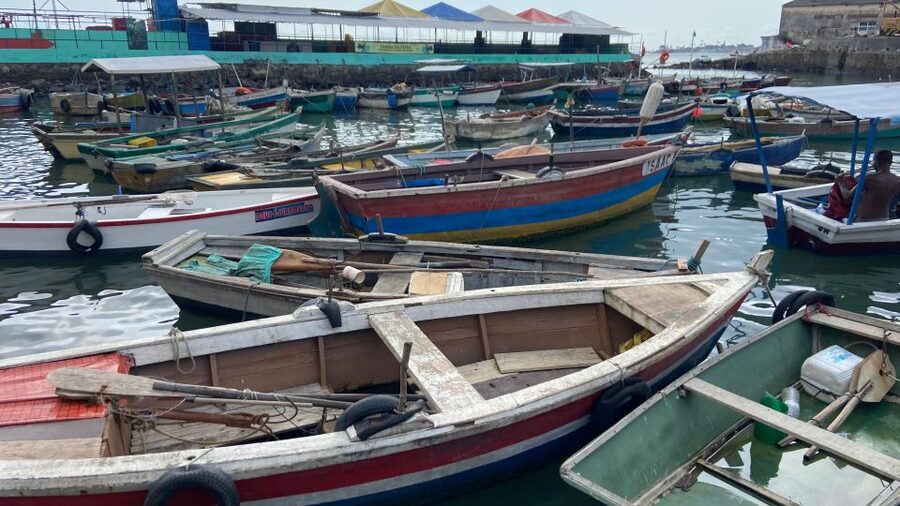
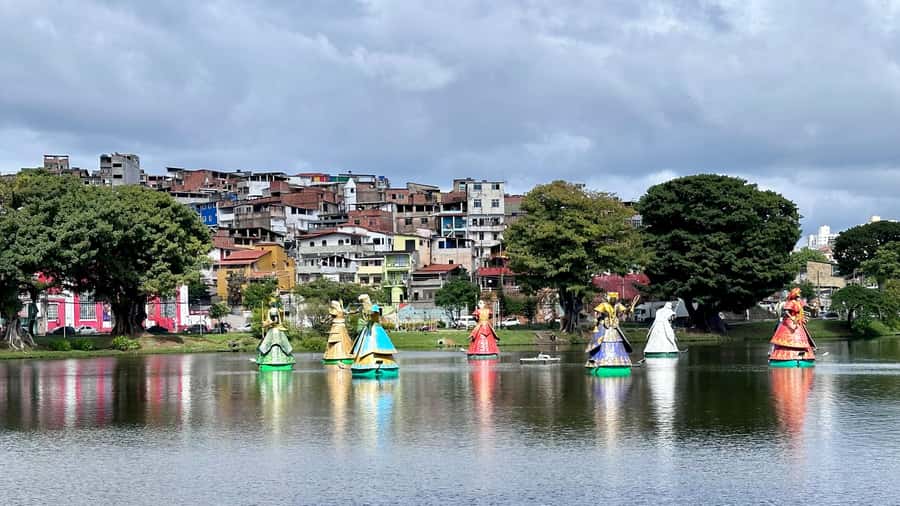
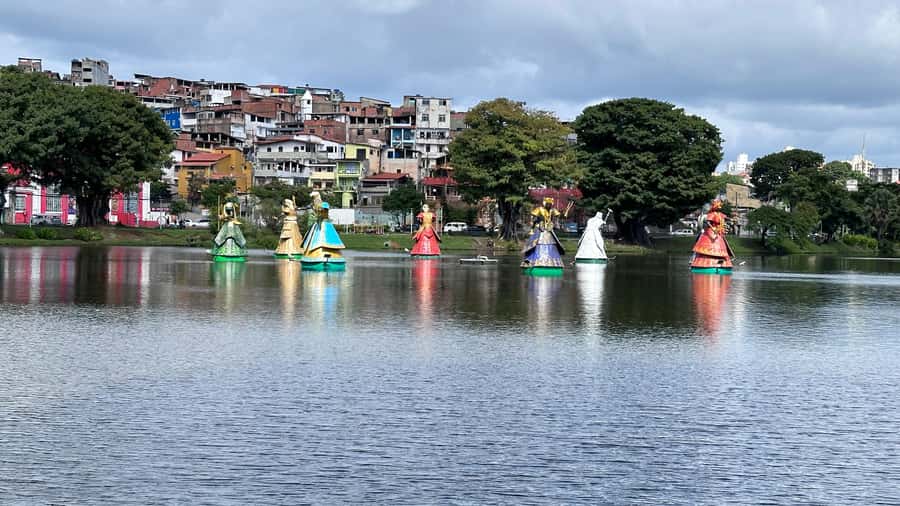
Dique do Tororó receives about 20 minutes for a guided visit, a break, and photographs. The stop gives the tour a change of pace after the museum and religious themes.
You can enjoy views across the site and hear how it fits into Salvador’s city life. The information provided does not specify every feature your guide will discuss, so think of this as a short orientation and photo stop rather than a full visit.
The short timing is useful if you want variety. Four hours can pass quickly when you combine museums, neighborhoods, religious sites, and transport. Dique do Tororó gives you a moment to step back, take pictures, and connect the cultural material with the city you are seeing outside the vehicle.
Do not expect a long, leisurely stop. Twenty minutes is enough for a look and a few photographs, but not for an extended exploration.
Pelourinho, the final major stop
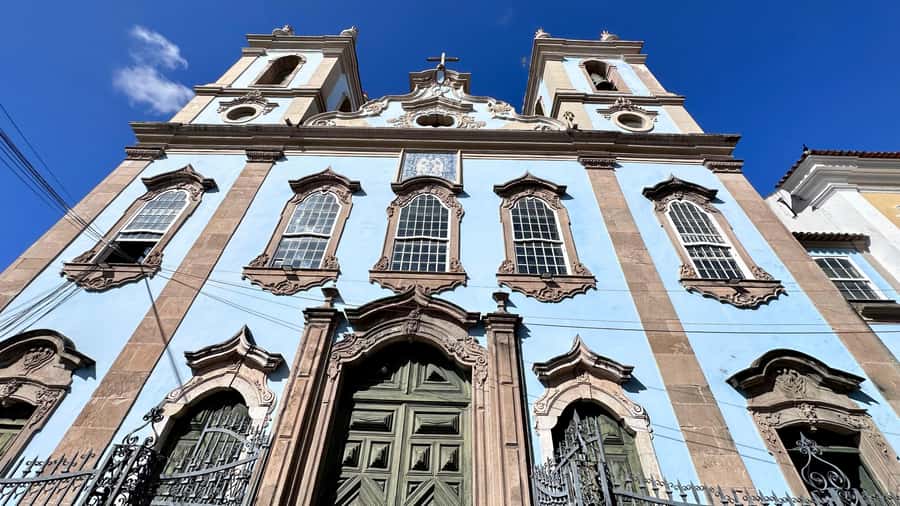
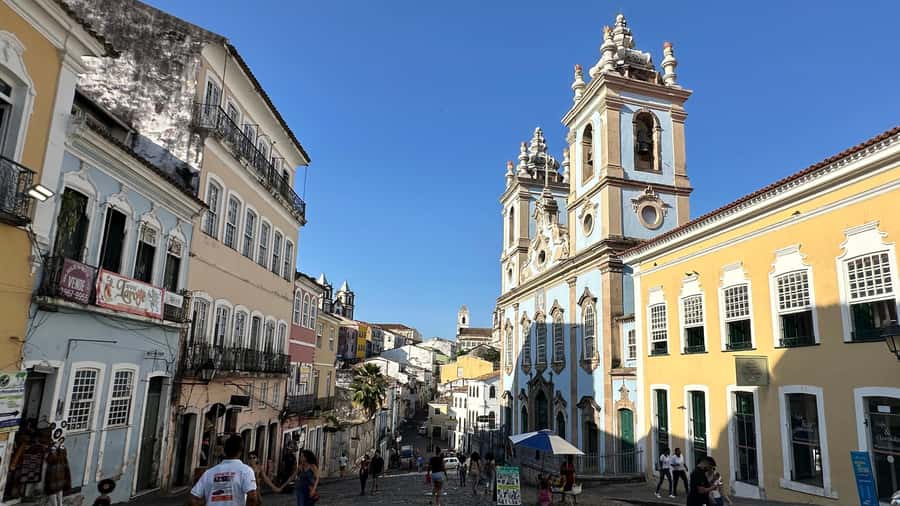
The tour ends its sightseeing portion in Pelourinho, Salvador’s famous historic center. You spend about 45 minutes here on a guided visit and photo stop before returning to your pickup point.
Pelourinho is often the place people know from photographs, with its colonial setting and colorful streets. This tour gives it a different frame. After learning about African migration, slavery, religious survival, and maroon communities, you can look at the historic center as part of that larger cultural story.
The stop is short enough that you will not see everything. It is best used for a focused walk, photographs, and questions about the buildings and streets around you. If you want a long independent visit in Pelourinho, plan extra time before or after the tour.
The sequence also helps explain why the tour is not simply a museum outing. You move from objects and images to communities, sacred places, public space, and one of Salvador’s best-known historic areas.
What $110 buys you
At $110 per person, this is not the cheapest way to see Salvador. The price includes hotel or port pickup and drop-off within Salvador City, an air-conditioned vehicle, and entrance fees as described. You also get a private group with no more than six people, plus a live guide in one of five languages.
That price can make sense if you value time, context, and personal attention. Transport between scattered sites is handled for you, and a local guide can explain subjects that are difficult to approach on your own. The guide can also adjust the emphasis to your interests, something Nilson did for one booking by adding useful ideas for further exploring Salvador.
The value is weaker if you mainly want quick photographs of famous sights. You could spend less on a basic city tour, but it would not offer the same focus on Candomblé, maroon communities, or Afro-Brazilian religious history.
Keep one practical issue in mind. One booking reported paying an additional 20 Brazilian reais per person because some admission was not included, even though the activity information said entrance fees were covered. The amount was small, but the mismatch was frustrating. Ask the provider to confirm exactly which admissions are included before departure.
Food and drinks are not included, though the four-hour schedule is short enough that this should be easy to manage with a meal before or after.
The guide can make or break the experience
The strongest part of this tour is likely to be the guide. Names associated with especially strong experiences include Monia, Fernando, Maria Nunes, and Nilson. Descriptions of their work point to clear explanations, strong cultural understanding, flexibility, and the ability to show places that are easy to miss alone.
That does not mean every departure will feel identical. A private tour depends heavily on the person assigned to you, the traffic, the timing, and your own questions. Tell the guide what interests you at the beginning. You might want more time on slavery and the Atlantic trade, more attention to Candomblé theology, or more discussion of Salvador’s neighborhoods.
The private format makes this easier. A group of six is intimate enough for a real exchange without the pressure of a large bus group. If you are traveling alone, the price may feel high. For a couple or small group sharing the experience, the cost may feel more reasonable.
The tour is offered in Portuguese, English, Spanish, French, and Italian. Confirm your preferred language when booking, particularly if the cultural material is new to you.
Timing, comfort, and what to wear
The experience lasts four hours, with starting times depending on availability. Pickup is from your hotel lobby in Salvador City, and transport is provided in an air-conditioned vehicle.
The exact road time between stops is not stated, so the four-hour schedule should be viewed as a compact introduction rather than a slow study day. You will see several parts of Salvador, but each stop has a set window. The listed visits include roughly 30 minutes at one opening stop, 20 minutes at Dique do Tororó, 50 minutes at another visit, and 45 minutes in Pelourinho.
Wear clothing that meets the religious and museum rules from the start. Cover your shoulders and knees, and do not rely on a jacket that you may remove in the heat. Comfortable shoes are sensible because part of the experience takes place on city streets.
The tour includes photo opportunities, but photography should never take priority over the rules of a terreiro or community. Ask before photographing people, objects, or ceremonies.
Cancellation is free up to 24 hours before the start for a full refund, and you can reserve now and pay later. Confirmation is provided at booking.
Who should choose this Salvador tour
I would recommend it to you if you want to understand Salvador through Black Brazilian history and living religious traditions, rather than only checking off landmarks. It is a good match for visitors who enjoy museums, thoughtful local guides, photography, and conversations about culture.
It also suits you if this is your first visit and you want a broad introduction in a short block of time. You get several locations, transport, a historic overview, and suggestions for what to explore next.
You may want another kind of tour if you prefer a relaxed pace, long museum visits, or a purely architectural walk. The itinerary is busy, and the subject matter is serious. Candomblé is presented as a living faith and cultural system, not as a light afternoon curiosity.
Should you book the Candomblé Mysteries Tour?
Book this experience if you want Salvador’s famous streets placed in a wider African-Brazilian story. The museum and gallery combination, the maroon-community connection, and the visit to an Ewe-Fon terreiro give the tour a clear purpose beyond sightseeing.
At $110, the value depends on whether you will use the guide’s expertise and the private format. I would book it for a small group that wants direct conversation and a respectful introduction to Candomblé. I would skip it if you want to spend the whole afternoon wandering Pelourinho at your own pace.
Confirm the admission details, follow the clothing rules, and ask about any extra cost for the sacred oracle. Do that, and you get a focused, culturally serious introduction to a side of Salvador that is easy to miss.
FAQ
How long does the Candomblé Mysteries Tour last?
The tour lasts four hours, with starting times available according to the booking calendar.
Where does pickup take place?
Pickup and drop-off are included from your hotel lobby in Salvador City. Port pickup and drop-off are also included.
How many people can join the tour?
The experience is offered as a private group, with a maximum of six people.
Which languages are available?
The live guide service is available in English, Portuguese, Spanish, French, and Italian.
What should I wear?
You must cover your shoulders and knees at places of worship and selected museums. Shorts and sleeveless tops are not allowed for men or women, and entry may be refused if you do not follow the dress code.
Is the sacred oracle consultation included?
No. The sacred oracle consultation is optional and costs extra. Ask about the price before taking part.
Just added around Salvador
- Salvador: Schooner Cruise with Pickup and Itaparica Stop★ 3.8 · 5 reviews
- Salvador: Walking Tour Through Pelourinho★ 5.0 · 49 reviews
- Salvador: Cultural Treasure – Samba de Roda.★ 4.9 · 51 reviews
- Salvador: Traditional Drumming and Percussion Workshop★ 4.4 · 10 reviews
- Salvador: CAPOEIRA CLASS – CULTURAL★ 4.6 · 13 reviews
- Salvador: Cultural Night of Capoeira, Samba, and Drumming★ 4.9 · 17 reviews
- Salvador: Capoeira Class at Mestre Bimba’s 1st Ever School.★ 4.9 · 34 reviews
- Salvador: Caipirinha Masterclass with Unlimited Drinks★ 4.2 · 4 reviews
Salvador Tours, compared.

Afro-Brazilian Roots Private City Tour in Salvador
Read our review →

Capoeira Class at Mestre Bimba’s 1st Ever School.
Read our review →Browse the lists this tour appears in