
Reviewed · CITY TOURS
Salvador: Anthropological City Tour with Lunch IN 6 HOURS
Salvador’s African heritage is not locked away in a museum. It lives in markets, religious houses, family kitchens, and seaside ceremonies. This six-hour tour follows that living thread, from Pelourinho and the Afro-Brazilian Museum to São Joaquim Market, a historic port, a Candomblé terreiro, and Yemanjá’s altar at Rio Vermelho.
I especially like the small group of four and the lunch with a Black family in Garcia. Those details turn a standard city tour into something more personal. I also like the multilingual guide option, since the best part of this outing is the explanation of Bahia’s history, faith, and culture.
The main drawback is its pace. You cover a lot of Salvador in six hours, so some stops are likely brief, and the tour is not wheelchair accessible. At $150 per person, it makes the most sense if you value private-style guiding, included transport, entrance fees, and a meal you would be unlikely to arrange on your own.
In This Review
- Key points at a glance
- Why this tour tells a different story of Salvador
- Pelourinho and the Afro-Brazilian Museum
- Dique do Tororó and the city between stops
- São Joaquim Market, where history meets daily food
- The old port and the painful history of arrival
- Ilê Iyá Axé Nassô Oká and Candomblé tradition
- Feijoada in Garcia with a family tradition
- Rio Vermelho and Yemanjá’s seaside altar
- How the six-hour schedule works
- Price, value, and practical limits
- Who should book this Salvador experience?
- Should you book it?
- FAQ
- How long does the tour last?
- Where does pickup take place?
- How many people are in the group?
- Which languages are available?
- Is lunch included?
- Are drinks included with lunch?
- Is a vegetarian meal available?
- What places are included on the route?
- Is the tour wheelchair accessible?
- Can I cancel for a full refund?
Key points at a glance
- A six-hour route through Afro-Brazilian Salvador: Connect Pelourinho, Dique do Tororó, São Joaquim Market, the old African arrival port, a Candomblé terreiro, and Rio Vermelho.
- Lunch with a Black family in Garcia: The meal is homemade feijoada, served by a family with more than 50 years of tradition.
- A very small group: The tour is limited to four participants, which gives you more room for questions and conversation.
- Guides with strong cultural and historical focus: Mônia and D. Maria received especially warm praise for their explanations and energy, while Fernando was associated with the memorable local lunch.
- A useful introduction to Candomblé: The itinerary includes Ilê Iyá Axé Nassô Oká, described as the first Yoruba-origin Candomblé terreiro founded in the New World.
- Good coverage in limited time: Hotel pickup, drop-off, a driver-guide, a professional guide, entrance fees, and lunch are included.
Why this tour tells a different story of Salvador
Many first visits to Salvador focus on colorful buildings, churches, music, and ocean views. Those are worthwhile, but this tour asks you to look at the city through the experience of Afro-Brazilian communities and the long struggle to preserve their traditions.
That matters because Salvador’s African inheritance is not just a subject from the past. It appears in Candomblé worship, food, markets, neighborhood life, and the annual devotion to Yemanjá. You will hear about freedom struggles and the survival of religious customs carried forward through generations.
The tour begins with hotel pickup in Salvador and uses a driver and guide to connect districts that are too spread out for an easy walk. With only four people, you can ask questions without trying to speak over a large coach group. That is particularly useful here, since the subject is layered and a quick photograph does not explain much by itself.
The exact order of several middle stops is not fully specified, so allow the guide to set the day’s rhythm. The listed visits include short photo and guided stops, with about an hour set aside for lunch and another hour for Pelourinho. Expect transportation time between neighborhoods as part of the experience.
A few more Salvador trips to weigh up
- From Salvador: Quilombo Heritage Daytrip with Lunch
★ 3.4 · 3 reviews - Rio de Janeiro: 6-Stop Highlights of Rio with Lunch
★ 4.4 · 5,157 reviews - Rio: Christ the Redeemer, Sugarloaf, Selaron & BBQ Lunch
★ 4.5 · 2,428 reviews
Pelourinho and the Afro-Brazilian Museum
Pelourinho is the natural opening chapter. This UNESCO World Heritage area is Salvador’s best-known historic district, with old architecture and streets tied to the city’s colonial past. Here, the tour adds a specific focus through the Afro-Brazilian Museum.
The museum’s collection presents the history of Black people in Brazil. That gives you a stronger base for the rest of the day. Instead of treating the later stops as disconnected sights, you can place the market, religious traditions, port, and food within a wider story.
The Pelourinho visit is listed at about an hour, including guided touring and time for photographs. That is enough for an introduction, though not for every corner of the district or every museum display. If you prefer a slow museum visit, you may find this portion brisk.
I would pay close attention to how the guide connects the objects and places to daily life in Bahia. D. Maria was singled out for answering many questions about Bahia, spirituality, world history, and culture. Mônia was also praised for making the city and its cultural expressions easier to understand. Those comments point to the kind of guide who can make this stop far more useful than a simple walk through pretty streets.
Dique do Tororó and the city between stops
Dique do Tororó is listed as a 20-minute stop for photographs and a guided visit. The supplied details do not specify a full activity there, so you should think of it as a short orientation point rather than a major standalone attraction.
Its value is partly visual and partly practical. After the older streets of Pelourinho, you get a different view of Salvador and a chance to see how the city changes from district to district. The tour also promises attention to urban changes in areas shaped by the descendants of enslaved communities.
This is one reason a vehicle-based route helps. Salvador is not a compact historic center where every important place sits around one square. You will need transport to connect the old center, railway suburbs, market district, religious site, and coast. The tradeoff is that some of your six hours will pass in the car.
São Joaquim Market, where history meets daily food
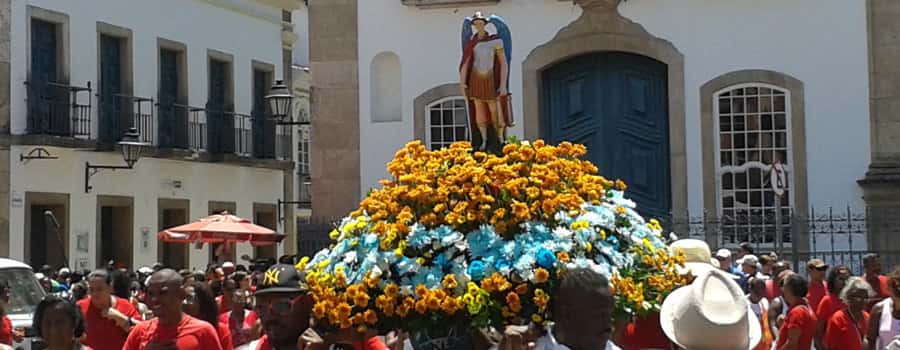
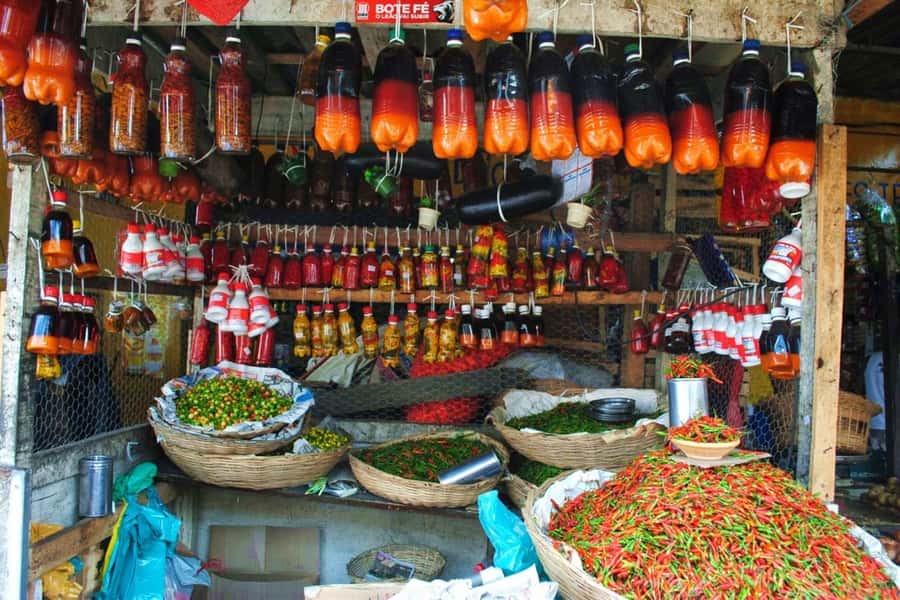
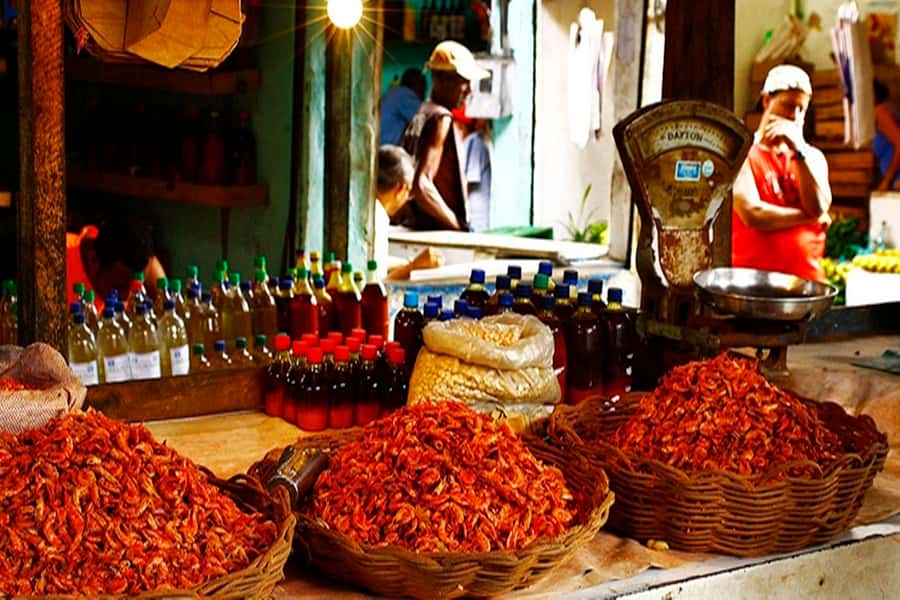
São Joaquim Market is one of the day’s most practical stops. It is described as Salvador’s largest open market and as an intangible heritage site in Brazil. The market was founded by enslaved Africans in the 19th century, so it links commerce, food, and the city’s African roots.
I like this stop because markets show how people live now, not only how a city looked in the colonial period. You can expect a sensory change from the museum and formal historic streets. The guide’s explanation is important here, since the significance of the market goes beyond shopping or photography.
The itinerary gives roughly 40 minutes to one of the market or related visits, but the exact allocation is not clearly matched to each named stop. That is enough time for an introduction, not a long, unhurried market expedition. If you want to browse every aisle or buy several items, you may need another visit.
Use this stop to ask about food, religious objects, and the connection between market life and Candomblé. The tour’s focus is not simply sightseeing. It is showing how African traditions remain part of ordinary Salvador.
Same city, a completely different kind of day:
- From Salvador: Schooner Tour to Frades Islands and Itaparica
★ 3.9 · 98 reviews - Afro-Brazilian Roots Private City Tour in Salvador
★ 4.7 · 88 reviews - Salvador Historic Walking Tour – Pelourinho
★ 4.8 · 62 reviews - Salvador de Bahia African Culture Tour
★ 4.5 · 60 reviews
The old port and the painful history of arrival
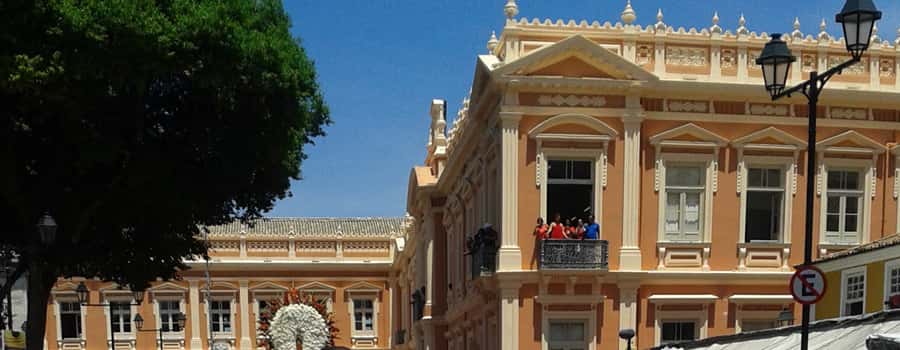
The route continues to the old port where Africans arrived and where a slave market once operated. This is one of the most serious stops of the day, and it should be approached with care.
The place gives physical meaning to a history that can otherwise feel distant. You are not only hearing about forced migration in a museum room. You are visiting part of the city connected to the arrival and sale of enslaved people.
The information provided does not give the port’s exact name or a detailed visit duration. That is worth keeping in mind when you book. The tour promises a visit and explanation, but this is not presented as a long archaeological or museum stop.
I would expect the guide to shape much of your understanding here. A good explanation can connect the port to later survival, resistance, community life, and religious practice. The itinerary’s theme is freedom and preservation, so the stop functions as a bridge between the violence of slavery and the cultural strength that followed.
Ilê Iyá Axé Nassô Oká and Candomblé tradition
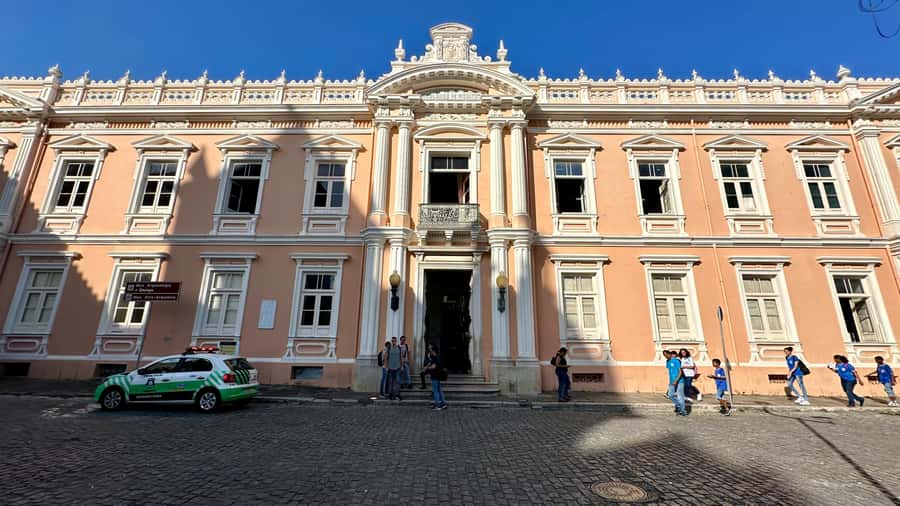
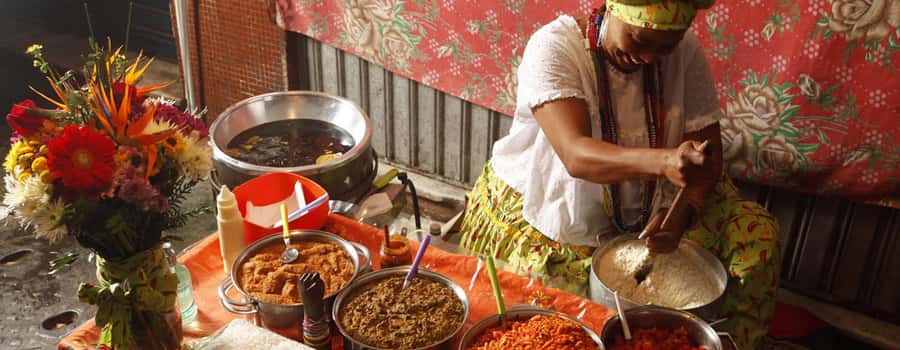
The visit to Ilê Iyá Axé Nassô Oká is likely the most distinctive part of the tour. It is described as the first Candomblé terreiro of Yoruba origin founded in the New World, with a tradition grounded in matriarchy.
A terreiro is a place of Candomblé worship and community. This is not simply another historic building. It represents the survival of religious traditions associated with African peoples in Bahia, despite centuries of pressure and repression.
You should arrive ready to listen rather than treat the site as a photo backdrop. The information supplied does not promise a ceremony, performance, or particular ritual, so do not book expecting one. The value is the visit and the guide’s explanation of the tradition.
This is where guide quality matters most. D. Maria was praised for explaining spirituality as well as history, and that kind of cultural context can help you avoid flattening Candomblé into a tourist display. Ask respectful questions, follow instructions, and remember that a religious house is a living community, not just a landmark.
Feijoada in Garcia with a family tradition
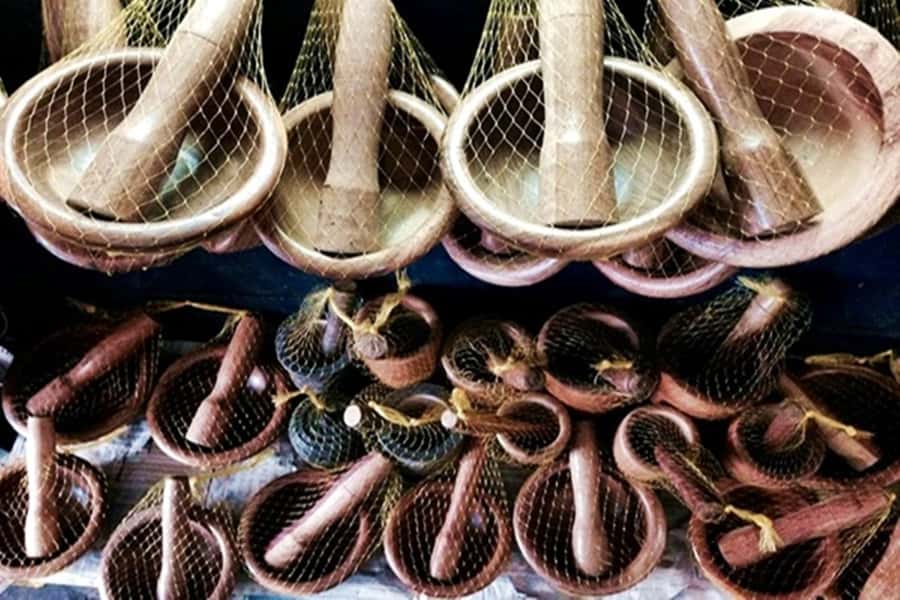
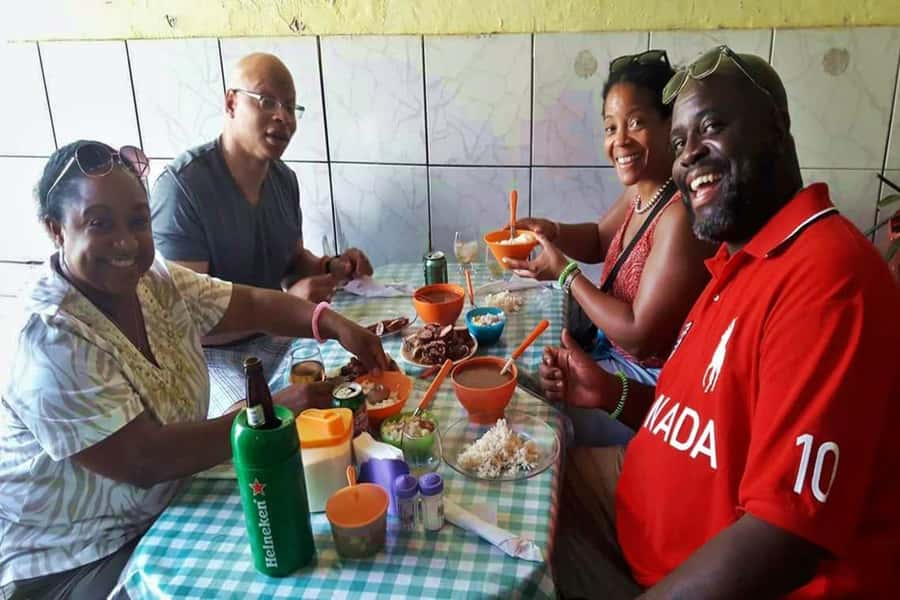
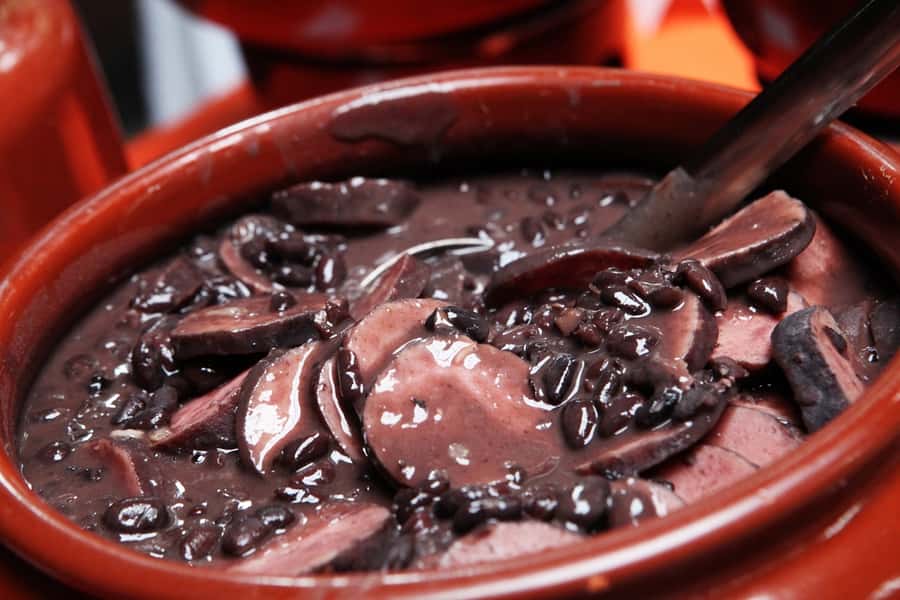
Lunch is not an afterthought. You will eat feijoada, a homemade bean stew, in the Garcia neighborhood with a Black family whose tradition of serving the meal spans more than 50 years.
This is the kind of inclusion that gives the tour its strongest personal note. A restaurant meal can be delicious, but a family setting offers a clearer connection between food and community. One guide associated with the experience, Fernando, was specifically linked to making this local lunch possible.
The lunch lasts about an hour. Drinks are not included, so plan to pay separately for anything you order to drink. A vegetarian option is available, but you must request it when booking. You should also provide any other dietary requirements at that time.
Feijoada is a substantial meal, and this break gives the day a useful pause after several historical and religious stops. It also helps explain why the $150 price is not directly comparable with a basic sightseeing bus tour. You are paying for the meal, entrance fees, hotel transport, a small group, and a guide who can carry the story across several parts of Salvador.
Rio Vermelho and Yemanjá’s seaside altar
The final cultural stop takes you to the Queen of the Sea House near the beach in Rio Vermelho. The site is connected to a fishermen’s community that built an altar honoring Yemanjá, the African divinity of the sea.
Yemanjá is especially important here on February 2, when Salvador holds its largest ceremony dedicated to an African Orixá. The celebration draws more than 400,000 people, according to the tour information. You will not experience that event on an ordinary tour date, but knowing its scale shows how active and public these traditions remain.
The seaside setting changes the mood again. After the museum, market, port, and terreiro, you reach a place tied to fishing, the ocean, and communal devotion. The stop is a good reminder that Afro-Brazilian faith is present in neighborhood life and public celebrations, not only in formal religious buildings.
The itinerary does not state how long you stay at this house, and the schedule includes several short stops. If Yemanjá is a major reason for your interest in Salvador, ask at booking how much time is normally allowed there.
How the six-hour schedule works
The tour runs for six hours, beginning and ending with pickup and drop-off in Salvador. The stated stops include several 20- to 40-minute visits, one hour for lunch, and about one hour in Pelourinho. The remaining time accounts for transfers between districts and the practical work of getting around the city.
That schedule is efficient, but it is not leisurely. You will see a broad cross-section of Salvador rather than spend half a day in one neighborhood. I would choose it during a short stay, on a first visit, or when you want a guided overview before returning independently to the places that interest you most.
The group limit of four is a major help. You get the coverage of a driving tour without the feel of a large bus. It should also make it easier to ask about slavery, African traditions, Candomblé, food, and present-day community life.
Live guiding is offered in Spanish, English, French, Italian, and Portuguese. Mônia and D. Maria were particularly praised for their depth of explanation and friendly approach, while Fernando was connected with the local lunch. Your assigned guide may differ, but those names indicate the standard of personal, culture-focused guiding to hope for.
Price, value, and practical limits
At $150 per person, this is not Salvador’s cheapest city tour. It is also not priced like a basic ride past the main sights. The fee includes hotel pickup and drop-off, a driver-guide, a professional guide, entrance fees, and lunch.
I see the value in the combination. Several of the day’s stops would be hard to connect efficiently on your own, and the terreiro visit and family lunch are not ordinary add-ons you can assume will be available at the last minute. The group size also keeps the experience closer to a private tour.
Still, the value depends on your interests. If you mainly want churches, architecture, shopping, or free time at the beach, this route may feel too focused on history, identity, and religion. If you want a broad cultural introduction and have only one free day, the cost is easier to justify.
The tour is not wheelchair accessible, so it is not suitable for wheelchair users. Vegetarian food is possible with advance notice. Free cancellation is available up to 24 hours before departure, and you can reserve now and pay later, which helps if your Salvador schedule is still changing.
Who should book this Salvador experience?
I would choose this tour if you want Salvador explained through its Black communities and African traditions, not just shown through its oldest buildings. It suits you if you enjoy asking questions, eating local food, and visiting places where history is still part of daily life.
It is also a good choice for a short stay. In six hours, you cover Pelourinho, Dique do Tororó, São Joaquim Market, the old port, a major Candomblé terreiro, Garcia, and Rio Vermelho. That is a lot of ground, but hotel transport keeps the plan practical.
I would hesitate if you need a slow pace, extended museum time, or step-free access. I would also confirm the expected timing of the middle stops if one particular place matters most to you. The route is broad by design, so no single stop appears to receive a full morning or afternoon.
Should you book it?
Book this tour if the chance to share feijoada with a local Black family and learn about Candomblé matters more to you than checking off Salvador’s most famous views. The strongest parts are the human connections, the small group, and the guides’ ability to explain difficult history with cultural context.
Skip it if you want a relaxed walking tour or a simple highlights circuit. For the right visitor, though, this is a thoughtful and efficient way to meet the Salvador that survives in food, faith, markets, neighborhoods, and ceremony.
FAQ
How long does the tour last?
The tour lasts six hours, including transportation, visits, and lunch.
Where does pickup take place?
Pickup and drop-off are included from your hotel lobby in Salvador.
How many people are in the group?
The small group is limited to four participants.
Which languages are available?
Live guiding is available in Spanish, English, French, Italian, and Portuguese.
Is lunch included?
Yes. Lunch is included and consists of homemade feijoada served in a Black community in the Garcia neighborhood.
Are drinks included with lunch?
No. Drinks are not included.
Is a vegetarian meal available?
Yes. A vegetarian option is available, but you must request it when booking.
What places are included on the route?
The route includes Pelourinho, the Afro-Brazilian Museum, Dique do Tororó, São Joaquim Market, the old port of African arrival and slave market, Ilê Iyá Axé Nassô Oká, and the Queen of the Sea House near Rio Vermelho.
Is the tour wheelchair accessible?
No. The tour is not wheelchair accessible and is not suitable for wheelchair users.
Can I cancel for a full refund?
Yes. You can cancel up to 24 hours in advance for a full refund. You can also reserve now and pay later.
Just added around Salvador
- Salvador: Schooner Cruise with Pickup and Itaparica Stop★ 3.8 · 5 reviews
- Salvador: Walking Tour Through Pelourinho★ 5.0 · 49 reviews
- Salvador: Cultural Treasure – Samba de Roda.★ 4.9 · 51 reviews
- Salvador: Traditional Drumming and Percussion Workshop★ 4.4 · 10 reviews
- Salvador: CAPOEIRA CLASS – CULTURAL★ 4.6 · 13 reviews
- Salvador: Cultural Night of Capoeira, Samba, and Drumming★ 4.9 · 17 reviews
- Salvador: 4-Hour Candomblé Mysteries Tour★ 4.3 · 34 reviews
- Salvador: Capoeira Class at Mestre Bimba’s 1st Ever School.★ 4.9 · 34 reviews
City Tours, compared.
Main City Sights in 7 Hours – Shared Group Tour
Read our review →
Carnival Backstage Tour at Samba City with Cocktail
Read our review →

Browse the lists this tour appears in