
Reviewed · WATERFALL TOURS
From Salvador: Cachoeira Colonial Town Daytrip
The best part of this day is the change of pace. In a few hours, you leave Salvador’s traffic behind and enter Bahia’s Recôncavo, a countryside region shaped by sugar, colonial trade, Afro-Brazilian faith, and resistance to Portuguese rule. The route takes in Santo Amaro, Cachoeira, and São Félix, with a farm lunch and a traditional cigar factory added to the history lesson.
I like the private format and the serious attention from the guide. I also like that lunch, transport, and entrance fees are included, so the $220 price covers most of the day’s main costs. The main drawback is the long amount of time in a vehicle, and the accessibility information is inconsistent, so wheelchair users should confirm arrangements before booking.
In This Review
- Key points at a glance
- Why the Recôncavo makes a worthwhile day trip from Salvador
- Santo Amaro: market life and colonial connections
- Cachoeira: churches, cobbled streets, and Afro-Brazilian faith
- Crossing into São Félix on the 1830 bridge
- A farm buffet with views across the valley
- The Dannemann cigar factory and a hands-on craft tradition
- What the guides add to the experience
- Transport, timing, and the real value of $220
- Who should book this day trip
- Booking, cancellation, and practical details
- Should you book the Cachoeira day trip?
- FAQ
- How long is the Cachoeira day trip from Salvador?
- Where does the tour begin and end?
- Is lunch included?
- Which towns does the tour visit?
- What happens in Santo Amaro?
- How much time is spent in Cachoeira?
- Does the tour visit a cigar factory?
- What languages are available?
- Is this a private tour?
- Is the tour wheelchair accessible?
Key points at a glance
- Santo Amaro’s public market: Begin with local life, colonial buildings, and the town’s links to Bahia’s sugar economy.
- Cachoeira’s Afro-Brazilian identity: Walk cobbled streets, see baroque churches, and learn about the Sisterhood of Our Lady of the Good Death.
- The 1830 bridge to São Félix: Cross a historic British-built bridge before stopping for lunch.
- Farm buffet with valley views: The included meal gives you a slower, more rural break from sightseeing.
- Dannemann cigar making: Watch cigars being rolled by hand and see a craft tied to the Recôncavo.
- A guide who shapes the day: Guides such as Wilson and Jean Luis have received especially strong praise for history, language skills, humor, and smooth communication.
Why the Recôncavo makes a worthwhile day trip from Salvador
Salvador gives you grand churches, music, street life, and the Atlantic coast. The Recôncavo gives you a different way to understand Bahia. This area was tied to sugar production and colonial trade, but it was also a place where African traditions, Catholic forms, and local resistance developed side by side.
That makes this more than a town-hopping excursion. You are not simply checking off three names on a map. You are moving through places that help explain Bahia’s cultural identity.
The tour lasts about eight hours, sometimes closer to nine, with hotel pickup and drop-off in Salvador. That is a full day, but the route has enough variety to keep it from feeling like one long walking tour. You get market scenes, churches, rural roads, a sit-down meal, a bridge, and a working craft site.
I would choose this trip if you have already seen Salvador’s main sights and want context for the wider state. It is also useful if you prefer a guide who can explain what you are seeing instead of leaving you to read brief signs on your own.
More waterfall tours in Salvador:
- Rio: Tijuca Forest Small Group Hike to Caves and Waterfalls
★ 4.9 · 536 reviews - Paraty: Jungle Waterfalls and Cachaça Distillery Jeep Tour
★ 4.7 · 491 reviews - Iguassu Waterfalls: 1 Day Tour Brazil and Argentina’s sides
★ 4.9 · 353 reviews
Santo Amaro: market life and colonial connections
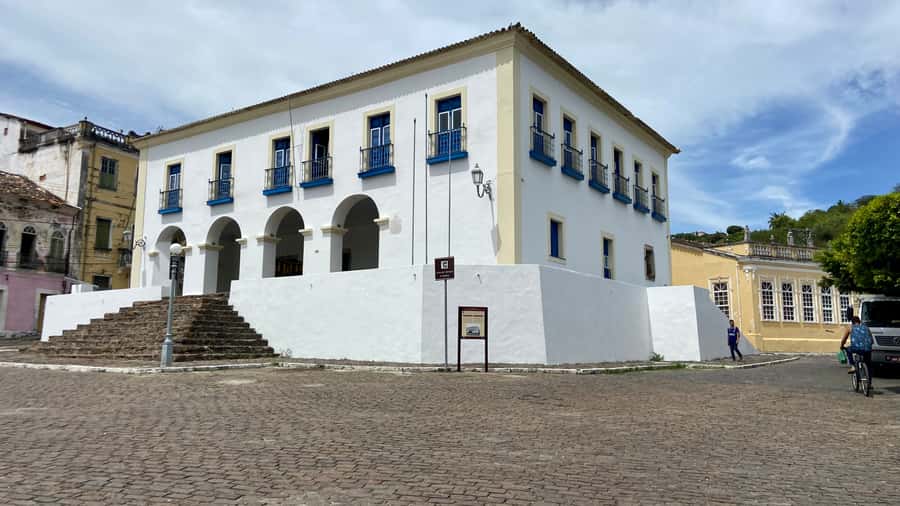
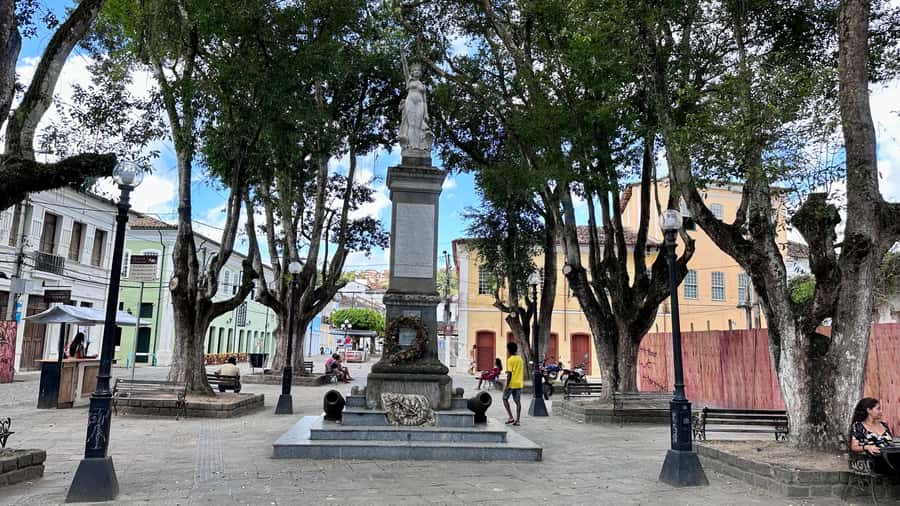
The first main stop is Santo Amaro, about an hour of guided touring. The town is linked to the sugar economy and to local resistance during Brazil’s struggle against colonization and independence.
The public market is the right place to begin. It gives you a look at everyday commerce rather than a polished historic center made only for sightseeing. You can expect time for a walk, photographs, and an explanation of the town’s past. The preserved colonial buildings add visual context, but the market is likely to be the more immediate part of the visit.
I like this opening because it eases you into the Recôncavo. You start with a functioning town, not just monuments. That helps you see the region as a living place.
The limitation is time. With only about an hour here, you will get an introduction rather than a full exploration of Santo Amaro. If you want long market browsing or a relaxed café stop, this schedule may feel brisk.
Cachoeira: churches, cobbled streets, and Afro-Brazilian faith
The longest stop is Cachoeira, with about two hours for a guided visit, walking, sightseeing, and some shopping. This is the cultural center of the route and the place where the tour’s themes come together most clearly.
Cachoeira is known for its colonial architecture and baroque churches. The cobbled streets make the town pleasant to explore on foot, though they can be uneven and tiring for anyone with mobility concerns. Bring shoes that are comfortable for walking, and do not expect the stop to feel like a purely indoor museum visit.
The guide also explains the Sisterhood of Our Lady of the Good Death. This Afro-Catholic sisterhood is important because it shows how African religious identity and Catholic practice have existed together in Bahia. You do not need a specialist background to appreciate the subject. A good guide can connect the sisterhood to the broader story of survival, faith, and cultural strength.
That explanation is one of the strongest reasons to book this with a live guide. Without context, you might see an old church and a pretty street. With context, you get a clearer idea of why Cachoeira matters.
The tour description identifies Cachoeira as a UNESCO World Heritage Site and highlights its baroque architecture. Entrance fees are included, which keeps the day simple. The exact churches or interiors visited are not specified, so ask your guide at the start what is open that day.
Crossing into São Félix on the 1830 bridge
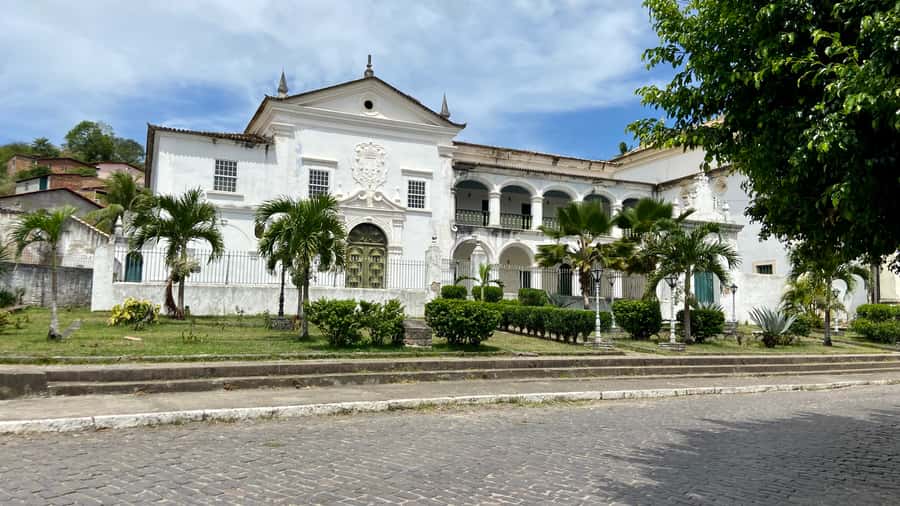
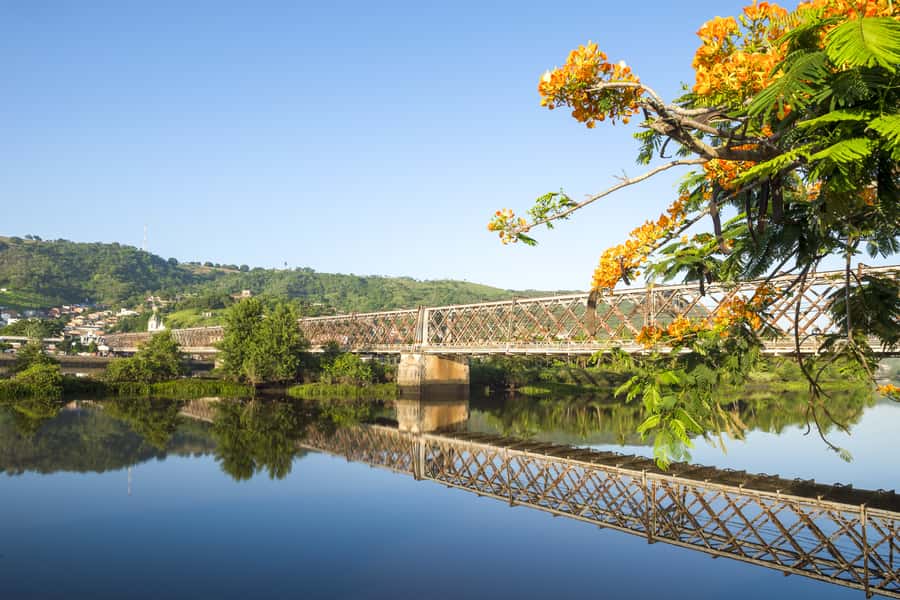
After Cachoeira, the route continues to São Félix across a historic bridge built in 1830 by the British. The bridge is a memorable transition between the two towns, and it gives you a chance to see how closely the settlements are tied together.
This part of the day is not presented as a long independent walk or a separate extended tour. It is a short passage with time for a break and lunch. Still, the bridge adds a useful physical detail to the story. You are not merely hearing about old trade routes and regional links. You are crossing one of the structures that helped connect the area.
The bridge and the towns also provide good photo stops. Keep your camera ready, but listen to the guide’s explanation too. The best value here comes from combining the view with the background.
Same city, a completely different kind of day:
- From Salvador: Schooner Tour to Frades Islands and Itaparica
★ 3.9 · 98 reviews - Afro-Brazilian Roots Private City Tour in Salvador
★ 4.7 · 88 reviews - Salvador Historic Walking Tour – Pelourinho
★ 4.8 · 62 reviews - Salvador de Bahia African Culture Tour
★ 4.5 · 60 reviews
A farm buffet with views across the valley
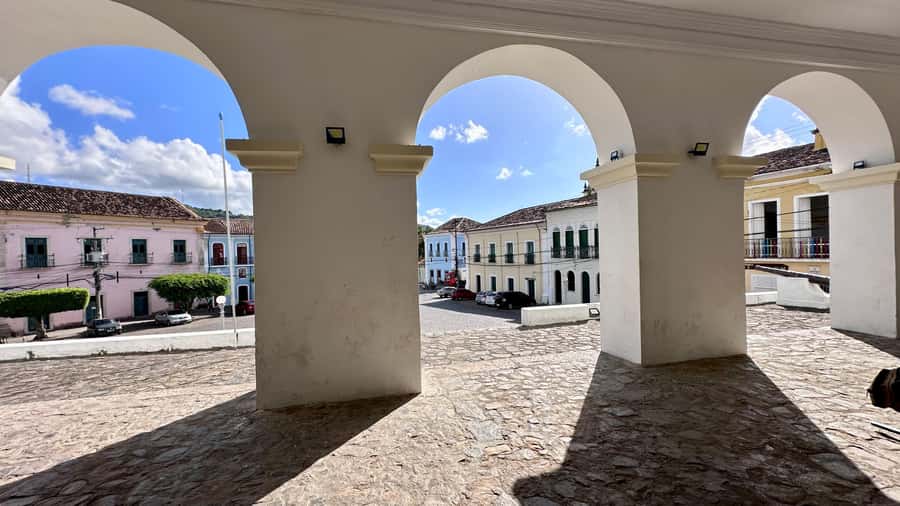
Lunch is served on a farm, with panoramic views over the valley. The buffet is included, while drinks are not. That distinction matters, so set aside money for anything you want to drink with the meal.
I like the placement of lunch in the middle of the route. After walking through Santo Amaro and Cachoeira, you get a proper pause rather than another quick stop at a roadside restaurant. The farm setting also supports the tour’s focus on rural Bahia and traditional ways of life.
The experience description refers to an authentic 19th-century plantation lifestyle. It is best to treat this as historical framing rather than a promise of a fully staged period attraction. The available information does not specify how much of the farm visit is a formal plantation tour, how the buildings are furnished, or how much time is spent touring the property.
The meal is therefore valuable for two reasons: it feeds you during a long day, and it gives the route a quieter rural setting. If you care about food variety, remember that the meal is a buffet, but the exact dishes are not listed. Drinks are the only stated extra cost.
The Dannemann cigar factory and a hands-on craft tradition
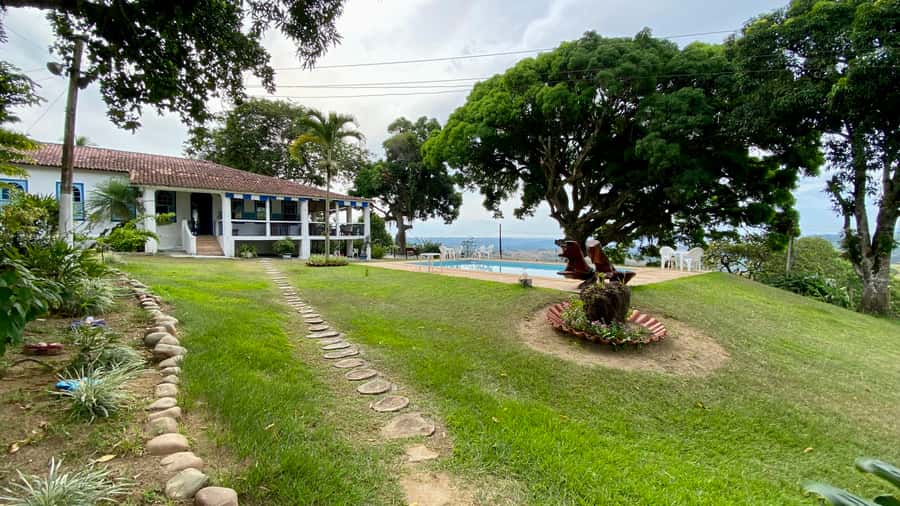
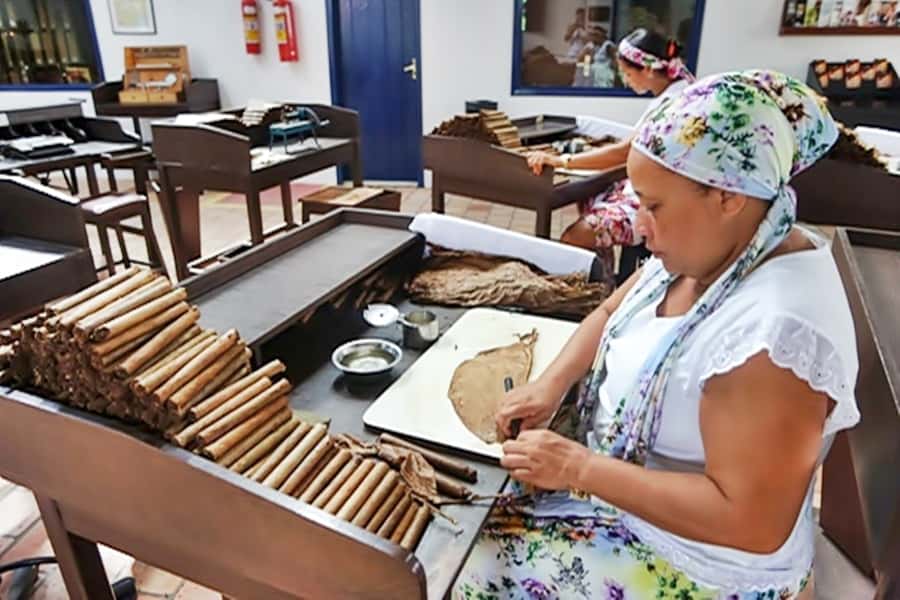
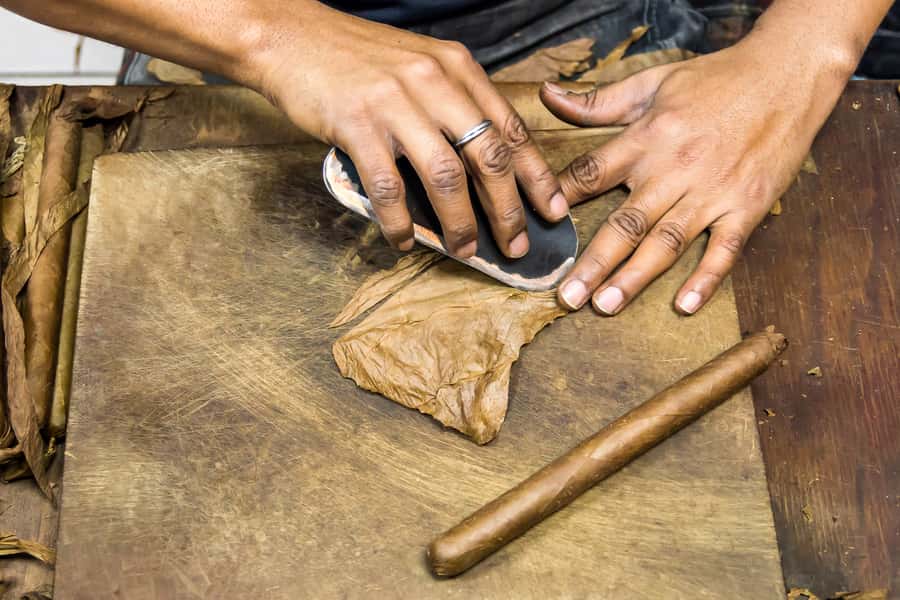
The final major attraction is the Dannemann Cigar Factory. Here you can see cigars being made and hand-rolled, giving the day a practical look at a regional craft.
This is a useful counterpoint to the churches and colonial streets. Instead of only looking backward, you see a tradition being carried out through skilled manual work. The factory visit also adds an economic angle to the trip, showing how the Recôncavo’s identity is connected not only to faith and architecture but also to production.
The information provided does not specify the length of the factory visit, whether a purchase is expected, or whether smoking is part of the experience. If you do not smoke, you can still appreciate the workmanship, but you may find this stop less interesting than Cachoeira’s cultural sites.
The cigar factory is also one reason the tour feels broader than a simple historic-town excursion. You get architecture, religious history, food, countryside, and local manufacturing in one day.
What the guides add to the experience
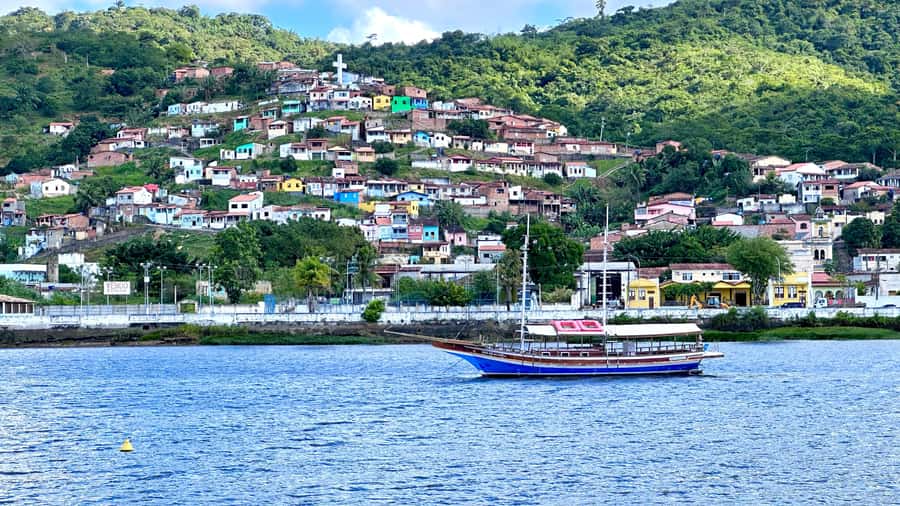
The quality of the guide matters a great deal here because the towns are best understood through explanation. Guide Wilson has a background as a history professor, speaks excellent English, and is known for keeping the day light with humor. If he is assigned to your group, you can expect a guide who can connect individual buildings and customs to the larger story of Bahia.
Jean Luis is another name associated with the experience. He has lived in France and speaks French fluently, including the humor and conversational tone that can make a long day easier for French-speaking visitors. One detailed account also praised his explanations and smooth driving.
The driver mentioned by name is Adriana. Her careful driving is especially relevant because the trip includes Salvador traffic and a long road journey. You may not receive the same guide or driver, since assignments can vary, but the names give you a useful sense of the service style to ask for when booking or confirming.
Languages offered are English, Spanish, French, Portuguese, and Italian. That is a real advantage on a tour built around history and religion. The private group format should also make it easier to ask questions or adjust the pace within the planned schedule.
Transport, timing, and the real value of $220
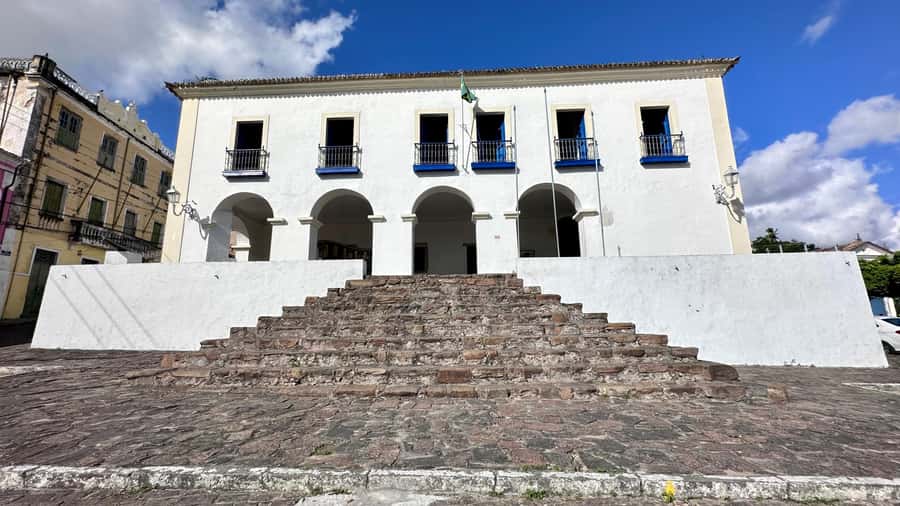
At $220 per person, this is not a budget bus outing. The value depends on how much you want handled for you. The price includes round-trip hotel transportation, an air-conditioned coach, a professional guide, lunch, and entrance fees. For a full private day with several stops, those inclusions make the price easier to justify.
You are also paying for the time saved by not arranging separate transport to Santo Amaro, Cachoeira, and São Félix. The Recôncavo is not a simple public transport day trip for someone who wants several stops, a farm lunch, and a factory visit in one schedule.
The private format is important. If you dislike large groups or want to ask frequent questions, it can make the day more comfortable. The minimum booking is two people, so solo visitors cannot reserve it alone under the stated terms.
The tradeoff is the road time. You will spend part of the day traveling between Salvador and the Recôncavo, and the itinerary is fairly full. The tour is not designed for lingering in one town, extended shopping, or an unhurried lunch. Think of it as a structured regional overview.
Hotel pickup and drop-off are included, with pickup at the hotel lobby. Starting times depend on availability, and the normal duration is about eight hours, though the actual day may run to eight or nine.
Who should book this day trip
I would recommend it to you if you want:
- A guided introduction to the Recôncavo outside Salvador
- Colonial architecture with cultural and religious context
- A private group instead of a large shared excursion
- A full day with lunch and transportation already arranged
- A guide who can work in your language
- A mix of town walks, countryside, food, and craft production
It suits curious first-time visitors who want to understand Bahia beyond Salvador’s historic center. It also works well for couples, families, or small groups that value a private vehicle and a flexible conversation with the guide.
I would be more cautious if you want a slow day. There are several stops, and the route covers a fair distance. You should also reconsider if uneven cobbled streets are difficult for you or if you are specifically seeking an accessible excursion.
The accessibility information needs special care. One part of the booking information describes the activity as wheelchair accessible, while the important notes say it is not wheelchair accessible and not suitable for wheelchair users. Because the itinerary includes cobbled streets and older historic sites, wheelchair users should verify the current arrangements directly before paying.
Booking, cancellation, and practical details
You can cancel up to 24 hours in advance for a full refund, and the reserve-now, pay-later option gives you some flexibility. Minimum numbers apply, so the operator can cancel after confirmation if too few people are booked. In that case, you are offered an alternative or a full refund.
Bring comfortable walking shoes, sun protection, and some money for drinks. The tour includes a buffet lunch, but beverages are not included.
The overall rating is 4.8 from 18 reviews, with especially strong praise for the guides’ language skills, humor, historical explanations, and calm driving. The most useful names to remember are Wilson, Jean Luis, and Adriana, though guide and driver assignments are not guaranteed.
Should you book the Cachoeira day trip?
Book it if your goal is to understand Bahia’s regional culture, not simply collect another town visit. The combination of Cachoeira’s churches and Afro-Brazilian religious history, Santo Amaro’s market, the bridge into São Félix, a farm buffet, and cigar making gives you a fuller picture of the Recôncavo than a short independent stop would.
Skip it if you want a beach day, nightlife, or a slow morning. The $220 price makes the most sense for two or more people who value private transport, a multilingual guide, and a carefully arranged full-day route. For the right visitor, it is a strong way to trade Salvador’s city rush for Bahia’s older towns and countryside.
FAQ
How long is the Cachoeira day trip from Salvador?
The tour lasts about eight hours, though the full day may take eight to nine hours depending on the schedule.
Where does the tour begin and end?
Pickup and drop-off are provided at your hotel in Salvador. Pickup is at the hotel lobby.
Is lunch included?
Yes. A buffet lunch at a farm is included. Drinks are not included.
Which towns does the tour visit?
The route includes Santo Amaro, Cachoeira, and São Félix.
What happens in Santo Amaro?
You have about one hour for a photo stop, guided visit, sightseeing, walking, and views of the town and surrounding countryside. The visit includes the public market and colonial-era buildings.
How much time is spent in Cachoeira?
The Cachoeira stop lasts about two hours and includes a guided walk, sightseeing, shopping time, and photo stops.
Does the tour visit a cigar factory?
Yes. The route includes the Dannemann Cigar Factory, where you can see cigars being made and hand-rolled.
What languages are available?
Live guides are available in English, Spanish, French, Portuguese, and Italian.
Is this a private tour?
Yes. It is offered as a private group experience, and at least two people are required per booking.
Is the tour wheelchair accessible?
The provided information is inconsistent. One section describes the activity as wheelchair accessible, but the important notes say it is not wheelchair accessible and not suitable for wheelchair users. Confirm directly before booking if accessibility is important to you.
Just added around Salvador
- Salvador: Schooner Cruise with Pickup and Itaparica Stop★ 3.8 · 5 reviews
- Salvador: Walking Tour Through Pelourinho★ 5.0 · 49 reviews
- Salvador: Cultural Treasure – Samba de Roda.★ 4.9 · 51 reviews
- Salvador: Traditional Drumming and Percussion Workshop★ 4.4 · 10 reviews
- Salvador: CAPOEIRA CLASS – CULTURAL★ 4.6 · 13 reviews
- Salvador: Cultural Night of Capoeira, Samba, and Drumming★ 4.9 · 17 reviews
- Salvador: 4-Hour Candomblé Mysteries Tour★ 4.3 · 34 reviews
- Salvador: Capoeira Class at Mestre Bimba’s 1st Ever School.★ 4.9 · 34 reviews
Waterfall Tours, compared.
Tijuca Forest Small Group Hike to Caves and Waterfalls
Read our review →
Jungle Waterfalls and Cachaça Distillery Jeep Tour
Read our review →
Iguassu Waterfalls: 1 Day Tour Brazil and Argentina’s sides
Read our review →
Hiking in the Tijuca Forest : Waterfalls and Caves
Read our review →
Garganta do Céu and Waterfall hike in Pedra da Gávea
Read our review →Browse the lists this tour appears in