
Reviewed · SAMBA SHOWS
Rio de Janeiro: Historical Downtown and Lapa Walking Tour
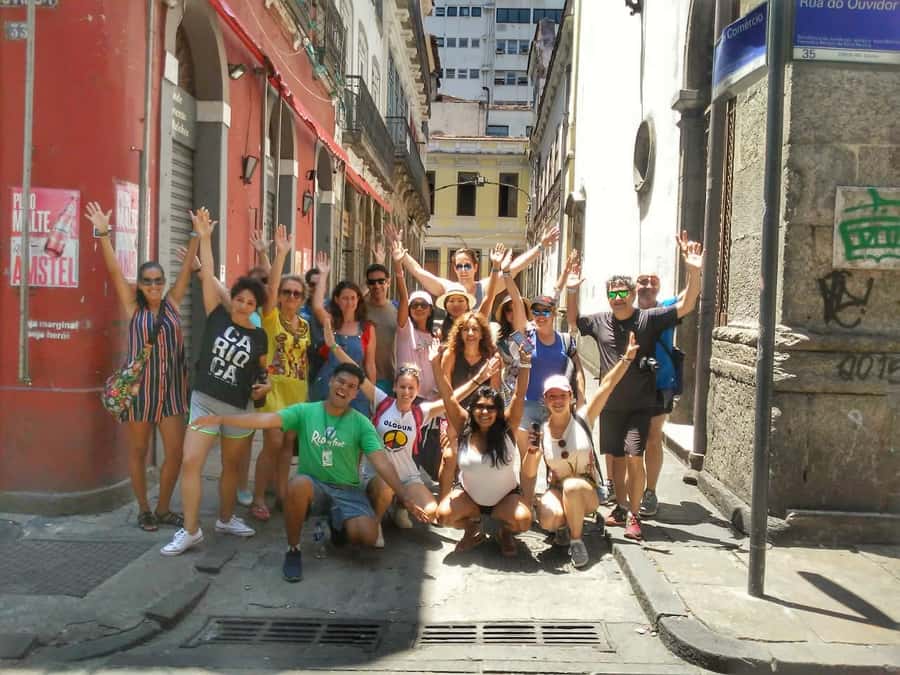
Rio’s downtown tells a different story from the beach postcards. In three hours, you move from Theatro Municipal in Cinelândia through old royal buildings, churches, public institutions, and Lapa, seeing how modern Rio sits beside its colonial and imperial past. The walk brings you close to ordinary city life, not just the famous photo stops.
I like the small groups of up to 10 people, which leave room for questions and occasional route changes. I also like the practical local advice built into the walk, from good places for photos to restaurants and evening spots for samba and caipirinhas. The main consideration is that downtown does not offer a major landmark at every turn, and one guide’s strong accent made the English commentary hard to follow for one participant.
In This Review
- Key points at a glance
- Why Rio’s center deserves your time
- Beginning in Cinelândia at Theatro Municipal
- The old cathedral and Rio’s religious past
- Imperial Palace and the court that moved to Rio
- The National Library and Rio’s public culture
- Lapa, local life, and the modern city
- A café pause at Colombo
- What the three-hour format feels like
- Is the $60 price fair?
- Who should book this walk?
- Should you book the Historical Downtown and Lapa Walk?
- FAQ
- Where does the Rio historical downtown and Lapa tour meet?
- How long does the walking tour last?
- Which languages are available?
- What buildings can I visit inside?
- How large is the group?
- What should I bring, and does the tour run in bad weather?
Key points at a glance
- Start at Theatro Municipal: Meet in Praça Cinelândia, one of central Rio’s best-known public squares.
- Three important interiors: Visit the old cathedral, Imperial Palace, and National Library.
- History with a local angle: Hear about kings, queens, emperors, freedom fighters, and revolutionaries while also seeing present-day Rio.
- A useful first-day walk: The tour helps you understand the city before choosing restaurants, photo spots, or nightlife areas.
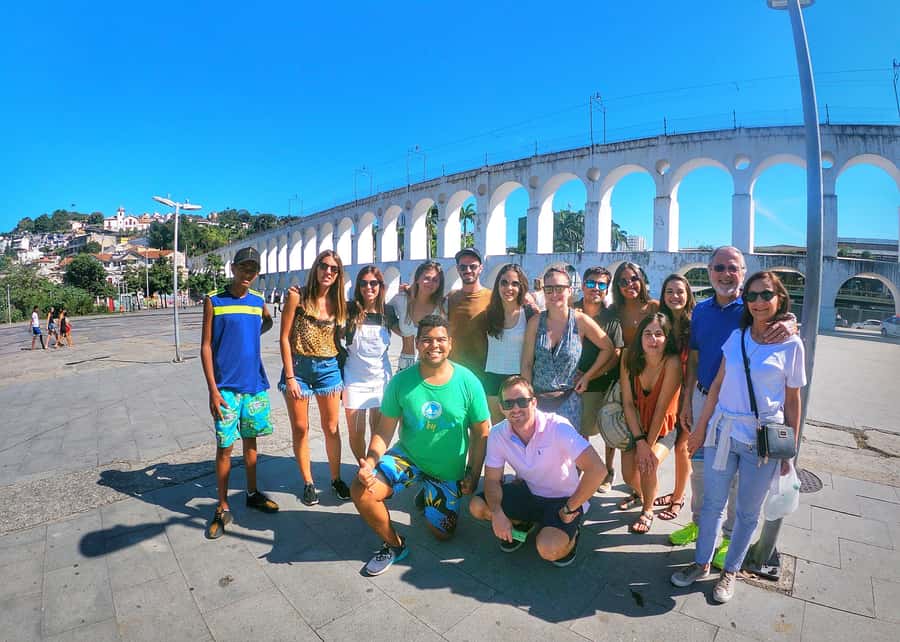
- Small international groups: Tours run in English, Portuguese, or Spanish, with no more than 10 participants.
- Rain-or-shine planning: Wear comfortable shoes and prepare for a full outdoor walk in changing weather.
Why Rio’s center deserves your time
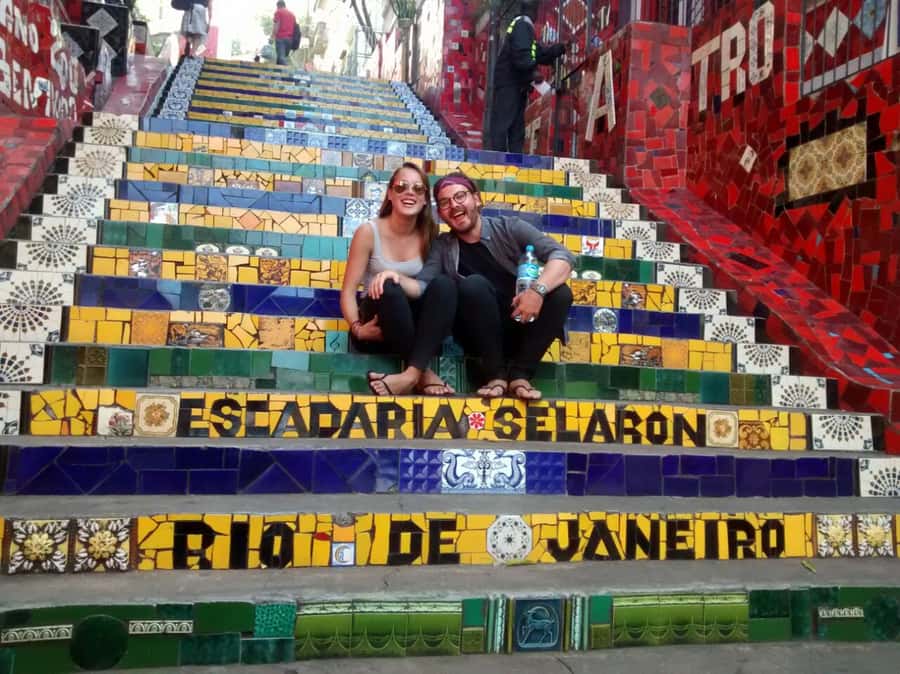
Rio is often sold through its beaches, mountain views, and famous Christ statue. Those sights matter, but they do not explain how the city became Brazil’s political and cultural center. The downtown walk supplies that missing piece.
You will see a side of Rio shaped by royal government, the imperial court, public institutions, religion, and political change. The city’s architecture reflects those layers. Older buildings recall European court life, while newer structures and busy streets show the modern capital that grew around them.
This is why I see the tour as a good first experience in Rio. You are not only checking off buildings. You are learning how the historic center fits into daily life now, which can make the rest of your stay easier to understand.
The tour lasts three hours and covers the route on foot. That is long enough to create a clear story without taking an entire morning or afternoon away from the beach, museums, or viewpoints. It is also short enough for many people to add another activity afterward.
More samba shows in Rio De Janeiro:
- Rio de Janeiro: Beginner Samba Lesson in Ipanema
★ 4.9 · 1,071 reviews - Rio: Pub Crawl in Lapa with Cachaça Tasting and Live Samba
★ 4.7 · 881 reviews - Rio: Carnival Backstage Tour at Samba City with Cocktail
★ 4.6 · 520 reviews
Beginning in Cinelândia at Theatro Municipal
The meeting point is in front of Theatro Municipal in Praça Cinelândia. This gives the tour a strong beginning, since the square brings together grand civic architecture and the movement of central Rio.
You should arrive ready to walk rather than expecting a coach or transfer between sights. The guide leads the group from the square into the historic center, explaining the changes that shaped Rio over the centuries.
The opening section is especially useful if you are still getting your bearings. You can ask where to find good restaurants, which areas work for evening drinks and samba, and where to look for a memorable photograph. The guide also offers a chance to discuss the city beyond the standard beach circuit.
The meeting point is clear in broad terms, but you should confirm the exact location and keep the provider’s phone contact available. One participant specifically found the meeting instructions and phone access less precise than ideal. In a busy square, that small detail can matter.
The old cathedral and Rio’s religious past
An interior visit to the old cathedral forms one of the tour’s more meaningful stops. You are not limited to looking at a façade while the guide speaks outside. Going indoors gives you a better sense of the building as a working religious space and places Rio’s history in a human setting.
The guide connects the cathedral with the city’s older chapters, including the period of kings, queens, and emperors. This helps explain why Rio’s historic center can feel more like an old European court than a typical modern South American business district in certain places.
The exact pace inside depends on the group and local conditions, but the stop should add variety to the walk. After time on public streets, a quieter interior can give your feet a short break and let the historical discussion settle.
You should remember that this remains a walking tour, not a specialist architecture lecture. The value comes from seeing several parts of the city together and hearing how they connect, rather than spending a long time on one monument.
Imperial Palace and the court that moved to Rio
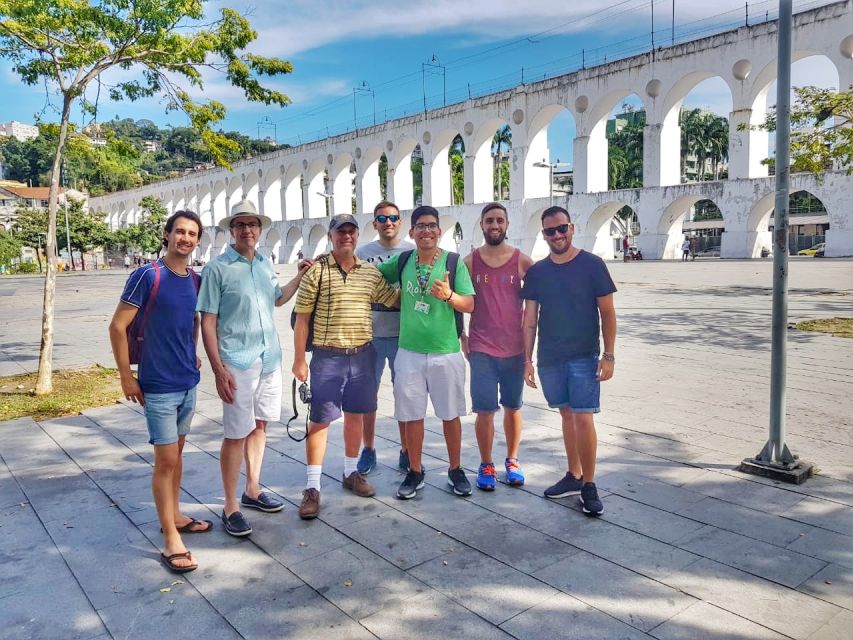
The Imperial Palace is another major stop, and the interior visit gives the tour a stronger sense of place. Rio’s royal and imperial past is central to understanding why the city gained such impressive civic and cultural buildings.
The guide discusses the people and events linked to Brazil’s court, including emperors and the political changes that followed. You will hear about freedom fighters and revolutionaries as well, so the story is not limited to official rulers and grand rooms.
I like this balance. A historic center can become a parade of dates and famous names, but the tour aims to show how power changed the city and how different groups contested that power. The result should feel more connected to real life than a simple list of architectural facts.
The palace also provides a useful contrast with the streets outside. You may notice how formal the older institutions appear beside modern traffic, shops, offices, and the ordinary rhythm of downtown. That tension between old and new is one of the central themes of the walk.
A few more Rio De Janeiro trips to weigh up
- Rio de Janeiro: Historic Rio and Santa Teresa Half-Day Tour
★ 4.4 · 228 reviews - Rio de Janeiro: Little Africa Heritage Walking Tour
★ 4.9 · 177 reviews - Explore Little Africa : Unveiling Afro Heritage in Rio de Janeiro
★ 5.0 · 97 reviews - Learn the History of Rio with an Unforgettable City Center Walking Tour
★ 5.0 · 82 reviews
The National Library and Rio’s public culture

The National Library adds another layer to the itinerary. Its inclusion shifts the story from government and religion toward education, books, and public culture.
Your guide explains the importance of the building and its place in Rio’s development. The interior visit makes this more than a quick exterior stop, although the time available is still limited by the three-hour schedule.
This is a good point to pay attention to the guide’s storytelling style. The strongest part of the experience is the explanation connecting buildings to events and daily life. Several participants rated the tour highly for its interesting facts and clear coverage of the city’s transformation across centuries.
English delivery can vary by guide. One participant found a strong accent difficult to understand at times, while another praised the guide’s excellent English. If you are booking in English and comprehension is a concern, listen closely at the start and ask questions when needed. The tour is also offered in Portuguese and Spanish.
Lapa, local life, and the modern city
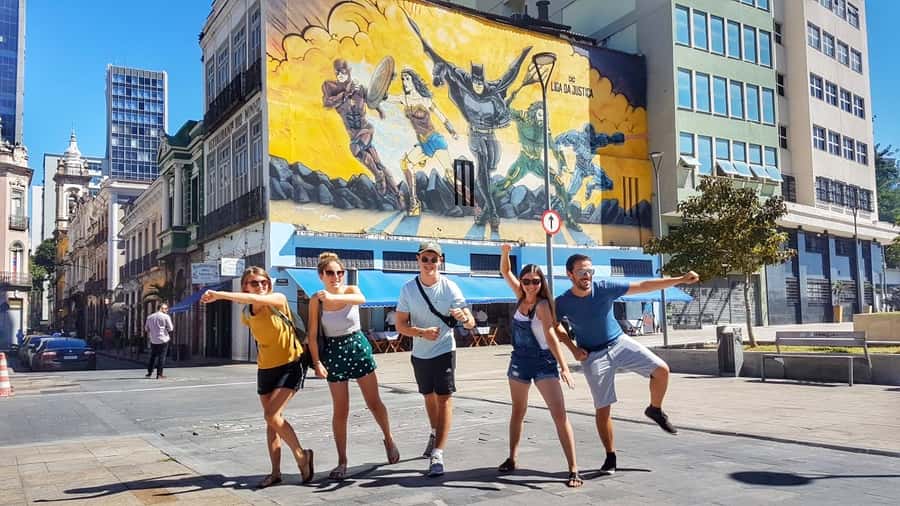
The route includes Lapa, an area closely tied to Rio’s evening culture and samba. The tour presents it as part of the living city rather than a frozen historic quarter.
This is where the experience moves beyond architecture. You see people going about their day, pass through streets used by locals, and hear practical suggestions for returning later. Your guide can point you toward areas for dancing samba, drinking caipirinhas, or finding a meal.
The tour does not promise a separate nightlife outing, so do not book it expecting entertainment after dark. Instead, think of Lapa as an introduction. You learn how the area fits into Rio’s social life, then decide if you want to return on your own.
That local connection is one of the strongest reasons to choose this walk. A guide can point out places you might miss while following a map, especially when the value lies in small details, local context, and knowing what is worth revisiting.
A café pause at Colombo

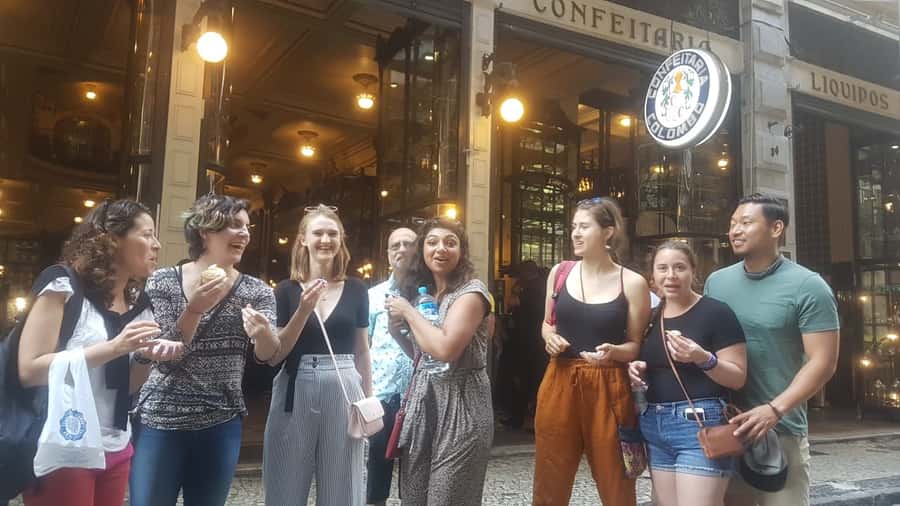
A well-timed stop at Colombo Café can break up the walk. The café provides a chance to rest, take in another historic setting, and enjoy a pause before continuing through the center.
Food or drink details are not specified as part of the price, so plan to pay for anything you order yourself. Still, the stop matters even if you only use it to sit for a moment. Three hours on foot feels much easier when the route has a natural pause.
It also gives you a chance to ask the guide more personal questions. You can discuss where to eat, which neighborhoods suit an evening out, and how to plan the rest of your time in Rio. Those conversations may be as useful as the formal explanations.
What the three-hour format feels like
The pace is described as easy walking, but you should still wear comfortable shoes. You will spend most of the experience outdoors, moving between public squares, streets, and historic buildings.
Because the tour runs rain or shine, check the forecast and bring suitable protection. A light rain can change the feel of a walking route, especially when there is no vehicle waiting to move you indoors. The activity is not suitable for people with mobility impairments, and anyone who finds extended walking difficult should choose a different way to see downtown.
A three-hour schedule also means the guide must keep the story moving. You will receive a broad account of Rio’s history rather than a detailed study of every building. That is a fair trade for a first visit, but history enthusiasts who want long interior visits may find the time limited.
The group size helps. With no more than 10 participants, questions are easier than on a large city tour, and the guide may have more flexibility. One booking became an exclusive walk with only the guide and one participant, allowing route changes and extended answers. That level of customization is possible, but it should not be treated as guaranteed.
Is the $60 price fair?
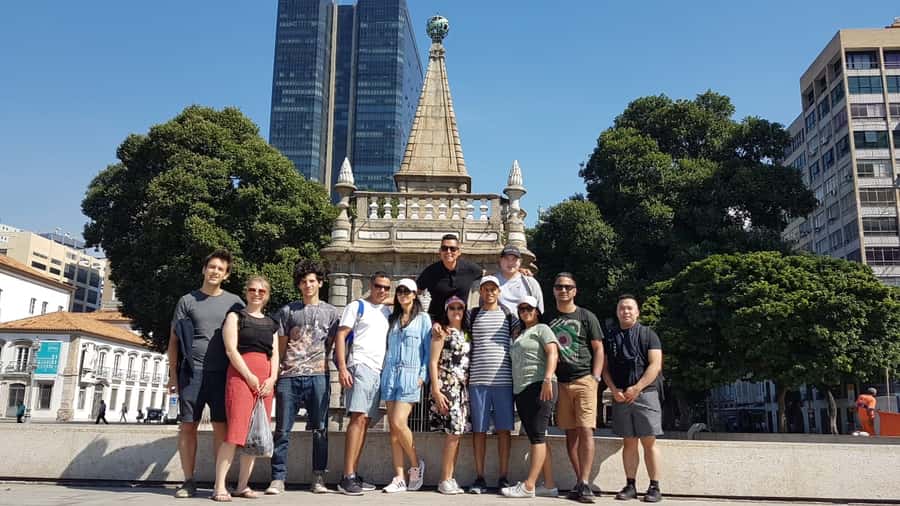
At $60 per person, this is not the cheapest way to walk around downtown. You are paying for a live guide in a small group, access to three interiors, and a structured explanation of places that can be difficult to understand on your own.
The price makes the most sense if you want context. You could pass the cathedral, palace, and library independently, but you might not understand how they connect to royal government, political change, and Rio’s daily life.
It is also useful for a first day or two in the city. Advice about restaurants, photo spots, samba, and evening areas can help you make better choices afterward. If you already know central Rio well, or mainly want to take photographs at your own pace, the value is less clear.
The average score is 4.4 out of 5 from 32 ratings, with especially strong praise for the guide’s facts, historical explanations, and ability to show places people might not find alone. The weaker points are also practical: some participants felt central Rio had fewer major attractions than expected, and English accents may occasionally affect clarity.
Who should book this walk?
I would choose this tour if you are visiting Rio for the first time and want a compact introduction to the city’s older core. It suits curious visitors who enjoy architecture, political history, local stories, and walking through an active city rather than moving only between famous viewpoints.
It is also a good match for people who like to ask questions. The guides are described as passionate about Rio, and the small format gives you a better chance to discuss food, photographs, nightlife, and changes to the route.
You may want to skip it if your priority is beach time, panoramic views, or a short list of spectacular monuments. Downtown is historically important, but it does not offer a major highlight at every stop. The experience rewards attention and context more than quick visual thrills.
Should you book the Historical Downtown and Lapa Walk?
Book it if you want Rio to become more than a collection of postcard sights. The old cathedral, Imperial Palace, National Library, Cinelândia, Lapa, and Colombo Café create a useful three-hour framework for understanding the city.
Go with realistic expectations. This is a rain-or-shine walk, not a luxury tour, and the historic center can feel uneven in its attractions. But for a small group, a flexible guide, interior visits, and practical local advice, $60 is a reasonable price for a first look at Rio’s past and present.
FAQ
Where does the Rio historical downtown and Lapa tour meet?
The meeting point is in front of Theatro Municipal in Praça Cinelândia, in central Rio de Janeiro.
How long does the walking tour last?
The tour lasts three hours. Starting times vary, so you should check availability when booking.
Which languages are available?
The tour is offered in English, Portuguese, and Spanish.
What buildings can I visit inside?
The tour includes interior visits to the old cathedral, Imperial Palace, and National Library.
How large is the group?
The group is limited to 10 participants. In some cases, the tour may operate with fewer people, including a private-style experience with one participant and one guide.
What should I bring, and does the tour run in bad weather?
Bring comfortable shoes. The walk operates rain or shine, and it is not suitable for people with mobility impairments.
More Walking Tours in Rio De Janeiro
- Rio de Janeiro: Rocinha Favela Walking Tour with Local Guide
★ 4.8 · 3,052 reviews - Rio De Janeiro: Half-Day Rocinha Favela Walking Tour
★ 4.7 · 2,272 reviews - Sunrise and Sunrise Walk Two Brothers with Local Guide
★ 5.0 · 193 reviews - Rio’s city walking tour: a glimpse of history and olympic legacy
★ 4.5 · 78 reviews
Just added around Rio De Janeiro
- Vidigal Favela Tour★ 4.4 · 26 reviews
- Hang gliding flight in Rio de Janeiro★ 5.0 · 6 reviews
- Rio de Janeiro: Zip Lining and Canopy Tree Tour★ 3.3 · 6 reviews
- Rio de Janeiro: Attend a Vasco da Gama game with local guide★ 4.8 · 9 reviews
- Unforgettable Boat Party★ 5.0 · 3 reviews
- Tijuca Forest Hike – Waterfalls & Caves, Nature & Wild Life!★ 5.0 · 51 reviews
- Rio Highlights: Christ, Sugarloaf, and More in a Private Tour★ 5.0 · 36 reviews
- Tijuca Forest w/ Chinese View,cascatinha Taunay,horto waterfall and parque laje★ 4.5 · 29 reviews
Samba Shows, compared.


Pub Crawl in Lapa with Cachaça Tasting and Live Samba
Read our review →
Carnival Backstage Tour at Samba City with Cocktail
Read our review →
Santa Teresa, Lapa, and Cinelândia with Tram Ride and Selarón Steps
Read our review →


Ginga Tropical – Brazilian Samba and Folklore Show
Read our review →
Pedra do Sal: Live Samba Night with Local Guide & Drink
Read our review →Browse the lists this tour appears in