
Reviewed · HISTORICAL TOURS
Rio de Janeiro: Little Africa Heritage Walking Tour
Rio’s Little Africa is where Rio’s African story comes sharply into view. In two and a half hours, you move from the Rio Art Museum and Mauá Square to Pedra do Sal, the place closely linked with the birth of samba, then on to Valongo, one of the most serious and moving sites in the city.
I like the rooftop pause at the museum, where you can look over Mauá Square and Guanabara Bay while your guide sets the historical stage. I also like the tour’s focus on people, food, music, dance, and present-day racial issues, not just dates on a plaque. The main consideration is the heat: this is an outdoor walk, rain or shine, and you should be ready to walk for 150 minutes.
In This Review
- Key points to know before you book
- Why Little Africa belongs on your Rio schedule
- The rooftop beginning at the Rio Art Museum
- Morro da Conceição and the shape of the port district
- Largo de São Francisco da Prainha and Afro-Brazilian food
- Pedra do Sal, where samba found a home
- The Hanging Garden of Valongo
- Cais do Valongo, the final historical stop
- What the $40 price delivers
- Heat, rain, pace, and what to bring
- Which guide might lead your walk?
- Who should book this Little Africa walk?
- Should you book it?
- FAQ
- Where does the Little Africa Heritage Walking Tour start?
- How long does the tour last?
- What places does the tour visit?
- Is the tour available in English?
- What should I bring?
- Is hotel transportation included?
- Can I cancel the booking?
Key points to know before you book

- Start at the Rio Art Museum: Meet your guide in front of the museum five minutes before the tour begins.
- A serious history lesson: The walk explains Brazil’s colonial period, slavery, abolition, and the lasting effects on Afro-Brazilian life.
- Rooftop views included: You get a short break and broad views of Mauá Square and Guanabara Bay.
- Samba and food take center stage: Largo da Prainha and Pedra do Sal connect African traditions with Brazilian gastronomy and music.
- Guides bring different strengths: Past guides have included Luana, Nathalia, Ryane, Larissa, Marina, Eddie, Raquel, and others, with repeated praise for warmth, humor, and strong storytelling.
- Plan for sun and rain: Bring water, sunscreen, comfortable clothes, and good walking shoes.
Why Little Africa belongs on your Rio schedule
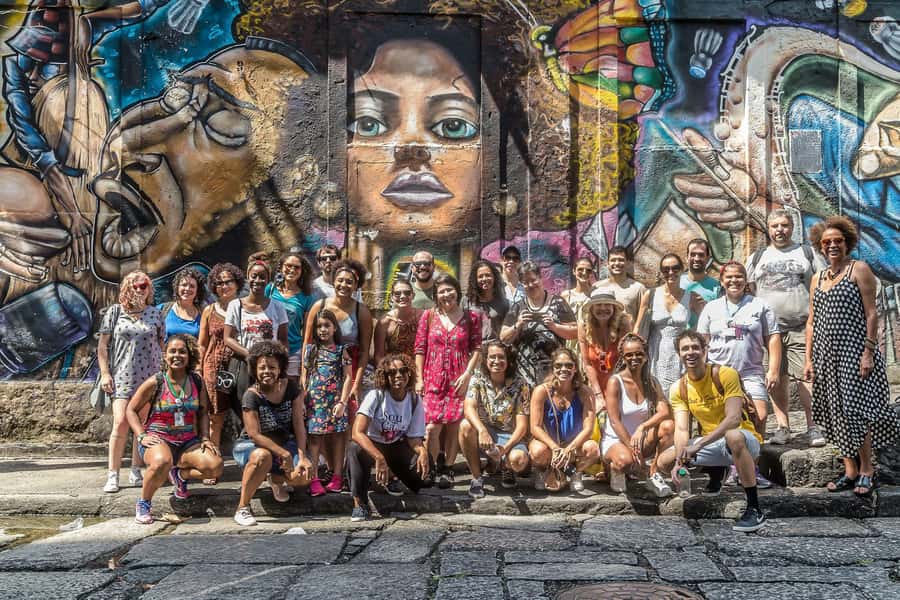
Most first visits to Rio focus on beaches, Sugarloaf Mountain, Christ the Redeemer, and nightlife. Those are worthwhile, but they do not explain how Brazil became the country it is. This walk gives you a needed historical frame.
The port neighborhoods became known as Little Africa around the turn of the 20th century. After Brazil ended the slave trade and later abolished slavery, many freed people remained in the area, working and building communities. Their influence shaped music, dance, religion, cooking, and social life in Rio.
That background matters because the places on this walk can look ordinary at first. A square, a staircase, a garden, or a waterfront site may not tell you what happened there. Your guide connects those places to the people who lived, worked, celebrated, and suffered there.
The tour has earned a 4.9 rating from 177 reviews, and the praise is remarkably consistent. The strongest theme is the guides’ ability to make difficult history clear without making the walk feel like a dry lecture. Luana, Nathalia, Ryane, Larissa, Marina, Eddie, Raquel, and several other guides have been singled out for passion, humor, patience, and care.
That personal touch matters. The subject includes slavery, structural racism, sexism, and the struggle to preserve Afro-Brazilian culture. You need a guide who can handle difficult questions with care. The strongest guide comments describe exactly that balance: engaging storytelling, thoughtful answers, and a willingness to connect past events with Brazil today.
A few more Rio De Janeiro trips to weigh up
- Rio de Janeiro: Historic Rio and Santa Teresa Half-Day Tour
★ 4.4 · 228 reviews - Explore Little Africa : Unveiling Afro Heritage in Rio de Janeiro
★ 5.0 · 97 reviews - Learn the History of Rio with an Unforgettable City Center Walking Tour
★ 5.0 · 82 reviews
The rooftop beginning at the Rio Art Museum
Meet your guide in front of the Museu de Arte do Rio, usually called MAR, at the start of the activity. Arrive five minutes early. The guide can wait only 15 minutes for late arrivals, so allow extra time to reach the port district.
The first section covers Brazil’s colonial period. Do not treat this as filler. It gives you the terms and timeline needed for the rest of the walk, especially when the discussion turns to the slave trade, abolition, and the lives of freed people.
You also get a 10-minute break at the museum. From the rooftop, you can look across Mauá Square toward Guanabara Bay. It is a useful orientation point: you see the port setting before walking through the nearby streets where the story unfolds.
The view is also a welcome practical pause. This is not a coach tour with long stretches of sitting. You are outside for most of the experience, and the short museum stop breaks up the walk.
Morro da Conceição and the shape of the port district
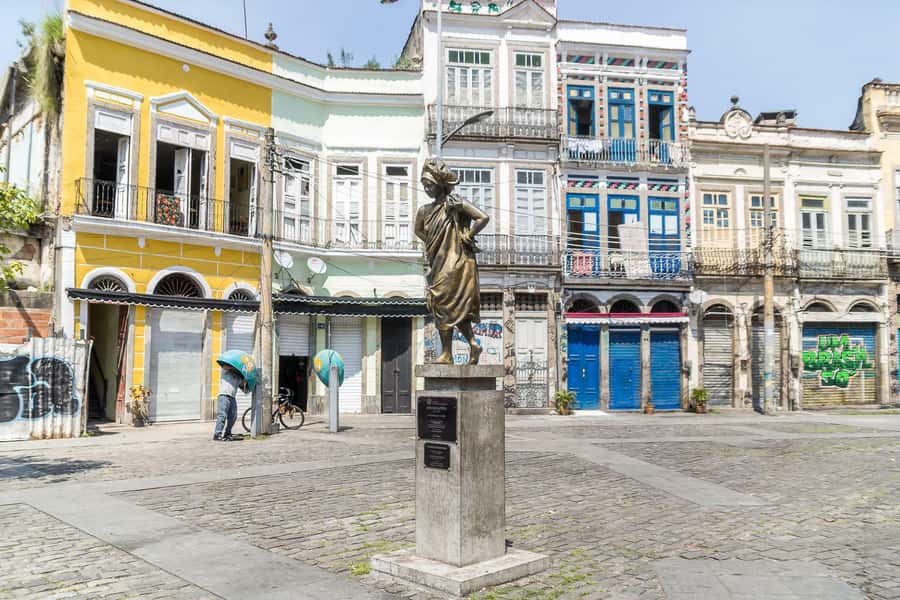
The walk continues toward Morro da Conceição, with about 20 minutes devoted to a guided visit and walking. This stop helps you understand the physical setting of the old port neighborhoods and how the area developed as a home for Black communities after the end of the slave trade.
You will be walking through an active part of Rio, not a preserved historical village. That is part of the value. The past is layered into the present, and your guide points out details that you could easily pass without noticing.
The experience is strongest when you listen closely and ask questions. Several guides, including Nathalia and Eddie, have been praised for encouraging discussion rather than simply reciting a script. You might hear the story presented through family connections, current examples, or broader links between Rio and the African diaspora.
That approach makes the tour useful even if you already know something about Brazil. One guide, Marina, has been described as both a native Carioca and a student of Afro-Brazilian history. Other guides have used humor, facial expressions, and short dramatic scenes to make the past easier to grasp.
Largo de São Francisco da Prainha and Afro-Brazilian food
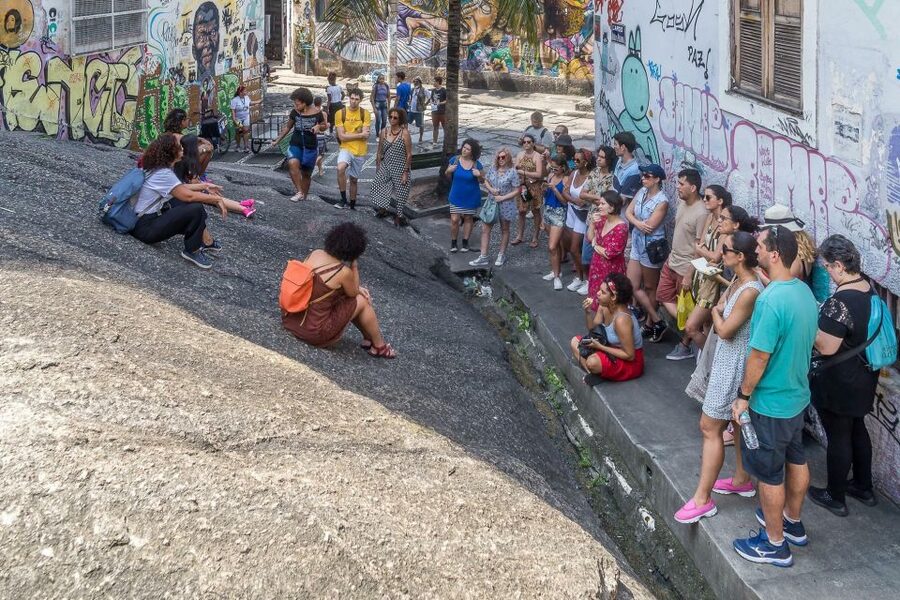
At Largo de São Francisco da Prainha, the tour spends around 20 minutes exploring African influence on Brazilian gastronomy. This is an excellent reminder that culture does not survive only in museums or monuments. It lives in what people cook, sell, share, and eat.
The stop is also one of the best places to connect history with daily life. The tour does not include lunch, but you may want to ask your guide for food suggestions nearby. Guides have recommended local places after the walk, and some participants have continued on to eat together.
One particularly useful tip is to consider adding lunch after the tour rather than rushing straight to another attraction. Past participants have enjoyed dishes such as bobó de camarão, a Brazilian shrimp stew, and other food in or near Little Africa. This is not part of the official $40 price, so budget separately if you want to make a meal of the afternoon.
The square also has a statue honoring Mercedes Baptista, a major figure in Brazilian dance. She was the first Black dancer at Rio’s Municipal Theater and a forerunner of Afro dance in Brazil. Her presence gives the walk another important dimension: you are not only learning about oppression, but also about achievement, creativity, and people who changed Brazilian culture.
Same city, a completely different kind of day:
- Rio de Janeiro: 6-Stop Highlights of Rio with Lunch
★ 4.4 · 5,157 reviews - Christ the Redeemer Entry Ticket by Corcovado Train
★ 4.4 · 4,476 reviews - Rio de Janeiro: Rocinha Favela Walking Tour with Local Guide
★ 4.8 · 3,052 reviews - Rio de Janeiro: Sugarloaf Cable Car Official Ticket
★ 4.6 · 2,873 reviews
Pedra do Sal, where samba found a home
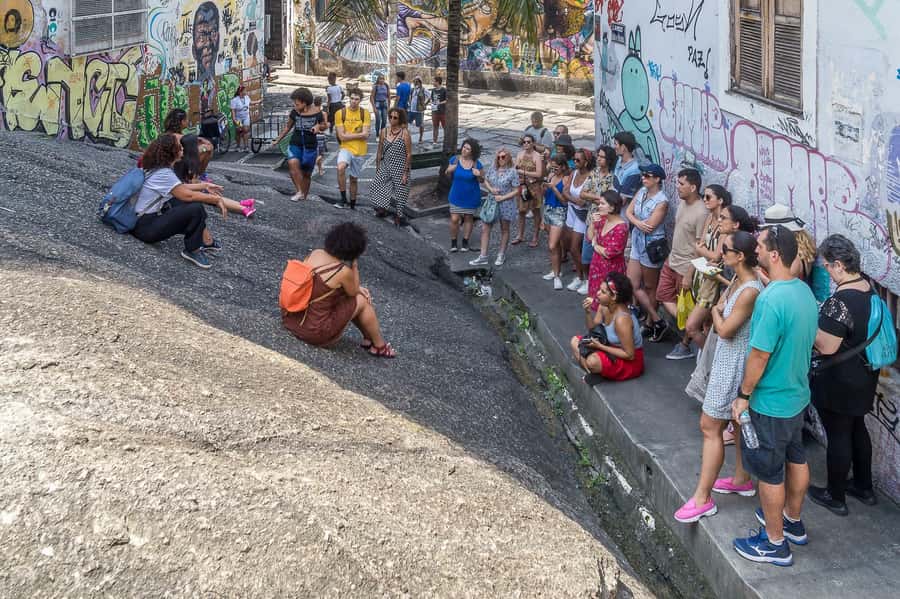
The next 20-minute stop is Pedra do Sal. It is widely regarded as the place where samba was born, and it is one of the walk’s most memorable cultural landmarks.
Your guide explains how the area connects African traditions, Black community life, and the development of samba in Rio. You are not simply being shown a scenic rock. You are being shown a place where music and social life grew out of a community shaped by displacement, labor, faith, and resistance.
Pedra do Sal is also described as the oldest continuously inhabited Black neighborhood in Brazil. That makes it more than a samba photo stop. It is a living place with a long connection to Afro-Brazilian identity.
Take time to listen here. The stop is scheduled for about 20 minutes, which is enough for explanation and questions but not for a long independent exploration. If music and Brazilian popular culture are your main interests, this may be the point where the tour feels most rewarding.
The walk also uses murals and public art to bring the subject into the present. One guide’s approach included cultural figures from the past and present, helping show how Afro-Brazilian identity continues to be represented and defended today.
The Hanging Garden of Valongo
The Jardim Suspenso do Valongo, or Hanging Garden of Valongo, comes next. The visit lasts about 20 minutes and adds a different mood to the day.
After the food, dance, and samba connections, the garden turns your attention back to the port’s painful history. Its importance is tied to the Valongo area and the history of enslaved Africans brought to Brazil. Your guide provides the meaning behind the site, which is essential because the physical remains alone cannot explain the full story.
Expect the tone to become more serious. This is not a quick scenic stop, and it should not be treated as one. The value comes from understanding how the port region functioned and why remembering it matters.
The tour’s subject can be emotionally heavy. One participant described the experience as moving to tears, while another called the history fascinating but horrifying. That range is worth keeping in mind. You will learn a great deal, but this is not a light sightseeing walk built only around pretty streets and photo opportunities.
Cais do Valongo, the final historical stop
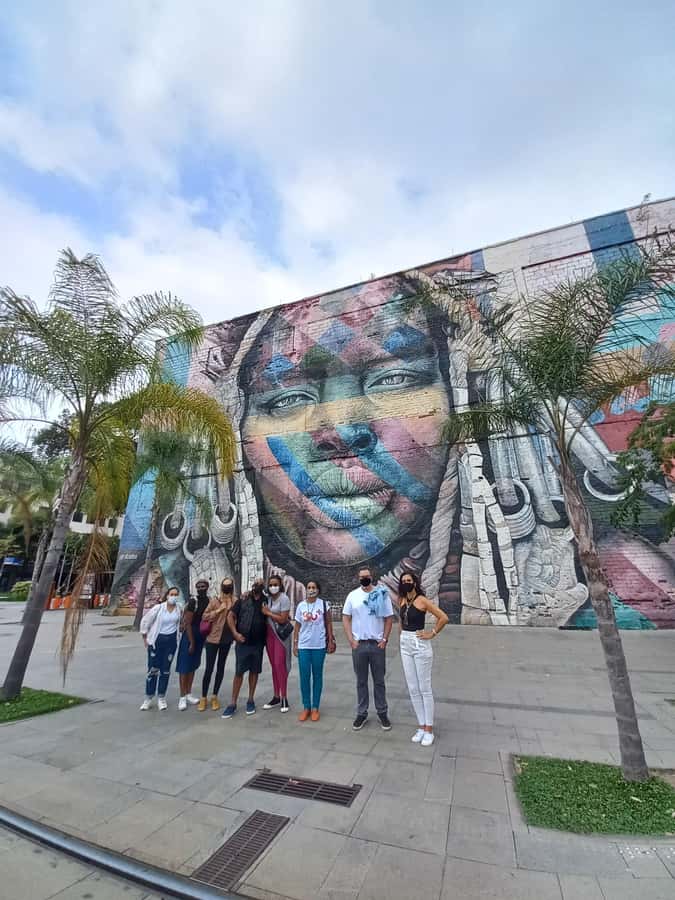
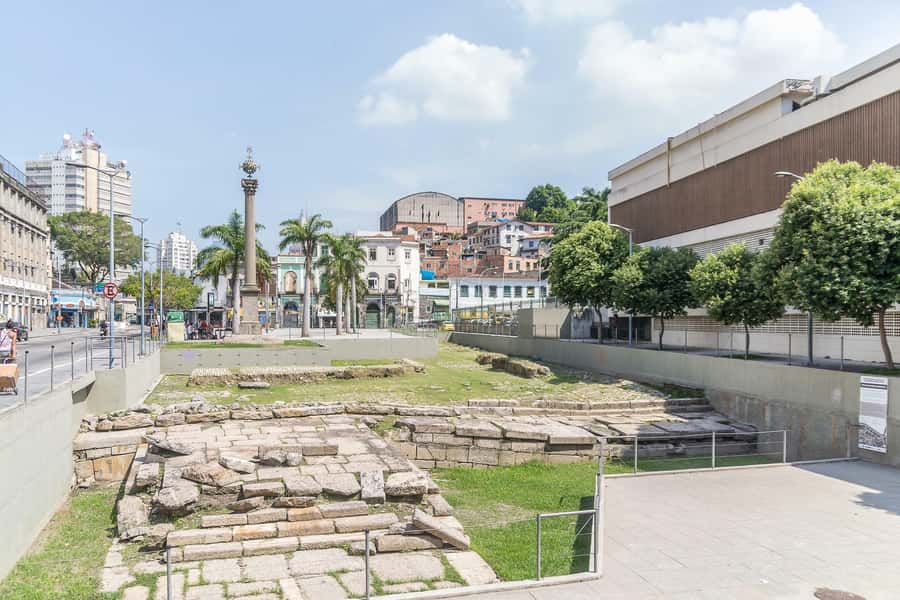
The walk ends at Cais do Valongo, with another 20-minute guided visit. This is the most direct encounter with the port’s connection to the transatlantic slave trade.
Your guide explains the site in relation to the colonial period, the arrival of enslaved Africans, and the later story of the community that remained in the port district. This is where earlier parts of the tour come together. The discussion of abolition, food, dance, neighborhood life, and samba no longer feels separate. Each thread belongs to the same long story.
The route details list Cais do Valongo as the final stop and also give the Rio Art Museum as the return point. Confirm the exact ending arrangement when you book, especially if you have a timed dinner or another activity afterward.
Do not expect hotel pickup or drop-off. You make your own way to the museum meeting point, and you should also plan your onward transport after the walk. Some guides have helped participants arrange a rideshare pickup after the tour, but that is a courtesy rather than an included transfer.
What the $40 price delivers
At $40 per person, this is a reasonable price for a 150-minute private-guide-style cultural walk, especially if the guide is as strong as the best guide reports suggest. You are paying for interpretation, not admission to a long list of attractions. The places themselves are mostly public streets, squares, outdoor sites, and viewpoints.
The value comes from the connections. Without a guide, you might see Mauá Square, Pedra do Sal, or Valongo and understand only a fraction of their meaning. A good guide turns a collection of locations into a clear story about Brazil and the African diaspora.
The price does not include food, hotel transfers, or a separate museum experience beyond the planned stop and rooftop view. If you want a meal afterward, add that to your budget.
The tour also offers free cancellation up to 24 hours before the start and a reserve-now, pay-later option. Those terms are useful if your Rio plans are still shifting, but check the booking conditions attached to your chosen date.
Heat, rain, pace, and what to bring
The walk takes place rain or shine. That is not a minor detail in Rio, where a sunny morning can turn wet, and summer heat can make a paved port walk tiring.
Wear comfortable shoes and light, comfortable clothing. Bring water and sunscreen. An umbrella or rain layer may also be sensible, though the official advice specifically highlights shoes, sunscreen, water, and comfortable clothes.
The route includes roughly 20-minute sections at several stops, plus the museum break. The pace is designed for walking and listening, not for racing between sights. Still, children under five are not suitable for this activity, and anyone who struggles with heat or prolonged outdoor walking should plan carefully.
English is the confirmed language in the activity details. The general inclusion information also mentions Portuguese, but the specific booking information says the tour is offered only in English. If you need Portuguese, confirm before paying.
Which guide might lead your walk?
You cannot assume a particular guide when booking, but several names appear repeatedly in the tour’s strongest feedback. Luana has been praised for kindness, energy, and care, including waiting with a participant for a rideshare. Nathalia has been noted for detail, humor, sensitivity, and helpful food recommendations.
Ryane has been praised for her passion and ability to explain slavery, samba, and present-day issues. Larissa has been described as warm and engaging, with a talent for asking questions that make the group think. Marina brings academic interest and local roots, while Eddie is often praised for his broad perspective and generous answers.
Other named guides include Raquel, Mariana, Luna, Razel, and Natalia. The important point is not to book because of one promised personality. Book because the tour’s guiding approach is clearly centered on discussion, cultural context, and personal connection.
Who should book this Little Africa walk?
I would choose this tour early in a Rio visit, especially if you want the city to make more sense beyond its postcard attractions. The historical context can shape the rest of your stay, including how you understand samba, Brazilian food, racial identity, and the port district.
It suits adults, older children who can handle serious history, solo visitors, couples, and anyone with a strong interest in African and Afro-Brazilian culture. It is also useful for visitors who have already taken a general Rio city tour and felt that Black history received too little attention.
I would not choose it if you want a relaxed sightseeing stroll with little discussion of slavery or racism. The subject is central, not incidental. I would also avoid scheduling it immediately before a formal dinner or airport transfer, since the outdoor heat, traffic, and uncertain end timing may leave you wanting a pause.
Should you book it?
Yes, if you want to understand Rio through the people and communities that helped create it. The rooftop view, Mercedes Baptista statue, Afro-Brazilian food story, Pedra do Sal, Hanging Garden of Valongo, and Cais do Valongo form a well-shaped route.
The strongest reason to book is the guiding. Names such as Luana, Nathalia, Ryane, Larissa, Marina, and Eddie come up for good reason: the walk depends on clear, heartfelt storytelling, and that is where this experience earns its $40 price.
Bring water, accept that the history may be difficult, and leave room for lunch afterward. If you want only famous sights, choose another tour. If you want a more honest understanding of Rio, this is one of the better uses of two and a half hours.
FAQ
Where does the Little Africa Heritage Walking Tour start?
The tour starts in front of the Museu de Arte do Rio, also called the Rio Art Museum. You should arrive five minutes before the activity begins.
How long does the tour last?
The walking tour lasts 150 minutes, or two and a half hours. The route includes a 10-minute break at the Rio Art Museum and several guided stops of about 20 minutes each.
What places does the tour visit?
The route includes Morro da Conceição, Largo de São Francisco da Prainha, Pedra do Sal, the Jardim Suspenso do Valongo, and Cais do Valongo. It also includes a rooftop view of Mauá Square and Guanabara Bay at the Rio Art Museum.
Is the tour available in English?
The specific activity information says the tour is offered only in English. The guide is live and English-speaking. General inclusion details also mention Portuguese, so confirm the language before booking if Portuguese is important to you.
What should I bring?
Bring comfortable walking shoes, sunscreen, water, and comfortable clothing. The tour runs rain or shine, so a rain layer may also be useful.
Is hotel transportation included?
No. Hotel pickup and drop-off are not included. You must make your own way to the Rio Art Museum and arrange transport afterward.
Can I cancel the booking?
You can cancel up to 24 hours before the activity for a full refund. A reserve-now, pay-later option is also available, allowing you to hold a place without paying immediately.
Just added around Rio De Janeiro
- Vidigal Favela Tour★ 4.4 · 26 reviews
- Hang gliding flight in Rio de Janeiro★ 5.0 · 6 reviews
- Rio de Janeiro: Zip Lining and Canopy Tree Tour★ 3.3 · 6 reviews
- Rio de Janeiro: Attend a Vasco da Gama game with local guide★ 4.8 · 9 reviews
- Unforgettable Boat Party★ 5.0 · 3 reviews
- Tijuca Forest Hike – Waterfalls & Caves, Nature & Wild Life!★ 5.0 · 51 reviews
- Rio Highlights: Christ, Sugarloaf, and More in a Private Tour★ 5.0 · 36 reviews
- Tijuca Forest w/ Chinese View,cascatinha Taunay,horto waterfall and parque laje★ 4.5 · 29 reviews
Historical Tours, compared.

Scenic Train ride to historical cities of Morretes and Antonina
Read our review →
From Foz do Iguazu: Triple Frontier Landmark Ticket
Read our review →
Explore Little Africa : Unveiling Afro Heritage in Rio de Janeiro
Read our review →
Downtown-Center History Walking Tour – in English
Read our review →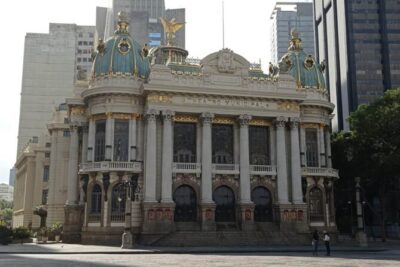
Learn the History of Rio with an Unforgettable City Center Walking Tour
Read our review →Browse the lists this tour appears in