
Reviewed · HISTORICAL TOURS
Sao Paulo: Downtown-Center History Walking Tour – in English
São Paulo reveals itself in layers on this three-kilometer walk, from the soaring curves of Oscar Niemeyer’s Copan Building to the Jesuit courtyard where the city was founded in 1554. The route ends in Liberdade, where Japanese immigration and São Paulo’s wider mix of cultures come together on the street.
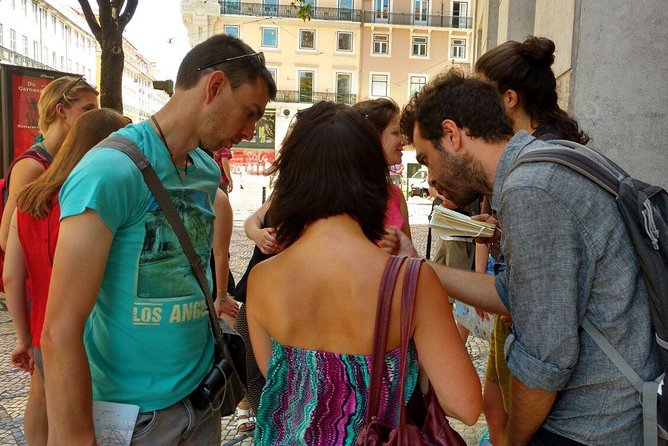
I like the small group limit of 10, which gives you room to ask questions instead of trailing behind a flag. I also like the way the walk connects buildings to bigger subjects: coffee wealth, urban growth, modern Brazilian art, immigration, protest, and the uneasy story of colonization. The main drawback is firm timing. The tour begins at 10:00 am, and the guide cannot wait for late arrivals, even if São Paulo traffic causes trouble.
In This Review
- Key points of the São Paulo center walk
- Why this route makes sense for a first São Paulo morning
- Starting beneath Edifício Itália at 10:00 am
- Copan’s sweeping modernist curves
- Records, manga, and the Gallery of Rock
- The Municipal Theatre and Brazil’s artistic break
- Coffee money in the Centro Cultural Banco do Brasil area
- Pátio do Colégio and the city’s difficult beginning
- Sé Cathedral at São Paulo’s symbolic center
- Ending among the lanterns of Liberdade
- What the two-hour format really gives you
- The guide and the small-group advantage
- Is $31.24 a fair price?
- Who should book this São Paulo walk?
- Final call: book it for context, not just sightseeing
- FAQ
- How long is the São Paulo Downtown-Center History Walking Tour?
- What time does the tour begin?
- Where does the tour start?
- Where does the tour finish?
- How many people can join the tour?
- Is the tour conducted in English?
- Is the tour suitable for most people?
- What happens if the weather is poor?
Key points of the São Paulo center walk
- Edifício Itália and Copan give you an immediate lesson in São Paulo’s dramatic vertical growth.
- The Municipal Theatre and 1922 Week of Modern Art show how Brazil pushed beyond European artistic models.
- Pátio do Colégio brings the city’s 1554 foundation into focus, including Jesuit and Tupi-Guarani histories.
- Sé Cathedral is more than a church stop, with a central role in public gatherings and protest.
- Liberdade ends the route on an immigration story, with Japanese influence, market food, lanterns, and multicultural streets.
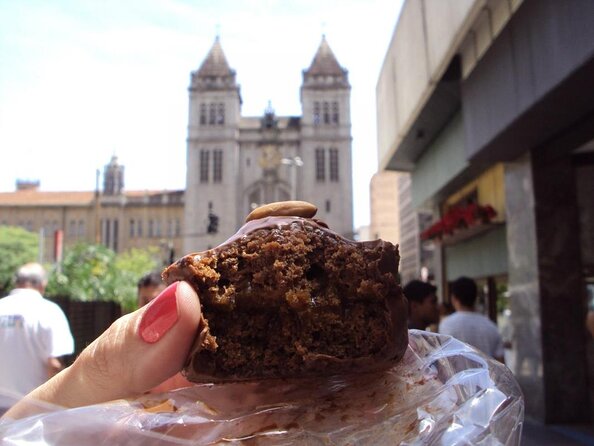
- Giuliano keeps the walk personal and practical, adding food, coffee, transport, and city suggestions along the way.
Why this route makes sense for a first São Paulo morning
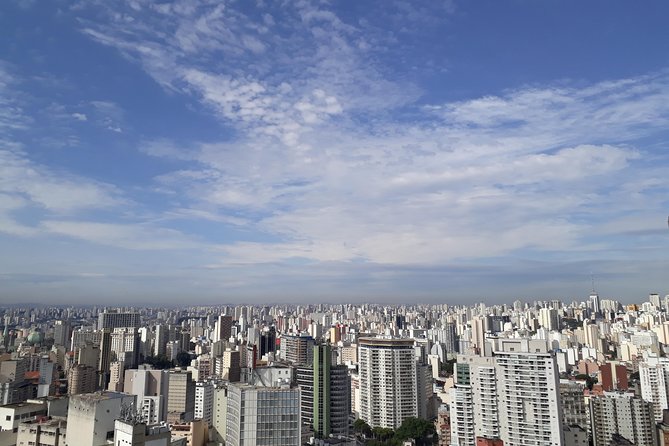
São Paulo can feel enormous and hard to read at first. This tour gives you a clear line through its center, moving from the newer downtown area toward the older core and then south to Liberdade. In two hours, you get architecture, politics, religion, migration, art, and street life without spending the day inside a museum.
The route is also useful because the stops are not treated as isolated sights. Edifício Itália introduces the city’s high-rise ambition. Copan shows how that ambition took a bold modernist form. The old bank buildings explain where some of the money came from, while Pátio do Colégio takes you back to the city’s colonial beginning.
I would book it early in a São Paulo visit. The guide offers practical ideas about food, coffee, getting around, and things to do afterward. One person used a theatre recommendation and a restaurant suggestion from Giuliano to shape the rest of the day, which is exactly the sort of useful local guidance you want at the start of a stay.
The tone is serious when the subject calls for it, but it is not a dry lecture. Giuliano has been praised for keeping the pace comfortable, leaving time for photographs and questions, and handling more than one language with ease. The scheduled tour itself is in English, so check the booking details if language is important to you.
A few more Sao Paulo trips to weigh up
- São Paulo: Downtown Historical Bike Tour
★ 4.9 · 191 reviews - Gastronomic Tour São Paulo – Culture & History Through The Art Of Food – Private
★ 5.0 · 50 reviews - Full Day Private Beach Tour Santos – Culture, History & Beach (Pickup São Paulo)
★ 5.0 · 47 reviews
Starting beneath Edifício Itália at 10:00 am
The meeting point is at Av. Ipiranga, 344, in the Centro Histórico de São Paulo. This puts you by Edifício Itália, one of the city’s best-known towers and a useful landmark in Centro Novo.
You begin with São Paulo’s mid-century push upward. The building was once the tallest in the city, and its presence helps explain the scale of the downtown core. This is not just a photo stop. It sets up the question running through the whole walk: how did a small colonial settlement become one of the largest cities in the Americas?
Arrive early. The start time is 10:00 am, and punctuality matters here. The tour operator sends a reminder and does not hold the group for late arrivals. A missed start can mean losing the full fee, so allow extra time for traffic and finding the meeting point.
Copan’s sweeping modernist curves
A short walk brings you to Edifício Copan, designed by Oscar Niemeyer. Its broad, curved form is one of São Paulo’s most recognizable pieces of modern architecture.
Copan reflects the optimism of the city’s great period of vertical growth, but also its disorder. São Paulo was reinventing itself at speed, and the building’s vast scale captures both the promise and the pressure of that change. You get a useful contrast with Edifício Itália: both represent a high-rise city, but they express very different ideas about style and movement.
The exterior is the main focus here, with time to look up, take photographs, and hear how Brazilian modernism differed from imported architectural fashions. If you enjoy buildings, this early part of the route may be the strongest section.
Records, manga, and the Gallery of Rock
The walk then turns toward the Gallery of Rock and nearby underground shopping corridors. These spaces shift the subject from monumental architecture to São Paulo’s everyday subcultures.
You might find vinyl records, antiques, manga, and other pop-culture items in these galleries. The point is not simply shopping. The area shows how the center continues to serve collectors, music fans, and smaller communities alongside the banks, offices, churches, and government buildings.
This is one of the stops that keeps the tour from becoming a parade of façades. You see a more current side of downtown, shaped by consumer culture, music, varied identities, and persistence. The 15-minute schedule at each listed stop means you should not expect a long browse through every shop, but you get a taste of the area and the chance to ask where to return later.
Same city, a completely different kind of day:
- São Paulo: Main City Sights in 7 Hours – Shared Group Tour
★ 4.9 · 587 reviews - São Paulo: City Highlights Guided Tour
★ 4.5 · 307 reviews - Private São Paulo City Tour
★ 4.8 · 264 reviews - From São Paulo: Santos, São Vicente & Guarujá Day Trip
★ 4.7 · 165 reviews
The Municipal Theatre and Brazil’s artistic break
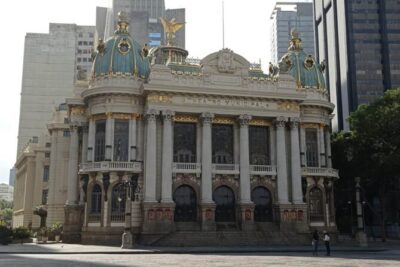
At theatro Municipal de São Paulo, the tour turns to culture and national identity. The building draws on European architectural models, but its importance is tied to a distinctly Brazilian artistic rebellion.
The theatre hosted the 1922 Week of Modern Art, a major moment when artists challenged old cultural rules and searched for forms that felt more Brazilian. Giuliano uses the setting to explain how Brazil could admire Europe while also pushing back against European ideas of what serious art should be.
This stop works best if you look beyond the ornate exterior. It is about a country deciding how to represent itself, not just about an attractive theatre. You will have time for photographs and an explanation of why the building matters.
Coffee money in the Centro Cultural Banco do Brasil area
Near the Centro Cultural Banco do Brasil, grand art déco façades point to São Paulo’s coffee boom. In the early 20th century, coffee wealth helped pay for infrastructure, cultural institutions, and the city’s image of progress.
That success came with sharp social contrasts. The elegant buildings suggest wealth and confidence, while the larger story includes unequal development and the reshaping of urban life. This is where the tour links architecture to economics in a way a quick independent stroll often misses.
The Centro Cultural Banco do Brasil itself is an important cultural address, but the walking tour’s emphasis is the surrounding architecture and the coffee-era story. If you hope to spend time inside cultural venues, plan a separate visit after the walk. The itinerary allows about 15 minutes here, not a full exhibition visit.
Pátio do Colégio and the city’s difficult beginning
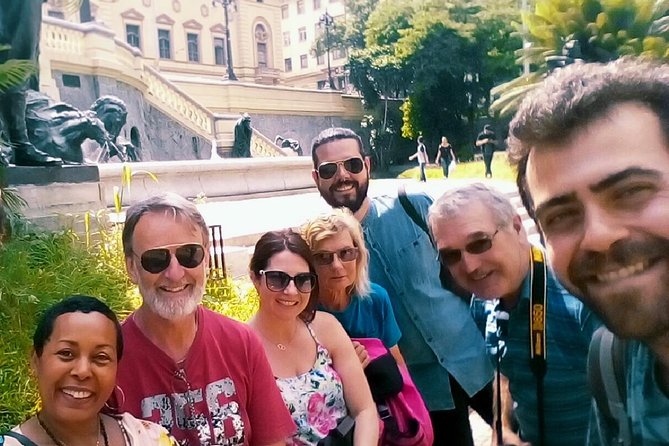
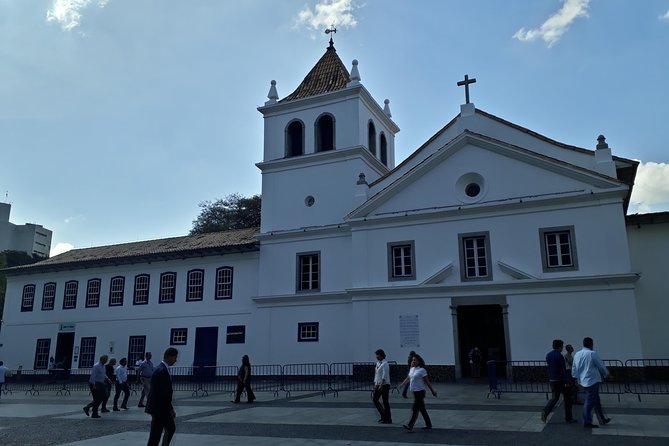
Pátio do Colégio marks the official foundation of São Paulo in 1554. Jesuit missionaries established the early settlement, and the site opens a discussion of the Tupi-Guarani peoples whose presence and role are essential to understanding the city’s origins.
This may be the most important historical stop because it complicates the usual founding story. The tour addresses colonization, resistance, religion, and power rather than presenting the Jesuits as the whole story. You get a reminder that the city was not created on an empty patch of land.
The plaza offers a pause from the taller buildings around it. It also helps you understand the route’s structure. São Paulo’s center contains colonial beginnings, coffee-era wealth, modernist ambition, and present-day street culture within a relatively short walk.
Sé Cathedral at São Paulo’s symbolic center
The Cathedral of Sé is the route’s grandest religious building. It is described as one of the world’s largest neo-Gothic churches and sits at a symbolic center point of the city.
The stop is not limited to architecture. Sé Cathedral has served as a place of gathering, public expression, protest, and civic identity. That makes it a good example of how a landmark can mean different things to different people. You can admire the scale and details while also hearing how the surrounding square functions in São Paulo’s public life.
The center deserves normal big-city awareness. One previous participant found the area less threatening than expected, but also stressed the need to stay alert. That is sound advice. Keep an eye on your belongings, stay with the group, and listen to the guide’s local guidance without letting exaggerated fears prevent you from seeing the area.
Ending among the lanterns of Liberdade
The walk ends at Praça da Liberdade, near the police base at Praça da Liberdade, 125. This is a practical finish because you can continue exploring, stop for food, or use public transport from the neighborhood.
Liberdade is known as the largest Japanese neighborhood outside Japan. Its lanterns, markets, and food streets reflect the impact of Japanese immigration, but the district also represents São Paulo’s wider multicultural character. The neighborhood has continued to change, and the tour presents it as part of the city’s ongoing redefinition rather than as a frozen ethnic quarter.
The street market is a particular draw. You can learn about produce and authentic foods found in the area, then return on your own if you want more time to eat or shop. Since the tour ends here, you do not need to backtrack to the starting point.
What the two-hour format really gives you
The tour lasts about two hours and covers roughly three kilometers. That is a reasonable distance for most people who are comfortable walking, but it is still an urban walk with pavement, crossings, and regular stops.
The 15-minute allocation shown for each of the eight stops adds up to two hours. In practice, the guide has to move the group between locations too, so the stops are introductions rather than long visits. You will see many landmarks and receive a connected explanation, but you will not have time to tour every interior or linger at every market stall.
That format is a strength if you want orientation. It is less suitable if you prefer a slow photography walk or detailed architectural study. The pace has been described as comfortable, with time for questions, toilets at two stops, and photographs, but you should still wear practical shoes and bring water.
The guide and the small-group advantage
The guide most often identified with this experience is Giuliano. His role goes beyond reciting dates. He explains the social and economic reasons behind changes in São Paulo and adds small details that are unlikely to appear in a basic guidebook.
That approach matters in a city where a building can have several stories at once. Copan is architecture, but also a sign of mass urban growth. Liberdade is a market district, but also evidence of migration and cultural change. The guide’s job is to connect those points without turning the walk into a classroom.
With a maximum of 10 people, you have a better chance of hearing clearly and asking about places that catch your eye. Small groups also make it easier to stay together in crowded streets. The tradeoff is that the experience depends heavily on the individual guide and the group’s interests. The available feedback is overwhelmingly positive, but one person missed the tour after arriving late, so the strict start rule is worth taking seriously.
Is $31.24 a fair price?
At $31.24 per person, this is not the cheapest way to walk through downtown, since you could follow the route independently. The value comes from the interpretation, the compact route, and the practical help you receive along the way.
You are paying for eight connected stops, an English-speaking guide, a small group, and a ready-made introduction to a complicated city. A good guide can save you hours of reading and help you understand why the center looks the way it does. The price is especially reasonable if you are new to São Paulo or have only one morning available.
The value is weaker for someone who already knows downtown well and prefers to explore alone. It is also less suitable if you want paid entry to interiors, since admission tickets are not included and the listed stops are primarily viewed from the route. Think of this as a guided orientation, not a full museum tour.
Who should book this São Paulo walk?
I would recommend it to first-time visitors, solo visitors who want a social morning, couples, and anyone interested in cities rather than only famous sights. It is also a good choice if you want historical context before exploring museums, restaurants, theatres, or markets on your own.
You will get the most from it if you enjoy asking questions and looking at how architecture reflects politics, money, and migration. The guide has also offered food and coffee suggestions, which can help you turn the walk into a fuller day in the center.
You may want another type of tour if you dislike walking, want extensive time inside buildings, or need a flexible start. The route cannot wait for late arrivals, and poor weather can lead to a new date or a full refund. Free cancellation is available up to 24 hours before the start time, but changes or cancellations inside that window are not accepted.
Final call: book it for context, not just sightseeing
Book this tour if you want São Paulo to make more sense quickly. In two hours, you move from high-rise modernism to colonial foundations, from coffee wealth to Brazilian artistic rebellion, and from the Cathedral to Liberdade’s immigrant story.
I especially like the route’s final contrast. It begins with towers that announce a modern metropolis and ends in a neighborhood shaped by people who arrived from elsewhere. Add Giuliano’s city advice, the 10-person limit, and the reasonable price, and this is a strong first-day choice.
Skip it if you need a leisurely pace or plan to spend the morning inside museums. For most visitors with three kilometers in their legs and an interest in how cities change, it is a smart introduction to São Paulo’s center.
FAQ
How long is the São Paulo Downtown-Center History Walking Tour?
The tour lasts approximately two hours and covers about three kilometers on foot.
What time does the tour begin?
The tour starts at 10:00 am.
Where does the tour start?
It starts at Edifício Itália, at Av. Ipiranga, 344, Centro Histórico de São Paulo.
Where does the tour finish?
It finishes at the police base near Praça da Liberdade, 125, in Liberdade.
How many people can join the tour?
The group is limited to a maximum of 10 participants.
Is the tour conducted in English?
Yes. This experience is offered in English.
Is the tour suitable for most people?
Most people can participate, and the route is near public transportation. Service animals are allowed.
What happens if the weather is poor?
The experience requires good weather. If it is canceled because of poor weather, you will be offered another date or a full refund.
Just added around Sao Paulo
- Private Half-Day Guided Tour to São Paulo★ 5.0 · 50 reviews
- REIKI – Crystal Therapy – by Venus’ Secret Spa – San Francisco★ 5.0 · 41 reviews
- Private Street Art Tour of São Paulo with Batman´s Alley Visit★ 5.0 · 30 reviews
- Private Tour: São Paulo’s Top Attractions–6 Hours, Hotel/Airport★ 5.0 · 50 reviews
- Full Day Private Beach Tour Santos & Guarujá – Combine Culture, History & Beach★ 5.0 · 37 reviews
- Gastronomic Tour São Paulo – Culture & History Through The Art Of Food – Private★ 5.0 · 50 reviews
- Downtown Photo Tour★ 5.0 · 45 reviews
- Campos do Jordão – Brazilian Switzerland departing from São Paulo★ 4.5 · 53 reviews
Historical Tours, compared.
Scenic Train ride to historical cities of Morretes and Antonina
Read our review →
From Foz do Iguazu: Triple Frontier Landmark Ticket
Read our review →
Explore Little Africa : Unveiling Afro Heritage in Rio de Janeiro
Read our review →
Learn the History of Rio with an Unforgettable City Center Walking Tour
Read our review →Browse the lists this tour appears in