
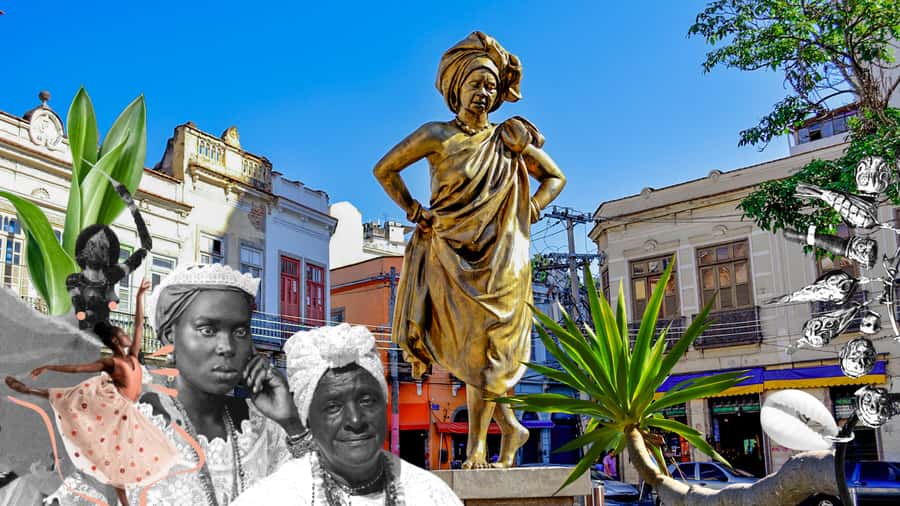
Reviewed · HISTORICAL TOURS
Rio de Janeiro: Afrobrazilian Heritage & Black History Walk
Valongo Wharf is not just another stop in downtown Rio. It is a UNESCO World Heritage Site tied to the forced arrival and sale of millions of Africans, and this walk gives that difficult history a central place. You then follow the story into Little Africa, where music, religion, food, and community carried African traditions forward.
I like the way the tour connects major facts to real places, especially the route from Praça Mauá to Pedra do Sal. I also like the chance to walk with guides such as Kelly or Jaíse, whose personal connection to Afro-Brazilian culture adds weight to the stories. The main consideration is that food, transfers, and admission to the nearby museums are not included.
In This Review
- Key points at a glance
- Why this walk matters in Rio
- Starting under the trees at Praça Mauá
- Saúde and the port district
- Valongo Wharf and the memory of forced arrival
- Murals, public art, and the port’s changing face
- Largo São Francisco da Prainha and Little Africa
- Pedra do Sal, samba, and the sound of community
- Candomblé, umbanda, and ancestral powers
- How the two and a half hours feel
- What the $64 price includes
- Who will get the most from this walk
- Should you book the Afro-Brazilian Heritage Walk?
- FAQ
- Where does the tour meet?
- How long does the tour last?
- What languages are available?
- Is Valongo Wharf included?
- Is food included?
- Are museum tickets included?
- Is transportation included?
- Is the tour wheelchair accessible?
- Can I cancel for a full refund?
Key points at a glance
- Valongo Wharf: Visit the UNESCO site connected to the transatlantic slave trade and the forced arrival of Africans in Rio.
- Pedra do Sal: See the area linked with samba gatherings, early Carnival bloco parties, and weekly samba rodas.
- Afro-Brazilian religions: Learn how candomblé and umbanda developed, including their links with Christian traditions.
- African-descended guides: Hear the story through guides such as Kelly and Jaíse, who bring strong historical knowledge and personal cultural context.
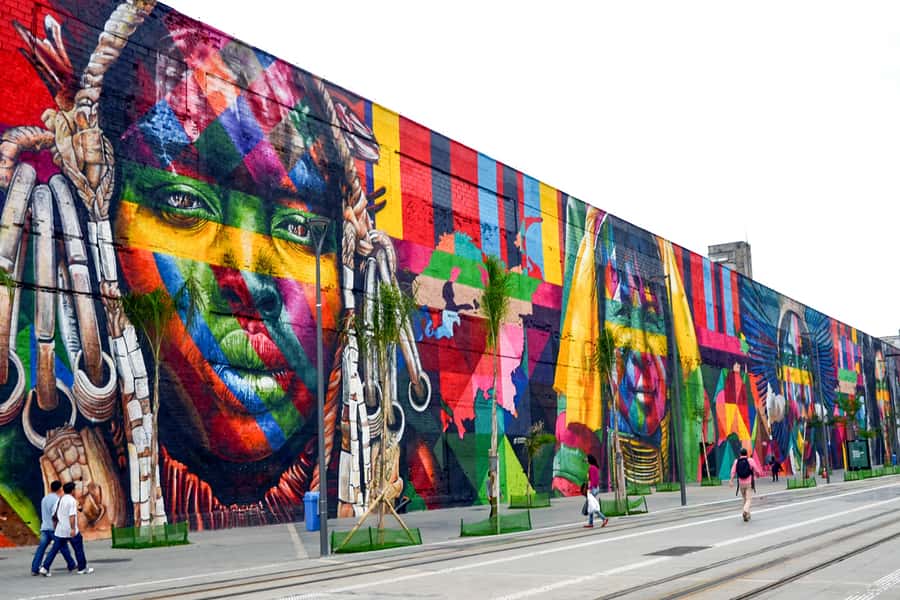
- Downtown route: Walk through Saúde, Praça Mauá, Largo São Francisco da Prainha, the Kobra mural area, and other sites in Little Africa.
- Practical format: The tour lasts 150 minutes, runs in rain or sun, is wheelchair accessible, and is offered in English, Spanish, or Portuguese.
Why this walk matters in Rio
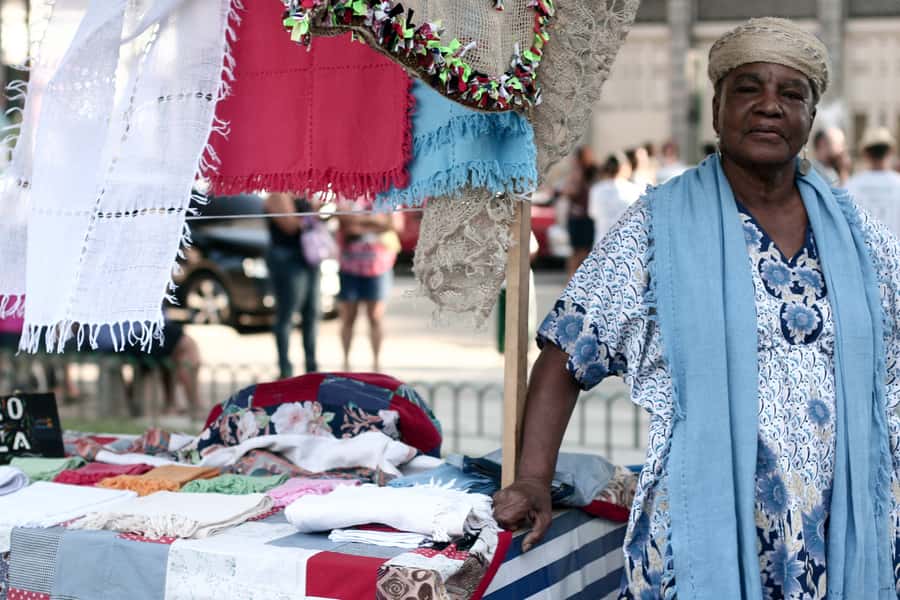
Rio is often sold through beaches, viewpoints, and carnival. Those are real parts of the city, but they do not explain how Rio became Rio. African people, many of them brought to Brazil against their will, shaped the city’s music, food, religious life, language, neighborhoods, and public celebrations.
This walk gives you a way to see those connections on foot. Instead of treating Black history as a short museum display, it places the subject in streets and squares where people arrived, worked, worshiped, made music, and built communities.
The subject is serious. The Portuguese slave trade lasted for more than 380 years, and the tour addresses human trafficking, sale, and forced labor directly. That can be emotionally demanding, but it is also why the experience offers something a standard sightseeing route cannot.
I would choose this tour early in a Rio visit if I wanted a better grasp of the city before exploring its museums, samba clubs, or Carnival traditions. It gives you useful context for places you might otherwise see only as attractive downtown stops.
A few more Rio De Janeiro trips to weigh up
- Rio de Janeiro: Historic Rio and Santa Teresa Half-Day Tour
★ 4.4 · 228 reviews - Rio de Janeiro: Little Africa Heritage Walking Tour
★ 4.9 · 177 reviews - Explore Little Africa : Unveiling Afro Heritage in Rio de Janeiro
★ 5.0 · 97 reviews
Starting under the trees at Praça Mauá
The usual meeting point is under the trees in front of the Rio Art Museum, known as MAR, at Praça Mauá. This is a useful location because Praça Mauá sits at the edge of the port district and close to several important sites connected with Rio’s African heritage.
The activity information also shows an alternative starting point at Museu de Arte do, on Rua Pedro Ernesto, 32. Since two starting options appear, I would confirm the exact meeting place with the guide before setting out. A WhatsApp message is recommended for faster communication.
You do not need a museum ticket to join the walking tour. Admission to the Rio Art Museum and the Museum of Tomorrow is not included, so plan those as separate visits if you want to go inside. The tour focuses on the streets, public spaces, monuments, murals, and historical sites around the port.
Praça Mauá is also a sensible place to arrive with water, sun protection, and comfortable shoes. The walk takes two and a half hours, and the organizers advise bringing a reusable water bottle, a hat, rain gear, and comfortable clothes.
Saúde and the port district
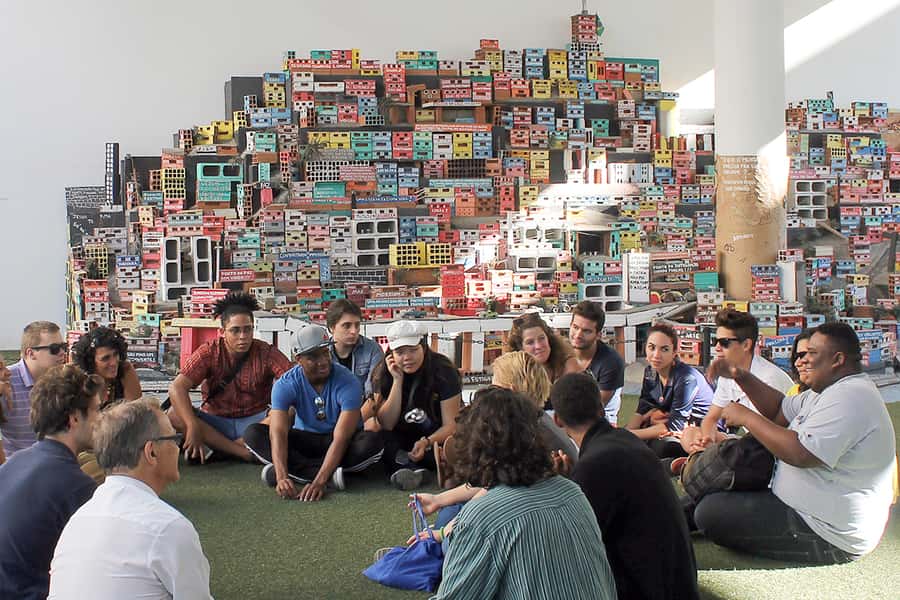
The route includes Saúde, one of the areas that forms part of Rio’s Little Africa. From the meeting area, you can expect a guided walk of about 15 minutes before continuing through the wider downtown route.
The value here is the setting. You are not simply hearing a timeline in a classroom. You are moving through the port district and learning how the arrival of enslaved Africans affected the physical and social growth of Rio.
Your guide will explain how Africans reached the city, how they were treated after arrival, and how their descendants preserved cultural practices despite slavery and later discrimination. Pay attention to the links between the places on the route. The tour is strongest when it shows that music, religion, and neighborhood life were not separate subjects, but parts of one continuing story.
The walk is wheelchair accessible, though the exact ease of each street section can depend on conditions along the route. If accessibility is important to you, send a message before booking so the guide can discuss the path.
Valongo Wharf and the memory of forced arrival
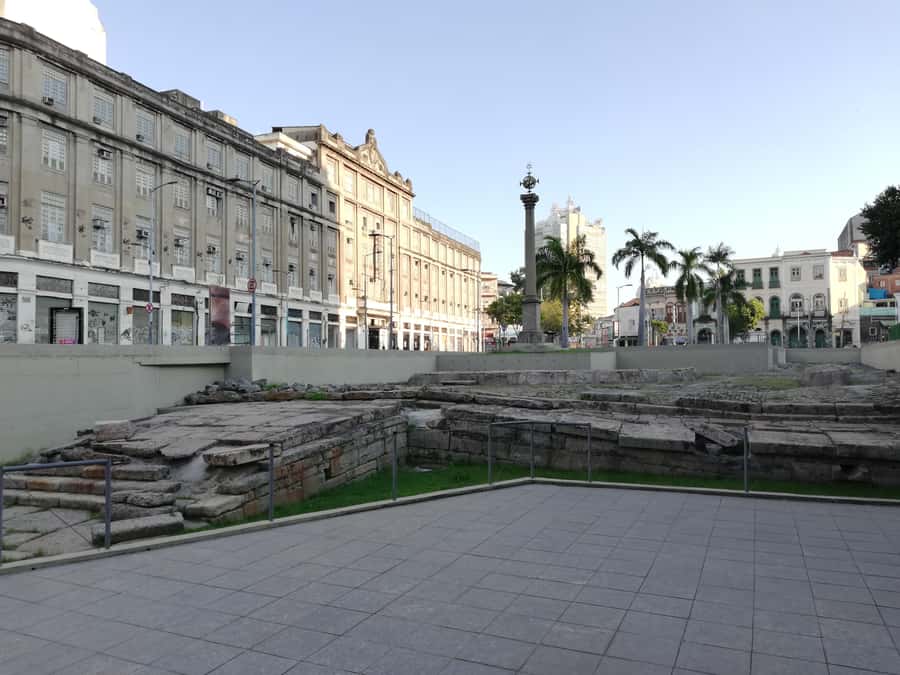
Valongo Wharf is the emotional center of the tour. The site is recognized by UNESCO for its connection to the transatlantic slave trade and the memory of the millions of Africans who arrived in Brazil to be sold.
This is not a cheerful sightseeing stop, and it should not be treated as one. The stones and port setting point to a system that reduced human beings to property. Your guide places the site within the larger history of Portuguese trafficking and explains what happened to Africans after they reached Rio.
The stop matters because Rio was one of the main destinations in the Atlantic slave trade. Seeing the site gives scale to a history that can otherwise feel distant or abstract. It also helps explain why Afro-Brazilian culture is not a side note in Rio. It is part of the city’s foundation.
I would allow yourself some quiet time here. The tour continues, but you may want to pause and take in the site before shifting to the story of cultural survival.
Same city, a completely different kind of day:
- Rio de Janeiro: 6-Stop Highlights of Rio with Lunch
★ 4.4 · 5,157 reviews - Christ the Redeemer Entry Ticket by Corcovado Train
★ 4.4 · 4,476 reviews - Rio de Janeiro: Rocinha Favela Walking Tour with Local Guide
★ 4.8 · 3,052 reviews - Rio de Janeiro: Sugarloaf Cable Car Official Ticket
★ 4.6 · 2,873 reviews
Murals, public art, and the port’s changing face
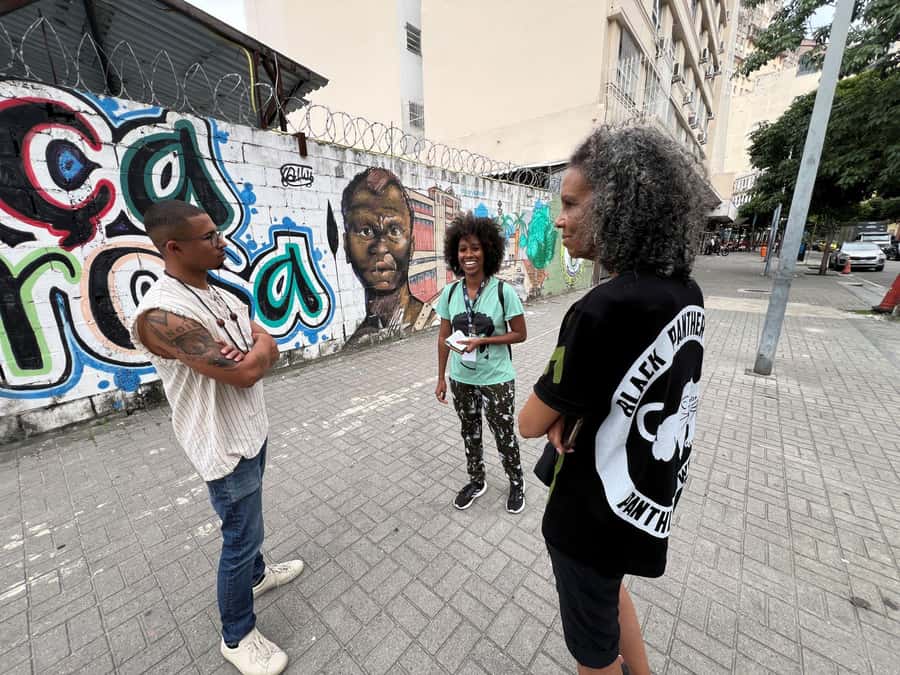
The route includes the Etnias mural by Brazilian artist Eduardo Kobra, near the port area. The large mural is one of Rio’s most visible pieces of public art, and its presence adds a visual layer to the walking tour.
Your guide connects the artwork and the surrounding district to questions of identity, ancestry, and the way Rio presents its history in public spaces. The mural also makes a good contrast with Valongo Wharf. One site recalls forced movement and sale, while the other presents Indigenous peoples and cultural identity through monumental modern art.
This section is likely to appeal to you if you enjoy combining history with street art. Still, the mural is not a substitute for the historical sites. Its importance on this tour comes from the explanation around it, not just from taking a photograph.
Largo São Francisco da Prainha and Little Africa

Largo São Francisco da Prainha is another important stop in the port district. The square helps you see how African-descended communities shaped the area’s social life and public culture.
Little Africa is not a single museum or enclosed attraction. It is a group of connected places, memories, traditions, and neighborhoods. That means the tour depends heavily on the guide’s storytelling. Kelly has been praised for careful research and for explaining the subject with personal commitment, while Jaíse has been noted for making the history clear and inspiring.
The tone should be respectful rather than theatrical. You will hear about survival, cultural inheritance, and the ways African traditions continued despite attempts to suppress them. The guide also offers suggestions for local music, art, museums, restaurants, and other activities, which can help you continue exploring after the walk.
Pedra do Sal, samba, and the sound of community
Pedra do Sal, or Rock of Salt, is the liveliest part of the route in cultural terms. It is widely associated with the birth of samba in Rio and is considered the center of Little Africa.
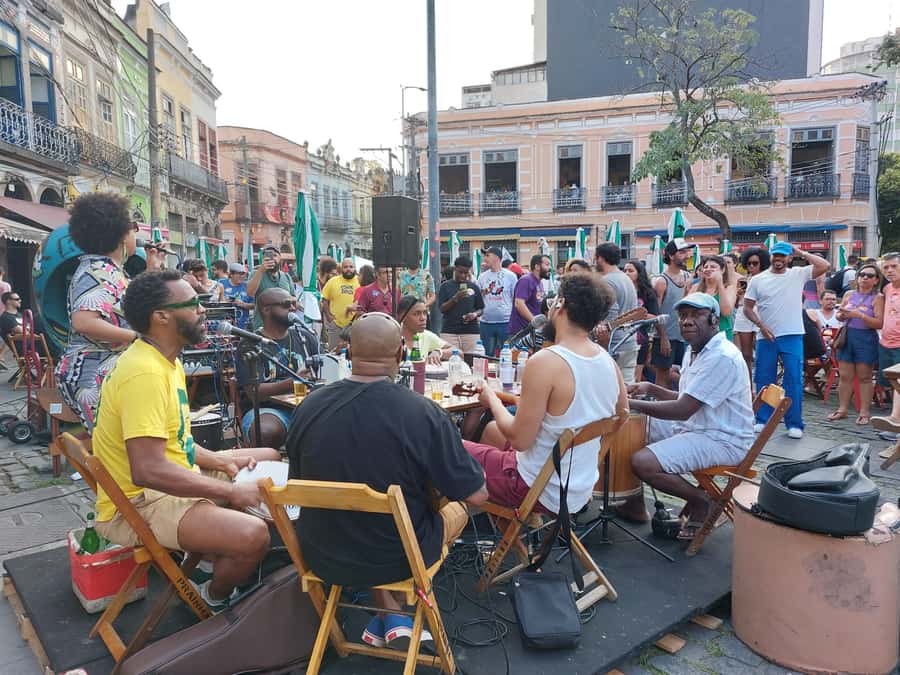
Musicians met here to sing and dance, and the area became linked with some of the earliest Carnival bloco parties and parades. That tradition continues through regular samba rodas, or informal samba circles, held each week.
The timing of your visit matters. A 150-minute daytime tour does not guarantee a live samba session, but the guide can point you toward current local programming. One guide included an invitation to an authentic samba jam at a town square, which shows the sort of follow-up suggestion you might receive. Ask about music events if you want to extend the experience into the evening.
Pedra do Sal is also the place where the tour includes regional food as part of the route description, but food is not included in the price. Treat that as an opportunity to buy something separately, not as a provided meal. If you are hungry, carry a snack or plan a restaurant stop afterward.
Candomblé, umbanda, and ancestral powers
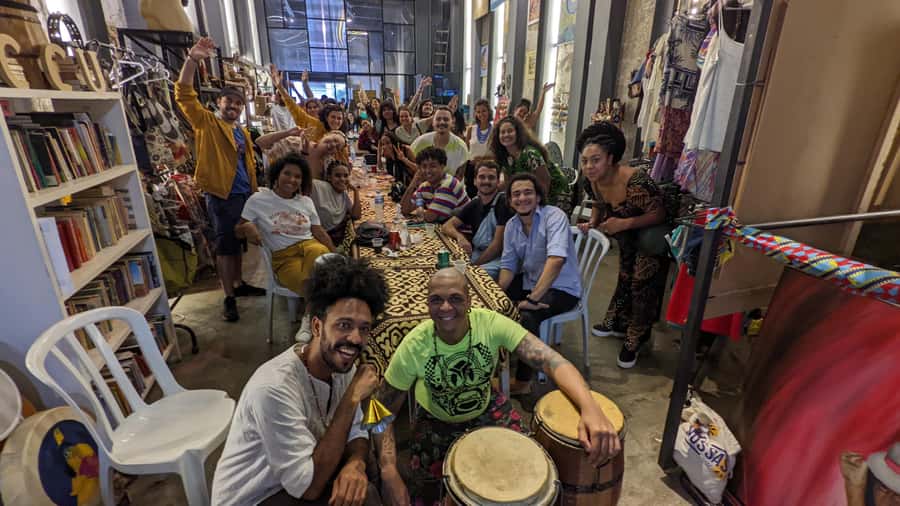
The tour also explains the origins of candomblé and umbanda, two Afro-Brazilian religions with different histories and practices. You will hear about their relationship with Christian traditions and the process often described as religious syncretism.
This part is especially useful because visitors can easily mistake religious symbols for decorative folklore. The guide introduces the ideas behind the traditions and discusses Orishas, nkisis, and voduns, along with Brazilian ancestral gods and goddesses linked to nature.
The subject deserves care. Candomblé and umbanda are living religions, not just historical remnants. The tour’s focus is educational, and it does not advertise a ceremony or religious service. You should listen respectfully and avoid treating sacred beliefs as a photo prop.
I like this section because it connects religion to everyday culture. It helps explain why African spiritual ideas appear in music, celebrations, food traditions, and family life across Brazil.
How the two and a half hours feel
The full activity lasts 150 minutes. That is long enough to cover the main sites without turning into a full-day commitment, but short enough to fit around a museum visit or another downtown plan.
You will be walking for most of the experience, with stops for explanations. This is not a bus tour, and there is no included transfer between neighborhoods. Wear shoes that you can use comfortably for a few hours and carry water.
The tour runs rain or sun, so Rio’s weather can affect your comfort. Bring rain gear even if the morning looks clear. A hat is useful in exposed areas, and loose, comfortable clothes will make the walking easier.
The tour is offered in English, Spanish, and Portuguese. One French-speaking customer wished the guide service had French support, so French should not be assumed simply because the booking platform may be available in French. If you need a language other than the three offered, confirm before paying.
What the $64 price includes
At $64 per person, this is not the cheapest way to spend two and a half hours in Rio. You are paying for a specialist walking route, a live guide, access to historical interpretation, and practical suggestions for continuing your visit.
The price makes the most sense if you value local context and want more than a self-guided walk past the port sites. The guides’ knowledge of Afro-Brazilian history is the main product. The route itself is public, but the connections between Valongo Wharf, Little Africa, samba, religion, and modern public art are difficult to assemble on your own in a short visit.
The price does not cover museum admission, food, or transport. That is important. You may want to add the Rio Art Museum or Museum of Tomorrow separately, and you should budget for your own ride to the meeting point and onward destination.
The tour ends at one of three listed drop-off areas: Cais do Valongo, the Etnias mural, or Largo São Francisco da Prainha. Confirm the final point with your guide, especially if you have a timed reservation afterward.
Who will get the most from this walk
I would recommend this experience to you if you want to understand Rio through Black history, music, religion, and community life. It is also a good choice if you have already seen the main landmarks and want a more focused view of the city.
You do not need prior knowledge. The guide explains the main events and cultural terms during the walk. Still, you should be ready for a serious subject and for historical discussion that does not soften the cruelty of slavery.
This may not be the best fit if you want a relaxed food tour, a sightseeing bus, or a large number of postcard views. The walk is about memory and meaning first. Pedra do Sal and the murals add visual and musical interest, but the heart of the activity is the history.
The tour may also suit solo visitors who want local suggestions for music, art, restaurants, and museums. If you are traveling with a private group, another date may be possible with about 24 hours’ notice, though vehicle transfer fees can apply and depend on availability.
Should you book the Afro-Brazilian Heritage Walk?
Book it if you want Rio’s story to include the people and traditions that shaped its port, samba, religion, and public life. Valongo Wharf gives the walk a serious historical center, while Pedra do Sal shows how African-descended culture continues through music and community gatherings.
At $64, the experience is best value for you if a strong guide matters more than included transport or food. Confirm the meeting point, choose your language, carry water and rain gear, and leave time for the tour to make you think.
I would not choose it as a casual filler activity. I would choose it as one of the more meaningful ways to understand downtown Rio.
FAQ
Where does the tour meet?
The listed meeting point is under the trees in front of the Rio Art Museum, or MAR, at Praça Mauá. Another starting location is also shown at Museu de Arte do, Rua Pedro Ernesto, 32, so confirm the exact point with the guide.
How long does the tour last?
The walking tour lasts 150 minutes, or two and a half hours.
What languages are available?
The tour is offered in English, Spanish, and Portuguese.
Is Valongo Wharf included?
Yes. The tour visits Valongo Wharf, the UNESCO World Heritage Site connected with the memory of the transatlantic slave trade.
Is food included?
No. Food is not included. The route includes Pedra do Sal and mentions regional food, but you pay separately for anything you choose to eat.
Are museum tickets included?
No. Admission to the Museum of Tomorrow and the Rio Art Museum is not included.
Is transportation included?
No. Transfers are not included. The activity is a guided walking tour.
Is the tour wheelchair accessible?
Yes, the activity is described as wheelchair accessible.
Can I cancel for a full refund?
Yes. You can cancel up to 24 hours in advance for a full refund. The tour also offers reserve now and pay later booking.
Just added around Rio De Janeiro
- Vidigal Favela Tour★ 4.4 · 26 reviews
- Hang gliding flight in Rio de Janeiro★ 5.0 · 6 reviews
- Rio de Janeiro: Zip Lining and Canopy Tree Tour★ 3.3 · 6 reviews
- Rio de Janeiro: Attend a Vasco da Gama game with local guide★ 4.8 · 9 reviews
- Unforgettable Boat Party★ 5.0 · 3 reviews
- Tijuca Forest Hike – Waterfalls & Caves, Nature & Wild Life!★ 5.0 · 51 reviews
- Rio Highlights: Christ, Sugarloaf, and More in a Private Tour★ 5.0 · 36 reviews
- Tijuca Forest w/ Chinese View,cascatinha Taunay,horto waterfall and parque laje★ 4.5 · 29 reviews
Historical Tours, compared.

Scenic Train ride to historical cities of Morretes and Antonina
Read our review →
From Foz do Iguazu: Triple Frontier Landmark Ticket
Read our review →
Explore Little Africa : Unveiling Afro Heritage in Rio de Janeiro
Read our review →
Downtown-Center History Walking Tour – in English
Read our review →Browse the lists this tour appears in