
Reviewed · HISTORICAL TOURS
Rio Culture and History through the Art of Traditional Foods
Rio’s food story comes alive one small bite at a time on this six-hour walk through downtown, Lapa and Santa Teresa. I like the mix of classic Brazilian snacks and drinks, and I like that the tram ride over the Lapa Arches adds a proper Rio view rather than keeping you indoors at cafés.
The strongest guides, including Romayne and Camila, bring personal connections and family stories to the stops. The main drawback is the $198 price, which is high for a food walk, so you should arrive hungry and treat it as a combined food, sightseeing and culture tour rather than a simple tasting crawl.
In This Review
- Key points to know before you book
- A food tour that also explains Rio
- Starting with Brazilian staples
- Confeitaria Colombo and Rio’s sweet side
- Lapa’s arches, bars and street life
- Riding the tram to Santa Teresa
- Why the guide makes or breaks the day
- Walking, weather and what to carry
- Is $198 a fair price?
- Who will enjoy this Rio food walk?
- Should you book it?
- FAQ
- How long does the Rio food and culture tour last?
- What time should I arrive?
- Where does the tour meet?
- Which languages are available?
- How much walking is involved?
- Is the tram ride included?
- What food and drinks are included?
- Can I cancel the booking?
Key points to know before you book

- Pão de queijo, coxinha and bacalao fritters: Expect familiar Brazilian favorites alongside less obvious local specialties.
- Confeitaria Colombo: The famous downtown confectionery brings sweets, savory snacks and Rio’s café culture into the day.
- Tram over the Lapa Arches: This short ride links downtown with Santa Teresa and supplies wide city views along the way.
- Açaí, tapioca and manioc flour: The tastings introduce basic ingredients that shape everyday Brazilian cooking.
- Romayne and Camila: These guides are known for warm storytelling, strong English and close ties with the places visited.
- About one mile of walking: The route suits most fitness levels, though six hours on your feet still calls for sensible shoes.
A food tour that also explains Rio
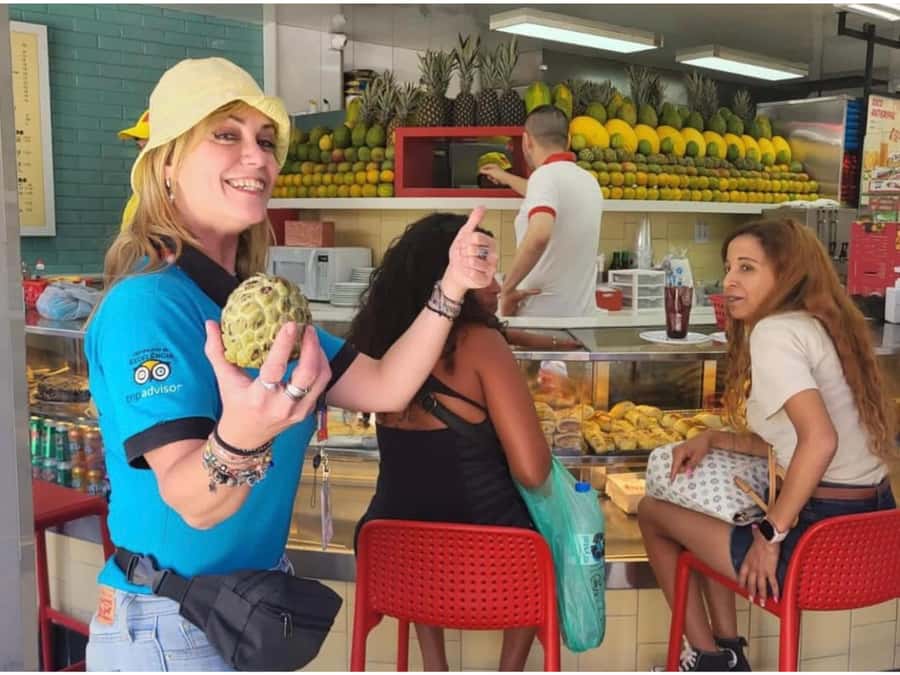
This is not a quick succession of samples with a guide pointing out the next plate. Food is the thread that ties together Rio’s neighborhoods, old buildings, drinks, transport and daily life.
You move through downtown and Lapa before heading uphill toward Santa Teresa. Along the way, the guide explains how ingredients such as manioc flour, tapioca and açaí fit into Brazilian cooking. You also hear about family traditions connected with the restaurants and specialty shops on the route.
That wider context matters. Açaí is more than a cold purple bowl, and cachaça is more than the spirit in a caipirinha. A good guide can explain how ingredients and drinks connect to Brazil’s regions, habits and social life. The tour is designed to give you that background while you eat.
The two guides whose names come up most often are Romayne and Camila. Romayne is described as an energetic, experienced guide with long-standing relationships around the city. Camila is noted for her warm manner, strong English and personal passion for Brazilian food and history.
Guide quality matters a great deal here. The food itself is only part of the experience. You will get more from the tour if your guide explains why a snack matters, who makes it, and how it fits into Rio life.
A few more Rio De Janeiro trips to weigh up
- Rio de Janeiro: Historic Rio and Santa Teresa Half-Day Tour
★ 4.4 · 228 reviews - Rio de Janeiro: Little Africa Heritage Walking Tour
★ 4.9 · 177 reviews - Explore Little Africa : Unveiling Afro Heritage in Rio de Janeiro
★ 5.0 · 97 reviews
Starting with Brazilian staples
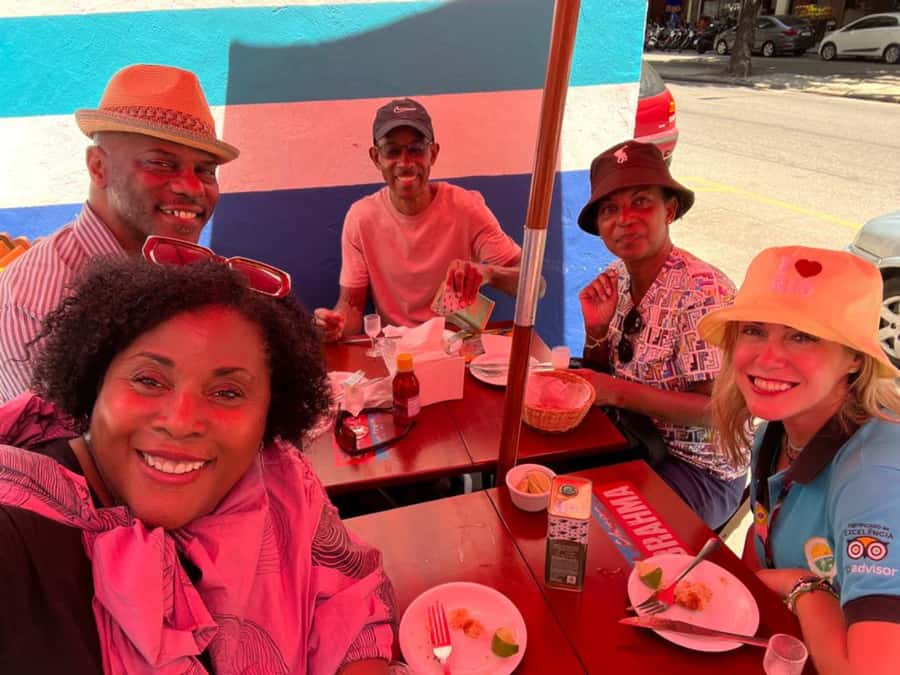
Come hungry. The food is spread over several stops, and the day includes drinks as well as solid tastings.
You can expect samples such as:
- Pão de queijo, the small cheese bread with a springy texture
- Coxinha, a popular fried snack usually made with shredded chicken
- Bacalao fritters
- Açaí
- Tapioca-based foods
- Items made with manioc flour
- Brazilian sweets, including brigadeiros
- Local beer
- Cachaça and drinks made with it
The exact balance between sweet and savory can vary by stop, but this is not a meal built around one large restaurant serving. It is a grazing day. That format lets you compare textures and flavors, but it also means you may want a proper meal later if you have a large appetite.
Pão de queijo is a useful opening note because it is easy to like and gives you an immediate taste of Brazil’s snack culture. Coxinha offers a different experience, crisp outside and filling inside. Bacalao fritters add a Portuguese influence that reflects the older food connections running through Rio.
Manioc flour deserves attention too. It appears in many Brazilian dishes and helps you understand why the country’s food cannot be reduced to grilled meat and tropical fruit. Tapioca brings another expression of the same broad ingredient tradition.
The açaí tasting offers a sweet, cooling contrast to fried snacks and savory pastries. If you have only encountered açaí as a fashionable fruit bowl outside Brazil, this is a chance to place it within a Brazilian food setting.
Confeitaria Colombo and Rio’s sweet side
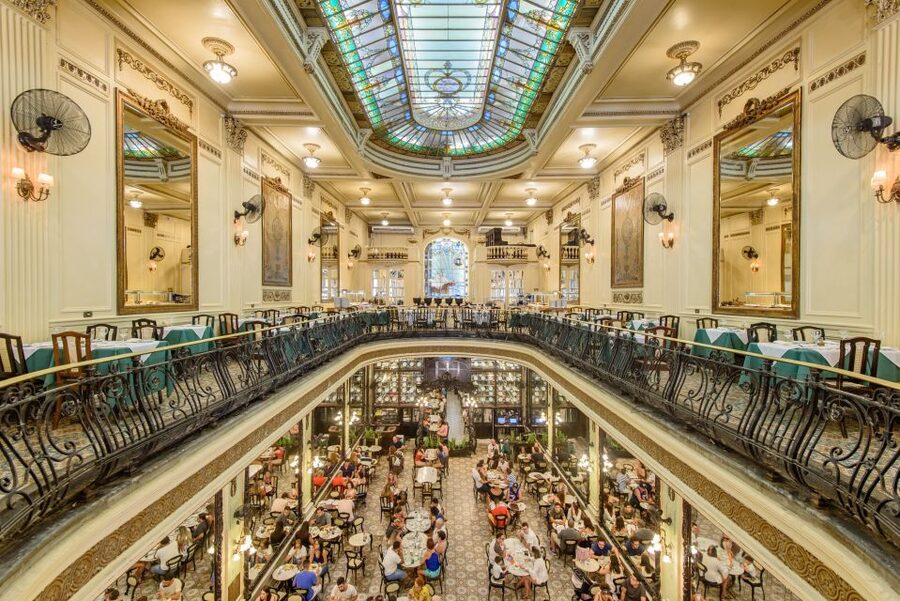
One of the key stops is Confeitaria Colombo, usually called Colombo by locals and regular visitors. The confectionery is known for its ornate surroundings, polished service and long place in downtown Rio’s café culture.
Here, the appeal is not only the food. You get a sense of how Rio once met for coffee, pastries and conversation, and why the building remains an important part of the city’s public life.
The stop is especially useful if you enjoy historic interiors and old-fashioned cafés. You can expect a spread of sweets and salty snacks rather than a single signature dish. That gives you a chance to try more than one style of Brazilian treat without committing to a full plate.
Do not treat Colombo as just a photo stop. Ask your guide about the food traditions and the role of confectioneries in Rio. The guide’s explanation can turn a pretty room and a pastry into a clearer picture of the city’s social history.
Because Colombo is a popular place, the experience may feel less intimate than a tiny family-run shop. Still, its place in Rio’s food story makes it worth including, especially if this is your first visit to the city center.
Lapa’s arches, bars and street life
Lapa is best known for the white stone arches that once carried an aqueduct and now support the Santa Teresa tramway. The arches are one of Rio’s most recognizable city scenes, and this tour uses them as part of the route rather than merely stopping nearby for a photograph.
The district also has many bars and restaurants. During the day, you see a different side of Lapa than you might encounter at night. The food tour gives you a reason to pay attention to local eating and drinking habits instead of treating the neighborhood as a passage between major sights.
The route includes local beer and cachaça. These tastings add a social side to the food story, though you should pace yourself. Six hours is a long time for sampling drinks, especially in Rio’s heat.
Cachaça is central to Brazilian drink culture and is closely linked to the caipirinha. Tasting it on a guided route is more useful than ordering a random glass at a bar because you can ask about how it is used and why it matters.
The tour includes the listed tastings and samples, but extra food and drinks are not included. If a bar or shop tempts you with something beyond the scheduled items, you pay for it yourself.
Same city, a completely different kind of day:
- Rio de Janeiro: 6-Stop Highlights of Rio with Lunch
★ 4.4 · 5,157 reviews - Christ the Redeemer Entry Ticket by Corcovado Train
★ 4.4 · 4,476 reviews - Rio de Janeiro: Rocinha Favela Walking Tour with Local Guide
★ 4.8 · 3,052 reviews - Rio de Janeiro: Sugarloaf Cable Car Official Ticket
★ 4.6 · 2,873 reviews
Riding the tram to Santa Teresa
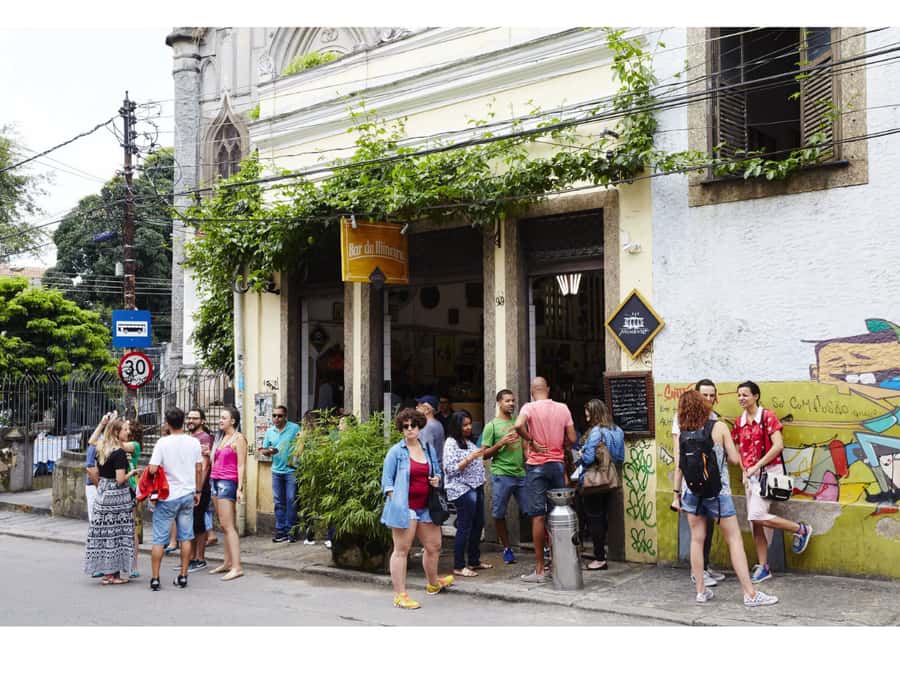
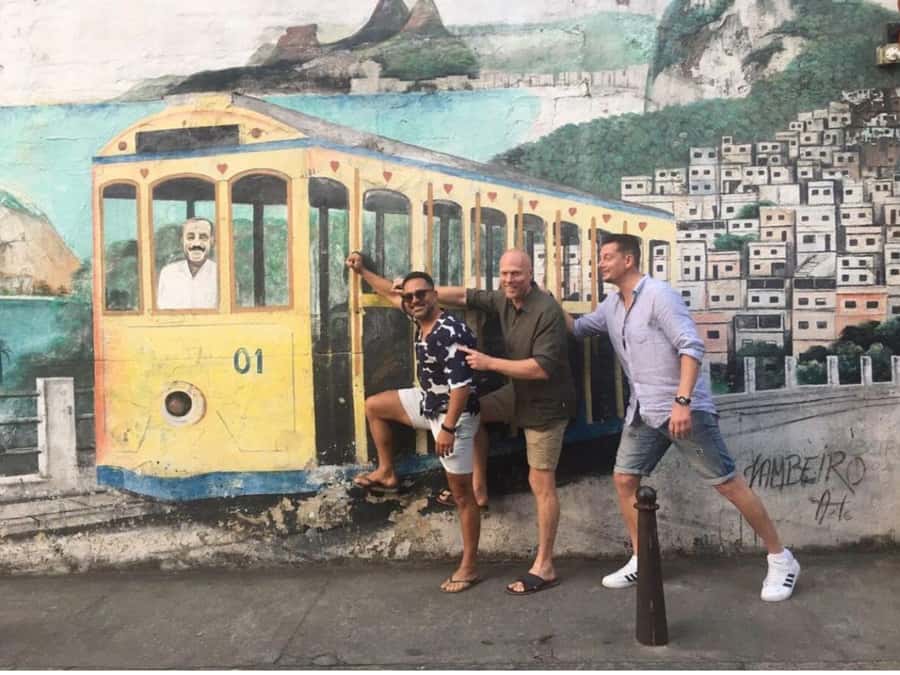
The tram ride is one of the most memorable changes of pace during the day. You cross the Lapa Arches and continue toward Santa Teresa, passing Ruinas Park and taking in panoramic views as you leave downtown.
This is more than a transport detail. The tram helps you see how Rio’s center and hillside neighborhoods connect. It also gives your feet a break after the first part of the walk.
Ruinas Park adds an open-air viewpoint to the route. The views are a useful counterpoint to the close-up food stops, since you can look out across the city and understand the setting of the neighborhoods you have been exploring.
The tram is charming, but you should keep expectations sensible. It is a short urban ride, not a scenic railway excursion. Its value comes from the combination of history, transport and city views.
Santa Teresa has a different feel from the formal center and the nightlife reputation of Lapa. Its bars, restaurants and hillside streets give the second half of the route a more residential and creative character. The guide explains how people live in Rio and points out places connected with local eating habits.
A past itinerary with Camila also included major downtown sights and finished near the Selarón Steps around evening. The exact flow can depend on the day and guide, so consider that a possible benefit rather than a guaranteed final stop.
Why the guide makes or breaks the day
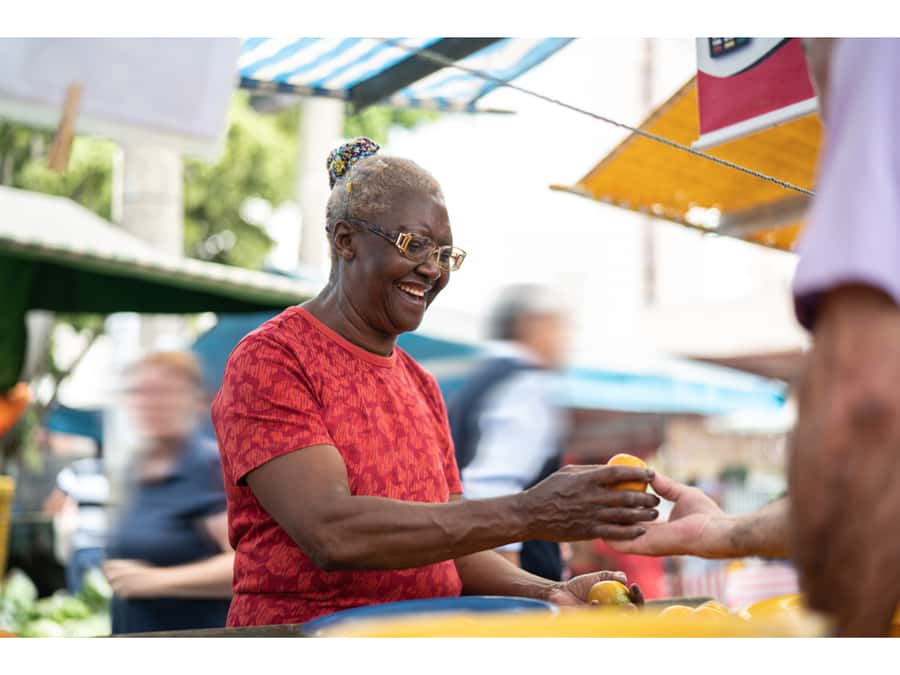
The best part of this tour is the human connection between food and place. Guides such as Romayne and Camila do not simply hand you a snack and name it. They explain the setting, answer questions and connect each stop with family customs or their own relationship with Rio.
Romayne is described as especially energetic and personable. His local contacts can make stops feel more welcoming, and his storytelling helps fill the long six-hour schedule. Camila is praised for her warmth, enthusiasm and ability to explain both food and city life in very good English.
That personal style suits you if you like asking questions. You can ask about ingredients, restaurants, drinks, neighborhood life or how locals use particular foods. The tour is less appealing if you want to move quickly and quietly from one tasting to the next.
Language support is available in English and Spanish. Since the experience depends on stories as much as samples, choosing the language in which you can ask detailed questions is important.
There is no stated group size, so you should not assume a private tour. The meeting instructions tell you to arrive at the designated point by 10:30 a.m. for the 10:45 a.m. departure. Hotel pickup and drop-off are not included.
Walking, weather and what to carry

The walking distance is about one mile, which is manageable for most fitness levels. The route still lasts six hours because it includes tastings, sightseeing, the tram ride and time at food stops.
Wear comfortable clothes and outdoor clothing. Sunglasses and a sun hat are sensible choices, especially because parts of the day take place outside and the route includes open views.
Large bags and luggage are not allowed. Bring only what you need for the day, since a bulky bag will be awkward during the walk and tram ride.
The route includes food and alcohol, so think about your own needs before booking. If you have dietary restrictions, ask the provider before you reserve. The supplied tour details do not promise vegetarian, vegan, allergy-friendly or alcohol-free substitutions.
Is $198 a fair price?
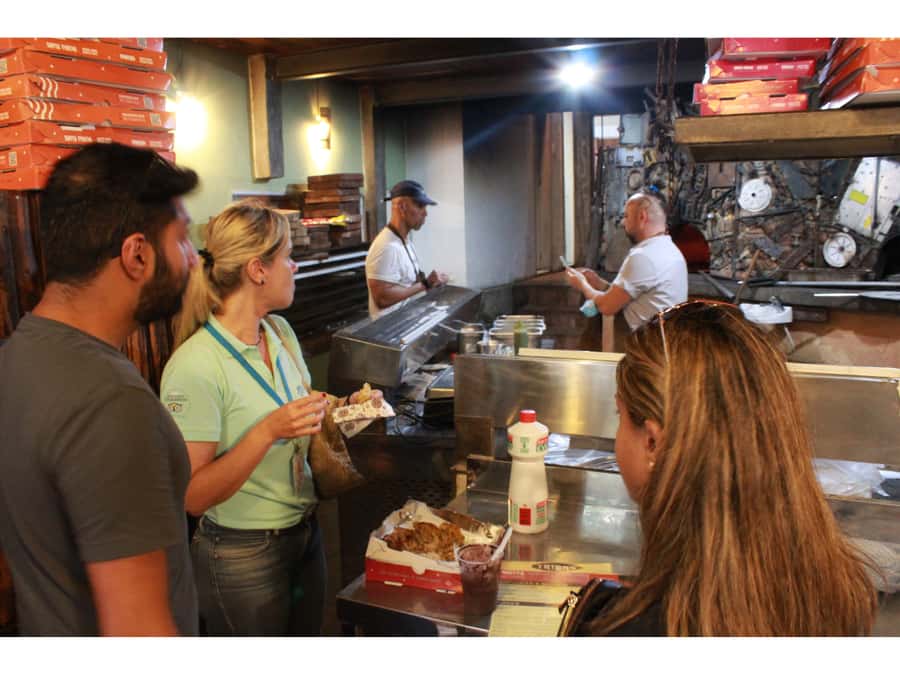
At $198 per person, this is not a budget food walk. You are paying for much more than the value of the individual snacks.
The price includes a professional guide, tastings, food samples, entrance fees, the tram ticket and the walking tour. It also covers a full six-hour block, with sightseeing in downtown Rio, Lapa and Santa Teresa woven into the food stops.
I would compare it with the cost of booking several meals, a separate sightseeing guide and the tram experience on your own. If you want only a few inexpensive snacks, you can spend much less independently. If you want a single organized day that combines food, drinks, city history and neighborhood orientation, the price becomes easier to defend.
The value depends heavily on the guide. A strong guide can help you understand why the food matters and introduce places you might otherwise pass without noticing. A weaker guide would leave you paying a premium for samples you could find on your own.
You can reserve now and pay later, which helps if you are still arranging your Rio schedule. Free cancellation is available up to 24 hours before the tour for a full refund.
Who will enjoy this Rio food walk?
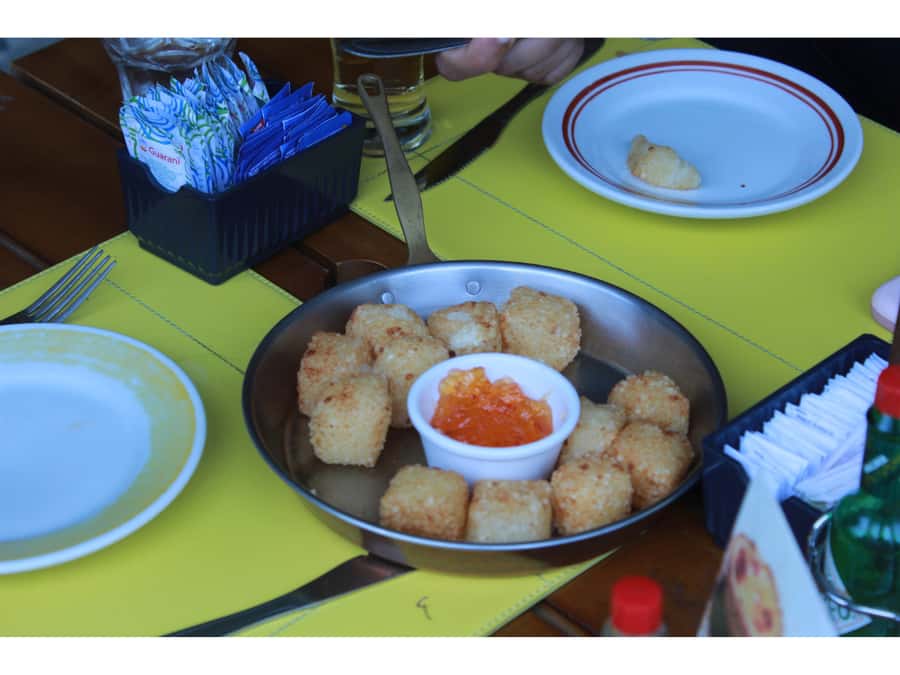
I would recommend it to you if you:
- Want an introduction to Brazilian food beyond restaurant menus
- Like walking tours with plenty of conversation
- Enjoy trying several small portions instead of one long meal
- Want to see downtown, Lapa and Santa Teresa in one outing
- Prefer a guide who can explain local customs and history
- Are comfortable with beer and cachaça tastings
- Want a useful first or second-day orientation to Rio
It may not suit you if you want a low-cost activity, a short tour, or a quiet museum-style visit. It is also not the best choice if you need a firmly controlled dietary menu, since no special food arrangements are promised.
Families and older visitors may find the distance reasonable, but the six-hour duration still matters. Plan for a full morning and afternoon rather than a quick excursion.
Should you book it?
Book this tour if you want food to be your way into Rio’s neighborhoods and culture. The combination of pão de queijo, coxinha, açaí, tapioca, manioc flour, sweets, beer and cachaça gives you a broad first taste, while Colombo, the Lapa Arches, Ruinas Park and the tram add real sightseeing value.
I would be more cautious if you are mainly chasing the cheapest possible meal or if $198 feels uncomfortable. For everyone else, the strongest reason to book is the guide-led access to local stories and places, especially if Romayne or Camila is leading your departure.
Arrive early, bring an appetite, wear light comfortable clothes and keep your bag small. If you do that, this can work as two useful Rio activities in one: a food introduction and a city walk with a tram ride built in.
FAQ
How long does the Rio food and culture tour last?
The tour lasts six hours.
What time should I arrive?
Check-in is at 10:30 a.m., and departure is at 10:45 a.m. You should arrive at least 10 minutes before departure.
Where does the tour meet?
You meet the guide at the designated meeting point provided for your booking. Hotel pickup and drop-off are not included.
Which languages are available?
The live guide is available in English or Spanish.
How much walking is involved?
The walking distance is about one mile, and it is described as suitable for most fitness levels.
Is the tram ride included?
Yes. The tram ticket is included, and the route crosses the Lapa Arches on the way toward Santa Teresa.
What food and drinks are included?
Included tastings can feature pão de queijo, coxinha, açaí, tapioca, manioc flour-based foods, sweets, local beer and cachaça. Extra food and drinks outside the itinerary are not included.
Can I cancel the booking?
You can cancel up to 24 hours in advance for a full refund. The tour also offers a reserve-now-and-pay-later option.
Just added around Rio De Janeiro
- Vidigal Favela Tour★ 4.4 · 26 reviews
- Hang gliding flight in Rio de Janeiro★ 5.0 · 6 reviews
- Rio de Janeiro: Zip Lining and Canopy Tree Tour★ 3.3 · 6 reviews
- Rio de Janeiro: Attend a Vasco da Gama game with local guide★ 4.8 · 9 reviews
- Unforgettable Boat Party★ 5.0 · 3 reviews
- Tijuca Forest Hike – Waterfalls & Caves, Nature & Wild Life!★ 5.0 · 51 reviews
- Rio Highlights: Christ, Sugarloaf, and More in a Private Tour★ 5.0 · 36 reviews
- Tijuca Forest w/ Chinese View,cascatinha Taunay,horto waterfall and parque laje★ 4.5 · 29 reviews
Historical Tours, compared.


Scenic Train ride to historical cities of Morretes and Antonina
Read our review →

From Foz do Iguazu: Triple Frontier Landmark Ticket
Read our review →
Explore Little Africa : Unveiling Afro Heritage in Rio de Janeiro
Read our review →
Downtown-Center History Walking Tour – in English
Read our review →Browse the lists this tour appears in