
Reviewed · WALKING TOURS
Rio: African Culture Walking Tour
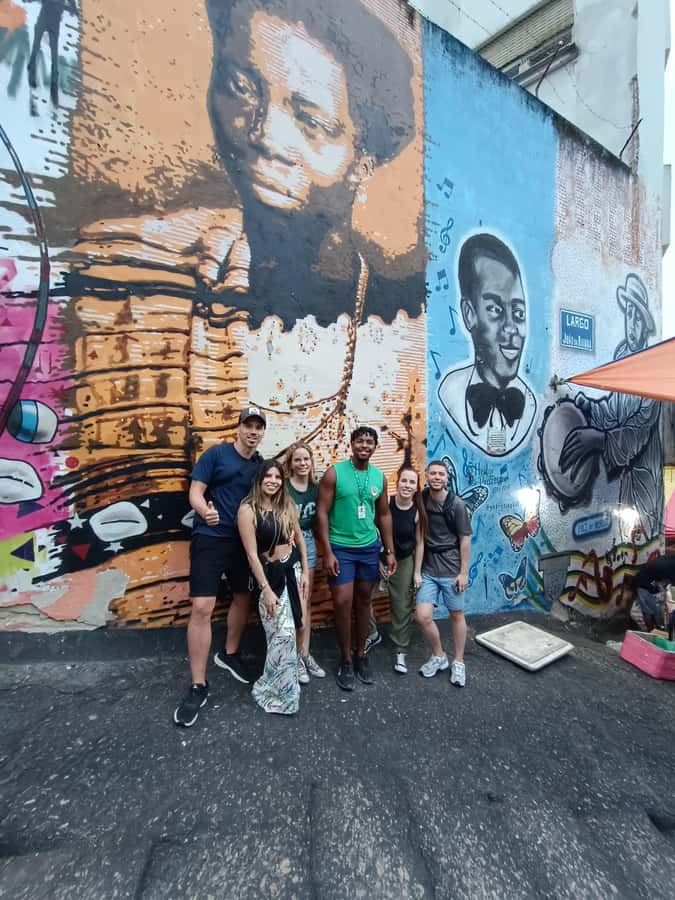
Rio’s most revealing stories are not found on the beach. This three-hour walk through Little Africa and Pedra do Sal traces Black resistance, the fight to end slavery, and the Afro-Brazilian traditions that helped shape the city. It finishes inside Cidade do Samba, where you see how samba schools prepare for Carnaval.
I like the clear focus on history and the small-group format, listed at a maximum of 15 people. I also like the unusual finish: the Carnival Experience gives you a look inside the warehouses where parade creations are made. The main consideration is that the samba-school stop feels more like a polished attraction than the walking portion, and food and drinks are not included.
In This Review
- Key points at a glance
- Why Little Africa changes your view of Rio
- Pedra do Sal and the story beneath the stone
- Understanding slavery, abolition, and Afro-Brazilian culture
- The shift from historic streets to Cidade do Samba
- What the three-hour format means for you
- Is $100 a fair price?
- What the strongest parts of the experience are
- Who should book this walk?
- Practical advice before you reserve
- FAQ
- How long does the African Culture Walking Tour last?
- What languages are available?
- Is entry to Cidade do Samba included?
- What areas does the walking portion cover?
- Is the tour wheelchair accessible?
- Are food and drinks included?
- Should you book it?
Key points at a glance
- Little Africa and Pedra do Sal: Visit places tied to Rio’s Black history and resistance.
- A serious history lesson: Learn about slavery, abolition, racial oppression, and Afro-Brazilian life today.
- Three languages available: Guides may lead the tour in English, Spanish, or Portuguese.
- Cidade do Samba included: See the production side of Rio’s famous Carnaval parades.
- Small-group setting: The group is limited to 15 people, while the booking information also describes the experience as private.
- Flexible booking: You can cancel up to 24 hours before the tour for a full refund and reserve without paying immediately.
Why Little Africa changes your view of Rio
Rio is often presented through its beaches, mountain views, and samba clubs. This tour begins with a different Rio, one shaped by the forced migration of Africans, the endurance of their descendants, and the cultural traditions that survived slavery.
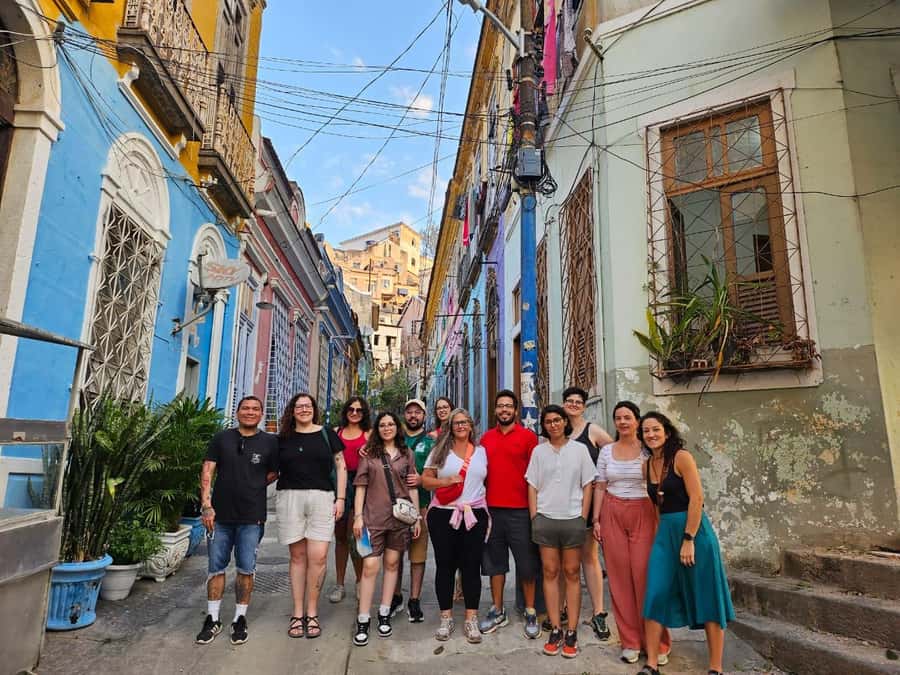
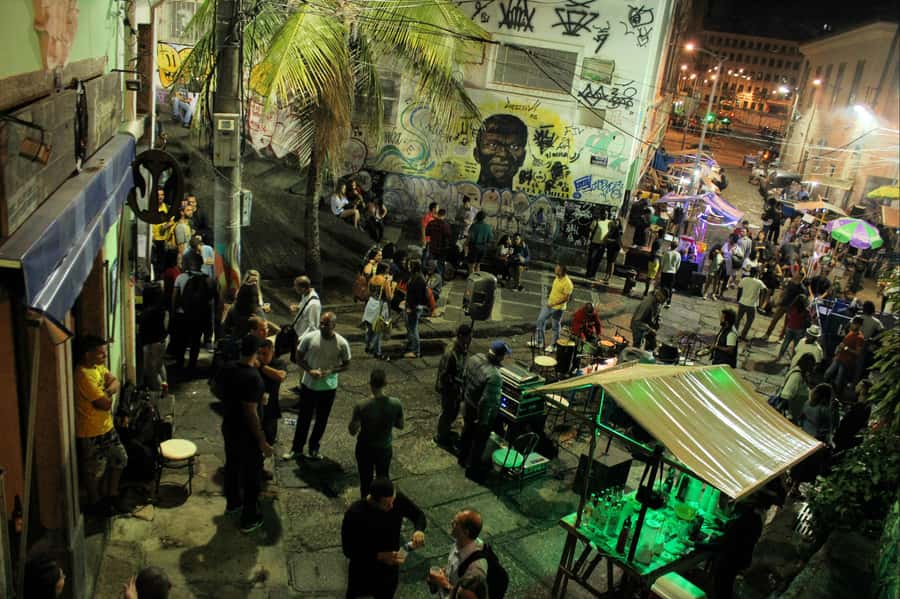
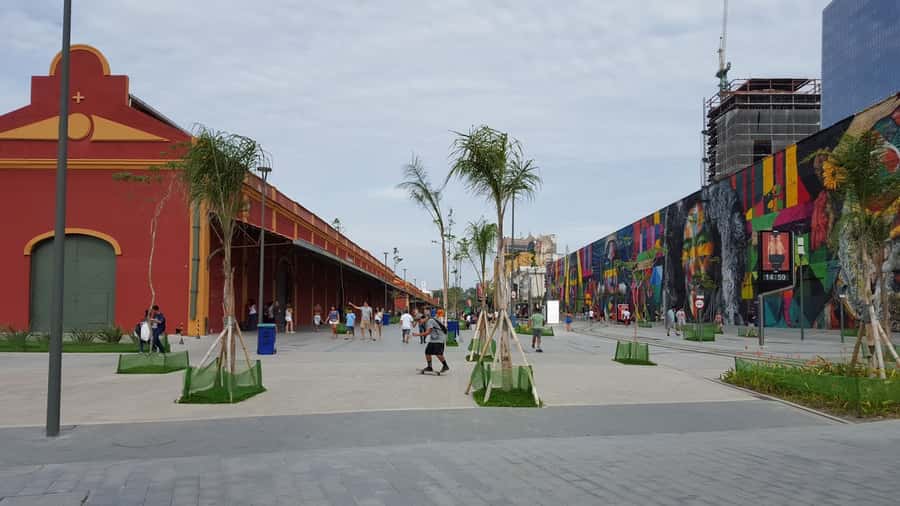
The walk takes place in the Little Africa and Pedra do Sal area. These are not simply scenic stops to check off a map. Your guide uses them to explain the city’s history of Black resistance and the struggle for abolition in Brazil.
That context matters. A short visit to Rio can leave you with a postcard image of samba and Carnaval, but it can also leave out the people and traditions that made those symbols possible. Here, samba is placed inside a larger story about power, race, religion, music, and survival.
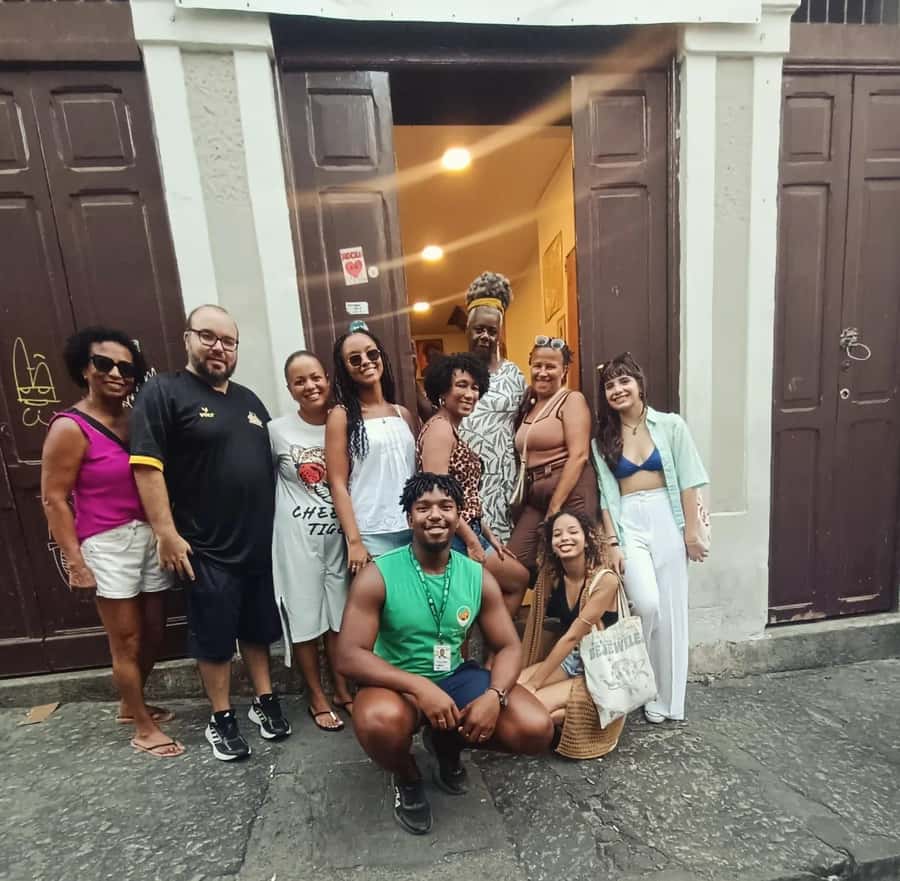
The tour is especially useful if you want more than dates and monuments. Guides explain the subject in a conversational way, and the format leaves room for questions. One guide, Rafael, was praised for being attentive during a tour in 2025. Guide assignments can vary, but the experience is designed around discussion rather than a scripted walk with no time to think.
A few more Rio De Janeiro trips to weigh up
- Rio de Janeiro: Rocinha Favela Walking Tour with Local Guide
★ 4.8 · 3,052 reviews - Rio De Janeiro: Half-Day Rocinha Favela Walking Tour
★ 4.7 · 2,272 reviews - Sunrise and Sunrise Walk Two Brothers with Local Guide
★ 5.0 · 193 reviews
Pedra do Sal and the story beneath the stone
Pedra do Sal is one of the most important parts of the walk because the location connects physical place with cultural memory. Your guide explains why this area matters to Afro-Brazilian history and how Black traditions remain part of Rio’s identity.
Expect to spend time listening and looking rather than rushing from one landmark to the next. The supplied information does not give a fixed list of monuments or a precise route, so the experience can depend on the guide’s interpretation and the day’s conditions.
That flexibility can be a strength. You can ask about slavery, abolition, racial inequality, music, or present-day Afro-Brazilian culture and follow the topics that matter most to you. One participant found useful parallels between racial oppression in Brazil and the United States, along with important differences. That makes this a good choice if you prefer a tour that invites comparison and conversation.
The walk is not presented as a food tour, and no meals or drinks are included. Bring what you need for three hours, especially if you prefer to have water with you. The itinerary is described as a walking tour, but one detailed account noted that it did not involve excessive walking. Even so, comfortable shoes remain a sensible choice.
Understanding slavery, abolition, and Afro-Brazilian culture
The most valuable part of the tour is the way it links the past to present-day Rio. You learn about the struggle for the abolition of slavery in Brazil, then see how Afro-Brazilian culture continues through music, traditions, and community life.
The subject deserves careful attention. This is not a light introduction that treats slavery as a distant event before quickly moving to samba. The guide discusses Black resistance and the lasting effects of racial oppression, giving you a more grounded way to understand Rio’s cultural symbols.
A guide on one tour explained the topic clearly and in a teaching style that worked well for a visitor who wanted facts without a lecture. Another participant arrived with many questions and found the guide open to discussion. Those details suggest that you should feel comfortable raising questions during the walk.
The tour can also help you read Rio differently after it ends. Samba, for example, is not only a parade soundtrack or a dance lesson. It is tied to Afro-Brazilian heritage and to the communities that kept cultural practices alive. That connection becomes clearer once you have walked through the places introduced earlier in the tour.
The shift from historic streets to Cidade do Samba
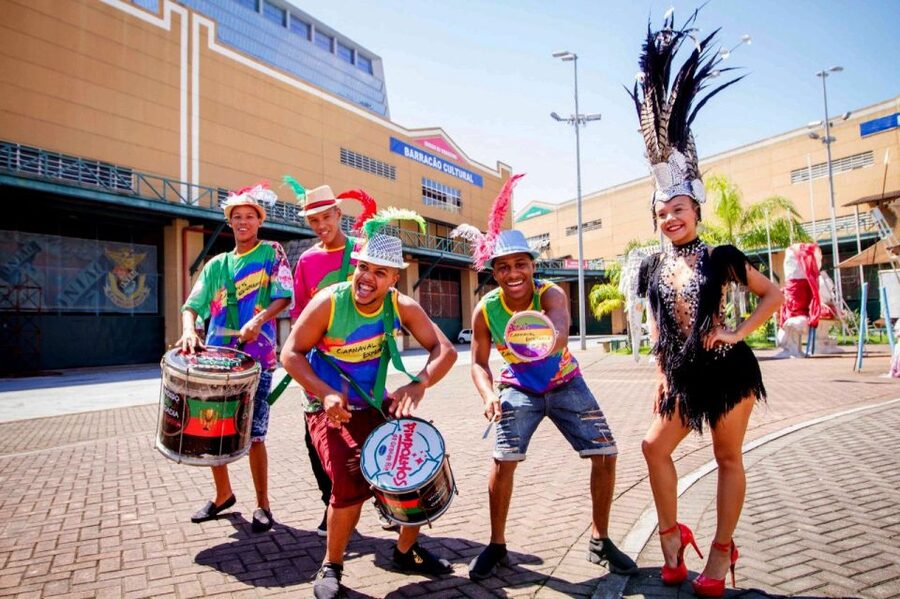
The tour concludes at Cidade do Samba, also called the City of Samba, with entry to the Carnaval Experience included. This changes the mood and pace. The first part is an outdoor history walk through Little Africa and Pedra do Sal. The last part takes you behind the scenes of the large-scale production that supports Rio’s Carnaval parades.
Inside, you learn about the origins of samba-school parades and see where the visual side of Carnaval comes together. The warehouse visit gives you a look at the work behind costumes, floats, and parade pieces. It is a useful counterpoint to watching a parade from the audience, since you see that Carnaval depends on planning, construction, design, and large teams of workers.
This part will probably be a highlight if you have always wondered how samba schools create their parade displays. It also gives the tour a strong finish because you move from the history of Afro-Brazilian culture to one of its best-known public expressions.
There is a tradeoff. The warehouse visit has a more organized, visitor-facing feel than the Little Africa walk. One careful assessment found the samba section less authentic, even while calling the access impressive. I think that is fair. Cidade do Samba is valuable for access and explanation, but it should not be confused with an unscripted neighborhood experience.
Same city, a completely different kind of day:
- Rio de Janeiro: 6-Stop Highlights of Rio with Lunch
★ 4.4 · 5,157 reviews - Christ the Redeemer Entry Ticket by Corcovado Train
★ 4.4 · 4,476 reviews - Rio de Janeiro: Sugarloaf Cable Car Official Ticket
★ 4.6 · 2,873 reviews - Rio: Christ the Redeemer, Sugarloaf, Selaron & BBQ Lunch
★ 4.5 · 2,428 reviews
What the three-hour format means for you
Three hours is enough time to cover the main themes without turning the outing into a full-day commitment. You get a focused walk, time for interpretation, and a visit to Cidade do Samba.
The short format also means the guide cannot cover every part of Rio’s Afro-Brazilian history. Think of this as a strong introduction, not a complete course. If you already have a detailed background in Brazilian history, you may want more depth than the schedule allows.
The small-group limit of 15 people should help with questions and visibility. The booking information also describes the group as private, so confirm the exact arrangement when you reserve, particularly if you are expecting an exclusive guide for only your party. The language options are English, Spanish, and Portuguese.
A WhatsApp contact is required before the tour. Send an active number and watch for the meeting instructions. The exact starting time is based on availability, so check that before planning another activity immediately afterward.
The experience is listed as wheelchair accessible. Since the tour includes walking through historic areas, ask for current route details if accessibility is important to you. The listing confirms accessibility, but it does not describe every surface, incline, or transfer between the walking portion and Cidade do Samba.
Is $100 a fair price?
At $100 per person, this is not a bargain walking tour. Its value depends on how much you want the guided history and the included Carnaval Experience.
You are paying for a three-hour private or small-group experience, a live guide, the Little Africa and Pedra do Sal walk, entry to Cidade do Samba, and the Carnaval Experience. Taxes, fees, and handling charges are included. Food and drinks are not.
I would consider the price reasonable for someone who wants two connected experiences in one booking: a serious cultural history walk and access to a samba-school production space. Paying separately for a basic neighborhood walk and a Carnaval attraction might not give you the same connection between the subjects.
The value is weaker if you mainly want to see Rio’s famous sights quickly or take photographs. This is not a general city highlights tour. It does not focus on beaches, viewpoints, Christ the Redeemer, Sugarloaf, or the city’s major museums.
It is also worth remembering that a private guide can make a major difference. If you are traveling with family or friends, the ability to ask questions and discuss difficult subjects may justify the price. If you are alone and price-sensitive, compare it with a larger group tour before booking.
What the strongest parts of the experience are

The highest marks go to the guide’s clarity, warmth, and willingness to discuss difficult subjects. One Spanish-speaking participant described the explanation of Afro-Brazilian history as clear and instructional, while another found the guide friendly and open to questions about slavery and its continuing heritage.
The second major strength is the combination of history and Carnaval. Many Rio activities offer one or the other. This tour explains the cultural roots first, then shows how a samba school turns that heritage into a huge public celebration.
Flexibility is another useful feature. A guide helped one person arrange an extra graffiti stop while coordinating a ride back to the hotel. That does not mean every booking includes a graffiti visit, but it suggests that guides may offer practical suggestions when time and route allow. Treat extra stops as a possibility, not a guaranteed part of the tour.
Finally, the walk does not appear to be punishing. You cover meaningful ground, but the focus is on explanation, and one detailed account specifically noted that you do not have to walk too much.
Who should book this walk?

I would choose this tour if you want to understand Rio beyond its postcard attractions. It suits you especially well if you care about Black history, social questions, music, cultural traditions, and the connection between the past and modern Brazil.
It is also a good fit for anyone curious about Carnaval but unable to visit during the festival itself. Cidade do Samba gives you a look at the preparation side of the event, not just the finished parade.
Families with older children may find the mix of outdoor walking and visual Carnaval displays easier to follow than a museum-only history tour. The material about slavery and racial oppression is serious, so parents should decide if the subject suits their children.
The tour also works for English, Spanish, and Portuguese speakers. If you want a private conversation about history and culture, confirm whether your booking is exclusive or simply capped at a small number of participants.
I would not make it your first choice if you want a relaxed sightseeing stroll with little historical discussion. I would also skip it if you expect every part of the experience to feel informal and local. The Little Africa portion offers the more grounded experience, while Cidade do Samba is more structured.
Practical advice before you reserve
Bring water and wear comfortable shoes. The tour lasts three hours, includes walking, and does not include food or drinks.
Send your WhatsApp contact as requested. This is the easiest way for the provider to reach you with timing or meeting information.
Keep your schedule flexible around the start time. Availability determines the departure time, and you may want room afterward in case the discussion runs slightly long or you accept a suggested extra stop.
If your main interest is history, tell the guide early. If your main interest is samba-school production, say that too. The experience has enough range for both, but your questions can help shape the emphasis.
You can cancel up to 24 hours in advance for a full refund. You can also reserve now and pay later, which helps if your Rio plans are still shifting.
FAQ
How long does the African Culture Walking Tour last?
The tour lasts three hours, including the walk through Little Africa and Pedra do Sal and the visit to Cidade do Samba.
What languages are available?
The live guide may conduct the tour in English, Spanish, or Portuguese.
Is entry to Cidade do Samba included?
Yes. The experience includes entry to Cidade do Samba and the Carnaval Experience.
What areas does the walking portion cover?
The walking portion covers the Little Africa and Pedra do Sal regions of Rio de Janeiro.
Is the tour wheelchair accessible?
Yes, the activity is listed as wheelchair accessible. The available information does not describe the surfaces or accessibility details for every part of the route, so ask for current route information if needed.
Are food and drinks included?
No. Food and drinks are not included in the $100 price.
Should you book it?
Book this tour if you want Rio’s samba and Carnaval explained through Afro-Brazilian history, not presented as entertainment alone. The strongest combination is the thoughtful walk through Little Africa and Pedra do Sal followed by the practical look inside Cidade do Samba.
The main caution is the difference in tone between the two halves. The historic walk is more personal and grounded, while the Carnival Experience is more organized and commercial. For many people, that contrast is worthwhile. At $100, I would book it for the guide-led discussion, the small-group attention, and the unusual access to the samba-school warehouse, not simply for a list of sights.
Just added around Rio De Janeiro
- Vidigal Favela Tour★ 4.4 · 26 reviews
- Hang gliding flight in Rio de Janeiro★ 5.0 · 6 reviews
- Rio de Janeiro: Zip Lining and Canopy Tree Tour★ 3.3 · 6 reviews
- Rio de Janeiro: Attend a Vasco da Gama game with local guide★ 4.8 · 9 reviews
- Unforgettable Boat Party★ 5.0 · 3 reviews
- Tijuca Forest Hike – Waterfalls & Caves, Nature & Wild Life!★ 5.0 · 51 reviews
- Rio Highlights: Christ, Sugarloaf, and More in a Private Tour★ 5.0 · 36 reviews
- Tijuca Forest w/ Chinese View,cascatinha Taunay,horto waterfall and parque laje★ 4.5 · 29 reviews
Walking Tours, compared.
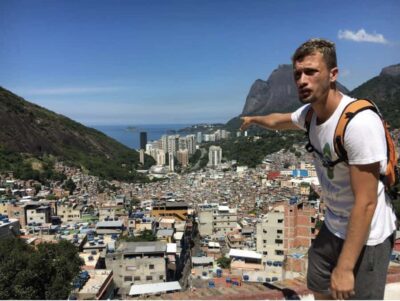


Sunrise and Sunrise Walk Two Brothers with Local Guide
Read our review →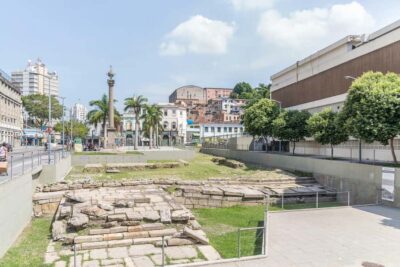
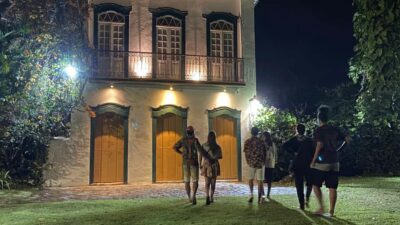
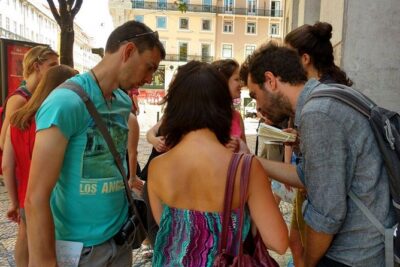
Downtown-Center History Walking Tour – in English
Read our review →
Downtown-Center Walking Tour | 2 Hours – English
Read our review →
Learn the History of Rio with an Unforgettable City Center Walking Tour
Read our review →Browse the lists this tour appears in