
Reviewed · MUSEUMS
Manaus: MUSA and INPA Museums with Observation Tower Tour
The best part of this Manaus outing is the 42-meter observation tower, where the Amazon forest spreads below you in a broad green canopy. You also get two useful introductions to the region: MUSA’s forest paths and exhibits, plus INPA’s long-running research into Amazon plants and animals. I like the hotel pickup and the small group size, limited to 10 people, because both make a city-based nature day easier to manage.
I also like the chance to see orchids, bromeliads, aquariums, insects, snakes, and butterflies without leaving Manaus. The main caution is uneven tour operation: pickup times, guide contact, and the actual guided portions have not always gone as planned, so confirm every detail before you leave your hotel.
In This Review
- Key points to know before booking
- Why MUSA feels different from a standard museum
- The 42-meter tower is the day’s clearest payoff
- What the INPA visit adds to the forest walk
- Wildlife, plants, and exhibits you can actually see
- Hotel pickup is convenient, but confirm the clock
- Guided timing at MUSA needs special attention
- Is $50 a fair price for this day?
- Who will get the most from this Manaus outing?
- Should you book MUSA and INPA together?
- FAQ
- What is included in the tour price?
- Is the MUSA entrance ticket included?
- How high is the observation tower?
- How large is the MUSA park?
- Will I see Amazon wildlife?
- What languages does the guide speak?
- What should I bring?
- Is the tour suitable for wheelchair users or people with mobility problems?
Key points to know before booking
- MUSA covers 100 hectares: Expect forest trails, a lake, plant nurseries, exhibits, and working science areas rather than a polished city museum.
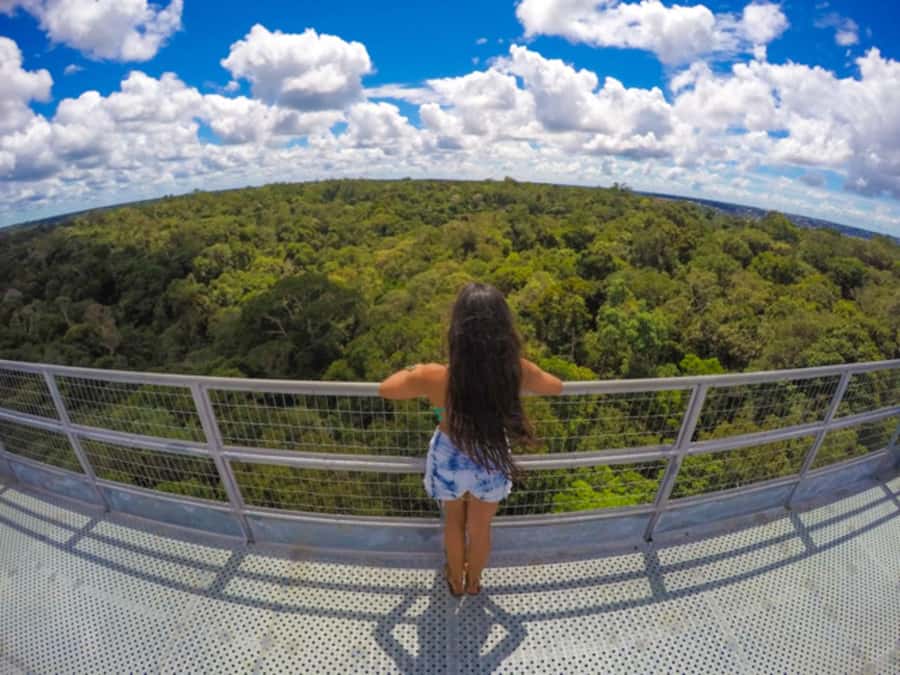
- The canopy tower is the visual payoff: The 42-meter climb gives you a bird’s-eye view of the forest.
- INPA adds scientific context: You can connect the animals and plants you see with more than 60 years of Amazon research.
- The $50 price is not all-inclusive: Add about 30 BRL for the museum entrance, plus your own food and drinks.
- Guiding can make or break the day: Felix has been praised for clear explanations, but some departures have lacked a guide at one or both sites.
- Rain changes the practical details: Bring proper walking shoes, and ask about raincoats and rental rubber boots before entering muddy trails.
Why MUSA feels different from a standard museum
MUSA, short for Museu da Amazônia, occupies part of the Adolpho Ducke Forest Reserve near Manaus. Its 100 hectares give the visit a useful sense of scale. You are not simply moving from one indoor display to another. You follow paths through living forest, with buildings and exhibits placed among the trees.
That setting is the reason to choose this outing. A city museum can show you photographs of Amazon plants and animals. At MUSA, you walk through the kind of forest those displays describe. You might see wildlife along the trails, though this is not a guaranteed animal-spotting tour. The forest itself is the main subject.
The trails also make the visit more physical than the word museum suggests. You should expect walking on paths through a natural area, with some effort required for the tower. Comfortable closed shoes are essential. Open-toed shoes are not allowed, and sandals are a poor choice even if the weather looks dry.
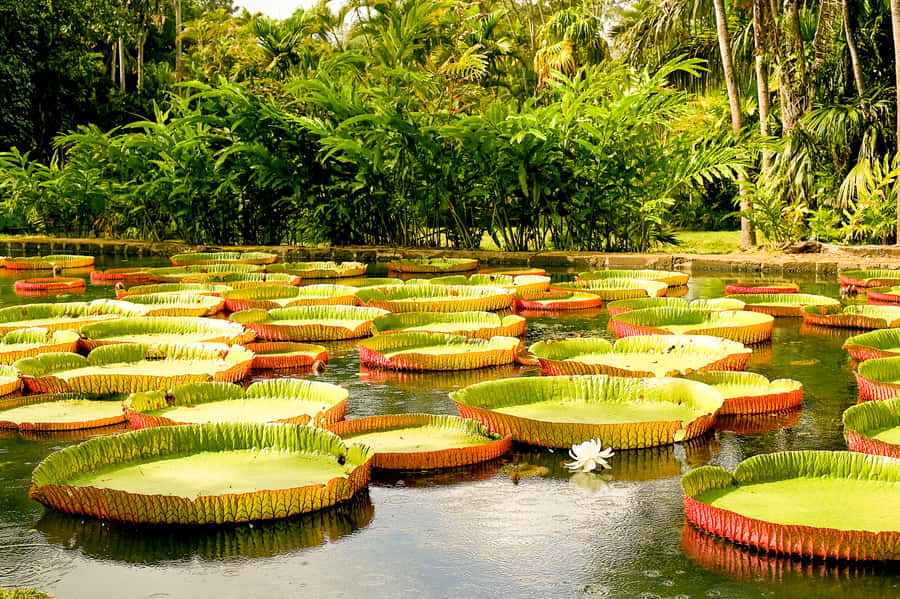
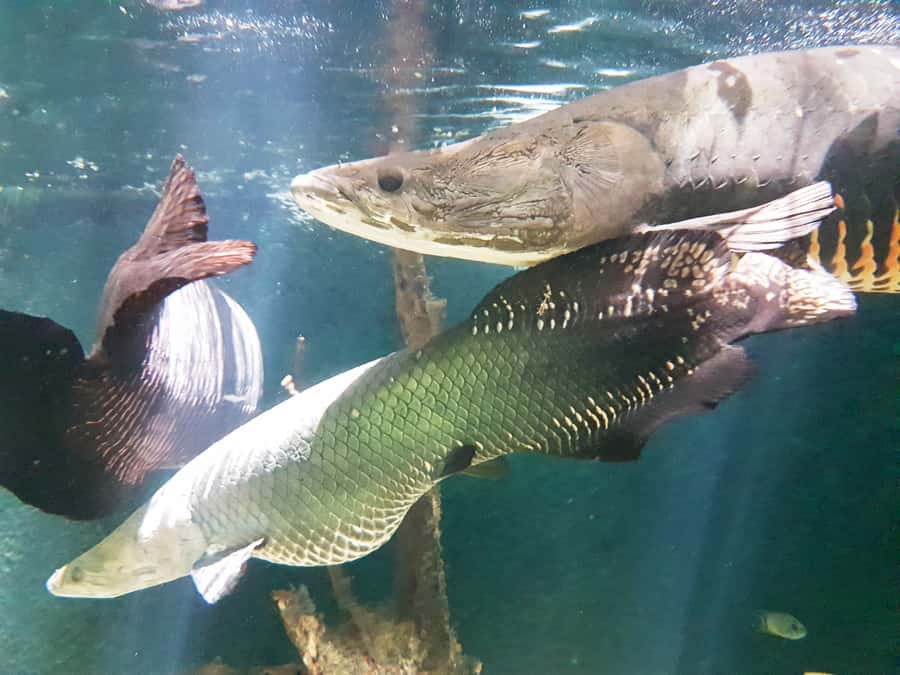
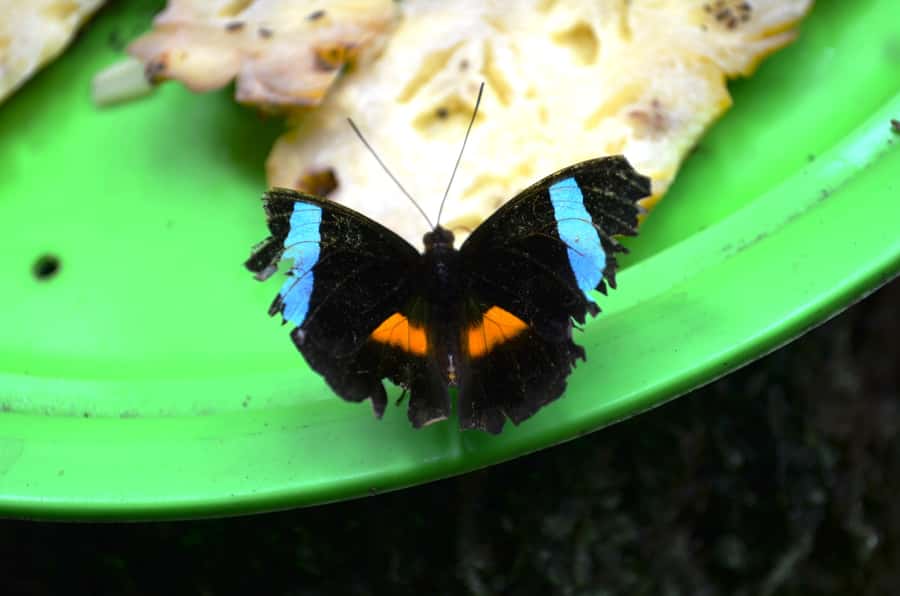
MUSA includes a nursery of orchids and bromeliads, a lake, aquariums, and experimental laboratories. The laboratories contain snakes, insects, and butterflies, giving you a closer look at creatures that are often hard to spot in the forest. For many people, these displays will be more reliable and informative than hoping to see wildlife at exactly the right moment outdoors.
A few more Manaus trips to weigh up
- Manaus : Visit to MUSA (Amazon Museum)
★ 3.0 · 4 reviews - Petrópolis Day Trip from Rio de Janeiro including Imperial Museum and Crystal Palace
★ 4.0 · 101 reviews - 7-Hour Shared Group Santos Tour : Mont Serrat, Coffee Museum and Sightseeing
★ 5.0 · 68 reviews
The 42-meter tower is the day’s clearest payoff
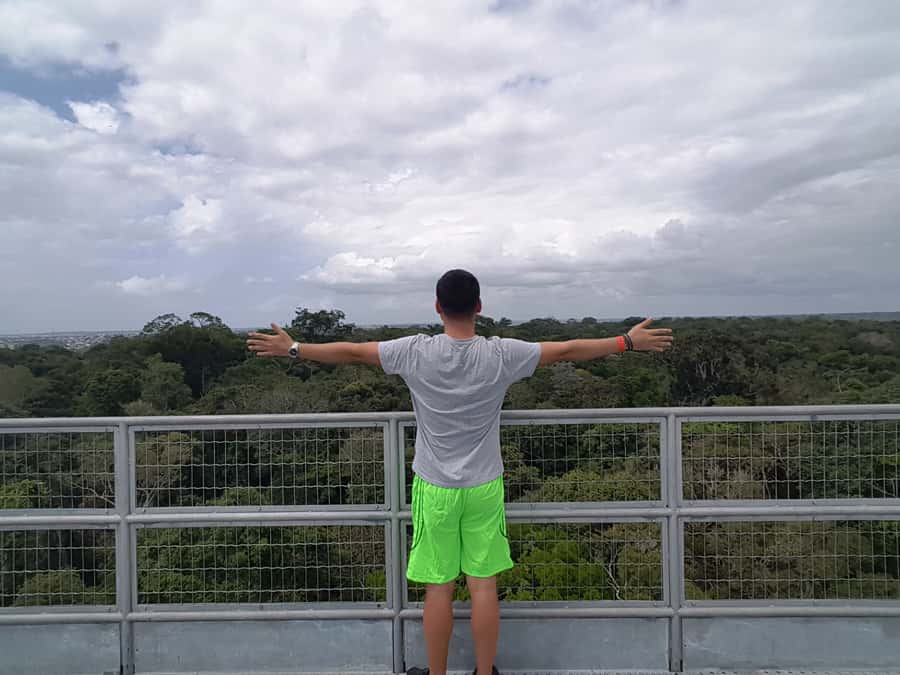
The observation tower rises 42 meters, or about 138 feet, above the forest. From the top, you look across the canopy rather than at individual plants from ground level. That change in height helps you understand how much of the Amazon is made up of a continuous upper layer of trees.
The tower is also the part of the visit that deserves the most attention when you assess your fitness. The outing is not recommended for people with mobility problems, wheelchair users, people with serious back or heart problems, or pregnant women. The combination of forest paths and the tower can be tiring, and the physical challenge is not a minor detail.
Take sunglasses, a sun hat, and sunscreen. Even under tree cover, bright conditions and heat can wear you down. Bring water and food for yourself, since neither is included. The supplied information does not list a restaurant or meal stop, so do not count on lunch being arranged during the tour.
What the INPA visit adds to the forest walk
The National Institute of Amazonian Research, known as INPA, has worked in the region for more than 60 years. Its role gives this outing a useful scientific side. You are not only looking at the Amazon as scenery. You are also learning how researchers study its plants, animals, and wider ecosystem.
The precise order of the two stops can vary, but INPA is meant to complement MUSA. MUSA puts you on forest paths and near living collections. INPA helps explain the research behind Amazon education and conservation work.
One important practical point is that the guided element at INPA may not be consistent. On one departure, the driver accompanied the group on the walk rather than a dedicated guide. That can still get you around the site, but it is not the same as having an English-speaking specialist explain what you are seeing.
If clear interpretation matters to you, confirm before departure that your guide will enter both sites and accompany the walks. This is especially important if you do not speak Portuguese. A guide can explain why a plant matters, identify the purpose of a research area, and connect a small animal display with the larger Amazon ecosystem.
Wildlife, plants, and exhibits you can actually see
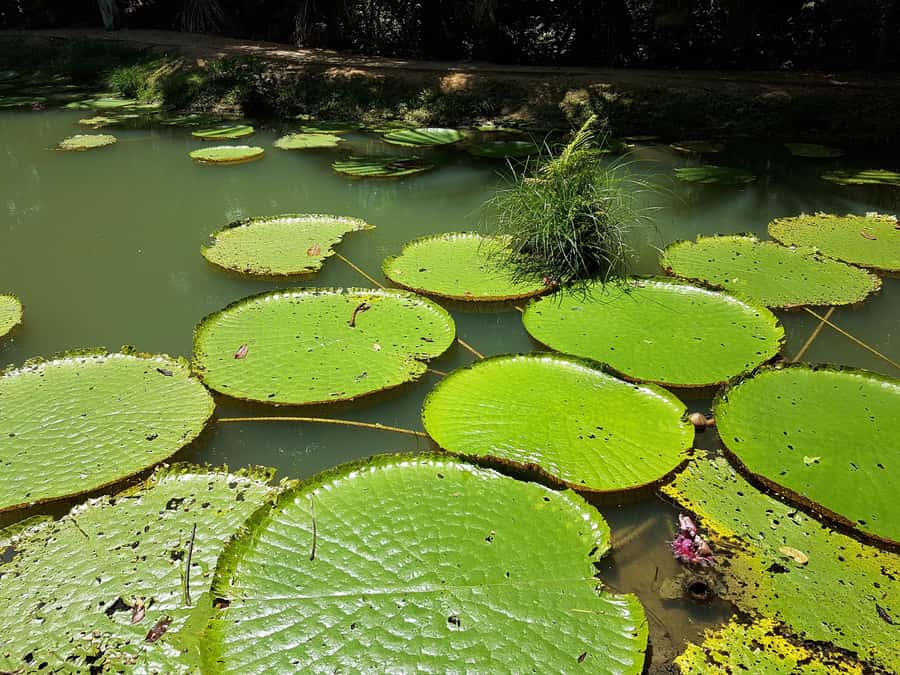
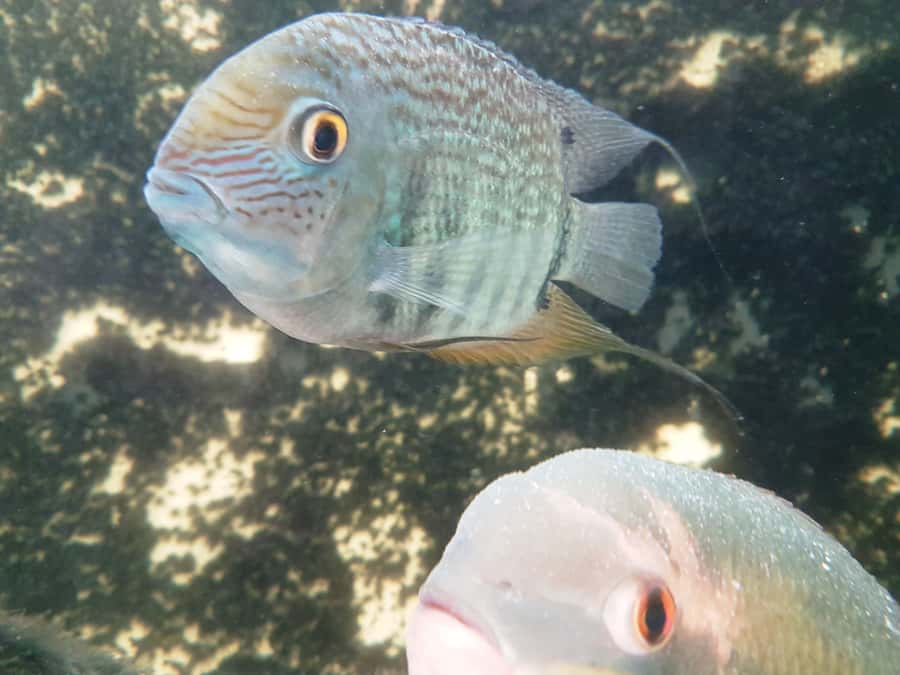
The appeal here is variety. The park gives you forest, while the museum areas provide more dependable encounters with Amazon life. You may see orchids and bromeliads in the nursery, fish or other aquatic life in the aquariums, and insects, snakes, and butterflies in controlled displays.
That mix works well for someone who wants an introduction to Amazon nature but does not have time for a multi-day river or jungle trip. You get a taste of the region’s plants and animals, along with an explanation of how they fit together.
Still, keep your expectations sensible. This is not a safari, and the information does not promise particular wild animals. Wildlife sightings along the trails depend on conditions, timing, and luck. The exhibits and laboratories are the safer reason to book; any free-ranging animal you see is a bonus.
The forest setting can also become muddy in wet weather. During heavy rain, sneakers may get covered in mud, and rental rubber boots may be available but are not always explained clearly at the start. Ask at reception about boots and rain protection before setting off.
Same city, a completely different kind of day:
- From Manaus: One-Day Amazon Jungle Experience
★ 4.8 · 408 reviews - Manaus: Full-Day Tour on the Amazon River
★ 4.2 · 362 reviews - From Manaus: Presidente Figueiredo Waterfalls Daytrip
★ 4.3 · 149 reviews - From Manuas: Full-Day River Tour
★ 4.8 · 102 reviews
Hotel pickup is convenient, but confirm the clock
Round-trip transport from Manaus hotels is included, which is a real benefit in a hot city where reaching the reserve on your own takes planning. You need to give the local partner your hotel address so pickup can be arranged.
The weak point is communication. Pickup times have not always been sent clearly, and some people have had to contact the operator repeatedly to get the driver’s details. One departure also involved a long wait at a hot meeting point for people who never arrived. If you are joining from a cruise ship, pay particular attention to the meeting instructions and the exact time.
I would confirm these details the day before:
- Your pickup time and location
- The driver’s name and phone number
- The order of the INPA and MUSA visits
- The time you should expect to return
- Whether an English-speaking guide will be with you at both sites
- The best contact method if traffic causes a delay
Manaus traffic can be heavy, and rainy-season downpours can make the journey slower. A late arrival is more than an inconvenience if the guide leaves or if you miss a scheduled guided entry. The tour provider should have a clear way to reach the guide, but you should not assume that communication will happen automatically.
There have also been serious concerns about driving quality on one departure, including a driver who appeared to fall asleep. That is not a small service flaw. If your driver seems unsafe or unfit to drive, speak up immediately and contact the operator. The included transfer is useful, but safe, alert driving matters more than saving the cost of a ride.
Guided timing at MUSA needs special attention
MUSA’s guided visits may operate at set times, reported as 9:30 in the morning and 2:30 in the afternoon. This matters because arriving outside those windows can leave you walking the grounds without the English-speaking guide you expected.
The activity description promises a bilingual guide in English and Portuguese, and that guide can add a great deal. Felix, one guide associated with a highly praised departure, was noted for explaining both MUSA and the wider Manaus and Amazon region. If Felix is assigned to your group, you can expect a stronger interpretive visit, but guide assignments are not guaranteed.
A guide is especially useful on forest paths, where signs may be limited and the surroundings can feel dense. Without one, you can still see the paths, lake, plants, and exhibits, but you may miss the connections that turn a walk into a lesson.
The small group limit of 10 is a good feature in theory. It should allow questions and make it easier to stay together on the trails. In practice, the group can lose time if some people are late or if pickup details are unclear. Ask how long the group will remain at each site and do not assume that the advertised return time will be followed exactly.
Is $50 a fair price for this day?
The listed price is $50 per person, with about 30 BRL for museum admission paid separately. Food and drinks are also your responsibility. That makes the true cost higher than the headline price, though the amount still includes round-trip hotel transportation and a bilingual guide when the service operates as planned.
I see the value mainly in convenience. You do not need to arrange transport to two sites, navigate Manaus traffic, or work out how to combine MUSA and INPA on your own. For a first visit to Manaus, that can be worth paying for.
The value falls quickly if you receive only a ride and no proper guide. You can arrange an independent visit by using a local ride service, and one past departure considered that a better option after problems with timing and communication. An independent visit gives you more control, but it may not provide the same bilingual explanations or coordinated transport.
I would book this tour when you place a high value on hotel pickup, prefer a small group, and want both sites handled in one outing. I would compare the price with a private guide or direct transport if you are comfortable arranging each stop yourself.
Who will get the most from this Manaus outing?
This tour suits you if you have one free day in Manaus and want a solid introduction to Amazon plants, animals, and research without spending several hours traveling into remote forest. It also fits people who prefer a planned outing to figuring out local transport on the spot.
You will get the most from it if you enjoy walking, can manage uneven paths, and want explanations rather than only photographs. The combination of forest trails, indoor animal displays, and the tower gives the day several different parts.
It is a poor match if you need step-free access, dislike heat and mud, or require a tightly controlled timetable. It is also not suitable for pregnant people, wheelchair users, or people with mobility, back, or heart problems, according to the stated restrictions.
Rain should not automatically cancel your plans, but it changes what you need to bring. Closed shoes, sunscreen, a hat, and sunglasses are listed essentials. I would also ask about rubber boots and raincoats before beginning the walk.
Should you book MUSA and INPA together?
Book it if you want a convenient, city-based Amazon introduction and are prepared to confirm the details yourself. MUSA’s canopy tower and forest setting are worthwhile, while INPA adds scientific context that helps explain what you see.
I would not book without first confirming the pickup time, guide arrangement, site schedule, and return plan. The day can be excellent with a strong guide such as Felix, but the operation has also shown gaps in communication, timing, and transport. The safest decision is to treat the $50 as payment for transport and a potential guided visit, not a guarantee that every part will run perfectly.
FAQ
What is included in the tour price?
The price includes round-trip transportation, pickup and drop-off at Manaus hotels, and a bilingual guide who speaks English and Portuguese.
Is the MUSA entrance ticket included?
No. You must buy the museum entrance ticket on arrival. The stated cost is about 30 BRL.
How high is the observation tower?
The tower is 42 meters high, or about 138 feet.
How large is the MUSA park?
MUSA covers 100 hectares inside the Adolpho Ducke Forest Reserve in Manaus.
Will I see Amazon wildlife?
You can see animals and insects in the aquariums and experimental laboratories, including snakes, insects, and butterflies. Wildlife along the forest trails is possible but is not guaranteed.
What languages does the guide speak?
The tour offers live guiding in English and Portuguese.
What should I bring?
Bring comfortable closed shoes, sunglasses, a sun hat, and sunscreen. Food and drinks are not included.
Is the tour suitable for wheelchair users or people with mobility problems?
No. The tour is not recommended for wheelchair users or people with mobility impairments because it includes forest paths and a 42-meter observation tower. It is also not suitable for pregnant women or people with back or heart problems.
Just added around Manaus
- Amazon Jungle 3-Hour Tree Climbing Activity★ 4.6 · 6 reviews
- Amazon Safari® Manaus: Day trip on the Amazon River★ 3.8 · 9 reviews
- Manaus: Meeting of the Waters & Pink Dolphin Tour with Lunch★ 3.9 · 37 reviews
- Manaus : Visit to MUSA (Amazon Museum)★ 3.0 · 4 reviews
- Manaus: Presidente Figueiredo Caves and Waterfalls Tour★ 4.8 · 13 reviews
- Manaus: Folklore Amazonian Dinner Show★ 3.3 · 3 reviews
- Manaus to Belem 5-Day Local Boat Trip★ 3.4 · 46 reviews
- Manaus: City Tour★ 3.5 · 4 reviews
Museums, compared.
Petrópolis Day Trip from Rio de Janeiro including Imperial Museum and Crystal Palace
Read our review →
7-Hour Shared Group Santos Tour : Mont Serrat, Coffee Museum and Sightseeing
Read our review →
Olympic Boulevard, Museum of Tomorrow & Historical Rio
Read our review →
Olympic Boulevard, AquaRio and Museum of Tomorrow Tour
Read our review →
Olympic Boulevard, Museum of Tomorrow & History Tour
Read our review →
Official Ticket: Oceanographic Museum Univali – Piçarras – SC
Read our review →
Petrópolis Trip with Palace, Imperial Museum & Brewery
Read our review →
Museum of Tomorrow Guided Tour, Admission & Transfer
Read our review →Browse the lists this tour appears in