
Reviewed · AMAZON JUNGLE TOURS
Manaus : Visit to MUSA (Amazon Museum)
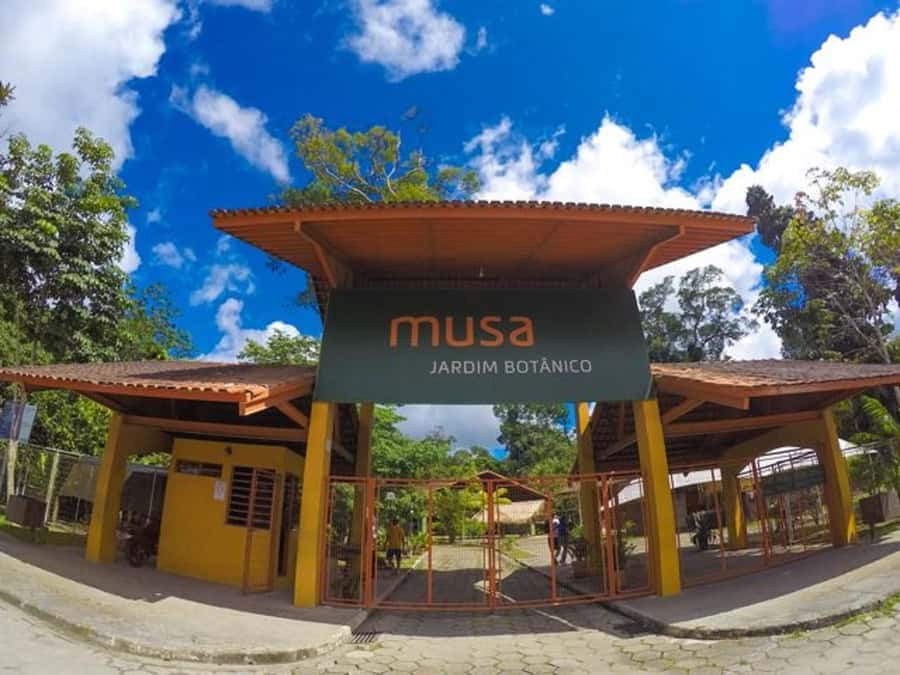
MUSA gives you an unusual way to meet the Amazon without leaving Manaus. The museum occupies part of the Adolpho Ducke Forest Reserve, one of the few primary forests found inside a major urban area, so your visit moves from exhibitions and nurseries into living forest.
I like the mix of science and sensory detail, from snakes, butterflies and bromeliads to the smells of resin and decomposing wood. I also like the sunset finish at the observation tower, which gives the six-hour outing a clear high point. The main caution is value: at about $80 per person, with admission not included, you may pay a lot for transport and a guide on trails you could otherwise walk independently.
In This Review
- Key points to know before booking
- MUSA offers real forest, not just museum displays
- Exhibitions connect people, plants and habitats
- Nurseries bring small Amazon species close
- Forest trails reveal the value of a guide
- The observation tower gives the outing a proper finish
- The $80 price requires a close look
- Six hours is enough for a first visit
- Who will get the most from this MUSA visit?
- Booking advice and cancellation terms
- Should you book the MUSA tour?
- FAQ
- How long does the MUSA experience last?
- What does the price include?
- Is admission to MUSA included?
- Are food and drinks included?
- Which languages are available?
- What should I bring?
- Is the tour wheelchair accessible?
- Can I cancel the booking?
Key points to know before booking
- Primary forest inside Manaus: MUSA protects a large forest area within the city, making it a practical introduction to Amazon habitats.
- Four-part visit: You move through exhibitions, nurseries, forest trails and the observation tower.
- Sunset is the finale: The tower visit is scheduled for late afternoon, so check the starting time carefully.
- Tickets cost extra: The MUSA Botanical Garden admission is not part of the tour price.
- Guide quality can shape the day: Nathan received strong praise, and Lorenzo led a French-language visit for one family.
- Main-trail value needs thought: A guide can explain what you see, but special or less accessible trails may require an additional payment.
MUSA offers real forest, not just museum displays
Manaus can feel like a busy city, yet MUSA places a substantial protected forest within its limits. That contrast is the main reason to consider this outing. You do not need to travel far from the city to see tall trees, vines, insects and the layered sounds of a living forest.
The museum presents itself as the largest preserved fragment of forest in Manaus and as the largest preserved urban forest in Brazil. Those descriptions matter to you because the visit is not a standard indoor museum stop. The buildings and displays are useful, but the forest is the main event.
I would think of MUSA as an introduction rather than a full Amazon expedition. You get a close look at habitats and species, but this is still a managed visitor site. If you have several days in the region, it works well as a first meeting with Amazonian flora and fauna before a longer river or jungle trip.
More Amazon Jungle Tours in Manaus
- From Manaus: One-Day Amazon Jungle Experience
★ 4.8 · 408 reviews - Manaus: Full-Day Tour on the Amazon River
★ 4.2 · 362 reviews - Manaus to Santarém: 36-Hour Ferry on the Amazon
★ 3.9 · 55 reviews
Exhibitions connect people, plants and habitats
The first part of the visit uses themed exhibitions and trails to explain the Amazon’s biological and social variety. You can expect displays about different forest environments, animal habitats, relationships between species and traditional flavors.
That human side is important. The Amazon is not only a collection of impressive plants and animals. Traditional knowledge, food and daily contact with the forest help explain why certain species matter. The exhibits give you a framework for understanding what you later see outdoors.
The quality of this section will depend partly on the guide and on your language needs. Tours are offered in Spanish, English, French and German, and some material remains in its original language. Nathan was specifically praised for his guiding, while Lorenzo led a French-language visit. If you need a particular language, confirm it when booking rather than assuming it will be available on the day.
The exhibitions are also useful if rain interrupts outdoor plans. No exact rain schedule is provided, so you should not count on a detailed indoor substitute, but the museum’s displays give the day more substance than a simple walk through trees.
Nurseries bring small Amazon species close
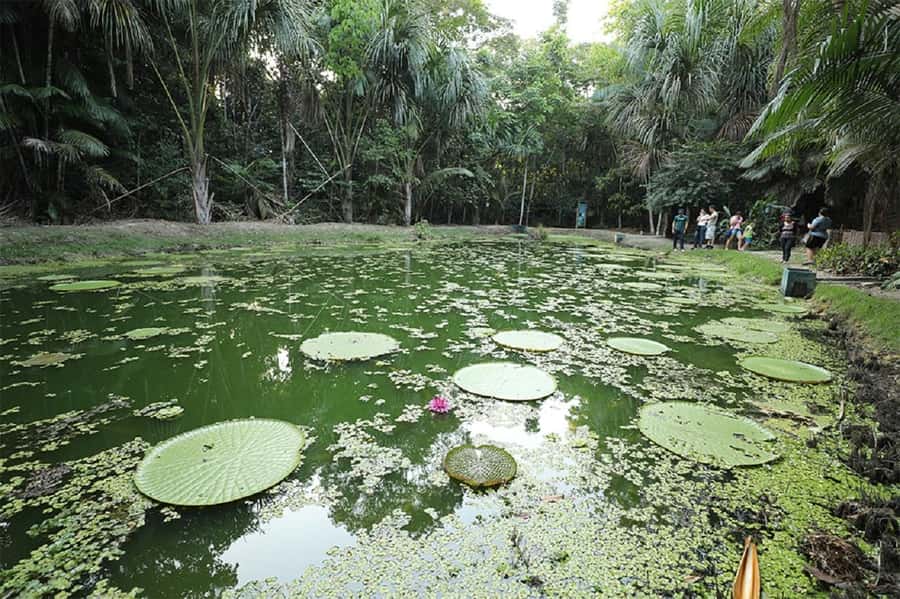
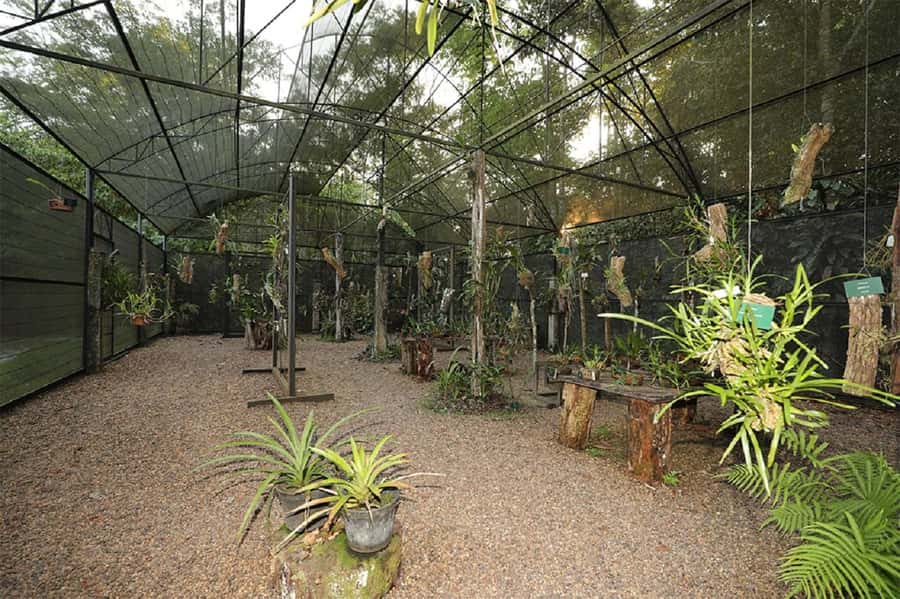
The nurseries and contemplation areas let you look closely at the shapes, colors and sizes of Amazonian life. The listed examples include snakes, fish, butterflies, arachnids, fungi, bromeliads and Amazonian water lilies, often called Amazon victories.
This is where the visit becomes especially useful for families and anyone who finds a forest hard to read. In thick vegetation, a small frog, fungus or spider can disappear into the background. A nursery setting gives you time to see form and color without rushing past it.
The displays also help you notice how different forms of life occupy different spaces. Plants cling, spread or reach for light. Animals move through water, leaves or shaded corners. You will not simply be ticking off species. You will be learning what to look for once the trail begins.
Do not expect a zoo-style spectacle from every nursery. The attraction is close observation, not a constant show. The experience is strongest if you take time to examine details and ask the guide about what you are seeing.
Forest trails reveal the value of a guide
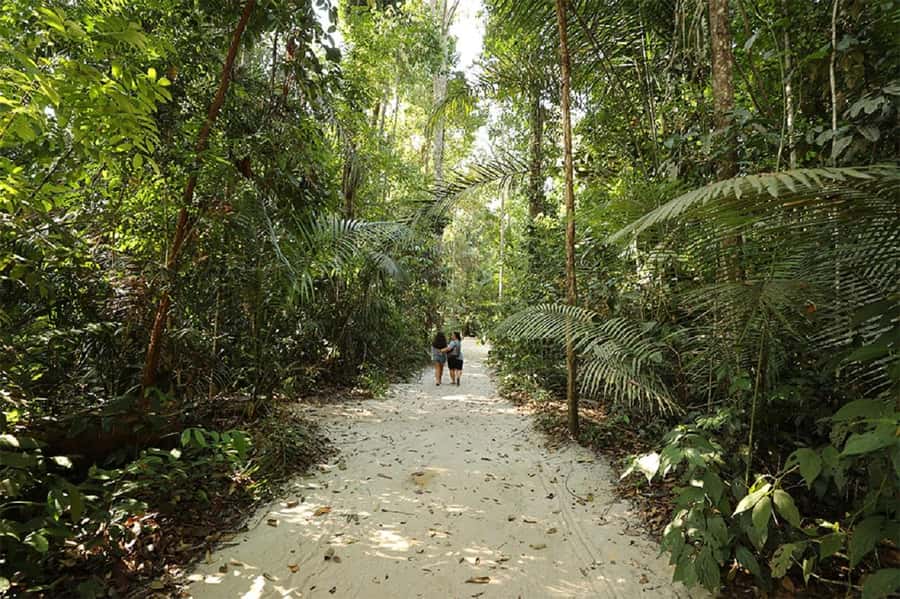
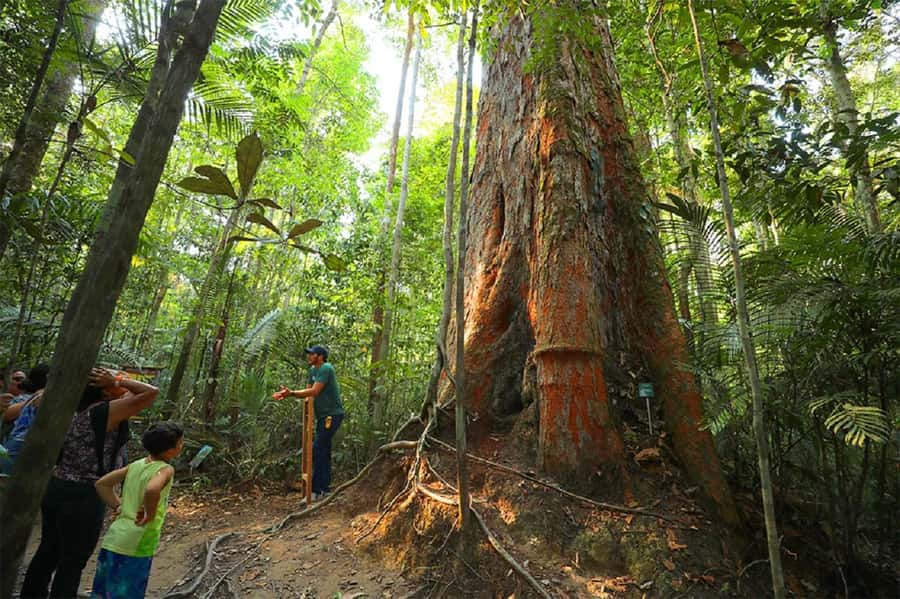
The Adolpho Ducke Forest Reserve is described as primary forest within an urban area, a rare combination. Walking its trails gives you a chance to hear birds and insects, study vines reaching toward sunlight, and notice the difference between light and shade under the canopy.
The sensory side deserves attention. You may notice the smell of resins, compound and decomposed wood, along with changes in humidity and forest sound. Those details are easy to miss if you hurry. I would walk slowly, keep your eyes low as well as high, and let the guide point out what blends into the vegetation.
A guide can add real value here by explaining local plants and helping you notice details you might pass without seeing. One guide received direct praise for his skill with local flora, and another was singled out for guiding in French. The practical value of the guide depends on how much interpretation you want.
This is also where the tour’s value becomes less clear. The main trail can be explored without a guide once you have dealt with admission and site rules. A guide-led walk makes sense if you want explanations, translation or help identifying plants. It makes less sense if you expect access to exclusive forest routes as part of the standard price.
The experience description can sound as if the guide will take you through special trails. That is not something you should assume. One reported experience made clear that less accessible or hidden routes required an extra payment, while the regular path was open to people walking without a guide. Ask exactly which trails are included before you commit.
Same city, a completely different kind of day:
- From Manaus: Presidente Figueiredo Waterfalls Daytrip
★ 4.3 · 149 reviews - From Manuas: Full-Day River Tour
★ 4.8 · 102 reviews - Manaus: Half-Day City Tour
★ 4.0 · 94 reviews - Manaus: Piranha Fishing and Alligator Watch Evening Tour
★ 4.5 · 57 reviews
The observation tower gives the outing a proper finish
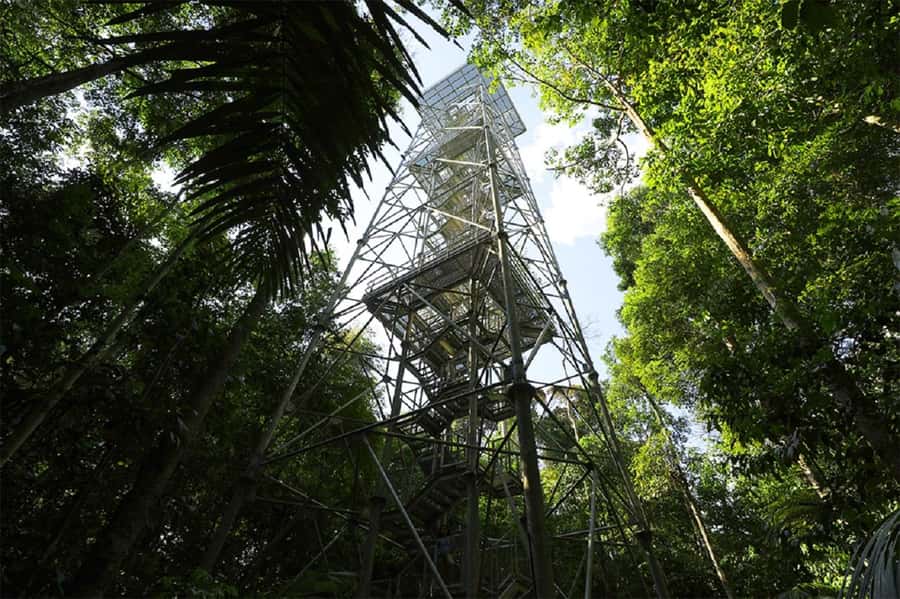
Late in the afternoon, the group climbs the observation tower inside the reserve. From above the trees, you can look across the forest and watch the Amazonian sunset.
This is the most distinctive part of the schedule. A forest walk can blur together after several hours, but the tower changes your viewpoint and gives the outing a natural ending. You see the forest from above rather than only from the trail, and the timing adds a quiet pause after the exhibitions and nurseries.
The sunset is not guaranteed to be dramatic. Weather, cloud cover and the season will shape the view, and no exact sunset time is supplied. Check the tour’s starting time and make sure the schedule places you at the tower in late afternoon.
You should also be comfortable with the physical setting. Closed-toe shoes are required, and you will walk on forest trails before climbing the tower. The activity is listed as wheelchair accessible, but the available information does not explain how every trail section or the tower is handled. If you use a wheelchair, ask the provider for the precise accessible route before booking.
The $80 price requires a close look
The advertised price is $80 per person for six hours. It includes transportation in a car, van or bus licensed by the tourism office, professional driving and a licensed guide. It does not include food, drinks, personal spending or admission to the MUSA Botanical Garden.
That last item is the key cost issue. You should add the entrance fee to your budget before deciding if the package suits you. One family paid about 50 Canadian dollars for admission for three people on top of roughly 330 Canadian dollars for the tour and transport. Prices can change, so treat that figure as an example rather than a current ticket price.
The tour is conducted collectively, which means you share the vehicle and the guiding with a group. That can keep the cost lower than a private outing, but it also means less control over pace. If the group spends longer at the nurseries or exhibitions, you may have less time on the trails or at the tower.
For an independent visitor, the price may feel high because the main trail does not require a guide. You could potentially arrange your own transport and pay the museum admission directly. The organized tour earns its keep when you want door-to-door transport, a licensed driver, language support and interpretation of local flora.
I would book it for convenience, not for supposed exclusive access. If your main goal is to reach MUSA easily and have someone explain the forest, the package can be sensible. If your goal is simply to walk the regular route, compare the cost of going independently first.
Six hours is enough for a first visit
The stated duration is six hours, with starting times dependent on availability. That is long enough to cover the four main parts without treating the museum as a quick stop.
The day likely works best when you think of it in stages:
- Exhibitions: Build context about Amazonian habitats, species and traditional practices.
- Nurseries: Study animals, plants, fungi and water lilies at close range.
- Forest trails: Spend the largest share of your attention on sounds, smells and living vegetation.
- Observation tower: End with a high view and the sunset.
The exact time spent at each stop is not provided, so do not plan a tightly timed evening activity afterward. Transportation can be by car, van or bus, and the trip is shared with other participants. Give yourself room for changes caused by weather or other force majeure events, since dates and itineraries can be altered.
Bring closed-toe shoes. That is not just a dress suggestion. Forest paths and tower access call for secure footwear, and bare feet are not allowed. Smoking, alcohol, drugs and fireworks are also prohibited.
Food and drinks are not included. Carrying your own refreshments may or may not be permitted under site rules, which are not specified here, so ask before arriving. At minimum, plan around the fact that the package does not cover meals or drinks.
Who will get the most from this MUSA visit?
This outing suits you if you have limited time in Manaus and want one organized introduction to Amazonian nature. It also suits families, since the nurseries make small and easily missed species easier to see, while the trails offer a manageable first forest experience.
It is a good match for people who prefer explanation over simply walking. A licensed guide can help with plant identification, cultural context and translation. The availability of Spanish, English, French and German is useful for international groups, though you should confirm your requested language.
The tour is less suitable if you are a confident independent visitor focused on keeping costs low. Since admission is extra and the regular trail can be walked without a guide, you may find better value arranging transport and visiting MUSA on your own.
It may also disappoint you if you expect a private expedition or guaranteed access to special trails. The tour is collective, and additional payment may be needed for routes beyond the main path.
Booking advice and cancellation terms
You can cancel up to 24 hours before the activity for a full refund. The reserve-now, pay-later option lets you hold a place without paying immediately, which is useful while you are still arranging a Manaus schedule.
Immediate confirmation is available through the booking website, but prices can change without prior notice. Read the voucher carefully for pickup and meeting information, since the supplied details do not give a precise pickup point or start time.
MUSA is listed as wheelchair accessible, and the experience is handled by professional drivers. Still, accessibility on the forest paths and tower is not described in detail. Ask before booking if you need a clear route plan.
Should you book the MUSA tour?
Book this experience if you value organized transport and a multilingual guide more than the lowest possible price. The exhibitions, nurseries, forest trails and sunset tower create a well-shaped half-day, and MUSA gives you genuine forest within Manaus.
Think twice if you mainly want the regular trail. Admission is extra, the tour is shared, and special trails may cost more. In that case, independent transport could offer better value.
My practical verdict: MUSA itself is well worth fitting into a Manaus itinerary. The guided package is worthwhile only when its convenience and interpretation match what you need. Confirm the admission cost, the exact trail access and the guide language before paying, then bring closed-toe shoes and save your energy for the tower at sunset.
FAQ
How long does the MUSA experience last?
The activity lasts six hours. Starting times depend on availability.
What does the price include?
The price includes transportation in a car, van or bus licensed by the tourism office, professional driving and a licensed guide.
Is admission to MUSA included?
No. Tickets to the MUSA Botanical Garden are not included in the tour price.
Are food and drinks included?
No. Food and drinks, along with personal expenses, are not included.
Which languages are available?
The listed guide languages are Spanish, English, French and German. Some content is shown in its original language.
What should I bring?
Bring closed-toe shoes. Bare feet are not allowed.
Is the tour wheelchair accessible?
The activity is listed as wheelchair accessible. The available information does not specify the exact accessible route through the trails or tower, so confirm those details before booking.
Can I cancel the booking?
Yes. You can cancel up to 24 hours in advance for a full refund. A reserve-now, pay-later option is also available.
More Museums in Manaus
- Manaus: MUSA and INPA Museums with Observation Tower Tour
★ 3.4 · 26 reviews - Petrópolis Day Trip from Rio de Janeiro including Imperial Museum and Crystal Palace
★ 4.0 · 101 reviews - 7-Hour Shared Group Santos Tour : Mont Serrat, Coffee Museum and Sightseeing
★ 5.0 · 68 reviews - Olympic Boulevard, Museum of Tomorrow & Historical Rio
★ 4.5 · 66 reviews
Just added around Manaus
- Amazon Jungle 3-Hour Tree Climbing Activity★ 4.6 · 6 reviews
- Amazon Safari® Manaus: Day trip on the Amazon River★ 3.8 · 9 reviews
- Manaus: Meeting of the Waters & Pink Dolphin Tour with Lunch★ 3.9 · 37 reviews
- Manaus: Presidente Figueiredo Caves and Waterfalls Tour★ 4.8 · 13 reviews
- Manaus: MUSA and INPA Museums with Observation Tower Tour★ 3.4 · 26 reviews
- Manaus: Folklore Amazonian Dinner Show★ 3.3 · 3 reviews
- Manaus to Belem 5-Day Local Boat Trip★ 3.4 · 46 reviews
- Manaus: City Tour★ 3.5 · 4 reviews
Amazon Jungle Tours, compared.
Jungle Waterfalls and Cachaça Distillery Jeep Tour
Read our review →
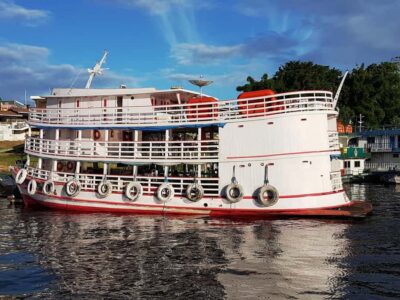
Manaus to Santarém: 36-Hour Ferry on the Amazon
Read our review →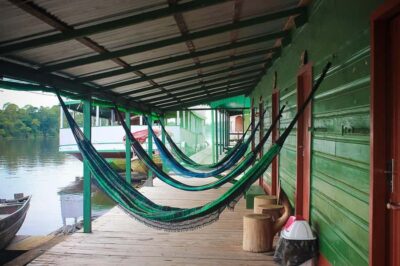
Multi-Day Amazon Trip at Tapiri Floating Lodge
Read our review →

8day expedition of scenic beauty and Amazon traditional culture on Tapajós River
Read our review →Browse the lists this tour appears in