
Reviewed · OLYMPIC BOULEVARD TOURS
Rio: Olympic Boulevard, Museum of Tomorrow & History Tour
Rio’s central district tells a story that Copacabana’s beaches cannot. This four-hour tour moves from the painful history of Valongo Wharf to the bright, futuristic lines of the Museum of Tomorrow, with Rio’s Olympic Boulevard, grand churches, public squares, and famous cafés in between.
I like the sharp contrast between old and new, and I like that the tour includes the Museum of Tomorrow ticket rather than leaving you to arrange it. Guides such as Emma, Emanuella, and Pedro have been praised for friendly, informative explanations, especially about Brazilian history. The main caution is service consistency: some bookings have had trouble with navigation and hotel drop-off, so confirm your pickup details and stay alert when the tour ends.
In This Review
- Key points to know before booking
- Why central Rio deserves half a day
- Starting at Valongo Wharf
- Eduardo Kobra’s mural on Olympic Boulevard
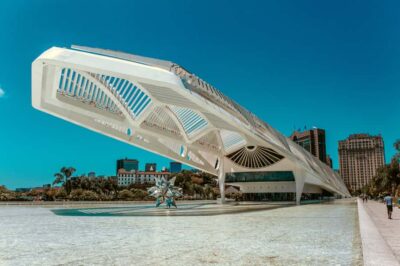
- The Museum of Tomorrow’s futuristic shape
- Saint Benedict Monastery and its golden interior
- The Olympic Cauldron and the road to Praça XV
- Confeitaria Colombo: finish with Art Nouveau and a snack
- Guide quality matters more than usual here
- Transport, walking, and group size
- Who will get the most from this tour
- Should you book the Olympic Boulevard tour?
- FAQ
- How long does the Rio Olympic Boulevard tour last?
- What languages are available?
- Is hotel pickup included?
- Is admission to the Museum of Tomorrow included?
- Is food at Confeitaria Colombo included?
- Does the tour visit Confeitaria Colombo every day?
- How much walking should I expect?
Key points to know before booking
- Valongo Wharf puts Brazil’s African history at the center of the tour, not at the margins.
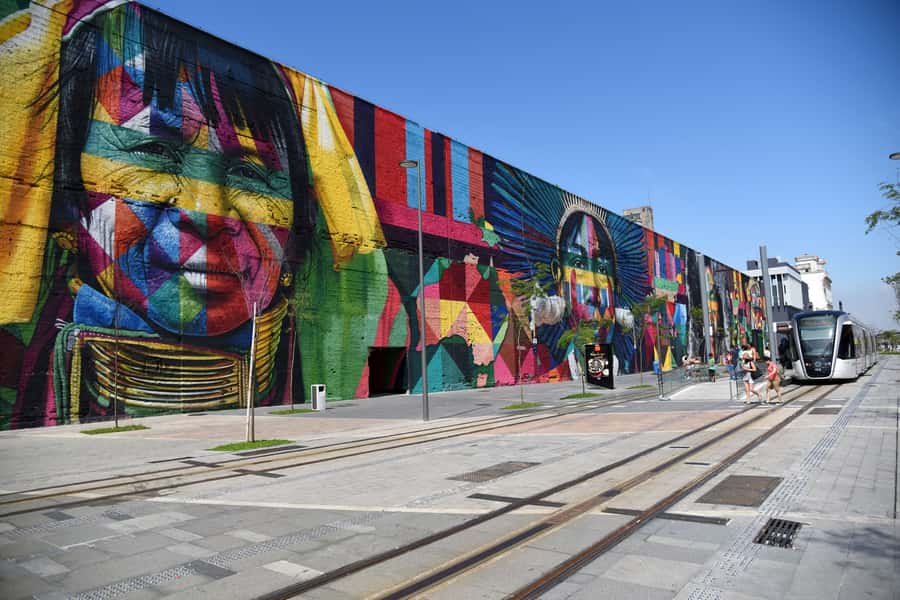
- Eduardo Kobra’s mural is a major photo stop, with five ethnic groups shown in bold geometric colors.
- The Museum of Tomorrow ticket is included, and you can explore much of it at your own pace.
- Saint Benedict Monastery offers a striking interior contrast, from a plain exterior to Baroque decoration covered in gold.
- Confeitaria Colombo is a highlight for architecture and snacks, but it is closed on Sundays and food costs extra.
- The tour uses a van for up to 19 people, followed by a moderate amount of walking through downtown.
Why central Rio deserves half a day
Many first visits to Rio focus on Sugarloaf Mountain, Christ the Redeemer, and the South Zone beaches. Those sights are worth your time, but they show only one part of the city. Downtown gives you a closer look at Brazil’s political past, African heritage, religious art, modern urban renewal, and café culture.
This tour is useful because the stops are connected by a clear theme: Rio is constantly rebuilding its sense of itself. You begin at a site tied to the forced arrival of Africans in Brazil, then move through public art and Olympic redevelopment before ending among imperial buildings and a grand café from the early 20th century.
The $67 price is fair if you want transport from a South Zone hotel, a guide in your language, and admission to the Museum of Tomorrow. It is less compelling if you prefer to move slowly, eat a full meal, or spend a long time inside each attraction. Four hours goes quickly once pickup and walking are included.
More olympic boulevard tours in Rio De Janeiro:
- Olympic Boulevard, Museum of Tomorrow & Historical Rio
★ 4.5 · 66 reviews - Aqua Rio + Olympic Boulevard Tour – Rio de Janeiro by Pepe Rio Tours
★ 4.5 · 54 reviews - Rio: Olympic Boulevard, AquaRio and Museum of Tomorrow Tour
★ 4.5 · 54 reviews
Starting at Valongo Wharf
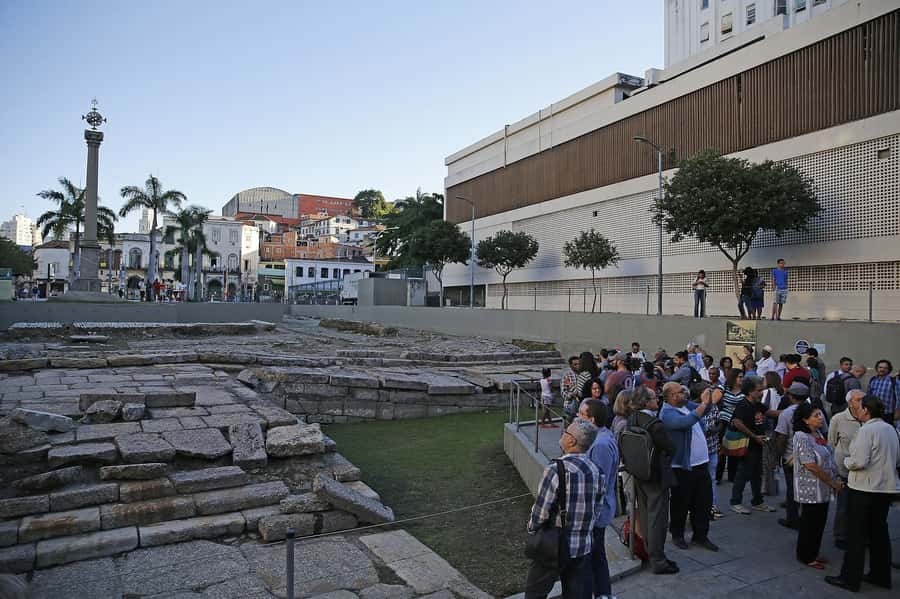
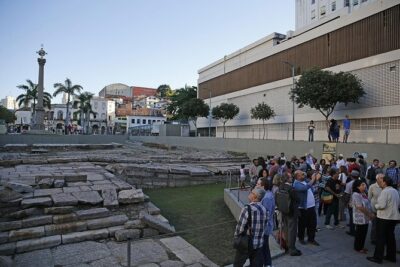
Valongo Wharf is the most serious stop on the route. It was once a landing point for enslaved Africans brought to Brazil, and it is now a UNESCO World Heritage site. Your guide explains the site’s connection to the African influence on Brazilian culture and the difficult history behind Rio’s growth.
This is not a place to treat as a quick photo stop. The remains can look understated, so the guide’s explanation matters. Without context, you might walk past and miss why the wharf is important. With context, it becomes a key to understanding music, food, religion, language, and traditions across Brazil.
The visit also gives the tour moral weight. It does not present Rio only as a beautiful city of beaches and grand buildings. It asks you to consider who built the city and what was lost along the way.
Eduardo Kobra’s mural on Olympic Boulevard
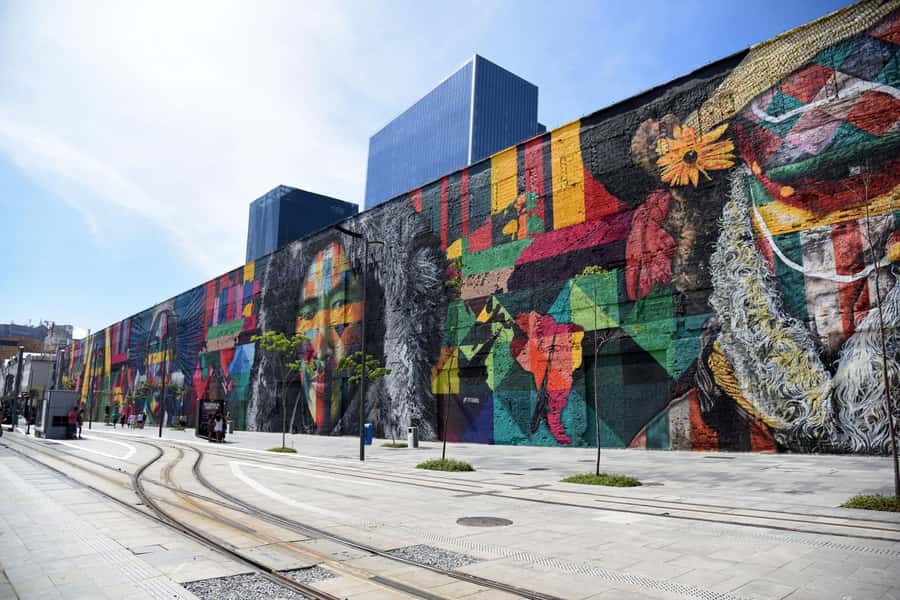
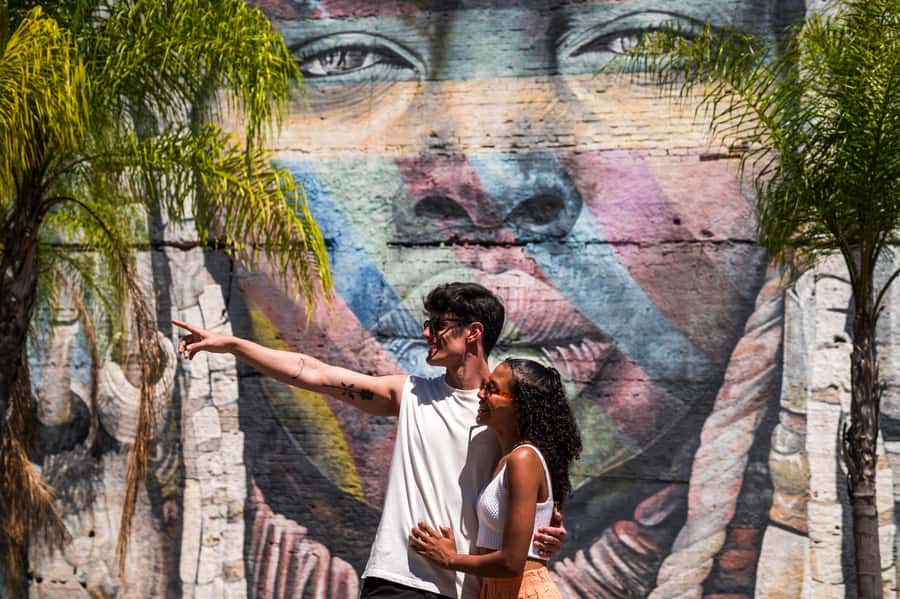
From Valongo Wharf, you walk toward the Kobra mural along the Olympic Boulevard area. Brazilian artist Eduardo Kobra created the enormous work, which portrays five ethnic groups against a colorful geometric background.
This is one of the tour’s easiest wins. The mural is large, graphic, and made for photographs, but it also fits the wider story of Brazil’s many cultural roots. Your guide can point out how the faces and patterns work together rather than leaving you to see it as a colorful wall alone.
Allow for a few pictures, but do not expect a long art lecture or a formal gallery visit. The mural is an outdoor stop, and the amount of time available depends on the group and the pace of the route. Comfortable shoes help here, since the tour includes several walking sections.
The Museum of Tomorrow’s futuristic shape
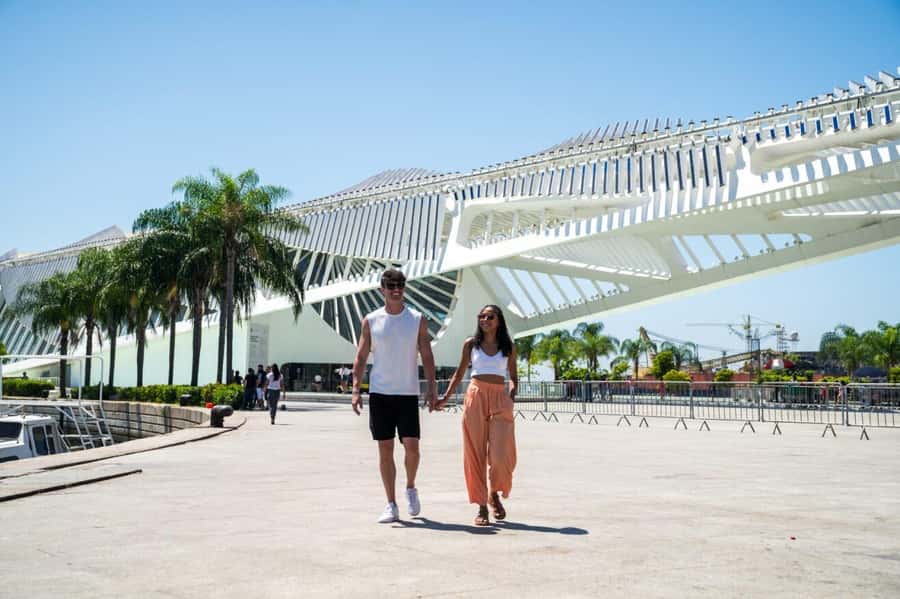
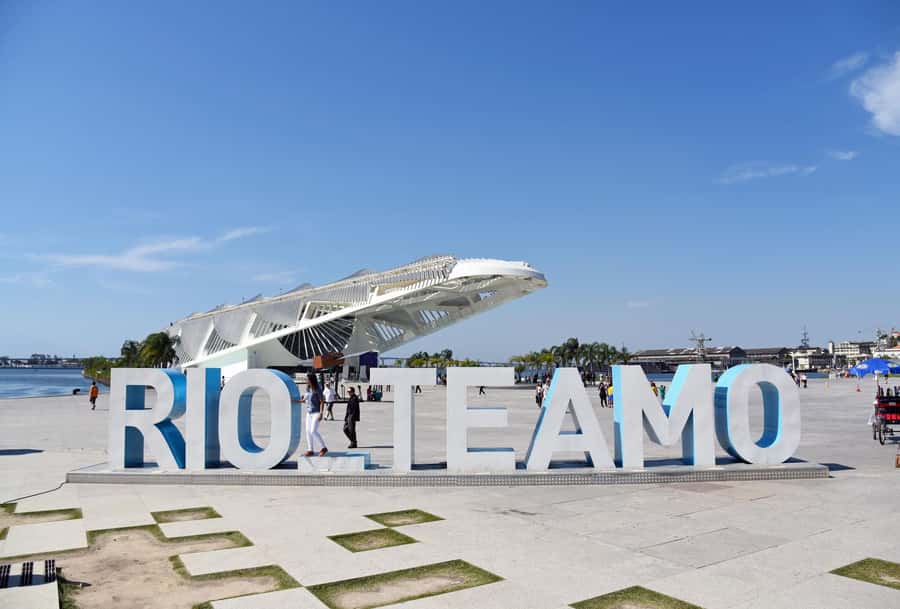
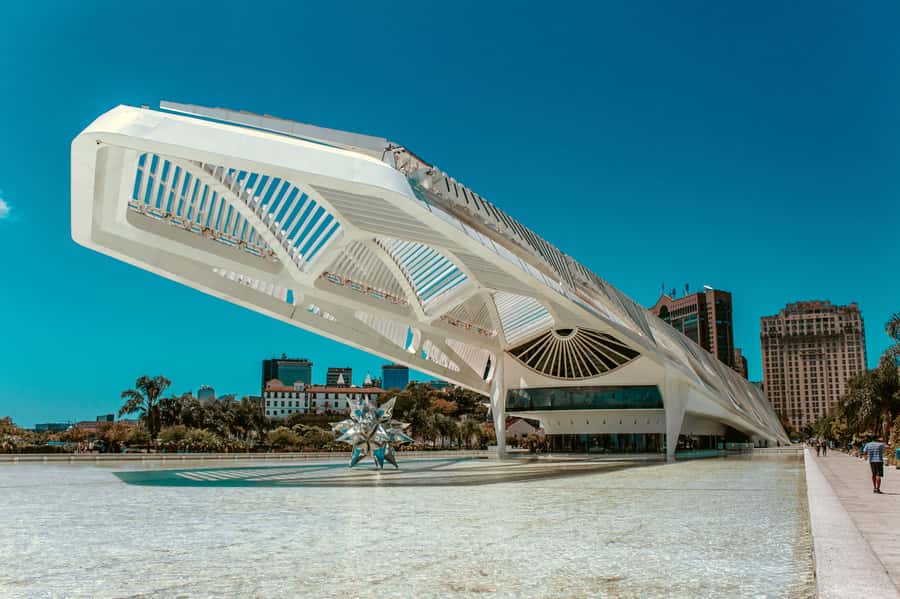
The Museum of Tomorrow is the tour’s modern centerpiece. Its white, forward-looking structure was designed to suggest technology, science, and a changing planet. Even before you enter, the building gives you a strong sense of the area’s Olympic-era redevelopment.
Inside, the museum examines possible futures for the planet and humanity. It is not simply a collection of old objects. The focus is on questions, systems, technology, and the choices that may shape life ahead.
Admission is included, which adds real value. Once inside, you have the chance to explore at your own pace, a useful break from the guide-led rhythm outside. One of the strongest points of the tour is this division: your guide provides the setting and background, then you have room to experience the museum yourself.
The museum is described as Brazil’s most visited museum, but its appeal depends on your taste. If you enjoy science, technology, and big questions about the future, it may be the most memorable stop. If you prefer historic objects and traditional art, Saint Benedict Monastery and Praça XV may speak to you more.
Do not expect the entire museum experience to fit comfortably into a rushed few minutes. The tour lasts four hours overall, and it includes many stops. You should view this as an introduction with admission included, not as a full day devoted to the museum.
A few more Rio De Janeiro trips to weigh up
- Petrópolis Day Trip from Rio de Janeiro including Imperial Museum and Crystal Palace
★ 4.0 · 101 reviews - Rio: Petrópolis Trip with Palace, Imperial Museum & Brewery
★ 4.6 · 42 reviews - Museum of Tomorrow Guided Tour, Admission & Transfer
★ 4.5 · 38 reviews - Rio de Janeiro: Flamengo Museum Ticket Entrance
★ 4.7 · 22 reviews
Saint Benedict Monastery and its golden interior
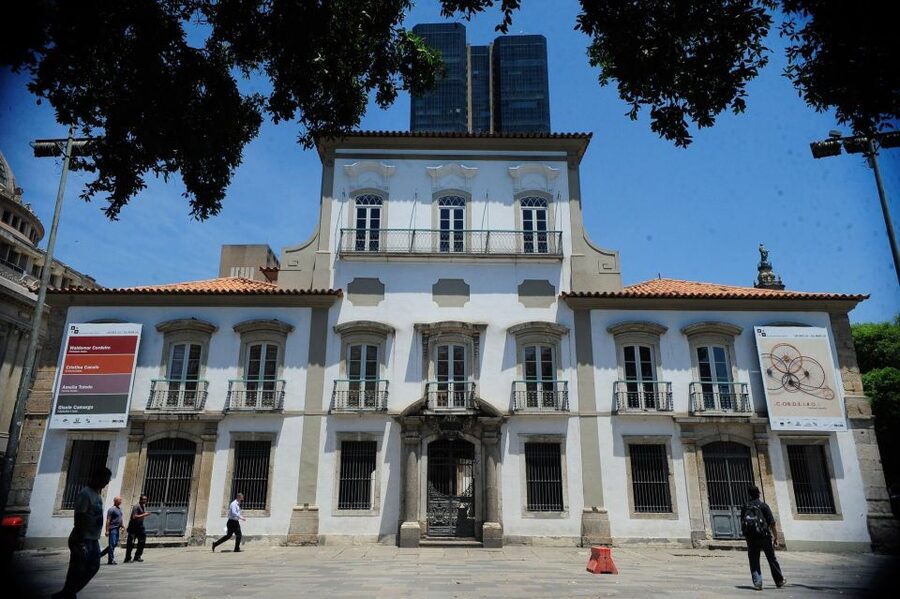
The route then turns from the future to the past at the Monastery of Saint Benedict. Its exterior is notably simple, which makes the interior more surprising. Inside, the Baroque decoration is covered with golden ornament.
This contrast is one of the best teaching moments on the tour. From the outside, the building can seem restrained. Inside, it reveals the wealth, religious power, and artistic style associated with Brazil’s colonial and Baroque periods.
The stop is especially useful if you have already seen Rio’s more famous landmarks and want to understand the city’s older foundations. The guide helps connect the architecture to Brazilian history instead of treating it as just another pretty church.
Because this is an active religious site, the experience is best approached with respect. The information provided describes the visit and its interior, but it does not promise a special service or private access. Your time there can also depend on the group’s pace and the day’s conditions.
The Olympic Cauldron and the road to Praça XV
Before reaching the older streets, you see the Rio 2016 Olympic Cauldron. American artist Anthony Howe created the reflective, kinetic sphere structure. Its moving, light-catching form recalls the Olympic Games while also fitting the modern character of the waterfront redevelopment.
This stop works as a bridge between the museum and the historic center. It shows how Rio uses public art and large civic projects to reshape former industrial and port areas. It is also a short, practical photo stop rather than a long museum visit.
At Praça XV, your guide shifts the focus to imperial Brazil. The square includes one of the former headquarters of the Brazilian empire, and the guide explains important events connected with the area.
This is where a good guide makes a major difference. Names, dates, and buildings can blur together during a short city tour. Pedro has been praised for explaining Brazilian history in a way that helped visitors understand the buildings around them. Emanuella has also been noted for discussing both the country’s history and its architecture in detail.
Confeitaria Colombo: finish with Art Nouveau and a snack
The final stop is Confeitaria Colombo, one of Rio’s best-known historic cafés. Its interior is dressed in Art Nouveau style, with huge stained glass, mirrors, and tiles imported from France, Portugal, and Belgium.
The café adds a human touch to the itinerary. After archaeological remains, museums, churches, and public monuments, you finish in a place where people once gathered for coffee, sweets, and conversation. It also gives you a chance to try a Brazilian snack or dessert, such as coxinha de frango or brigadeiro.
Food and drinks are not included, so budget separately. You can order something modest or make the stop a more indulgent finish. The tour information does not promise a reserved table or a fixed tasting, so treat the café as an opportunity to buy your own refreshment rather than a formal food tour.
Confeitaria Colombo is closed on Sundays. If the café is important to you, choose another day. This is one of the clearest booking details to check before you pay, since the rest of the itinerary may still operate while this stop cannot.
Guide quality matters more than usual here
This route covers slavery and African heritage, colonial religion, imperial politics, public art, science, and urban change. That is a lot for four hours. A strong guide keeps the story connected, while a weak one can make the stops feel like unrelated addresses.
The most encouraging guide reports concern Emma, Emanuella, and Pedro. Emma has been described as friendly and flexible, particularly when allowing time for visitors to explore the Museum of Tomorrow at their own pace. Pedro has been praised for his dedication to Brazilian history and for giving clear explanations. Emanuella has been noted for her detailed discussion of historic buildings.
You should also know that not every departure has gone smoothly. There have been complaints about a guide losing the route, rushing the group afterward, and failing to make sure everyone boarded the correct return vehicle. Another booking involved a missed hotel drop-off and a long wait for an Uber arranged by the company.
Those problems appear linked to individual departures and transport coordination, not to the sights themselves. Still, they matter. At the end of the tour, confirm the vehicle and make sure the driver knows you are meant to return to your hotel. The van may carry people from more than one tour, which can cause confusion.
Transport, walking, and group size
Pickup and drop-off are included only from hotels in Copacabana, Ipanema, Leblon, and Leme. Pickup normally takes place between 8:10 and 8:55 in the morning, before the activity’s listed start time. If you stay in a hostel or bed-and-breakfast, the provider assigns a nearby hotel for pickup and return.
Confirm the exact time with the provider. Do not assume the general time range is your personal departure time. If you do not receive confirmation, contact the provider before the morning of the tour.
The air-conditioned van can carry up to 19 people. That is not a tiny private outing, but it is still more manageable than a large coach tour. Group size affects how quickly everyone gathers at the mural, crosses streets, boards the van, and moves between stops.
A moderate amount of walking is involved. Wear comfortable shoes, and expect the tour to operate in rain or shine. The mix of van rides and walks makes the route possible in half a day, but you should not book it if you want a completely easy, seated sightseeing experience.
Who will get the most from this tour
I would choose this tour if you are staying in the South Zone and want a structured introduction to central Rio. It suits first-time visitors who want more than the usual postcard sights, as well as returning visitors who have already seen the major viewpoints.
It is especially good for you if:
- You want Brazilian history explained as you walk.
- You like combining public art, museums, churches, and historic squares.
- You value included museum admission and hotel transport.
- You are comfortable walking at a group pace.
- You want a guide in English, Spanish, or Portuguese.
It is less suitable if you want a slow museum visit, a private guide, or a dedicated food experience. Families can book, but children must be accompanied by an adult. Children under five go free only if they do not occupy a seat, and unaccompanied minors are not allowed.
The tour requires a minimum number of participants. If that minimum is not met, the departure can be canceled, with a different date or full refund offered. You can cancel up to 24 hours ahead for a full refund, and the reserve-now, pay-later option gives you some flexibility while your plans are still taking shape.
Should you book the Olympic Boulevard tour?
Book it if you want central Rio explained through several eras in one compact morning. The combination of Valongo Wharf, Kobra’s mural, the Museum of Tomorrow, Saint Benedict Monastery, Praça XV, and Confeitaria Colombo gives you a wider view of the city than a beach-focused itinerary.
The best value comes from the included museum ticket and hotel transport, especially when you add a guide who can connect difficult history with the buildings around you. The main risk is uneven organization, particularly at the return transfer. Confirm pickup, listen carefully when the guide explains the vehicle plan, and check that you are on the correct van before departure.
At $67, I would call this a solid choice for a first look at downtown Rio, provided you accept the group format and keep your café expectations simple. Choose a day other than Sunday if Confeitaria Colombo matters to you, and wear shoes made for walking.
FAQ
How long does the Rio Olympic Boulevard tour last?
The tour lasts four hours, including the guided downtown experience and the visit to the Museum of Tomorrow.
What languages are available?
Live commentary is available in English, Spanish, and Portuguese.
Is hotel pickup included?
Pickup and drop-off are included from hotels in Copacabana, Ipanema, Leblon, and Leme. If you stay in a hostel or bed-and-breakfast, you will be assigned the nearest hotel pickup point.
Is admission to the Museum of Tomorrow included?
Yes. The Museum of Tomorrow ticket is included in the tour price.
Is food at Confeitaria Colombo included?
No. Food and drinks are available to purchase at Confeitaria Colombo, but they are not included.
Does the tour visit Confeitaria Colombo every day?
Confeitaria Colombo is closed on Sundays, so this final stop is not available on Sunday departures.
How much walking should I expect?
A moderate amount of walking is involved. Comfortable shoes are recommended, and the tour operates in rain or shine.
More Historical Tours in Rio De Janeiro
- Rio de Janeiro: Historic Rio and Santa Teresa Half-Day Tour
★ 4.4 · 228 reviews - Rio de Janeiro: Little Africa Heritage Walking Tour
★ 4.9 · 177 reviews - Explore Little Africa : Unveiling Afro Heritage in Rio de Janeiro
★ 5.0 · 97 reviews - Learn the History of Rio with an Unforgettable City Center Walking Tour
★ 5.0 · 82 reviews
Just added around Rio De Janeiro
- Vidigal Favela Tour★ 4.4 · 26 reviews
- Hang gliding flight in Rio de Janeiro★ 5.0 · 6 reviews
- Rio de Janeiro: Zip Lining and Canopy Tree Tour★ 3.3 · 6 reviews
- Rio de Janeiro: Attend a Vasco da Gama game with local guide★ 4.8 · 9 reviews
- Unforgettable Boat Party★ 5.0 · 3 reviews
- Tijuca Forest Hike – Waterfalls & Caves, Nature & Wild Life!★ 5.0 · 51 reviews
- Rio Highlights: Christ, Sugarloaf, and More in a Private Tour★ 5.0 · 36 reviews
- Tijuca Forest w/ Chinese View,cascatinha Taunay,horto waterfall and parque laje★ 4.5 · 29 reviews
Olympic Boulevard Tours, compared.
Olympic Boulevard, Museum of Tomorrow & Historical Rio
Read our review →
Olympic Boulevard, AquaRio and Museum of Tomorrow Tour
Read our review →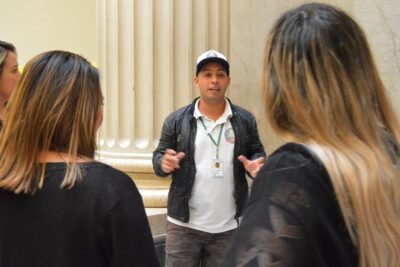
Aqua Rio + Olympic Boulevard Tour – Rio de Janeiro by Pepe Rio Tours
Read our review →
Browse the lists this tour appears in