
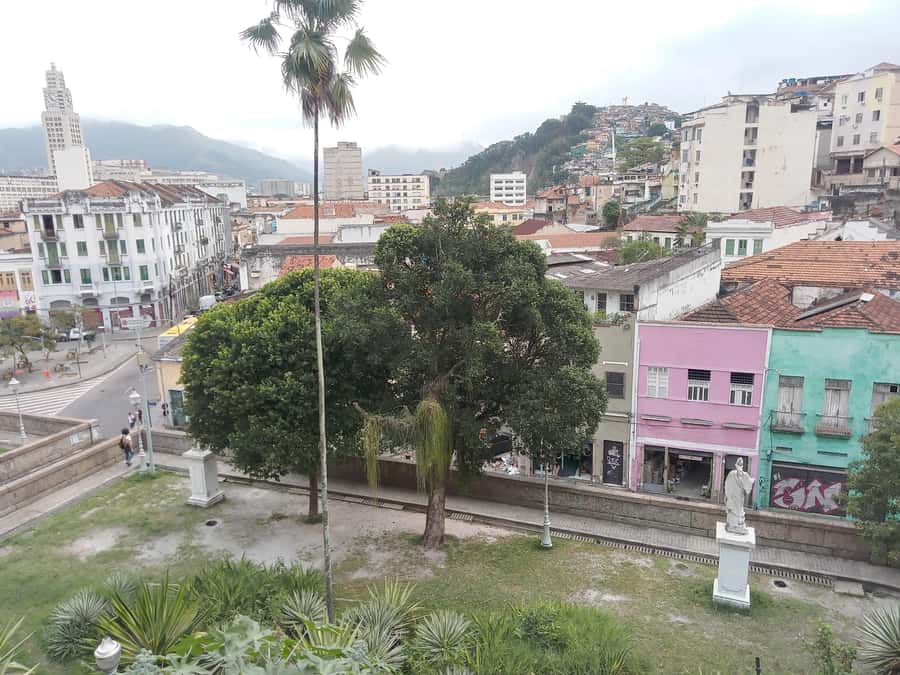
Reviewed · WALKING TOURS
Little Africa – Walking tour from the passed to the future
Rio’s Little Africa is not a sightseeing backdrop. It is the place where many Africans first entered Brazil, and this three-hour walk traces that painful story through former markets, homes, shops, alleys, and burial grounds. The tour connects slavery to living culture, rather than treating the past as a museum display.
I like the small-scale, walking format, which lets you pause at historic places and listen closely to the guide’s explanation. I also like the human touch brought by guides such as Larissa, Gabriela, Luana, and Rafael, whose passion and care have made this experience memorable for many people. The main caution is language quality: two English-speaking customers found their guides difficult to understand, so confirm your preferred language before booking.
In This Review
- Key points to know before you book
- Walking into Rio’s African past
- The first stops: markets, homes, and forced arrival
- Burial grounds and the human cost of the route
- The guide can make or break the experience
- From painful memory to present-day culture
- Three hours on foot, with practical limits
- Is the price fair?
- Who will get the most from Little Africa?
- Small details that improve the day
- Should you book this Little Africa walk?
- FAQ
- Where does the Little Africa walking tour meet?
- How long does the tour last?
- Which languages are available?
- What is the total price per passenger?
- Are museum entrances included?
- Can children join the tour?
Key points to know before you book
- A three-hour walk through Little Africa: Explore one of Rio’s most important African heritage areas on foot, starting from downtown.
- History you can feel at the site: The route includes the former slave market area, houses, shops, and graveyards connected to African arrivals in Brazil.
- Guide quality matters: Larissa, Gabriela, Luana, and Rafael received especially warm praise, while two English-language bookings reported communication problems.
- A serious and emotional experience: The subject matter can be difficult, and respectful behavior is expected throughout the walk.
- The real cost is higher than the online price: Pay US$32 through the booking platform, then R$160 per person to the guide, for a listed total of R$310 per passenger before any card tax.
- Languages and family pricing: Tours are offered in English, Portuguese, and Spanish. Children aged 5 to 10 receive a discount, while children aged 0 to 4 ride free on a parent’s lap.
Walking into Rio’s African past
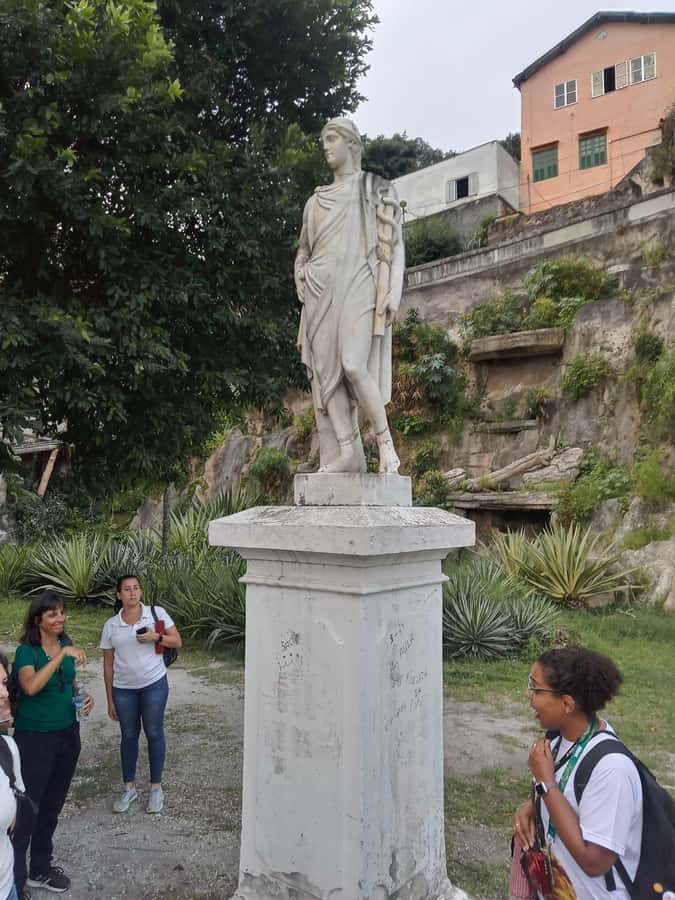
Little Africa was the entry point for many men, women, and children brought from the African continent to Brazil. The area once held an open slave market, stores, homes, and burial grounds, so the walk deals directly with the machinery of slavery and the lives shaped by it.
That setting gives the tour its force. You are not simply looking at an isolated monument and moving on. You walk through streets and alleys where several parts of the story once existed side by side: commerce, housing, death, forced arrival, and the beginnings of new communities.
I appreciate this kind of history lesson because the places help give shape to the guide’s words. A strong guide can help you picture how the district worked and explain why African heritage remains central to Brazilian culture. Larissa was especially praised for telling the story with energy and detail, while Gabriela was described as both personable and well prepared.
The subject is heavy. Many people become emotional during the walk, and that is a normal response to the material. You should arrive ready to listen, avoid treating the sites as casual photo stops, and allow the guide to set the tone.
A few more Rio De Janeiro trips to weigh up
- Rio de Janeiro: Rocinha Favela Walking Tour with Local Guide
★ 4.8 · 3,052 reviews - Rio De Janeiro: Half-Day Rocinha Favela Walking Tour
★ 4.7 · 2,272 reviews - Sunrise and Sunrise Walk Two Brothers with Local Guide
★ 5.0 · 193 reviews
The first stops: markets, homes, and forced arrival
The exact order of stops can vary, but the walk is built around the physical remains and remembered spaces of Little Africa. You can expect the guide to point out the former open market and explain its place in Rio’s history.
This is likely to be one of the hardest parts of the experience. The market was connected to the forced sale of African men, women, and children, so the tour asks you to face an uncomfortable reality rather than soften it. The value here is not entertainment. It is context, especially if your understanding of Brazil has focused mainly on colonial architecture, beaches, music, or carnival.
The guide also discusses the shops and houses that once filled the area. These details help you see Little Africa as a lived-in district, not only as a site of tragedy. People worked, lived, worshipped, mourned, and formed communities here. That wider view matters because African heritage in Brazil is not confined to the era of enslavement.
Pay attention to the guide’s remarks as you move between stops. Much of the experience depends on explanation. The physical remains may not tell the full story on their own, and the walk will be far more useful if you listen for connections between each location.
Burial grounds and the human cost of the route

The graveyards add another layer to the walk. They remind you that the people brought through Little Africa were not numbers in a ledger. They were individuals whose lives and deaths were tied to this district.
This section may be especially emotional. The tour information asks you to be respectful, and that advice should guide your behavior throughout the route. Keep your voice low when appropriate, listen before taking photographs, and follow any instructions given at the site.
I like that the experience includes these places because they keep the story grounded. A discussion of slavery can become distant when it is presented only through dates and broad facts. A burial ground brings the human cost close to the street beneath your feet.
At the same time, do not expect a polished museum-style presentation at every stop. The walk takes place across a large urban zone, and some locations may be remains or markers rather than intact buildings. You are paying for the guide’s interpretation as much as for access to physical sights.
The guide can make or break the experience
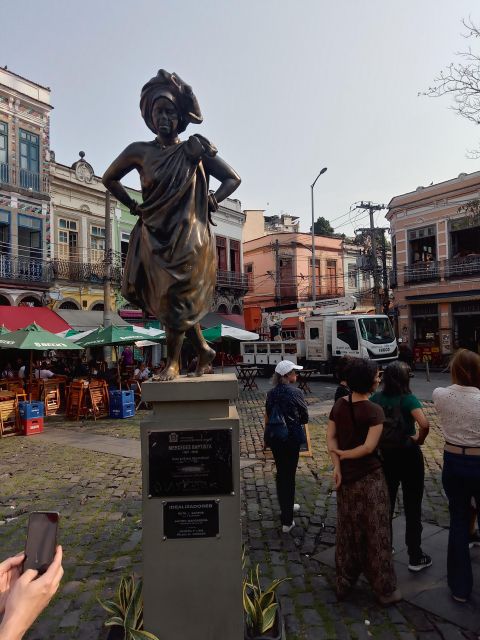
The strongest praise centers on the guides’ passion, care, and ability to tell the story. Larissa was singled out for making the past easy to picture. Gabriela was praised for being personable and well informed. Luana earned appreciation for her kindness, thoughtfulness, and clear explanations, while Rafael was praised for both the tour and the company’s flexibility after a delayed flight.
Those names are useful when you book, but guide assignments can change. I would treat them as examples of the level of service possible, not as a guarantee that one of them will lead your group.
Language deserves special attention. The experience is offered in English, Portuguese, and Spanish, but two English-speaking customers had trouble understanding their guide. One specifically felt the tour would work better in Portuguese because the guide could not express the material clearly in English.
That does not mean every English tour has this problem. It does mean the subject is too subtle to leave communication to chance. When you reserve, confirm the language and ask whether the guide is comfortable explaining historical details in that language. If you speak Portuguese or Spanish, those options may give you a wider choice of guides and a smoother conversation.
A good guide does more than recite facts. You need someone who can explain terms, answer questions, and handle the emotional weight of the subject with care. The most successful accounts of this walk point to exactly that combination.
Same city, a completely different kind of day:
- Rio de Janeiro: 6-Stop Highlights of Rio with Lunch
★ 4.4 · 5,157 reviews - Christ the Redeemer Entry Ticket by Corcovado Train
★ 4.4 · 4,476 reviews - Rio de Janeiro: Sugarloaf Cable Car Official Ticket
★ 4.6 · 2,873 reviews - Rio: Christ the Redeemer, Sugarloaf, Selaron & BBQ Lunch
★ 4.5 · 2,428 reviews
From painful memory to present-day culture
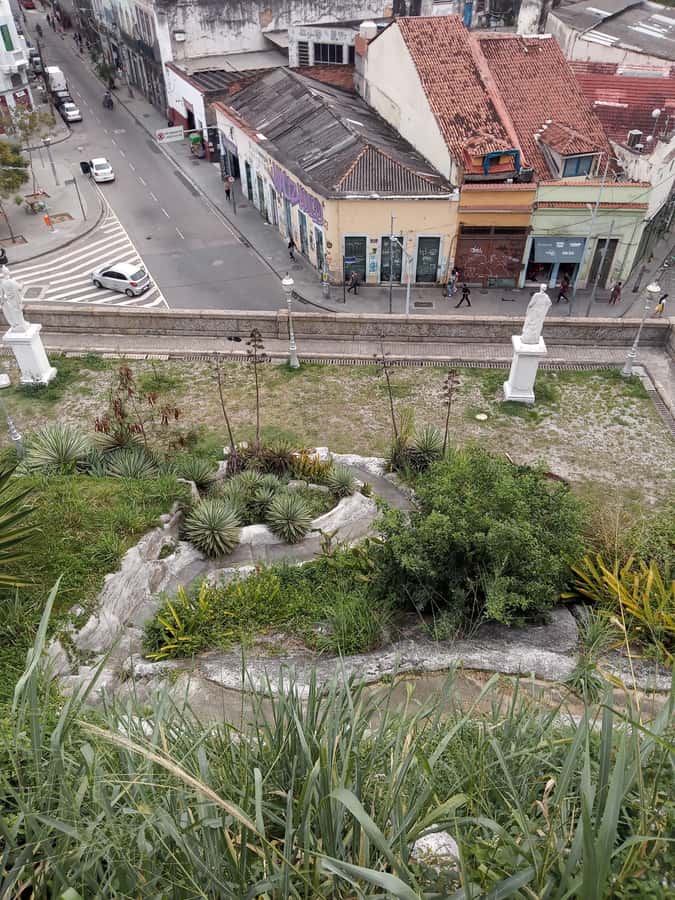
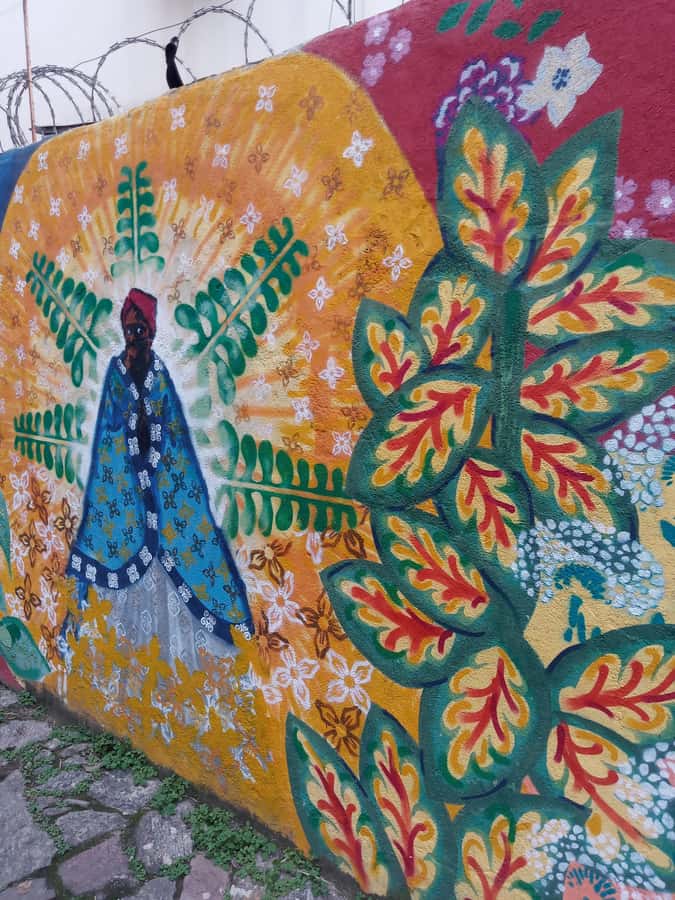
The tour is not only about what happened in the past. Its stated focus reaches toward art, culture, and the future, helping you connect African heritage with Brazil today.
As you walk, the guide can place the historic sites within the broader cultural life of Rio. The point is not to separate African influence into a finished chapter. It is to show that the people and communities connected to Little Africa helped shape Brazilian identity and continue to matter.
The art and cultural elements also keep the route from becoming a sequence of grim facts. You may encounter cultural spaces or museum-related material as part of the walk, but the exact access included in the price needs attention. One customer had to pay an additional museum entry fee, and an exhibit at an art museum was not part of the tour.
That is an important limitation. If you are booking because of a particular museum or temporary exhibition, ask before paying. The walking tour may pass near cultural attractions without including every interior, exhibit, or entrance ticket.
The future theme gives the tour a useful final direction. After hearing how Little Africa was used and remembered, you can think about how the area is represented now and what visitors owe to places tied to painful history. The experience is strongest when you leave with questions, not just a list of stops.
Three hours on foot, with practical limits
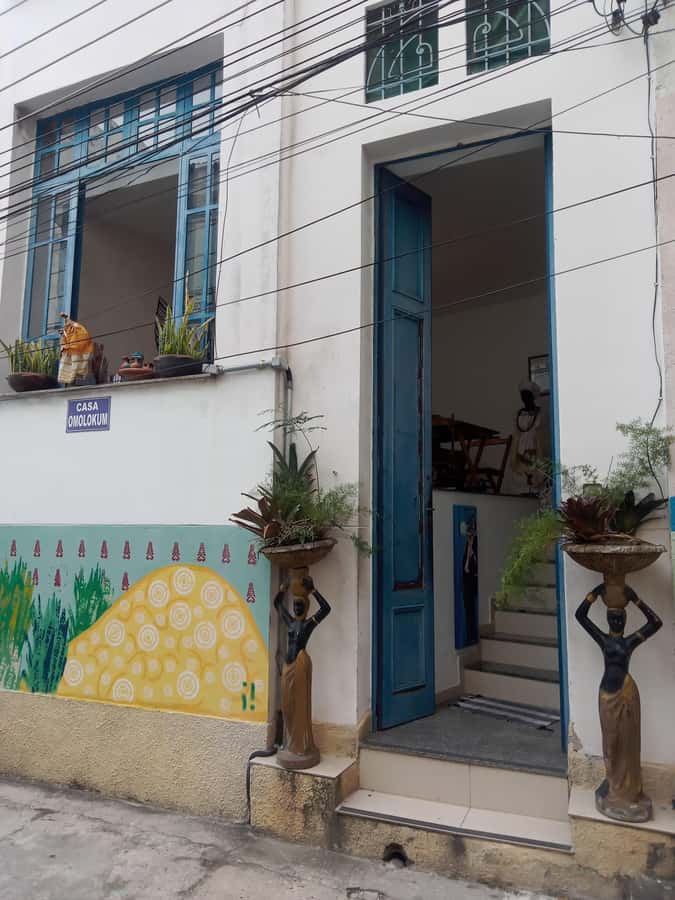
The scheduled duration is three hours. That is enough time for a meaningful introduction to Little Africa without taking up an entire day in Rio, but it is still a walking tour, so you should plan for steady movement through the downtown area.
The meeting point is in downtown Rio de Janeiro. Transportation is not included, and neither are food, drinks, or souvenirs. Plan your route to the meeting point in advance and bring water if you normally need it during a three-hour walk.
The supplied details do not give a precise walking distance, accessibility information, or a full stop-by-stop timetable. I would not assume that every part of the route is easy for every mobility level. Ask the operator about the walking surface, pauses, and access needs before booking if those details affect your decision.
The minimum group size is two customers. If you are traveling alone, contact the provider before making a reservation. That requirement is easy to miss and could affect your plans, especially if you are building a tight Rio schedule.
The tour is available in English, Portuguese, and Spanish. Children aged 5 to 10 receive half-price treatment according to the booking details, while children aged 0 to 4 go free on a parent’s lap. The information gives slightly different age wording in different places, so families should confirm the child rate at booking.
Is the price fair?

The advertised online price is US$32 per person, but that is not the whole payment. The details state that you pay US$32 through the booking website or app, then R$160 per person directly to the guide. The listed total is R$310 per passenger, and card payments for the additional amount carry a 5 percent tax.
Because the two currencies can move against one another, check the final amount at the time you book. The practical value depends on the guide, the language match, and how much historical interpretation you want from the walk.
For a three-hour private-feeling cultural experience with a live guide, the price can be reasonable if you care about context and storytelling. You are not paying for transport, meals, souvenirs, or every museum entrance. You are paying mainly for the route and the guide’s service.
That extra museum charge is the clearest value warning. If an interior museum visit matters to you, ask exactly what is included before you reserve. The same applies to art exhibitions. A nearby exhibit may not form part of the tour, even if the route includes an art or cultural stop.
Free cancellation up to 24 hours before the start and the reserve-now, pay-later option make the booking less rigid. Those policies help if your Rio schedule is still moving, but they do not remove the need to understand the extra payment made directly to the guide.
Who will get the most from Little Africa?
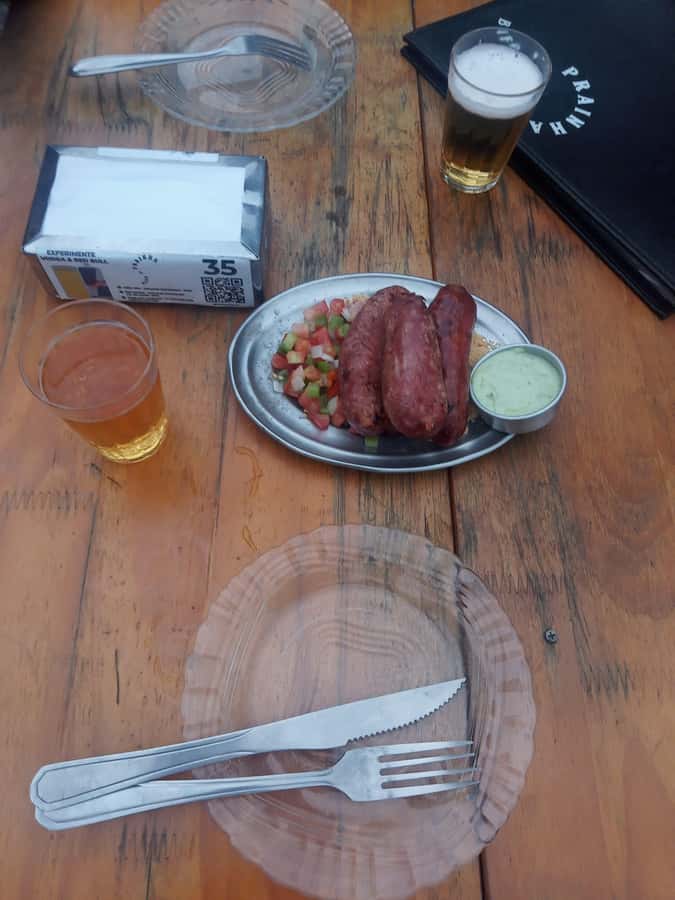
I would recommend this walk to you if you want to understand Rio beyond its postcard sights. It suits visitors interested in Black history, Brazilian culture, social memory, and the connection between historic places and present-day identity.
It is also a good choice early in a Rio visit. The tour can give you a stronger framework for understanding later encounters with Brazilian music, art, food, religion, and community life. You may look at the city differently after learning how much African heritage shaped it.
Families with older children can consider it, particularly if the children are ready for serious subject matter. The child discount helps, but the emotional content may not suit very young children. Children aged 0 to 4 can attend free on a parent’s lap, though parents should decide if a three-hour history walk is right for them.
I would be cautious if you want a light, fast-moving sightseeing outing. This is not a photo checklist. Some stops may consist of remains, markers, or streets that need the guide’s explanation to become meaningful.
I would also pause if you need a guaranteed English presentation of a high standard. The language issue appeared in two bookings, while other English-language experiences received strong praise. Confirm the guide’s English ability and the available language before you commit.
Small details that improve the day

Bring identification or a copy, since it is mandatory. Wear comfortable shoes and leave room in your schedule for the full three hours, plus time to reach the downtown meeting point.
Try to arrive ready with a few questions. You might ask how the different sites were used, how Little Africa changed over time, and how African heritage is represented in Rio today. A thoughtful question can turn a good walk into a much more personal lesson.
Keep the atmosphere respectful. The route includes places tied to forced arrival, slavery, and burial, and the experience may affect you more than a standard city tour. Give yourself time afterward rather than scheduling an immediate rushed activity.
If your flight or another delay disrupts your plans, contact the company promptly. Rafael’s booking was moved after a delayed flight, which suggests the provider may be willing to help when its schedule allows, though you should not treat a change as guaranteed.
Should you book this Little Africa walk?
Book it if you want a serious, guided look at African heritage in Rio and you value explanation more than a long list of attractions. The route offers a direct way to connect markets, homes, burial grounds, art, culture, and the future of the district.
Before paying, confirm three things: the guide’s language ability, the full two-part price, and whether any museum entrance or art exhibit is included. Those checks address the main risks.
With the right expectations, this can be one of the more meaningful history experiences in Rio. It asks you to listen, walk thoughtfully, and face difficult facts. If that is the kind of cultural experience you want, Little Africa is worth considering.
FAQ
Where does the Little Africa walking tour meet?
The meeting point is in downtown Rio de Janeiro. Transportation to the meeting point is not included.
How long does the tour last?
The walking tour lasts three hours.
Which languages are available?
The live tour guide service is available in English, Portuguese, and Spanish.
What is the total price per passenger?
The listed total is R$310 per passenger. This includes the US$32 reservation payment made through the booking website or app and an additional R$160 paid directly to the guide. Card payments for the additional amount carry a 5 percent tax.
Are museum entrances included?
Museum entrance is not clearly included in all cases. One museum required an additional entrance payment, and an art museum exhibit was not part of the tour. Confirm the details before booking if museum access is important to you.
Can children join the tour?
Children aged 5 to 10 receive a 50 percent discount according to the tour details. Children aged 0 to 4 are free when seated on a parent’s lap. The minimum number of customers is two, so solo visitors should contact the provider before reserving.
Just added around Rio De Janeiro
- Vidigal Favela Tour★ 4.4 · 26 reviews
- Hang gliding flight in Rio de Janeiro★ 5.0 · 6 reviews
- Rio de Janeiro: Zip Lining and Canopy Tree Tour★ 3.3 · 6 reviews
- Rio de Janeiro: Attend a Vasco da Gama game with local guide★ 4.8 · 9 reviews
- Unforgettable Boat Party★ 5.0 · 3 reviews
- Tijuca Forest Hike – Waterfalls & Caves, Nature & Wild Life!★ 5.0 · 51 reviews
- Rio Highlights: Christ, Sugarloaf, and More in a Private Tour★ 5.0 · 36 reviews
- Tijuca Forest w/ Chinese View,cascatinha Taunay,horto waterfall and parque laje★ 4.5 · 29 reviews
Walking Tours, compared.



Sunrise and Sunrise Walk Two Brothers with Local Guide
Read our review →

Downtown-Center History Walking Tour – in English
Read our review →
Downtown-Center Walking Tour | 2 Hours – English
Read our review →
Learn the History of Rio with an Unforgettable City Center Walking Tour
Read our review →Browse the lists this tour appears in