
Reviewed · FAVELA TOURS
Rio de Janeiro: Favela Santa Marta Top Tour with Local Guide
The most memorable part of this Santa Marta tour is not the Michael Jackson mural or the view over Rio, though both are worth your camera space. It is the chance to walk with someone who was born and raised in the community, meet people who know your guide by name, and visit a local guide’s home. That personal link gives the visit a human scale.
I like two things right away: the money stays close to the community, and the tour includes more than photo stops. You get samba, a look at social projects, local stories, and possibly a football game with neighborhood children. I also like that guides such as Mario, Luis, Marco, and Raycca are described as warm, careful hosts who welcome questions, including difficult ones.
The main consideration is that this is a real working neighborhood, not a polished attraction. You will walk narrow, hilly routes, encounter uneven conditions, and see both community pride and serious problems. The tour is not suitable for wheelchair users or babies under one year, and the guide’s English may vary depending on who leads your group.
In This Review
- Key points at a glance
- Why Santa Marta is worth seeing with a resident
- Meeting at Praça Corumbá and taking the tram
- Mirante Dona Marta and the first big view
- Michael Jackson Square and a famous music video
- Side streets, local shops, and the guide’s home
- Samba, drums, and football with local children
- Santa Horta and the community’s social work
- What the guides add to the experience
- Safety, respect, and the question of exploitation
- Is $28 a fair price?
- Who should book this Santa Marta tour?
- FAQ
- Where does the Santa Marta tour begin?
- How long does the experience last?
- What languages are available?
- Is the tram ticket included?
- Is transport to the meeting point included?
- Will I visit Michael Jackson Square?
- Will I visit a local guide’s home?
- Does the tour include samba?
- Can I play football with local children?
- Is the tour accessible to wheelchair users?
- What should I bring?
- Can I cancel for a refund?
- Should you book it?
Key points at a glance
- Michael Jackson Square: See the statue and filming location connected with They Don’t Care About Us, plus a strong view across Rio’s South Zone.
- A guide from Santa Marta: Guides including Mario, Luis, Marco, and Raycca know the alleys, residents, stories, and local history firsthand.
- A visit with real personal access: The tour can include the guide’s home, a rare chance to understand daily life beyond the main viewpoints.
- Culture you can join: Local samba, drums, and a casual football match may be part of the visit.
- Community investment: Stops can include Santa Horta, local social projects, the Residents’ Association, and neighborhood shops.
- Good value at $28: For roughly two to three hours, the price covers a local guide, tram ticket, and several distinct parts of Santa Marta.
Why Santa Marta is worth seeing with a resident
Rio is often presented through beaches, sugarloaf views, and grand avenues. Santa Marta gives you another way to understand the city. It shows how people have built homes, businesses, gardens, social projects, and strong local ties on steep ground above Rio’s South Zone.
I would not treat this as a quick stop for a dramatic photo. The value is in hearing how the community works from someone who lives there. Your guide can explain what you are seeing, introduce you to people, and answer questions that a map or a self-guided walk cannot handle.
That local link also matters for safety and courtesy. Santa Marta is not a place where you should wander without a clear sense of direction. One person who joined the tour noted that signs are not obvious and online maps do not properly cover the favela. A resident guide knows where to go and how to behave in the area.
The company describes itself as community-based and led by people from Santa Marta. The tour also supports local artists, small businesses, and social projects. That does not erase the hard realities of favela life, but it gives your visit a more responsible structure than simply arriving to take pictures.
More favela tours in Rio De Janeiro:
- Rio de Janeiro: Rocinha Favela Walking Tour with Local Guide
★ 4.8 · 3,052 reviews - Rio De Janeiro: Half-Day Rocinha Favela Walking Tour
★ 4.7 · 2,272 reviews - Rio de Janeiro: Favela Santa Marta Tour with Resident Guide
★ 4.6 · 220 reviews
Meeting at Praça Corumbá and taking the tram
The meeting point is the Tourist Information Stand at Praça Corumbá. Transfer arrangements are not included, so you need to make your own way there. Check the current start time when booking, since the total visit can run from 150 minutes to three hours.
The initial transfer takes about 25 minutes. The included tram ticket helps with the climb and is one reason this tour is practical for first-time visitors. You still need comfortable shoes, water, sun protection, and a hat. Rio heat can make even a short uphill walk feel longer than expected.
The route is not presented as a rigid museum circuit. It is a guided walk through an active neighborhood, with stops that may involve alleys, viewpoints, homes, shops, and community spaces. Keep your group together and follow the guide’s directions, especially when moving between the main points.
Mirante Dona Marta and the first big view
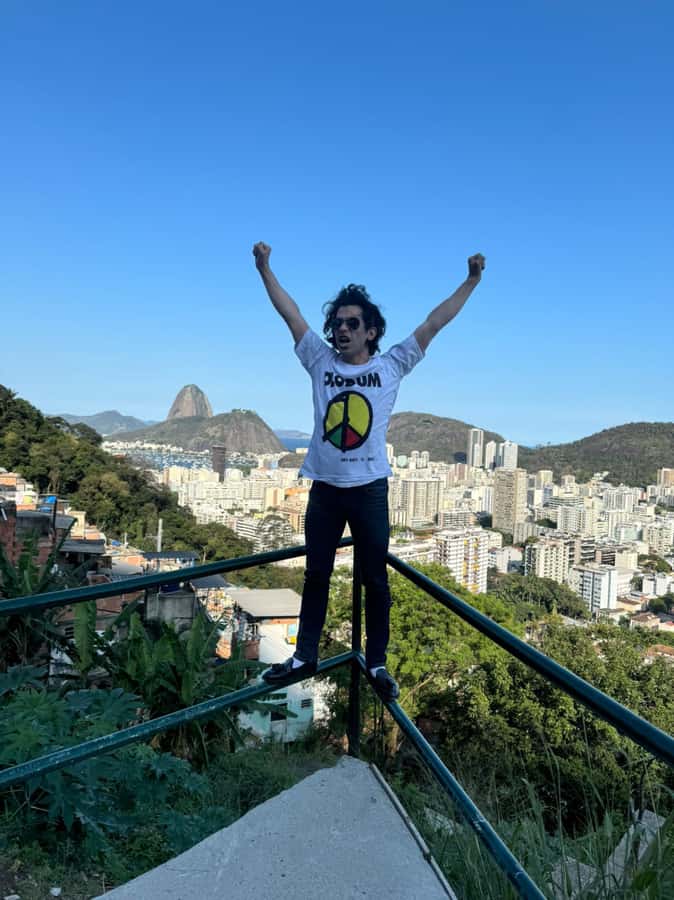
One of the early highlights is Mirante Dona Marta, where you stop for photographs. From here, you get a broad view toward Rio’s South Zone, making it easier to understand how Santa Marta fits into the city around it.
This is a useful first stop because the geography can otherwise be confusing. You see the contrast between Rio’s famous urban setting and the dense hillside community under your feet. It is a strong photo opportunity, but the guide’s explanation is what gives the view meaning.
Allow for weather changes. One tour continued in heavy rain, which made the visit more demanding but also showed how water moves through the community’s drainage channels. Rain can affect your comfort, footing, and the time spent at outdoor viewpoints, so a light waterproof layer is sensible even though it is not listed as required equipment.
Michael Jackson Square and a famous music video
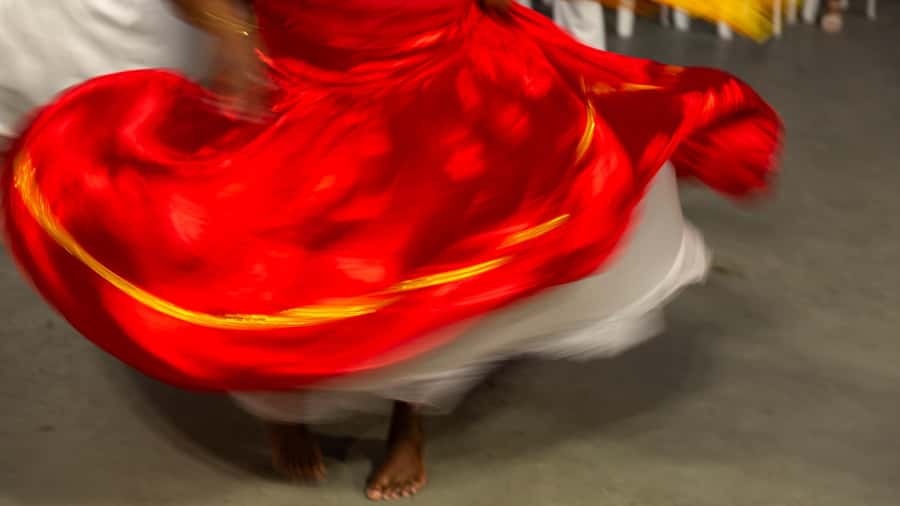
The visit to Michael Jackson Square is the most recognizable stop on the route. Michael Jackson filmed parts of They Don’t Care About Us in Santa Marta, and the square includes a statue connected with that moment.
This is more than a celebrity photo stop. The music video put Santa Marta in front of a worldwide audience, while the site remains part of the neighborhood where people live and work. Your guide can connect the filming location with the community’s own story instead of treating it as a set frozen in time.
The stop includes a guided visit and walking time of about 15 minutes. That is enough to see the statue and location, but do not expect the entire tour to revolve around Michael Jackson. The best reason to book is the wider look at Santa Marta, with this site serving as one memorable chapter.
A few more Rio De Janeiro trips to weigh up
- Rio de Janeiro: Guided Jeep Tour through Tijuca Rainforest
★ 4.3 · 740 reviews - Jeep Adventure: Guided Tour through Tijuca Rain Forest
★ 4.0 · 554 reviews - Rio: Favela Rocinha Tour with Local Guide & Secret Spots
★ 4.7 · 218 reviews - Rio de Janeiro: Private Guided City Tour
★ 4.6 · 207 reviews
Side streets, local shops, and the guide’s home
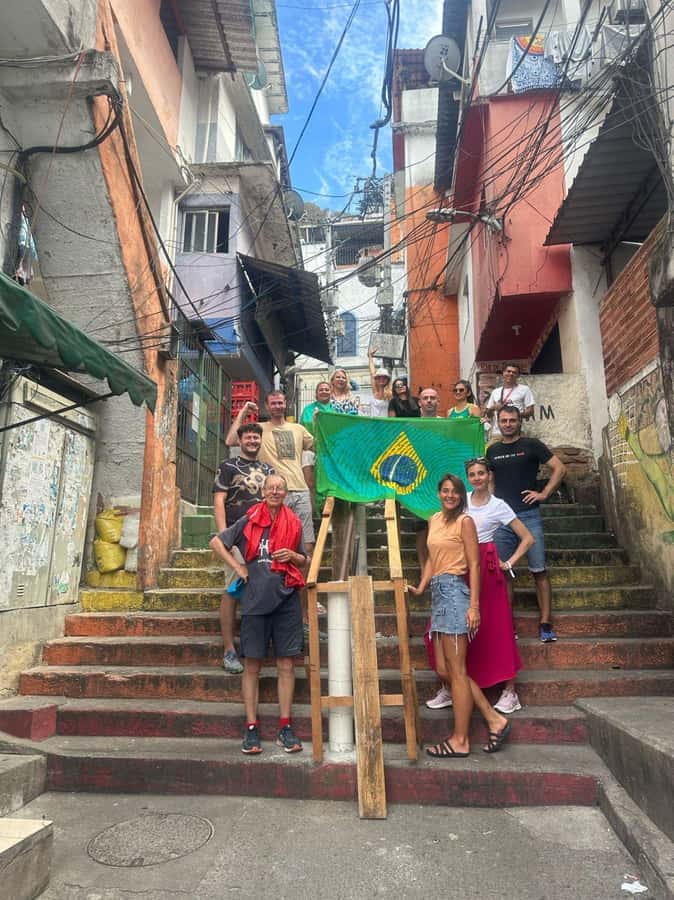
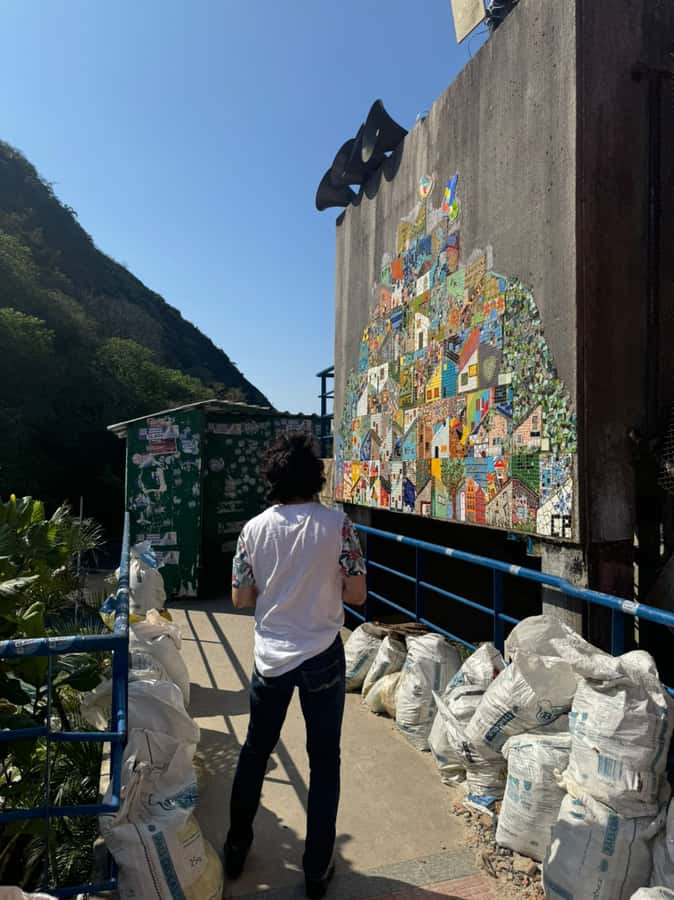
After the headline locations, the tour moves into the everyday parts of Santa Marta. The supplied schedule includes several visits lasting between 15 and 30 minutes, a shopping stop in the favela, and time to meet people connected with the community.
This is where the tour earns its price. A street can look like a maze if you do not know the area, but your guide can explain how the community fits together. You might stop at a small business, see a normal residential space, or hear how residents handle daily routines and local challenges.
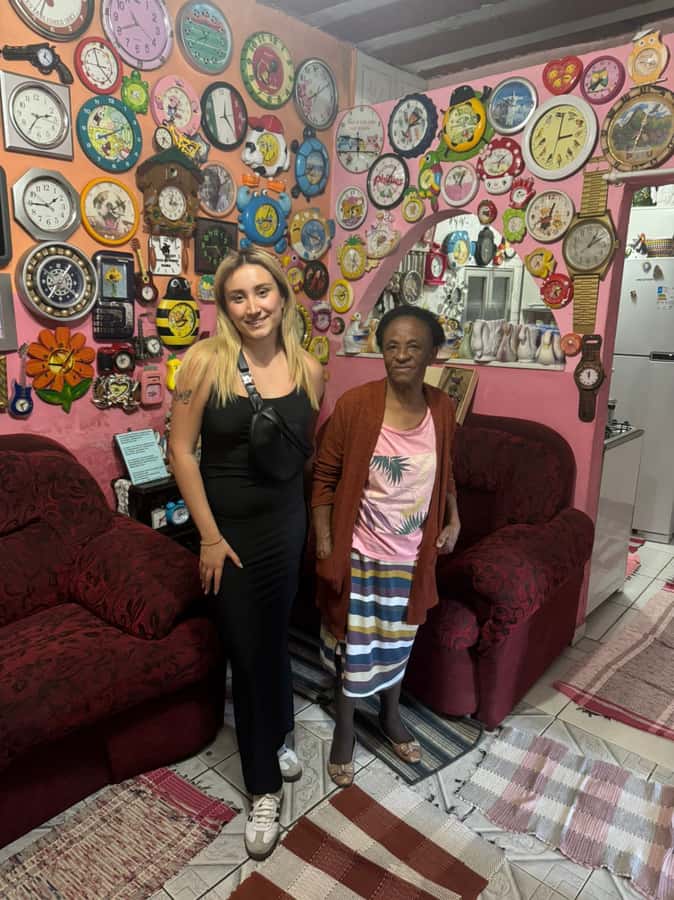
The home visit is especially personal. Guides such as Mario and Marco have welcomed groups into their own homes, while other guides have shared family and community projects. This gives you a better sense of the physical reality of local housing than a distant viewpoint can provide.
You should approach this part with respect. Ask before taking photographs, listen when the guide explains private or sensitive matters, and remember that homes are not exhibits. The strength of the visit comes from trust, so your behavior matters.
Samba, drums, and football with local children
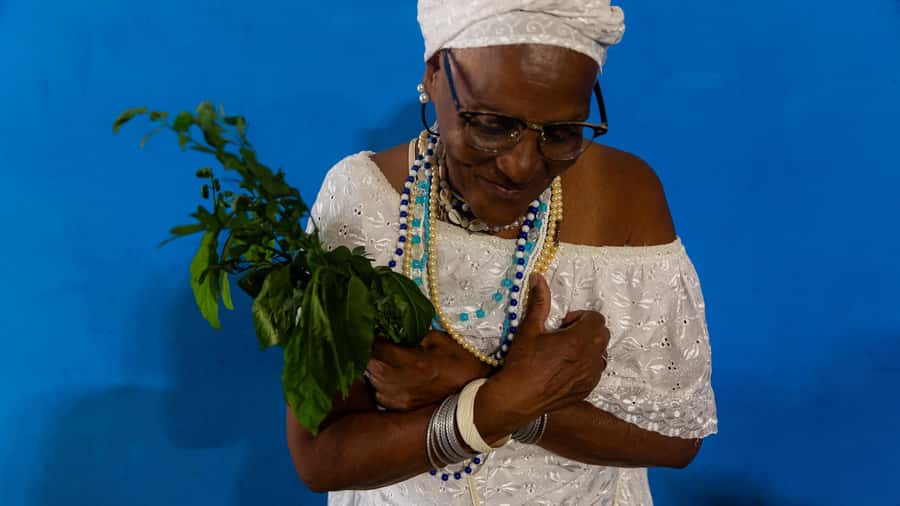
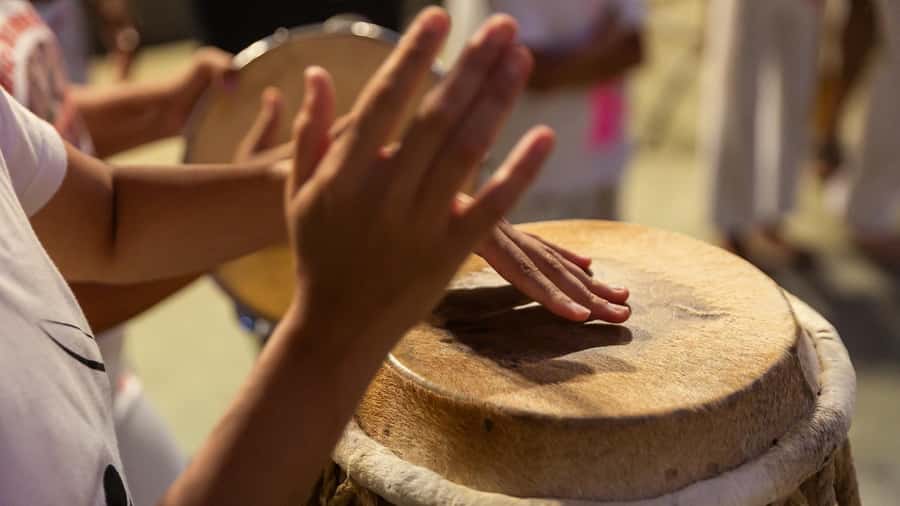
Santa Marta’s culture is not presented only through talk. The experience can include a roda de samba performed by local musicians, and some groups have joined in with drums. That moment gives you a direct connection to a musical tradition that is part of Brazilian life, not simply a show arranged for outsiders.
You may also get the chance to play football with children from the community. This can be a highlight for families and anyone who likes informal encounters, but it depends on the conditions and the people present on the day. Do not treat it as a guaranteed match with a fixed schedule.
The children’s football stop also shows why a local host is important. A guide who knows the area can introduce the group in a natural way and help keep the encounter friendly. You can join in, watch, or simply enjoy the moment without forcing yourself into an activity.
These parts make the tour feel less like a sightseeing checklist. You are not only looking at Santa Marta. You are hearing music, meeting residents, and seeing how community life extends beyond the streets used for photos.
Santa Horta and the community’s social work
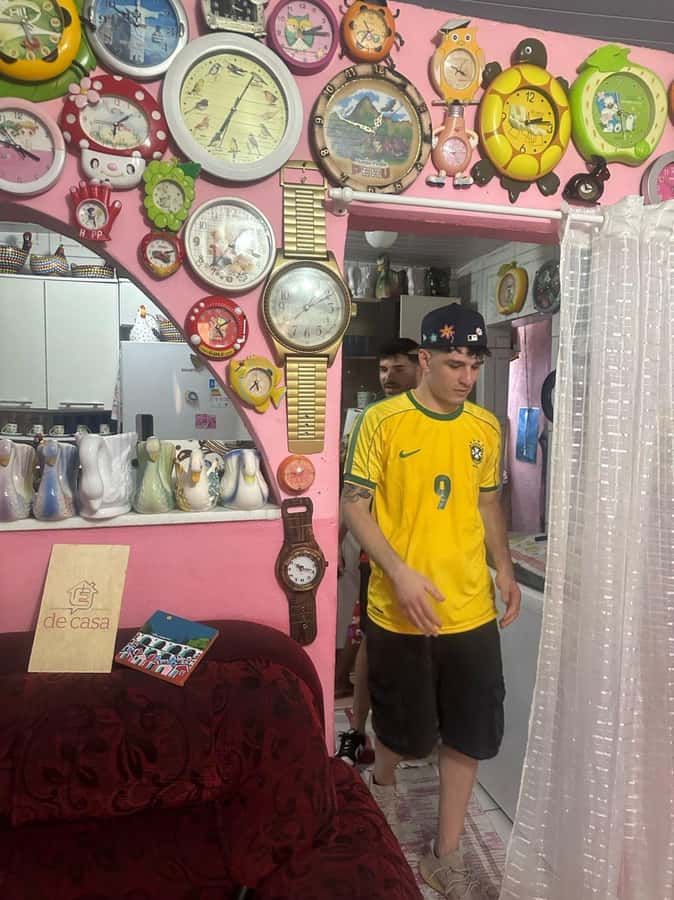
The tour also highlights Santa Horta, an initiative that turns former dump sites into organic community gardens. The project provides food, environmental education, and income for residents.
This stop adds needed balance. Favela tours can easily focus on poverty, danger, or dramatic views. Santa Horta shows practical work aimed at improving local life, and it gives you something concrete to understand rather than a vague message about resilience.
The visit may also include other local social projects and the Residents’ Association. These stops help explain how residents organize and how community efforts respond to needs that are not always met by government support.
You should expect a candid picture rather than a feel-good presentation. Santa Horta is valuable because it shows progress alongside unfinished work. One account noted that the cleanup effort is positive but that educating residents and dealing with rubbish remain ongoing challenges.
What the guides add to the experience
The strongest feature is the guide. Names vary by departure, but Mario, Luis or Luiz, Marco, Raycca, Caro, and other local hosts have led groups. Several are described as people who were born, raised, and still live in Santa Marta.
That background changes the kind of information you receive. Instead of general facts about favelas, you can ask what it is like to live in this particular one. You can also ask about the rules, the past, local projects, housing, and the differences between Santa Marta and Rio as a whole.
The guides are not all identical. Some visitors found English very strong, while one person noted that Marco’s English was somewhat broken but still understandable with patience and questions. English, Portuguese, and Spanish are offered, so check the language attached to your booking.
I would ask questions clearly and give the guide time to explain. The best accounts of this experience came from people who listened closely and asked about both the good and difficult sides of community life. This is not a tour for rushing from one photo to the next.
Safety, respect, and the question of exploitation
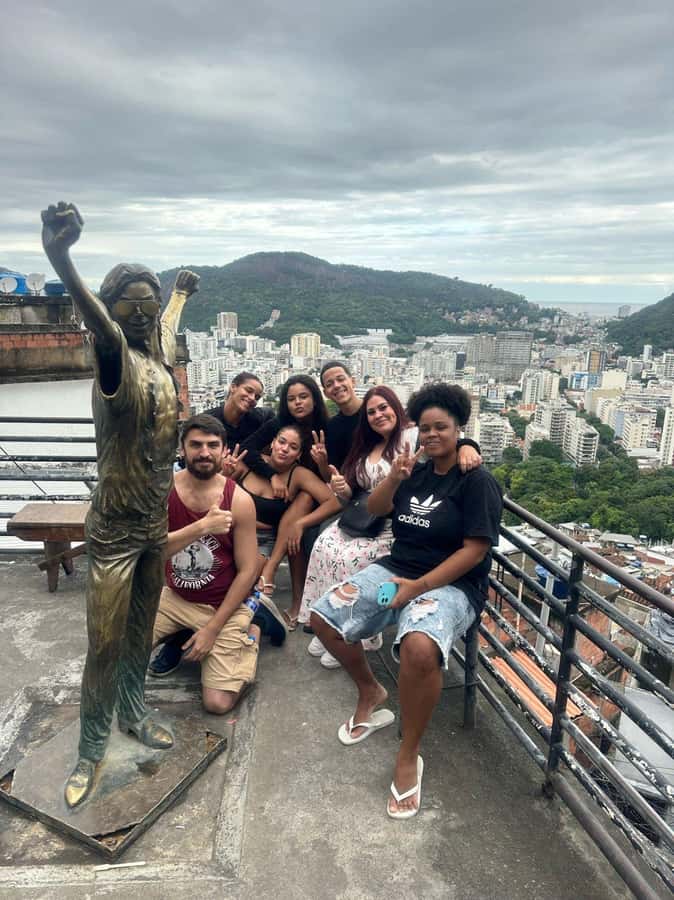
Many people feel uneasy about visiting a poor neighborhood as a sightseer. That concern is fair. The best way to handle it is to choose a locally run operation, follow the guide’s instructions, avoid intrusive photographs, and spend money with community businesses when appropriate.
This experience is designed around local leadership. The guide is known in the neighborhood, and the company says part of the income supports social projects, artists, and small businesses. That direct local connection is a meaningful advantage.
The tour cannot promise that every difficult issue will disappear. Santa Marta has real social and environmental problems, and you may see them. The point is not to turn hardship into entertainment. It is to meet residents, learn how the community functions, and see both its strengths and its pressures.
Groups have described feeling safe with guides who knew the residents and routes. I would still use normal Rio precautions: keep valuables out of sight, stay with the group, and follow local instructions. Safety is a shared responsibility, not a feature to take for granted.
Is $28 a fair price?
At $28 per person, this is a strong value for a two-and-a-half to three-hour experience. The price includes a local resident guide, the tram ticket, Mirante Dona Marta, Michael Jackson Square, local social projects, and the Residents’ Association.
The real value is not the number of stops. It is the access. A standard viewpoint cannot give you a guide’s personal story, a home visit, local introductions, or a clear explanation of how community projects operate.
Transfer to the meeting point is not included, and you may want to budget for optional purchases at local shops. Still, the modest cost makes this one of the more accessible ways to add a serious cultural experience to a Rio visit.
Free cancellation up to 24 hours before the start and reserve-now, pay-later booking make it easier to fit into a changing schedule. The main practical cost is your time and energy: the walk can be active, and weather may affect the route.
Who should book this Santa Marta tour?
I would recommend it to you if you want context, conversation, and a closer look at daily life in Rio. It suits curious adults, families with older children who can manage the walking, photographers who care about people as much as views, and anyone uneasy about visiting a favela without local guidance.
It is also a good choice if you want to support community-based tourism. The local guide model and social-project visits give your money a more direct purpose.
You may not enjoy it if you want a polished attraction, a fixed performance, or a completely comfortable route. The tour includes real neighborhoods, narrow paths, weather exposure, and subjects that can be emotionally difficult. It is not wheelchair accessible and is not suitable for babies under one.
Bring comfortable shoes, sunscreen, water, a hat, and a camera. Smoking is not allowed. Most of all, bring patience and a willingness to listen.
FAQ
Where does the Santa Marta tour begin?
It begins at the Tourist Information Stand in Praça Corumbá.
How long does the experience last?
The duration is between 150 minutes and three hours, depending on the available departure and the day’s route.
What languages are available?
Live guidance is offered in English, Portuguese, and Spanish.
Is the tram ticket included?
Yes. The tram ticket is included in the tour price.
Is transport to the meeting point included?
No. Transfer to the starting point is not included.
Will I visit Michael Jackson Square?
Yes. The tour includes a guided visit to the statue and square connected with Michael Jackson’s They Don’t Care About Us music video.
Will I visit a local guide’s home?
The experience includes a safe visit to a local guide’s home. The exact home and guide can vary by departure.
Does the tour include samba?
The experience includes a local roda de samba performed by community musicians. The tour also describes opportunities to join in with drums.
Can I play football with local children?
You may be able to join a casual football match with children from the community. The activity can depend on the day and local conditions.
Is the tour accessible to wheelchair users?
No. The tour is not suitable for wheelchair users or babies under one year.
What should I bring?
Bring comfortable shoes, a hat, a camera, sunscreen, and water. Smoking is not allowed.
Can I cancel for a refund?
You can cancel up to 24 hours in advance for a full refund. A reserve-now, pay-later option is also available.
Should you book it?
Book this tour if you want to understand Santa Marta through the people who live there, not just photograph it from above. The Michael Jackson Square, city views, samba, football, gardens, and local shops give you plenty to see, but the guide’s introductions and personal perspective are the real reason to go.
Choose it with realistic expectations. You will not get a tidy, staged attraction, and you may encounter steep routes, rain, or uncomfortable social issues. For $28, though, you get a local-led visit with cultural depth, community connections, and a direct contribution to Santa Marta. That makes it a worthwhile addition to a Rio itinerary for anyone ready to look beyond the postcard.
Just added around Rio De Janeiro
- Vidigal Favela Tour★ 4.4 · 26 reviews
- Hang gliding flight in Rio de Janeiro★ 5.0 · 6 reviews
- Rio de Janeiro: Zip Lining and Canopy Tree Tour★ 3.3 · 6 reviews
- Rio de Janeiro: Attend a Vasco da Gama game with local guide★ 4.8 · 9 reviews
- Unforgettable Boat Party★ 5.0 · 3 reviews
- Tijuca Forest Hike – Waterfalls & Caves, Nature & Wild Life!★ 5.0 · 51 reviews
- Rio Highlights: Christ, Sugarloaf, and More in a Private Tour★ 5.0 · 36 reviews
- Tijuca Forest w/ Chinese View,cascatinha Taunay,horto waterfall and parque laje★ 4.5 · 29 reviews
Favela Tours, compared.
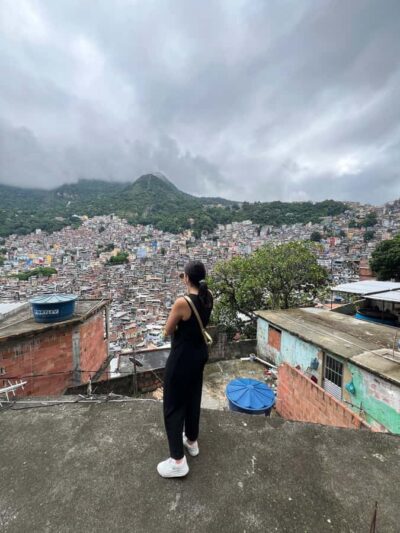
Favela Rocinha Tour with Local Guide & Secret Spots
Read our review →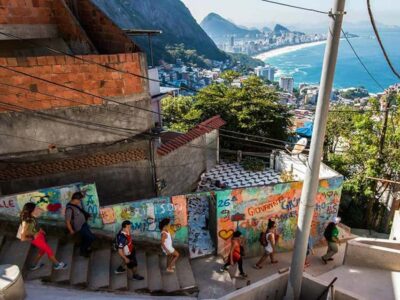
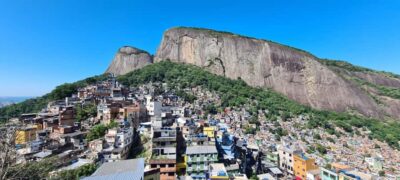
Favela Tour The Original, Rocinha & Vila Canoas since 1992
Read our review →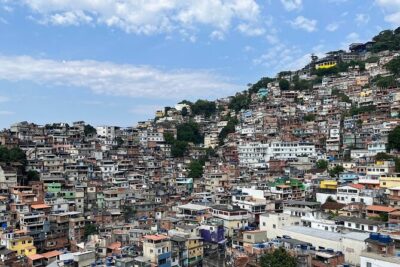

Sunrise at Morro 2 Irmãos – Vidigal – Rio de Janeiro
Read our review →Browse the lists this tour appears in