
Reviewed · GRAMADO TOURS
Parque Cultural Epopeia Italiana
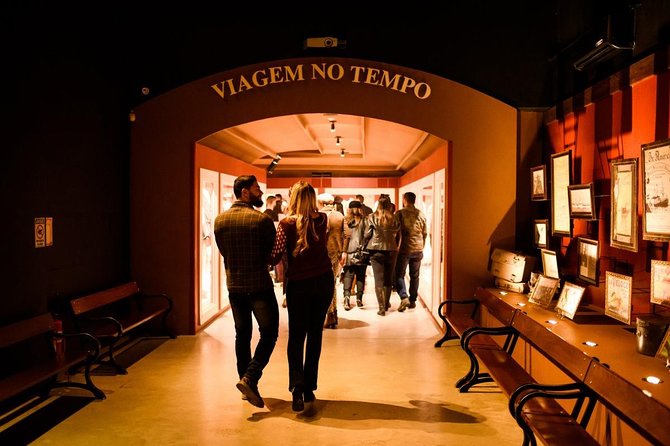
The unusual thing here is that you do not sit still and watch a history lesson. You walk from scene to scene as Lázaro and Rosa’s story unfolds around you, from their Italian village and ocean crossing to the hardships of starting over in southern Brazil. The nine built scenes turn immigration history into a short piece of theater.
I like the clear human story, which gives the large subject of Italian immigration a face and a family to follow. I also like the final tasting of grape juice, wine, and homemade cookies, a small but fitting link between the past and the food culture of Rio Grande do Sul. The main drawback is that the mix of video, theater, and scene changes may feel choppy if you prefer a traditional museum or a single continuous play.
In This Review
- Key points to know before you go
- A history lesson that asks you to keep moving
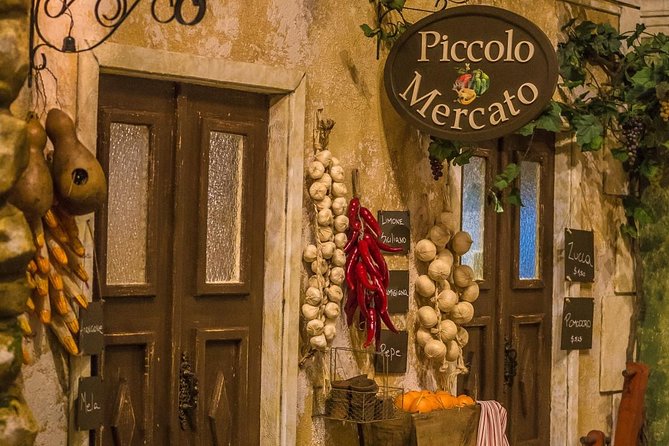
- The nine scenes, from Italy to Brazil
- Italian villages and the decision to leave
- The ship to Brazil
- Arrival in Rio Grande do Sul
- Hard work and the first settlement
- The Brazilian forest
- Community and cultural survival
- Wine and the region’s Italian influence
- Theater, video, and scenery in one small production
- Why Lázaro and Rosa make the story work
- The tasting: small, simple, and worth noticing
- Is $9.27 a good value for 45 minutes?
- Timing, transport, and group size
- Who will enjoy this most?
- Practical booking advice
- Should you book Parque Cultural Epopeia Italiana?
- FAQ
- Where is Parque Cultural Epopeia Italiana?
- How long does the experience last?
- What is included in the ticket?
- Is transportation included?
- Is parking available?
- What story does the presentation tell?
- How many scenes are included?
- Is food or drink included?
- How many people can join the activity?
- What identification should I bring?
Key points to know before you go
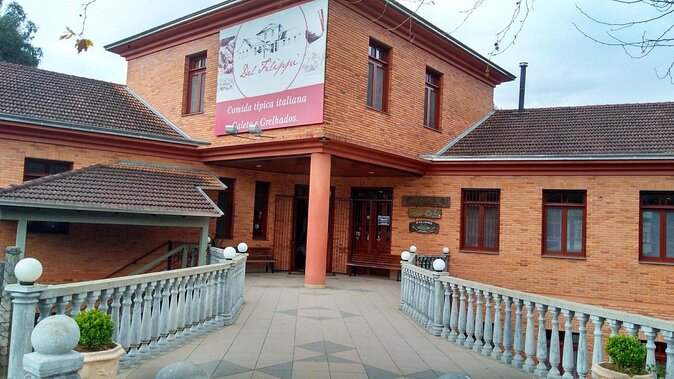
- A walk-through theater: You move through nine replicas and become part of the presentation rather than watching from one seat.
- Lázaro and Rosa’s story: The show follows a real immigrant couple who faced hardship before building a life in Brazil.
- Italian roots in Rio Grande do Sul: The presentation connects immigration with Italian customs and local wine making.
- A quick 45-minute visit: It fits easily into a busy day in Gramado or a wider Serra Gaúcha itinerary.
- A modest price: At about $9.27 per person, the ticket costs less than many polished attractions in the region.
- Simple logistics: Parking is on site, public transportation is nearby, and the group limit is 15 people.
A history lesson that asks you to keep moving
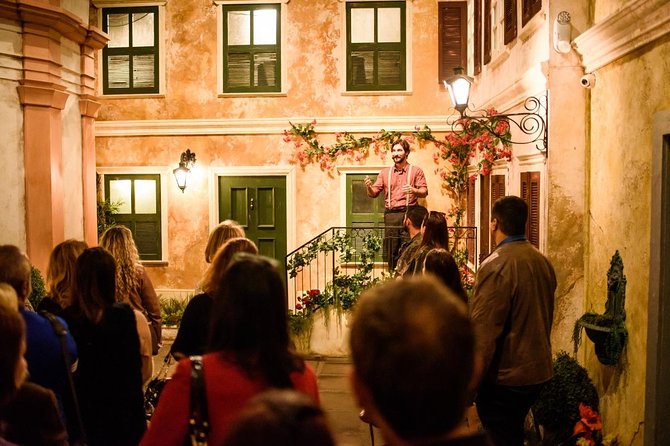
Parque Cultural Epopeia Italiana presents immigration as a journey, not a display case. You enter a theatrical setting, meet the story of Lázaro and Rosa, and follow their path through a series of physical environments.
The couple is presented as part of the earliest Italian immigration to Brazil. Their story begins in Italy, moves through the voyage by ship, and continues in Rio Grande do Sul, where the work of settling, surviving, and building a community took real effort.
That structure matters. A museum label can tell you that Italians arrived in southern Brazil in the late 19th and early 20th centuries. Here, you see the journey through two people. Their fears, separation, labor, and eventual prosperity give the broader subject a personal scale.
The show does not ask you to study dates or read long panels. Instead, an actor or actress helps carry the narrative while video, sound, movement, and scenery fill in the setting. The result is closer to a short historical spectacle than a conventional museum visit.
Other Brazil days worth putting on the list:
- Rio de Janeiro: 6-Stop Highlights of Rio with Lunch
★ 4.4 · 5,157 reviews - Christ the Redeemer Entry Ticket by Corcovado Train
★ 4.4 · 4,476 reviews - Rio de Janeiro: Rocinha Favela Walking Tour with Local Guide
★ 4.8 · 3,052 reviews
The nine scenes, from Italy to Brazil
The visit is built around nine real-life settings created for the show. The exact order can vary with the staging, but the story takes you through several distinct parts of Lázaro and Rosa’s lives.
Italian villages and the decision to leave
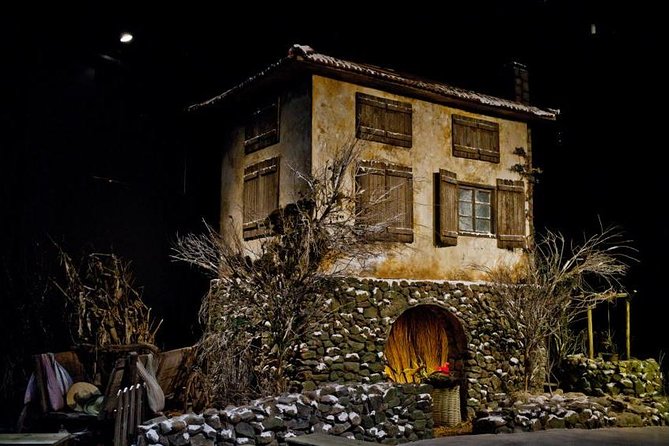
The early scenes establish the couple’s Italian origins and the conditions that led them to seek a new life. The village settings help you picture the world they left behind instead of treating emigration as an abstract choice.
This is one of the more useful parts for anyone interested in family history. If you have Italian ancestry, you may recognize the emotional weight of leaving relatives and familiar customs behind. Even without a family connection, the scene explains that migration was a hard decision, not simply a ticket to a better future.
The ship to Brazil
The voyage is represented as its own setting. That physical change from village to ship helps the story gain momentum. You are no longer looking at an old-world home. You are following people who have committed themselves to an uncertain crossing.
The presentation focuses on the difficulty of the journey and the risks faced by immigrants. It does not turn the crossing into a romantic adventure. That balance is important, since the story is ultimately about sacrifice and endurance as much as hope.
Same city, a completely different kind of day:
- Rio de Janeiro: Sugarloaf Cable Car Official Ticket
★ 4.6 · 2,873 reviews - Rio: Christ the Redeemer, Sugarloaf, Selaron & BBQ Lunch
★ 4.5 · 2,428 reviews - Rio De Janeiro: Half-Day Rocinha Favela Walking Tour
★ 4.7 · 2,272 reviews - Rio de Janeiro: Angra dos Reis and Ilha Grande Full-Day Tour
★ 4.6 · 1,673 reviews
Arrival in Rio Grande do Sul
Once Lázaro and Rosa reach Brazil, the tone changes. The couple must adjust to unfamiliar conditions and begin again with limited security. The Brazilian setting connects the personal story with the larger origins of Italian culture in Rio Grande do Sul.
The show links the immigrant experience to the development of the Serra Gaúcha, including local customs and wine making. You gain a basic sense of how Italian traditions became part of the region’s identity.
Hard work and the first settlement
The Brazilian scenes focus on effort. The couple does not prosper at once, and the presentation gives attention to the obstacles facing early settlers. Work, uncertainty, and adaptation shape this part of the story.
Because the scenes are made for an audience to move through, the changes feel more immediate than they would in a standard lecture. You see the story’s settings change around you, and the performer keeps the narrative moving.
Still, the format has a limitation. The presentation is short, so it cannot explain every political, economic, or social part of Italian immigration. It offers an accessible introduction rather than a full academic account.
The Brazilian forest
One of the more striking settings represents the Brazilian jungle. It marks the contrast between the Italian world Lázaro and Rosa knew and the unfamiliar environment they had to face.
This scene gives the show a strong visual break. It also makes the point that immigration involved more than crossing an ocean. The couple had to understand a new climate, new surroundings, and a different way of making a living.
Community and cultural survival
The story eventually moves beyond the couple’s private struggle. Italian customs become part of a larger community, and the presentation traces how language, food, celebrations, and work traditions continued in southern Brazil.
This is where the attraction becomes more than a biography. Lázaro and Rosa are used to explain how immigrant families helped shape regional culture. The point is not that Italian traditions remained unchanged, but that they took root in Brazil and became part of a new local identity.
Wine and the region’s Italian influence
Wine making receives special attention, and the tasting at the end gives you a direct connection to that part of the story. The sample is not presented as a separate food tour. It works as a final reminder that cultural traditions often survive through everyday habits and local products.
You may receive grape juice and wine, along with homemade cookies. The tasting is brief, but it adds a pleasant, tangible ending to a presentation that otherwise depends on sound, scenery, and performance.
Theater, video, and scenery in one small production
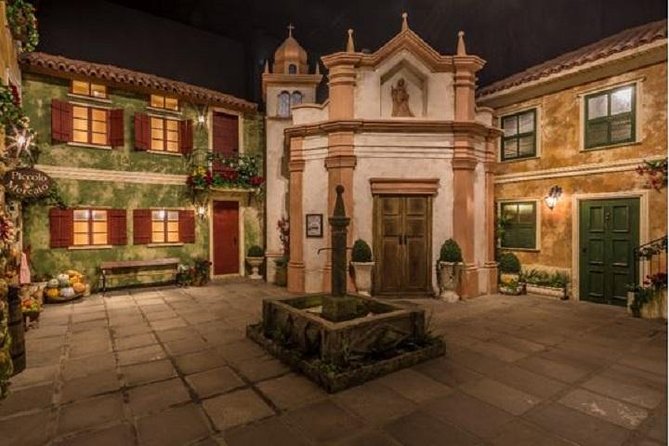
The attraction has changed over time. An earlier version relied more heavily on live actors, while the current presentation uses more multimedia, videos, and technology. The scenery remains central, with replicas designed to accompany the passage from Italy to Brazil.
That combination will appeal to you if you like history presented with movement and visual effects. The performer helps keep the story personal, while the screens and settings create a sense of place. You are not simply told that the ship crossed the Atlantic or that settlers entered the Brazilian interior. You are guided through representations of those moments.
The production is also designed to be playful and quick. At roughly 45 minutes, it avoids the fatigue that can come with a long museum visit. Families and mixed-age groups may appreciate that pace.
But do not expect a polished theater production with a large cast and a single flowing plot. The format changes from one scene to the next, and the cuts between film, live performance, and scenery may feel disconnected to some people. If your taste runs toward quiet historical exhibits, this attraction may seem theatrical in a way that is not for you.
Why Lázaro and Rosa make the story work
The strongest choice is the focus on one couple. The story of Italian immigration could easily become a list of dates, regions, and settlement numbers. Lázaro and Rosa give you two people to follow from beginning to end.
Their hardships are not treated as a footnote. The presentation shows how they faced difficulties after arriving in Brazil and eventually prospered through effort. That arc gives the show emotional force without requiring a long visit.
The couple also helps connect family memory with regional identity. Many people visiting Gramado and the Serra Gaúcha are interested in how Italian and German immigration shaped the area. This attraction offers one clear entry point, centered on a couple whose descendants remain connected with the operation of the park.
The story can be especially moving if you have Italian ancestry. The subject of leaving family behind, starting again, and preserving customs has a direct emotional pull. You do not need Italian roots to follow the story, but ancestry may make the final scenes more personal.
The tasting: small, simple, and worth noticing
At the end, you can taste grape juice, wine, and homemade cookies. The food portion is not a full meal, and you should not book the experience expecting a winery visit. Its value is symbolic and practical: it gives you a taste of the region’s Italian-influenced traditions after hearing how they developed.
The grape juice is often served as green grape juice, according to the available description. Wine is also included in the stated experience. If you do not drink alcohol, the grape juice and cookies still make the stop worthwhile, though the exact serving details should be confirmed when you book.
The cookies provide a warm finish to a story that includes hardship. They also make the attraction more appealing for families, since the tasting adds something concrete for children to enjoy.
Is $9.27 a good value for 45 minutes?
At about $9.27 per person, this is a reasonably priced attraction for Gramado. You receive admission to a purpose-built production, a guided theatrical presentation, nine scenes, and a small tasting.
I see the value in the combination. You are paying for an experience rather than a room of objects, and the scenery, performer, video, and sound give the visit more shape than a basic cultural display. The short duration also means you are unlikely to lose half a day.
The value is strongest if you are already interested in the history of Rio Grande do Sul or plan to visit other Giordani Turismo experiences. Some people encounter the park as part of a Maria Fumaça package, so check whether it is already included in your broader booking before paying for a separate ticket.
The value is weaker if you want extensive historical detail. The show covers the subject in broad strokes, and the 45-minute running time leaves little space for deeper context. Think of it as a lively introduction to Italian immigration, not a replacement for a museum or historical study.
Timing, transport, and group size
The visit lasts about 45 minutes. That makes it easy to combine with other activities in Gramado, but you should allow extra time for arrival, entry, and the tasting at the end.
Parking is available on site, which helps if you are driving. The attraction is also near public transportation. Hotel pickup and drop-off are not included, and transportation to and from the park is your responsibility.
The maximum group size is 15 people. That is small enough to keep the performer’s presentation personal and make it easier to follow the movement between scenes. It also means you should avoid leaving your booking until the last minute if your schedule is fixed. The experience is booked, on average, about 25 days in advance.
Confirmation is sent within 48 hours, subject to availability. Bring a current passport or identification document on the day of the visit. Service animals are allowed, and most people can participate.
Who will enjoy this most?
I would recommend the park to you if you want a short cultural stop with a clear story. It suits first-time visitors to the Serra Gaúcha who want context for the region’s Italian traditions without committing to a long museum visit.
Families should find the walk-through format easier than a lecture. The scenery, performer, movement, and cookies give younger participants several things to focus on. The emotional sections may also prompt useful conversations about migration, family, and starting over.
People with Italian ancestry may find the experience particularly affecting. The story of Lázaro and Rosa centers on separation, hardship, and cultural continuity, all themes that can feel personal for descendants of immigrants.
It is less suited to you if you dislike staged history, multimedia, or rapid shifts between scenes. The production has a theatrical style, and the use of film and live performance may not feel fully unified for every audience.
Practical booking advice
The attraction offers free cancellation if you cancel at least 24 hours before the start time. Cancellations made less than 24 hours ahead are not refunded, and changes within that period are not accepted. The cut-off follows local time.
Book early if you need a particular day, especially since availability is confirmed after booking and the average advance purchase is about 25 days. Before booking, check if your Maria Fumaça or other Giordani Turismo package already includes admission.
If you have accessibility concerns beyond the stated information, contact the provider before paying. The available details confirm that service animals are allowed and most people can participate, but they do not describe every part of the physical route.
Should you book Parque Cultural Epopeia Italiana?
I would book it if you want an affordable, compact way to understand Italian immigration in southern Brazil. The best parts are the personal story of Lázaro and Rosa, the physical progression through nine scenes, and the simple tasting that connects the tale with local food and wine culture.
I would skip it only if you strongly prefer traditional museums or uninterrupted theater. The presentation can feel cut up as it moves among video, live acting, and scenery.
For most people spending time in Gramado, the 45-minute format and low price make this an easy addition. It gives the region’s Italian identity a human face, and you leave with more than a few photographs: you have a better sense of what it took to build a new life in Rio Grande do Sul.
FAQ
Where is Parque Cultural Epopeia Italiana?
The attraction is in Gramado, Brazil. It is near public transportation and has parking on site.
How long does the experience last?
The presentation lasts approximately 45 minutes.
What is included in the ticket?
The ticket includes admission to Parque Cultural Epopeia Italiana.
Is transportation included?
No. Hotel pickup and drop-off are not included, and you must arrange transportation to and from the attraction.
Is parking available?
Yes. Parking is available on site.
What story does the presentation tell?
It tells the story of Lázaro and Rosa, an Italian immigrant couple who faced difficulties after arriving in Brazil and eventually prospered in Rio Grande do Sul.
How many scenes are included?
The presentation includes nine real-life scenarios built for the show.
Is food or drink included?
The experience includes a tasting of grape juice, wine, and homemade cookies.
How many people can join the activity?
The activity has a maximum group size of 15 people.
What identification should I bring?
You must bring a current valid passport or identification document on the day of the experience.
Just added around Brazil
- Vidigal Favela Tour★ 4.4 · 26 reviews
- Hang gliding flight in Rio de Janeiro★ 5.0 · 6 reviews
- Paraty Historical City Walking Tour★ 4.1 · 8 reviews
- Rio de Janeiro: Zip Lining and Canopy Tree Tour★ 3.3 · 6 reviews
- Walking Tour of São Luís do Maranhão★ 4.4 · 14 reviews
- Rio de Janeiro: Attend a Vasco da Gama game with local guide★ 4.8 · 9 reviews
- Unforgettable Boat Party★ 5.0 · 3 reviews
- Jeep tour through Ilhabela State Park★ 5.0 · 36 reviews
Gramado Tours, compared.
Jolimont Winery Tour – Visitation and Tasting – Canela RS
Read our review →
Quadricycle Tour to the Hills with Off Road 15km – 2 people
Read our review →

Tour Hortencias cinnamon Private lawn – 1-4 Pax by Fatur Turismo
Read our review →
Personalized City Tour in the Top Attractions of Gramado/Canela
Read our review →

Quadricycle Tour to the Hills with Off Road 15km – 01 person
Read our review →
Browse the lists this tour appears in