
Reviewed · SãO PAULO TOURS
São Paulo: Private 4-Hour Architecture Tour
São Paulo’s architectural story is not confined to one grand avenue or historic quarter. In four hours, you can move from colonial construction to Art Deco, modernism, brutalism, and contemporary work, seeing how very different ideas share the same city. I like the chronological approach and the chance to shape the route around your interests. I also like having a private vehicle and hotel pickup, which saves time in a huge city.
The main consideration is the price: $290 for a private group of up to one person is a serious spend for four hours. This makes the tour best suited to solo visitors who care deeply about architecture, or to anyone who values a private specialist guide more than a low-cost group outing. Ask about the exact group pricing before booking if your party includes more than one person.
In This Review
- Key points at a glance
- Why São Paulo works so well for an architecture tour
- A four-hour route through nine architectural periods
- Colonial beginnings
- European influence in the nineteenth century
- Art Deco and Neocolonial details
- Meeting the architects who shaped modern São Paulo
- Contemporary São Paulo beyond the famous names
- Why the private vehicle matters in São Paulo
- Guides who shape the experience
- Price, timing, and who gets the best value
- Comfort, access, and family details
- Who should book this architecture tour?
- Should you book it?
- FAQ
- How long is the São Paulo architecture tour?
- Is the tour private?
- What languages are available?
- Is hotel pickup included?
- Which architectural styles can I see?
- Which architects are discussed?
- Is the tour suitable for children and wheelchair users?
Key points at a glance
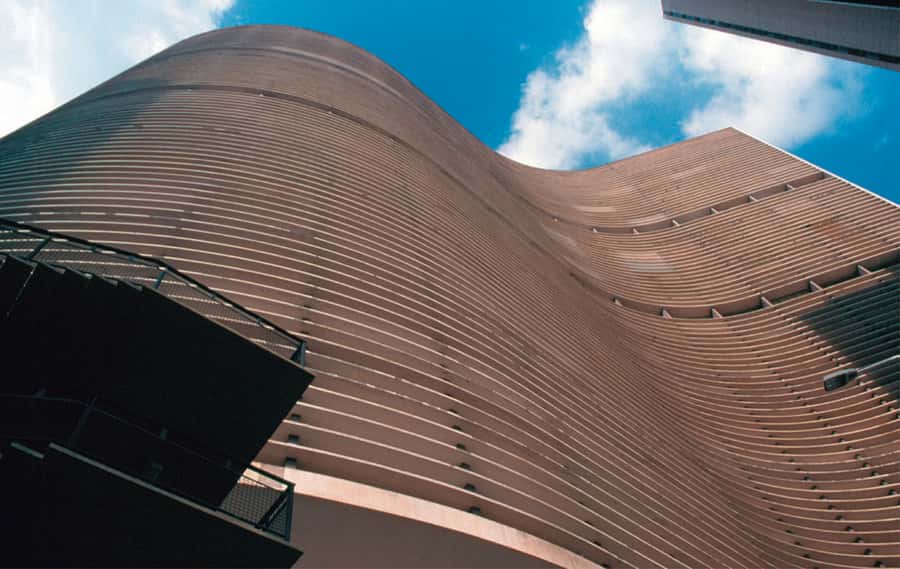
- A citywide lesson in changing styles: See Colonial, Neoclassical, Eclectic, Art Nouveau, Art Deco, Neocolonial, Modernist, Brutalist, and Contemporary architecture.
- A route that can follow your interests: Guides have adapted tours toward modern buildings, current urbanism, or particular architectural periods.
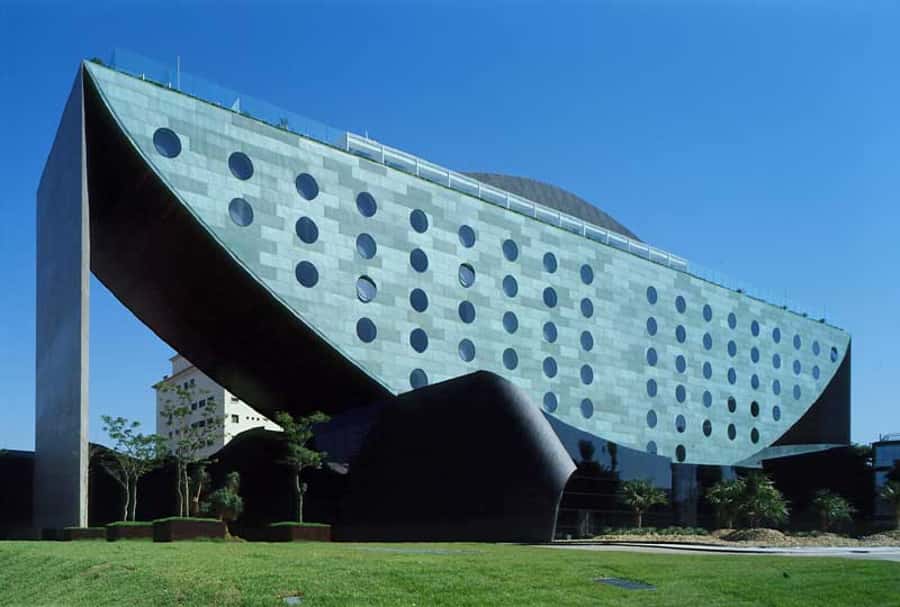
- Important Brazilian architects: Learn about Ramos de Azevedo, Oscar Niemeyer, Paulo Mendes da Rocha, Vilanova Artigas, Lina Bo Bardi, Ruy Ohtake, and Isay Weinfeld.
- Private transport saves valuable time: Hotel pickup and drop-off from central São Paulo hotels are included.
- Strong guide feedback: Doris, Danilo, and Bruno have been praised for clear explanations, punctuality, flexibility, and personal attention.
- Practical family limits: The tour is wheelchair accessible, but it is not suitable for children under five, and children up to ten require special seats arranged in advance.
Why São Paulo works so well for an architecture tour
São Paulo is a city of layers. Its earliest buildings used local organic materials, while later construction borrowed heavily from European styles that took root in Brazil during the nineteenth century. Add twentieth-century modernism, the forceful concrete forms of brutalism, and newer contemporary buildings, and you get a city that reads like a long architectural timeline.
That timeline is the real appeal here. You are not simply looking at attractive façades. You are learning how São Paulo changed as its population, wealth, technology, and cultural ambitions changed.
The tour is especially useful if you arrive knowing only Oscar Niemeyer’s name. You can place his work beside that of Lina Bo Bardi, Paulo Mendes da Rocha, Vilanova Artigas, and other major Brazilian architects. The comparison matters because Brazilian modernism was not one single look. Architects used concrete, open space, strong geometry, and social ideas in very different ways.
I would not choose this experience simply because you want a general sightseeing drive. Its value comes from learning how to read buildings. If you enjoy asking why a structure looks the way it does, this private format gives you room to ask questions and adjust the conversation.
A few more Sao Paulo trips to weigh up
- Private São Paulo City Tour
★ 4.8 · 264 reviews - São Paulo 5 Hour Private Tour With Fruit Tasting
★ 5.0 · 93 reviews - 8-Hour Private Tour São Paulo: Major Tourist Attractions–Optional Airport Pickup
★ 5.0 · 79 reviews
A four-hour route through nine architectural periods
The exact stops are not specified, and that is partly the point of a private tour. Your guide can choose places that fit the day, your interests, and the city’s traffic conditions. You should expect the route to cover examples from several periods rather than spend all four hours in one district.
Colonial beginnings
The earliest part of the tour introduces São Paulo’s original building traditions. Colonial structures made from organic materials help explain what the city was like before later European styles and modern construction transformed it.
These buildings may be less visually dramatic than São Paulo’s concrete landmarks, but they provide a useful starting point. You can see the difference between local materials and the imported design ideas that arrived later. This first chapter also gives the rest of the tour a clear reference point.
The benefit of seeing colonial architecture early is context. A modernist building becomes more meaningful when you understand the older city it challenged or replaced. Ask your guide how much of the original fabric remains and how São Paulo’s growth affected it.
European influence in the nineteenth century
The tour then moves through Neoclassical, Eclectic, and Art Nouveau examples. These styles reflect the strong European influence that developed in Brazil from the middle of the nineteenth century onward.
Neoclassical buildings can suggest order and official power through balanced façades and formal details. Eclectic work mixes references from different periods, while Art Nouveau brings more decorative lines and a lighter ornamental touch. In São Paulo, these styles help show how local architecture became more outward-looking as the city expanded.
Ramos de Azevedo is one of the architects connected with São Paulo’s major architectural development. Your guide can place his work within the larger story of the city’s institutions and public buildings. The tour is not only about spotting columns or decorative details. It is about seeing how design expressed changing ideas about status, culture, and modern life.
Same city, a completely different kind of day:
- São Paulo: Main City Sights in 7 Hours – Shared Group Tour
★ 4.9 · 587 reviews - São Paulo: City Highlights Guided Tour
★ 4.5 · 307 reviews - São Paulo: Downtown Historical Bike Tour
★ 4.9 · 191 reviews - From São Paulo: Santos, São Vicente & Guarujá Day Trip
★ 4.7 · 165 reviews
Art Deco and Neocolonial details
Art Deco adds another shift in mood. Its geometry and streamlined decoration reflect a city moving toward a more modern visual language, without abandoning ornament altogether.
Neocolonial architecture brings another interesting turn. Instead of simply copying current European models, it looks back toward local and colonial references. That makes it useful for understanding the tension between international influence and Brazilian identity.
You may find these periods especially rewarding if you normally focus only on famous modernist buildings. They fill in the middle chapters of São Paulo’s story and help you see that the city did not leap directly from colonial construction to concrete modernism.
Meeting the architects who shaped modern São Paulo
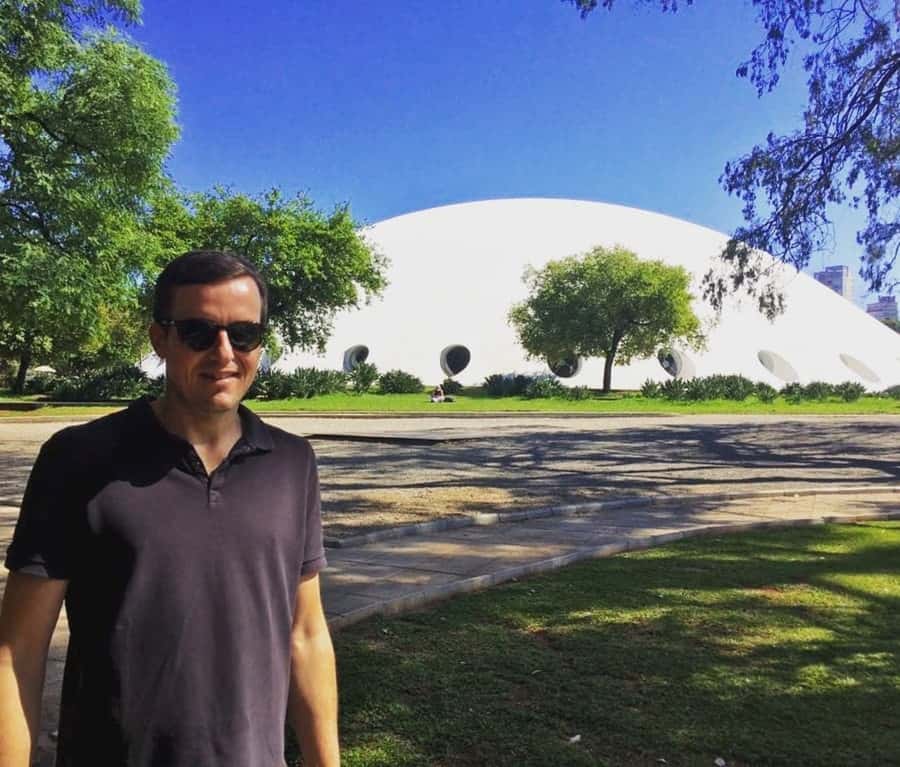
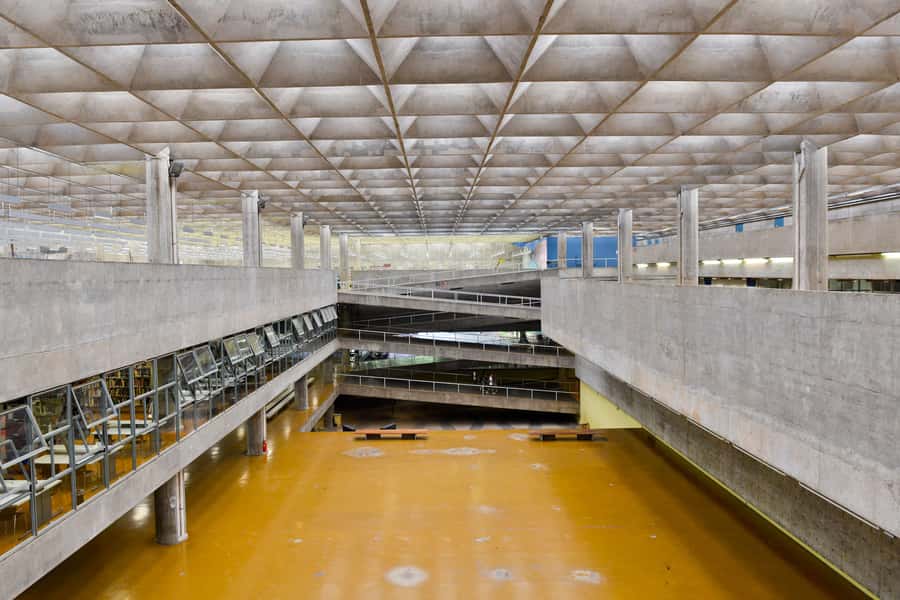
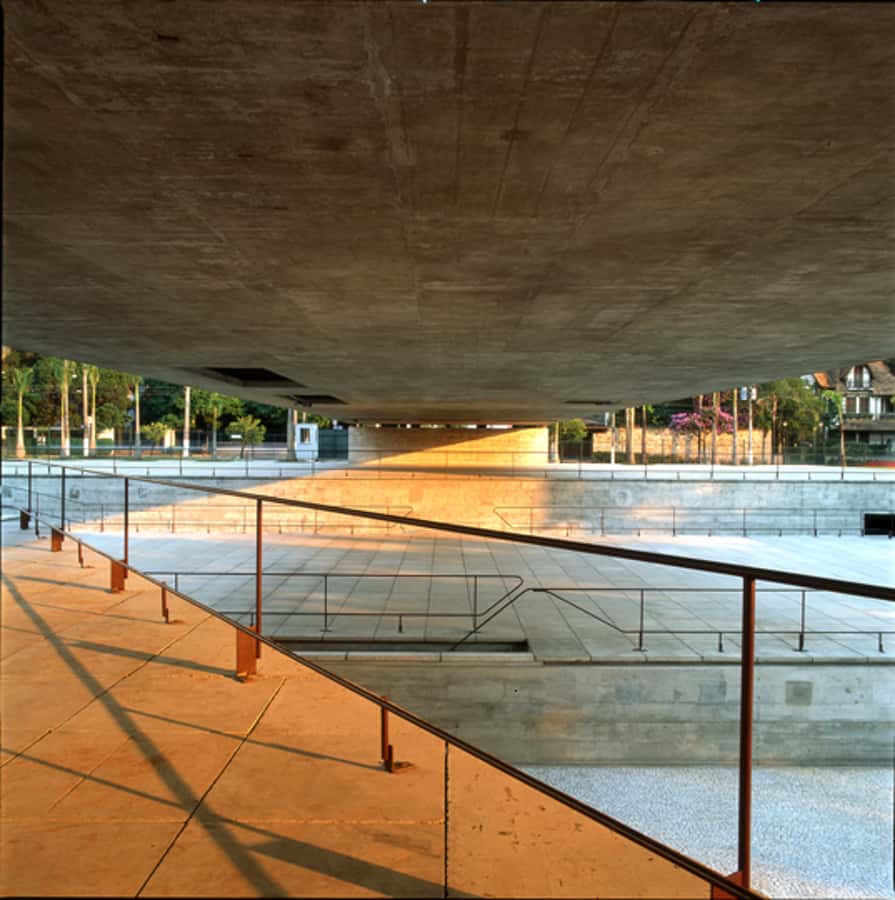
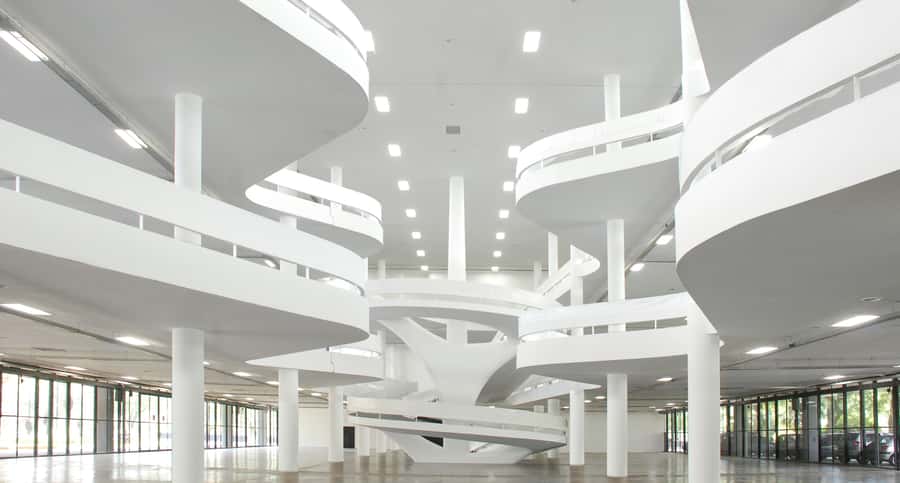
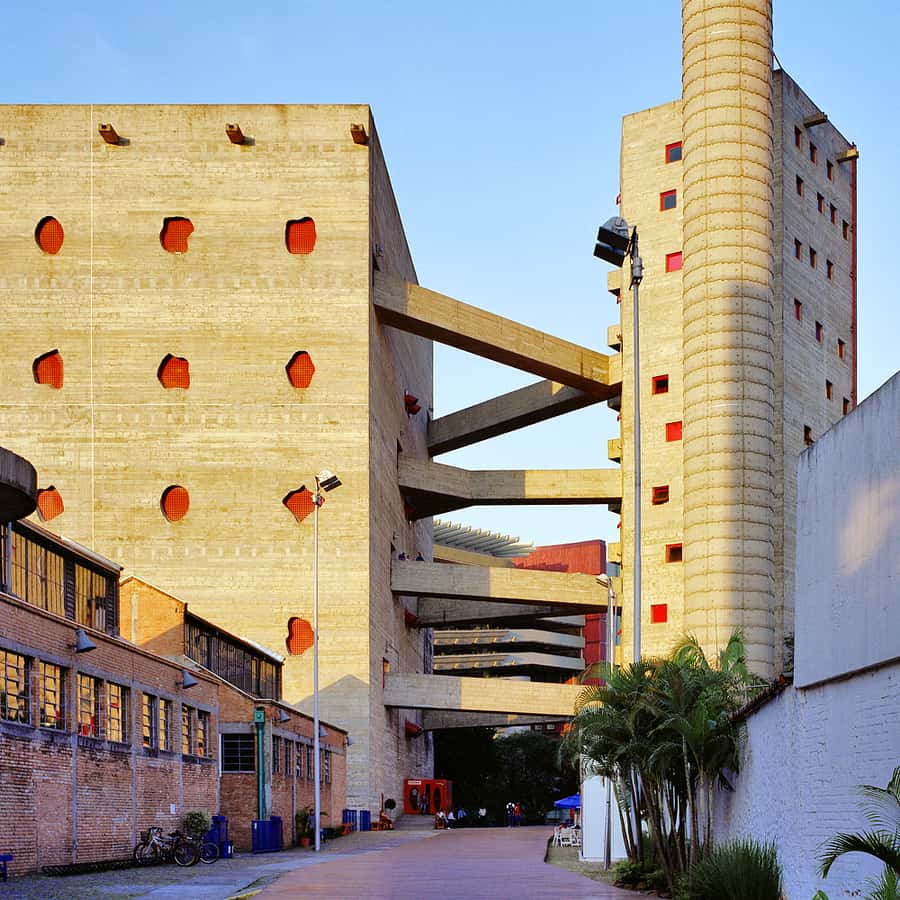
The modernist and brutalist sections are likely to be the strongest part of the tour for many architecture fans. São Paulo is closely associated with bold concrete buildings, large structural spans, spare forms, and a serious interest in how public space works.
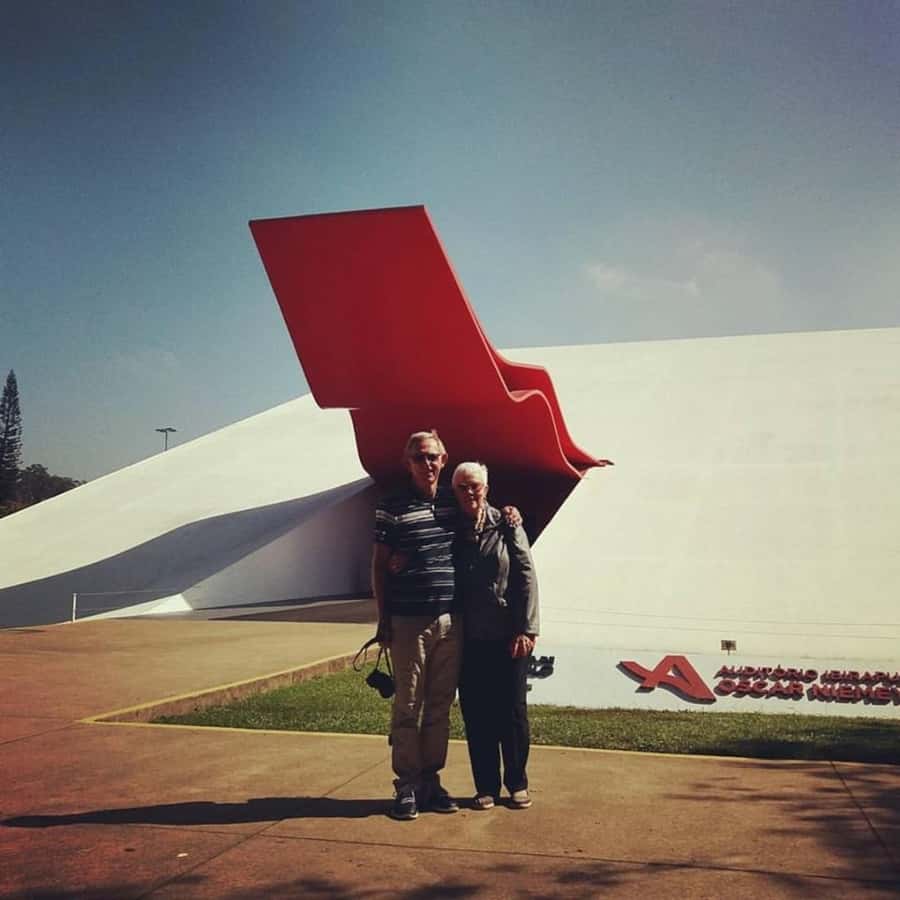
Oscar Niemeyer needs little introduction, but the tour gives you a chance to consider his work alongside other Brazilian figures. Lina Bo Bardi is known for an approach that connected architecture with public life and culture. Paulo Mendes da Rocha and Vilanova Artigas are central names for understanding São Paulo’s modernist and brutalist tradition.
The distinction between modernism and brutalism is worth discussing with your guide. Both can favor simple forms and exposed structure, but the experience of a building depends on much more than its materials. Scale, movement, light, public access, and the way people use the space all matter.
This is where a private guide earns the fee. You can pause over a detail that catches your eye, ask why concrete was so important, or request more emphasis on design rather than general city history. One guide, Danilo, adapted the route toward modern architecture and contemporary urbanism. That kind of adjustment is useful if older buildings are not your main interest.
Lina Bo Bardi, Paulo Mendes da Rocha, Oscar Niemeyer, and Vilanova Artigas are not included as a list of famous names for decoration. They represent different ways of thinking about Brazil’s cities. Your guide can help you compare those approaches rather than treating every concrete building as part of one broad style.
Contemporary São Paulo beyond the famous names
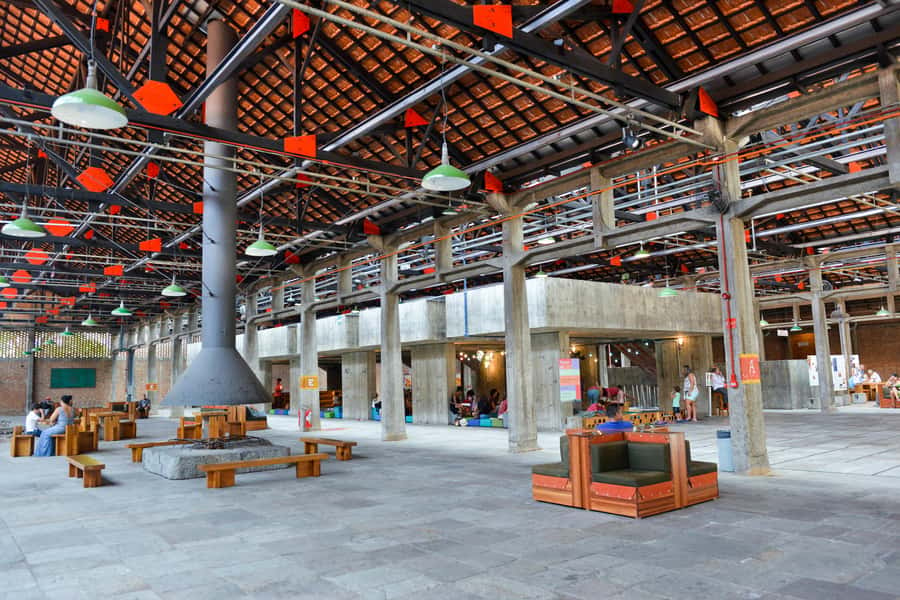
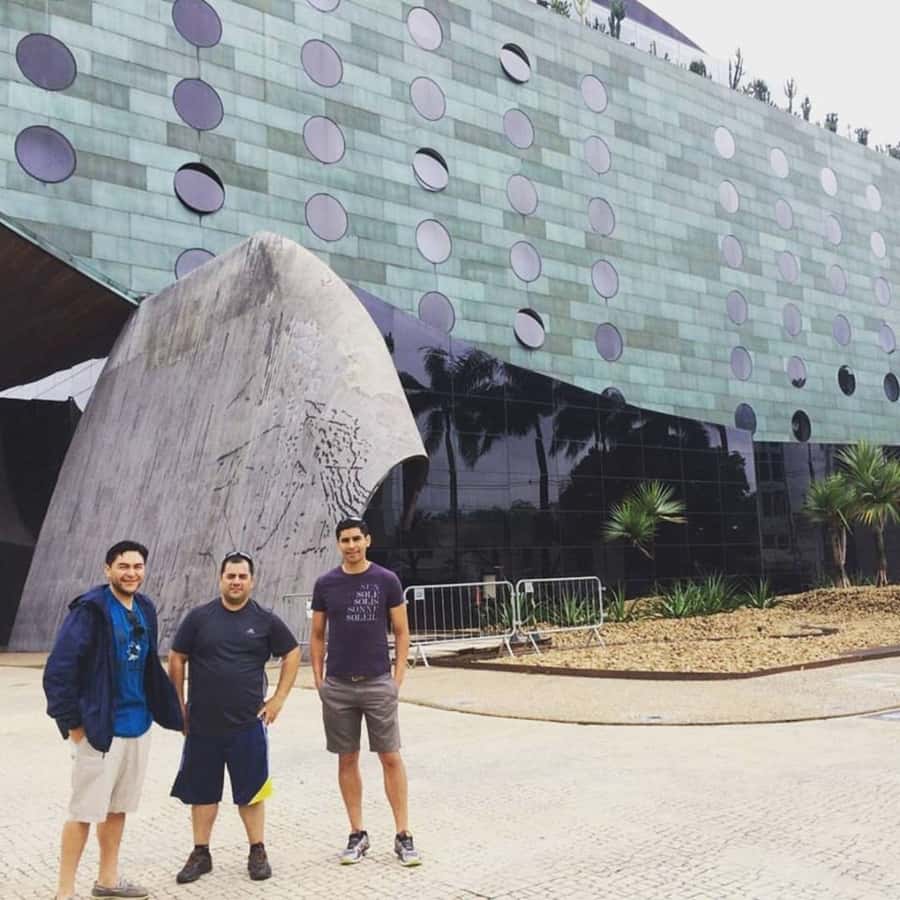
The final part can bring the story into more recent work, including projects associated with Ruy Ohtake and Isay Weinfeld. Contemporary architecture gives you a chance to see how São Paulo’s architects respond to new materials, changing needs, and a city that continues to grow.
This part is particularly useful if you are interested in current urbanism. One past participant specifically wanted modern and contemporary architecture, and the guide adjusted the route accordingly. That tells you what to request when you book: be clear if you prefer recent buildings over colonial or nineteenth-century examples.
The contemporary portion may feel less tidy than the historical sequence. Older styles are easier to label, while new work can mix materials and ideas. That is not a flaw. It gives you a chance to discuss what São Paulo is trying to become, rather than only looking backward.
Because no fixed list of stops is provided, you should not book expecting a guaranteed checklist of every architect or period. The strength is flexibility, but flexibility also means confirming your priorities at the start.
Why the private vehicle matters in São Paulo
São Paulo is enormous, and four hours can disappear quickly if you spend much of the tour changing transport or walking between far-flung areas. A private vehicle lets the guide connect examples across the city and return you to your hotel afterward.
Hotel pickup and drop-off are included for hotels in central São Paulo. Confirm that your hotel falls within the pickup area before booking, since the stated coverage is not all of the metropolitan region.
The vehicle also gives you a practical break between stops. Architecture tours can involve a lot of standing, street noise, heat, and visual concentration. You can use the drive to ask questions or reset before the next building.
There is a tradeoff. A vehicle-based tour may provide less time on foot than a walking architecture route. If you want to study façades at close range or photograph every detail, tell the guide at the beginning. The best version of this tour balances driving with enough time to look carefully.
Guides who shape the experience
The guide is the heart of this tour. Doris has been praised for her passion, entertaining explanations, and ability to take people to favorite places they would not have found alone. She has also adjusted routes to match personal interests.
Danilo has been described as punctual, precise, and particularly good for modern architecture and contemporary urbanism. Bruno has been praised for arriving on time, explaining both the city and its buildings, and getting people back to their hotel as planned.
Those comments point to three qualities you should care about:
- The guide can explain buildings in historical context, not just identify their style.
- The route can shift toward your interests.
- Timing and transport are handled with care.
The named guides may not be available for every departure, so treat those names as examples of the level of service to request, not a guaranteed assignment. The experience is offered in English, Spanish, or Portuguese, with a live bilingual guide.
Price, timing, and who gets the best value
The listed price is $290 for a private group of up to one person and four hours. That is expensive compared with a standard group sightseeing outing, but the comparison is not quite fair. You are paying for private transport, hotel pickup and drop-off, a live guide, and a route that can respond to your interests.
For a solo architecture enthusiast, the price may be easier to justify because the guide’s attention is not shared with a larger group. You can ask more questions and spend less time on places that do not interest you.
For families or larger parties, confirm the current price structure before paying. The supplied information states the listed rate for a group of up to one, so do not assume that additional people are included.
The four-hour length is enough for a broad overview, but not for a full study of every style. Think of it as an informed introduction with selected examples. If you want detailed interior visits or a building-by-building survey, this may feel too short.
The booking terms add useful flexibility. You can cancel up to 24 hours before the tour for a full refund, and you can reserve now and pay later. Starting times depend on availability.
Comfort, access, and family details
Wear comfortable shoes, even though the private vehicle does much of the work. You may still walk around buildings or spend time standing while your guide explains details.
São Paulo’s sun can be strong, so bring sunglasses and a sun hat. A camera is also listed as a useful item, though the best photographs will depend on the route, light, and how much time you have at each stop.
The tour is wheelchair accessible. That is important, but you should still discuss your specific mobility needs when arranging the booking because the experience includes transport and visits to different architectural settings.
The tour is not suitable for children under five. Children up to ten need special seats, and the operator must be told in advance. Without that notice, the tour cannot provide the required transport arrangement.
Pets, smoking, and unaccompanied minors are not allowed. Food and drinks are not included, so plan accordingly for a four-hour outing.
Who should book this architecture tour?
I would choose this tour if you have a strong interest in buildings, urban design, or Brazilian culture and want a guide who can connect the pieces. It also works well early in a São Paulo visit, since the chronological structure can help you understand what you see during the rest of your stay.
It is a good match for:
- Solo visitors who want a private specialist experience.
- Couples or small groups with a clear interest in architecture.
- People who want modernism, brutalism, or contemporary design explained in context.
- Visitors who prefer hotel pickup and private transport.
- Anyone who wants a route adjusted to personal interests.
- Spanish, English, or Portuguese speakers.
I would think twice if you want a cheap overview, a fixed list of famous sights, or a walking-only tour. The cost is high, and the exact stops are not guaranteed in advance. You also need to be comfortable with a broad four-hour survey rather than a detailed examination of every building.
Should you book it?
Book this São Paulo architecture tour if the city’s buildings are a major reason for your visit and you value a flexible guide. The strongest features are the wide range of styles, the focus on major Brazilian architects, and the ability to shift the route toward modern or contemporary work.
The price makes this a specialist outing, not a casual add-on. Before booking, tell the operator which periods matter most to you and confirm pickup coverage, group pricing, and any child-seat needs. If you do that, you are more likely to get a focused four hours rather than a general drive past buildings.
FAQ
How long is the São Paulo architecture tour?
The tour lasts four hours.
Is the tour private?
Yes. It is offered as a private group experience.
What languages are available?
The live guide can provide the tour in English, Spanish, or Portuguese.
Is hotel pickup included?
Yes. Pickup and drop-off are included for hotels in central São Paulo.
Which architectural styles can I see?
The tour can include Colonial, Neoclassical, Eclectic, Art Nouveau, Art Deco, Neocolonial, Modernist, Brutalist, and Contemporary architecture.
Which architects are discussed?
The tour can cover Ramos de Azevedo, Oscar Niemeyer, Paulo Mendes da Rocha, Vilanova Artigas, Lina Bo Bardi, Ruy Ohtake, Isay Weinfeld, and other important architects connected with São Paulo.
Is the tour suitable for children and wheelchair users?
The tour is wheelchair accessible, but it is not suitable for children under five. Children up to ten require special seats, and the operator must be informed in advance.
Just added around Sao Paulo
- REIKI – Crystal Therapy – by Venus’ Secret Spa – San Francisco★ 5.0 · 41 reviews
- Private Half-Day Guided Tour to São Paulo★ 5.0 · 50 reviews
- Private Street Art Tour of São Paulo with Batman´s Alley Visit★ 5.0 · 30 reviews
- Private Tour: São Paulo’s Top Attractions–6 Hours, Hotel/Airport★ 5.0 · 50 reviews
- Full Day Private Beach Tour Santos & Guarujá – Combine Culture, History & Beach★ 5.0 · 37 reviews
- Downtown Photo Tour★ 5.0 · 45 reviews
- Gastronomic Tour São Paulo – Culture & History Through The Art Of Food – Private★ 5.0 · 50 reviews
- Facial Energization – by Venus’ Secret Spa – São Paulo★ 5.0 · 43 reviews
São Paulo Tours, compared.
Main City Sights in 7 Hours – Shared Group Tour
Read our review →

São Paulo 5 Hour Private Tour With Fruit Tasting
Read our review →Browse the lists this tour appears in