
Reviewed · FOOD & DRINK
São Paulo: Liberdade Street Food Tour
São Paulo’s Liberdade is more than a Japanese neighborhood. It is a compact food-and-culture lesson where Japanese pastel, Brazilian-style takoyaki, Korean pastry, Argentinian empanadas, and tropical sugarcane juice can all fit into one short walk. I like that the food gives you an easy way into the neighborhood’s story, rather than treating the streets as a backdrop.
I especially like the small group of no more than 10 people, which should make it easier to hear the guide and ask questions. I also like the mix of tastings and walking, since you are not simply parked at one restaurant for two hours. The main consideration is that the tour starts strictly on time, and one weekday tasting may be replaced by empanadas, so the exact food lineup can vary.
In This Review
- Key points at a glance
- Why Liberdade makes such a good food walk
- Meeting at Liberdade Square
- Japanese pastel and the first taste of Liberdade
- Takoyaki, tempura, or weekday empanadas
- Korean choux pastry and a wider neighborhood story
- Walking, architecture, and the people of Liberdade
- What the guide adds to the experience
- Is the $60 price good value?
- Who should book this Liberdade food tour?
- Practical details that make the walk easier
- Should you book it?
- FAQ
- Where does the São Paulo Liberdade food tour meet?
- How long does the experience last?
- What food is included?
- Are drinks included?
- Is the tour conducted in English?
- Can I cancel or pay later?
Key points at a glance
- Four food traditions in one neighborhood: Taste food connected with Japan, Brazil, Korea, and, on some weekdays, Argentina.
- A food tour with real local context: Your guide explains Liberdade’s Japanese roots, later migration, Afro-Brazilian heritage, and changing identity.
- Giuliano may lead the walk: Past participants describe him as energetic, clear in English, and highly familiar with São Paulo’s food and history.
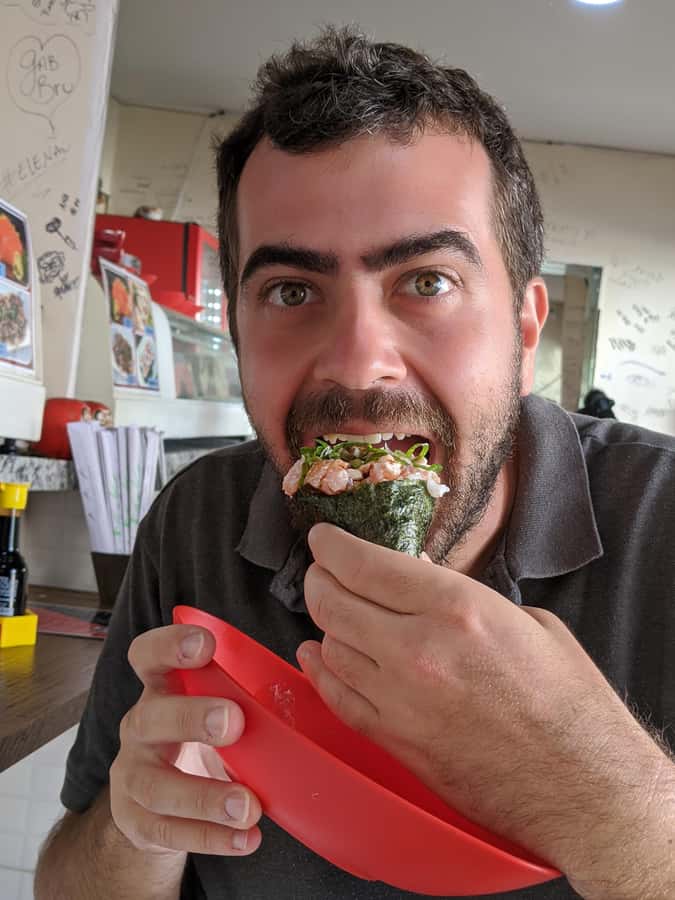
- Three main snack stops plus drinks: Expect Japanese pastel and onigiri, takoyaki or tempura, Korean choux pastry, water, sugarcane juice, and a final soft drink or coffee.
- Short but filling: The activity lasts two hours, with about 105 minutes listed for the guided Liberdade portion.
- Arrive early: Meet outside the large red Bradesco Prime bank in the middle of Liberdade Square. Late arrivals cannot join once the tour begins.
Why Liberdade makes such a good food walk
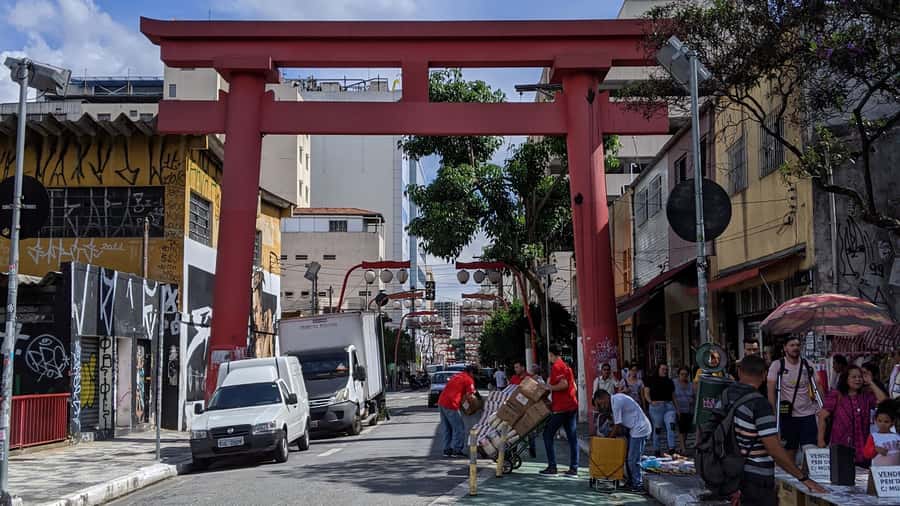
Liberdade has a clear Japanese identity, but it is not a frozen display of Japan overseas. The neighborhood has a long and changing story. It was once a military district, then became a major center for Japanese immigrants in São Paulo about a century ago. Today, people from China, Korea, Congo, Haiti, and other places also help shape the area.
That mix gives the food its appeal. You are not just trying dishes imported unchanged from another country. You are tasting food as it has been adapted, sold, and enjoyed in São Paulo. A Japanese pastel with sugarcane juice says quite a bit about Brazil’s habit of turning a snack into a local experience.
The walk also points to Liberdade’s Afro-Brazilian heritage. That matters because the neighborhood’s story is broader than the familiar Japanese lanterns and Asian markets. I appreciate tours that show how a district changes over time, and this one uses the food to make those changes easier to understand.
A few more Sao Paulo trips to weigh up
- São Paulo 5 Hour Private Tour With Fruit Tasting
★ 5.0 · 93 reviews - Gastronomic Tour São Paulo – Culture & History Through The Art Of Food – Private
★ 5.0 · 50 reviews - From São Paulo: São Roque Wineries Route and Tasting of Wine
★ 4.9 · 22 reviews
Meeting at Liberdade Square
The meeting point is outside the large red Bradesco Prime bank in the middle of Liberdade Square. That is a useful landmark in a busy part of São Paulo, but you should still give yourself time to find it. The start is strict, and the guide will not be checking a phone after the walk begins.
This is one of those tours where being early is part of the deal. Plan your route in advance, especially if you are unfamiliar with São Paulo or need extra time to locate the bank. Contacting the guide the day before is encouraged if you need more directions.
The group is capped at 10 participants. That is a sensible size for a food walk through active streets and small food businesses. You should have a better chance of hearing the English commentary and keeping up with the group than on a large coach-style outing.
The route is wheelchair accessible. Bring sunscreen and an umbrella. São Paulo weather can change, and the tour spends time outdoors rather than moving from one indoor venue to another.
Japanese pastel and the first taste of Liberdade
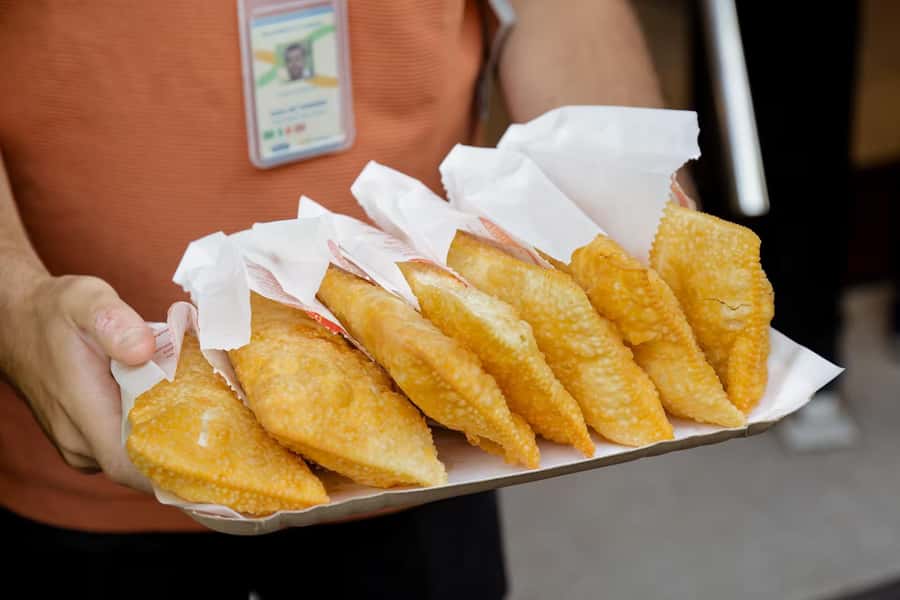
The first main food pairing includes Japanese pastel and onigiri. Pastel is a familiar Brazilian street snack, usually a thin, crisp pastry filled with something savory. The Japanese version gives you a simple example of how food travels and changes in a new city.
Onigiri brings a different texture and style. Together, the two tastings set up the basic idea of the tour: Japanese influence in a Brazilian setting, not Japanese cuisine viewed in isolation.
The included sugarcane juice is an important part of this opening stretch. It is sweet, fresh, and unmistakably connected to Brazil’s food culture. Pairing it with a Japanese-influenced snack makes the point without needing a lecture. You can taste the meeting of traditions directly.
The portions are described as three main snacks overall, with drinks included. Past participants found the food substantial enough to leave them full, so I would not arrive after a large meal. This is a tasting tour, but it is not a few decorative bites.
Takoyaki, tempura, or weekday empanadas
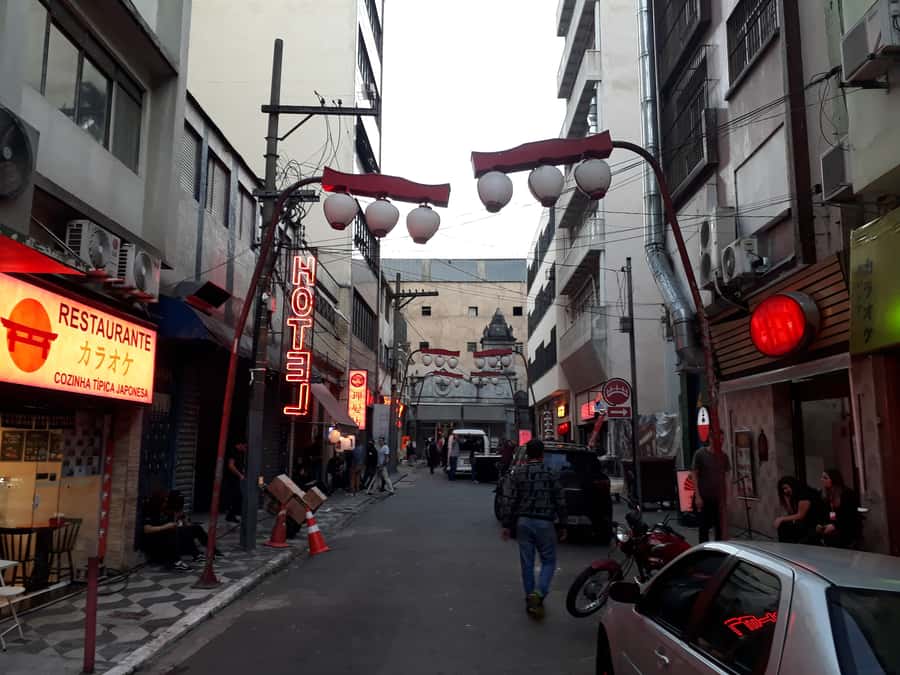
The next planned tasting is traditional takoyaki or tempura. Takoyaki is a Japanese snack associated with small, round pieces of batter and a savory filling. The description also refers to Brazilian takoyaki, which is part of the tour’s larger theme of local adaptation.
On weekdays, this stop may be replaced with Argentinian empanadas. That is not necessarily a weakness. It simply means you should not book the walk expecting one fixed menu. If empanadas appear, you get another South American connection, and one participant specifically considered them a favorite.
The menu flexibility is worth keeping in mind if you have your heart set on takoyaki. Ask about the current weekday arrangement if a particular dish matters to you. Otherwise, the change adds variety and keeps the experience tied to what is available during the tour.
The food is chosen for its cultural meaning as well as its flavor. A snack can show migration, local taste, and neighborhood commerce in a way that a standard sightseeing stop often cannot. That is the real value of this middle portion.
Same city, a completely different kind of day:
- São Paulo: Main City Sights in 7 Hours – Shared Group Tour
★ 4.9 · 587 reviews - São Paulo: City Highlights Guided Tour
★ 4.5 · 307 reviews - Private São Paulo City Tour
★ 4.8 · 264 reviews - São Paulo: Downtown Historical Bike Tour
★ 4.9 · 191 reviews
Korean choux pastry and a wider neighborhood story
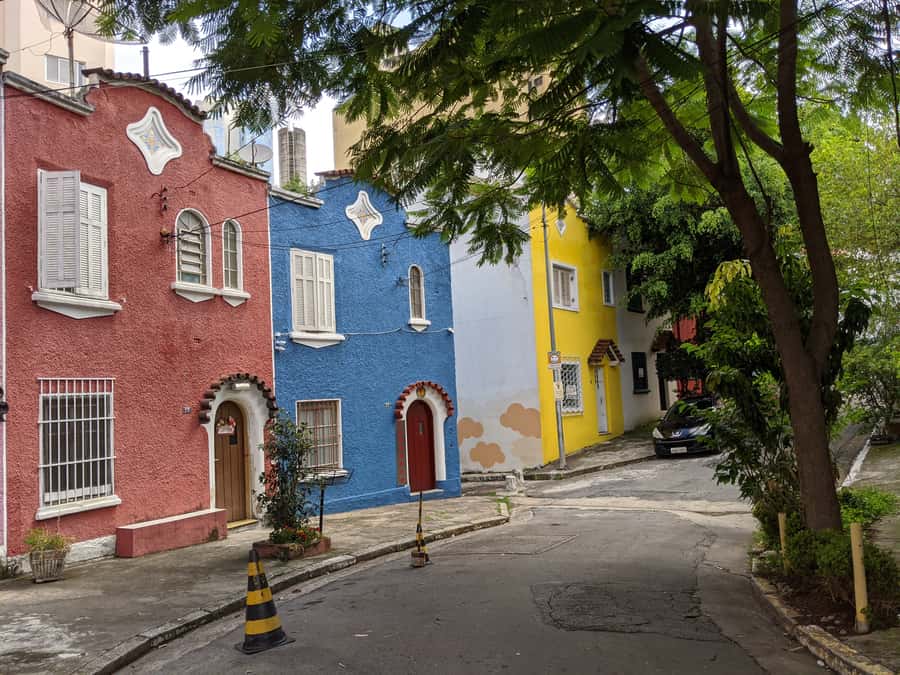
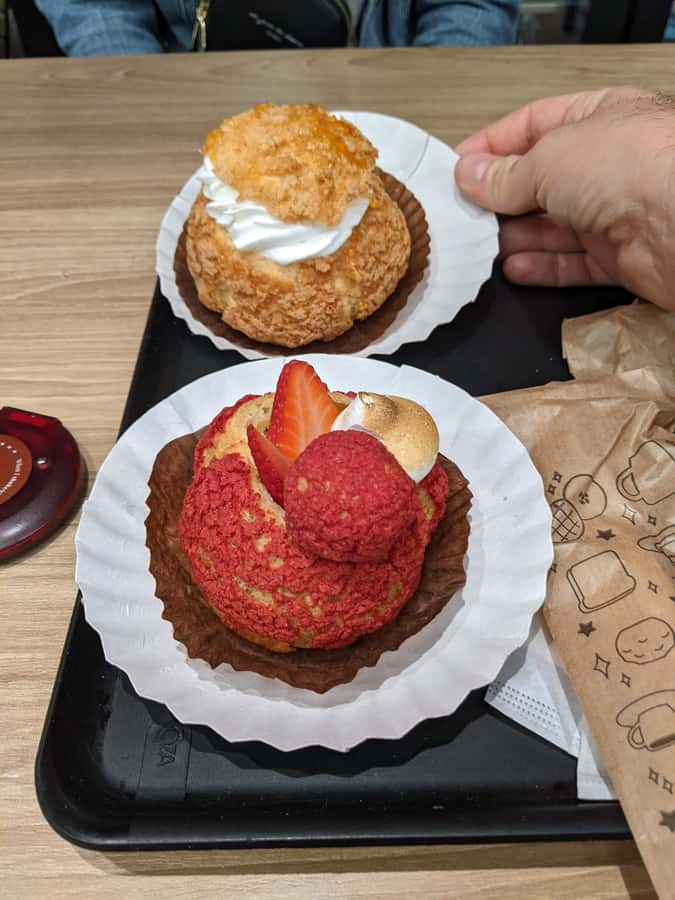
The final main snack is a Korean choux au craquelin. Choux pastry is light and airy, while the craquelin topping adds a crisp layer. The Korean connection gives the tasting another turn, moving the focus beyond the Japanese identity most people associate with Liberdade.
This stop helps you see the district as a meeting place for several communities. The tour also discusses Chinese, Korean, Congolese, and Haitian migration, along with the area’s Afro-Brazilian heritage. The supplied details do not specify a separate tasting from every one of these cultures, so you should not expect a full culinary survey of each group. Instead, the walk uses a few carefully chosen foods to open a wider conversation.
That approach suits a two-hour activity. You get enough variety to compare flavors and food traditions without spending the whole afternoon eating. It also gives the guide time to connect the dishes with the people and places around you.
Walking, architecture, and the people of Liberdade
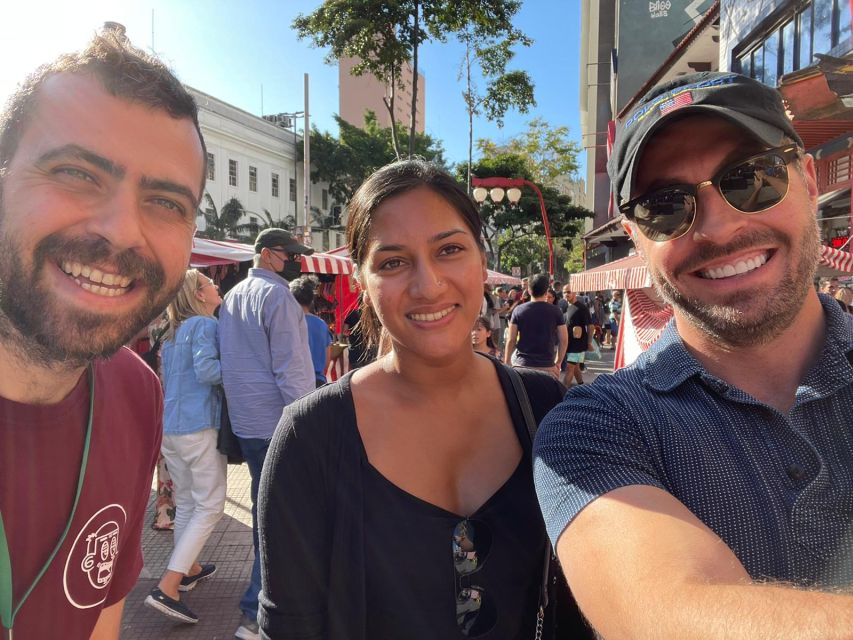
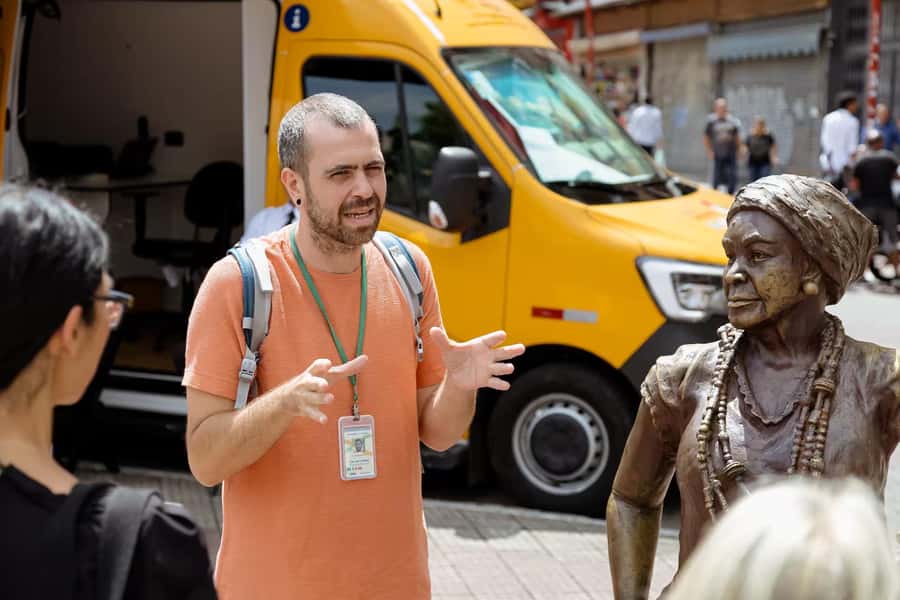
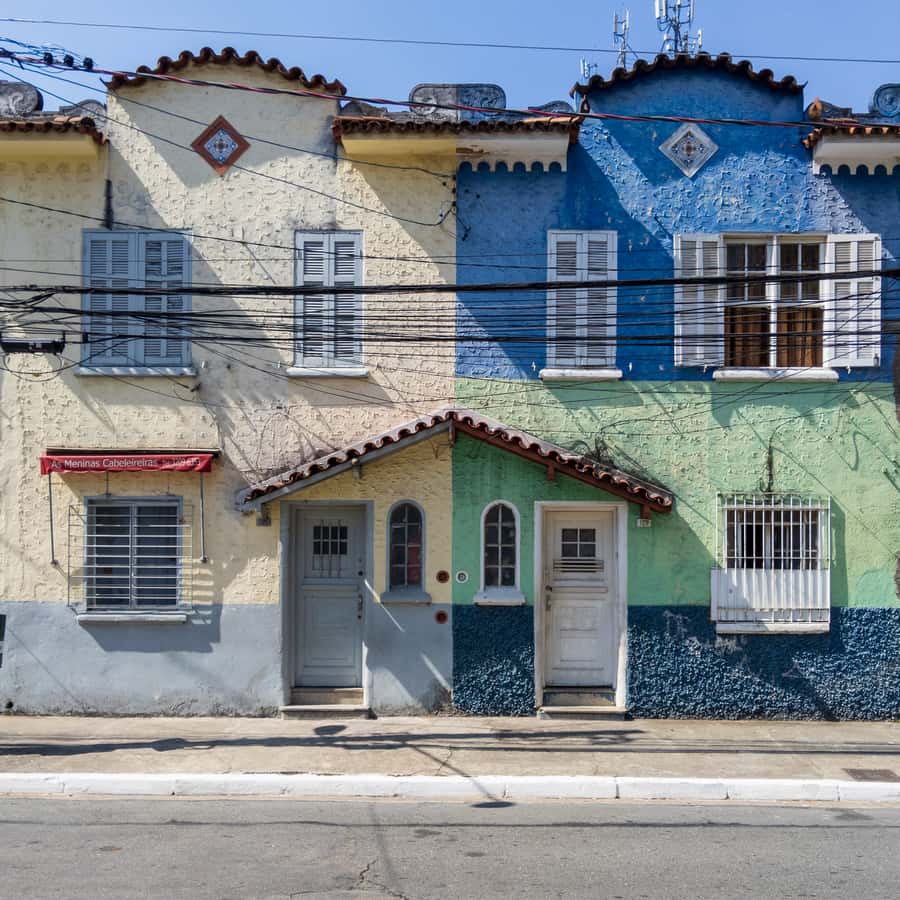
Food is the main draw, but the tour is not limited to vendor counters. After eating, you walk through Liberdade to spot architectural details and learn about the people who live in the area.
The exact buildings and streets are not specified, so I would think of this as a neighborhood walk rather than a formal architecture tour. The architectural stops add useful context, but the experience is primarily about food, migration, and local identity.
The walking portion also keeps the pace varied. You taste something, hear where it fits into São Paulo, then move through the neighborhood before the next stop. That rhythm helps prevent the tour from feeling like a list of unrelated snacks.
The listed guided portion lasts 105 minutes, while the total activity lasts two hours. That leaves room for movement, ordering, and the final stop. Do not expect a long, slow city walk with extended museum-style commentary. This is a compact introduction to Liberdade, designed to give you a taste of the area and a few ideas for exploring it later.
What the guide adds to the experience
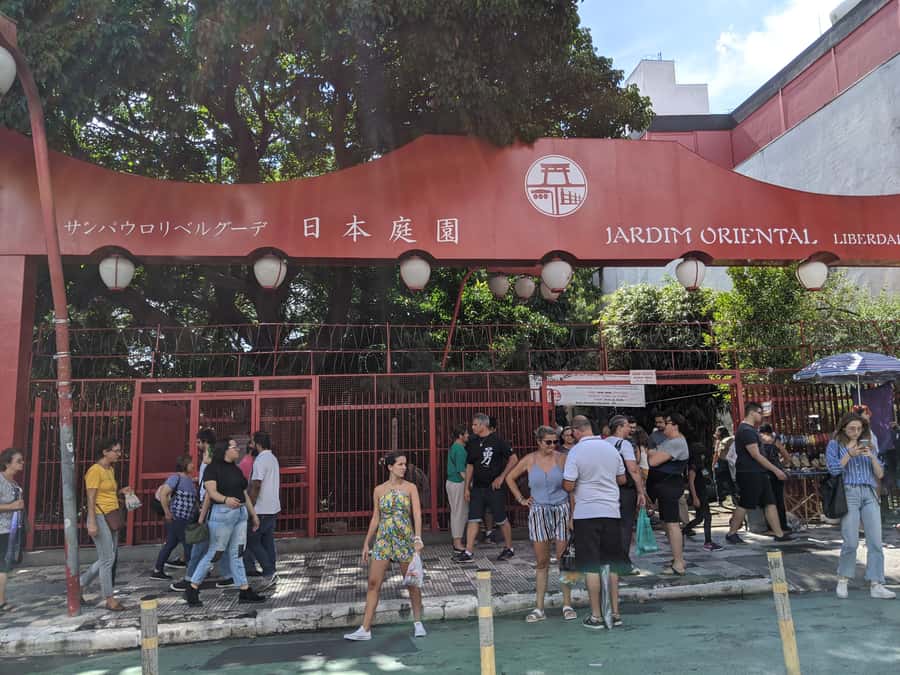
Giuliano is the guide name most often associated with this walk. He is described as Italian, long based in Brazil, energetic, fluent in English, and well informed about São Paulo’s past and food traditions. The specific guide may not always be Giuliano, so confirm when booking if that matters to you.
The strongest part of the guiding style is the connection between snack and story. You are not simply handed food and sent onward. The guide explains why the item belongs in Liberdade and how the area’s immigrant communities shaped its identity.
Clear communication matters on a food tour, especially when the group is moving through crowded streets and ordering unfamiliar dishes. The high rating of 4.9 from 73 ratings reflects a very consistent response, with particular praise for the guide’s energy, clear English, and ability to make history enjoyable.
There is one useful counterpoint. One person enjoyed the guide and the final stop but did not care for the food itself. Taste is personal, and a fixed tasting menu cannot suit everyone. If you are selective about textures, fillings, or sweet pastries, keep your expectations open.
Is the $60 price good value?
At $60 per person, this is not the cheapest way to buy street food in São Paulo. If you only want snacks, you could spend less by choosing your own vendors. The price makes more sense when you count the English-speaking guide, the neighborhood explanation, three main tastings, water, sugarcane juice, and a final soft drink or coffee.
You also save time and guesswork. Liberdade offers plenty of food, but a short visit can leave you unsure what to order or how each dish fits into the district’s story. This tour gives you a planned route and a guide who can explain the choices.
The small group improves the value. With no more than 10 people, the walk should feel more personal than a large food excursion. You are paying partly for access to interpretation, not just for the food in your hand.
Still, I would not choose this tour if you want a full meal at a single restaurant or a long culinary class. It is a fast, social tasting walk. The final soft drink or coffee is included, but additional food and drinks cost extra.
Who should book this Liberdade food tour?
I would recommend it to first-time visitors to São Paulo who want a friendly introduction to Liberdade without spending half a day planning their own route. It also suits anyone curious about migration and food, since the tastings give the history a practical focus.
English speakers will benefit most from the live commentary. The group size should work well for solo visitors, couples, and small families who like asking questions.
You should arrive hungry, but not starving. The food is enough to fill you, and eating several different snacks in quick succession is easier when you have left room.
This may be less suitable if you need a completely fixed menu, dislike trying unfamiliar foods, or want an in-depth tour devoted only to Japanese cuisine. The possible weekday switch from takoyaki or tempura to Argentinian empanadas is a reminder that flexibility is part of the experience.
Practical details that make the walk easier
The activity costs $60 per person and lasts two hours. It includes three main snacks, one bottle of water, one sugarcane juice, and one final soft drink or coffee.
The included food is:
- Japanese pastel and onigiri
- Traditional takoyaki or tempura
- Argentinian empanadas as a possible weekday replacement
- Korean choux au craquelin
Additional food and beverages are not included. If you have dietary restrictions, the supplied information does not specify substitutions, so ask before booking rather than assuming the menu can be changed.
The tour is conducted in English and is wheelchair accessible. Bring sunscreen and an umbrella, and arrive before the stated start time. Free cancellation is available up to 24 hours in advance for a full refund, and you can reserve now and pay later.
Should you book it?
Book this tour if you want a compact, food-led introduction to Liberdade with clear English guidance and a small group. The best reason to choose it is the way it links Japanese, Brazilian, Korean, and sometimes Argentinian food with São Paulo’s changing immigrant story.
At $60, the value depends on wanting the explanation as much as the snacks. If that sounds right, arrive early, skip the big meal beforehand, and expect a varied menu rather than a fixed Japanese-only route. If you want complete control over what you eat, explore Liberdade independently instead.
FAQ
Where does the São Paulo Liberdade food tour meet?
The meeting point is outside the large red Bradesco Prime bank in the middle of Liberdade Square.
How long does the experience last?
The full activity lasts two hours. The guided Liberdade portion is listed as approximately 105 minutes.
What food is included?
You receive three main snacks: Japanese pastel and onigiri, traditional takoyaki or tempura, and Korean choux au craquelin. On weekdays, takoyaki or tempura may be replaced with Argentinian empanadas.
Are drinks included?
Yes. The tour includes one bottle of water, one sugarcane juice, and one final soft drink or coffee. Additional drinks are not included.
Is the tour conducted in English?
Yes. The tour has a live English-speaking guide.
Can I cancel or pay later?
You can cancel up to 24 hours before the activity for a full refund. You can also reserve now and pay later.
Just added around Sao Paulo
- REIKI – Crystal Therapy – by Venus’ Secret Spa – San Francisco★ 5.0 · 41 reviews
- Private Half-Day Guided Tour to São Paulo★ 5.0 · 50 reviews
- Private Street Art Tour of São Paulo with Batman´s Alley Visit★ 5.0 · 30 reviews
- Private Tour: São Paulo’s Top Attractions–6 Hours, Hotel/Airport★ 5.0 · 50 reviews
- Full Day Private Beach Tour Santos & Guarujá – Combine Culture, History & Beach★ 5.0 · 37 reviews
- Gastronomic Tour São Paulo – Culture & History Through The Art Of Food – Private★ 5.0 · 50 reviews
- Downtown Photo Tour★ 5.0 · 45 reviews
- Facial Energization – by Venus’ Secret Spa – São Paulo★ 5.0 · 43 reviews
Food & Drink, compared.

Pub Crawl in Lapa with Cachaça Tasting and Live Samba
Read our review →
Jolimont Winery Tour – Visitation and Tasting – Canela RS
Read our review →
Sunset Boat Tour with Beer, Water, Soda and Snacks included
Read our review →
São Paulo 5 Hour Private Tour With Fruit Tasting
Read our review →
Petropolis The Imperial City with Beer tour and Lunch
Read our review →
Guided Market Fruit Tasting in Rio with 15+ Exotic Flavors
Read our review →Browse the lists this tour appears in