
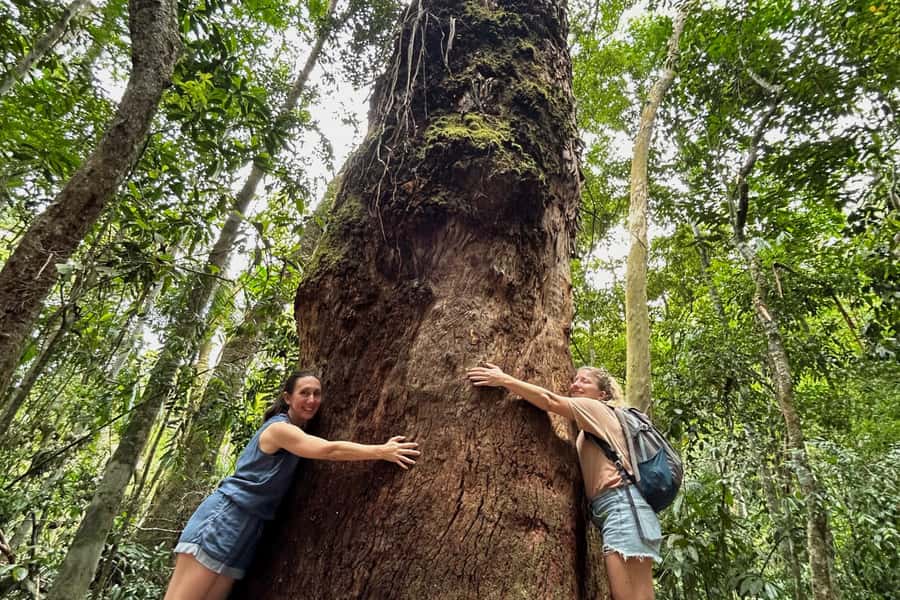
Reviewed · TIJUCA FOREST TOURS
Rio de Janeiro: Tijuca National Park Tour
Rio’s Tijuca National Park gives you a rare city break without leaving Rio. In a short morning, you move from hotel traffic to rainforest trails, waterfalls, caves, and high viewpoints. It is billed as the world’s biggest urban jungle, and the appeal is clear: this is real Atlantic Forest inside one of Brazil’s great cities. The best part is the variety, from Cascatinha Taunay to Gruta dos Morcegos and the forest paths between them.
I like the easy hotel pickup and the chance to focus on the forest instead of arranging transport. I also like the guides’ strong nature knowledge. Thalles, Dudu, Samuel, and Sylvio are praised for explaining plants, animals, and Brazilian ecology while taking photos and keeping the pace comfortable. The main drawback is the physical access: this is not suitable for wheelchair users or people with visual impairments, and some trail sections are more demanding than the word easy may suggest.
In This Review
- Key points to know before you book
- Why Tijuca is one of Rio’s best city escapes
- A 7:30 AM pickup keeps the morning useful
- The first viewpoint gives you Rio from the forest edge
- Cascatinha Taunay is the first major waterfall stop
- The visitor center adds context to the trees
- Cachoeira das Almas brings another waterfall and a possible swim
- A Floresta and Gruta dos Morcegos add character
- The hike is easy for many people, but not effortless
- Wildlife is a bonus, not the main promise
- Guide quality is central to the experience
- What the $79 price really buys you
- Who should book this Tijuca morning
- Final call: a strong half-day choice for Rio
- FAQ
- How long does the Tijuca National Park Tour last?
- What is included in the tour?
- Which languages are available?
- What should I bring?
- Is lunch included?
- Can I swim at one of the waterfalls?
- Is the tour accessible for wheelchair users?
Key points to know before you book
- Taunay Waterfall begins the forest experience: Cascatinha Taunay is one of the park’s main sights and an easy way to meet Tijuca’s thick greenery.
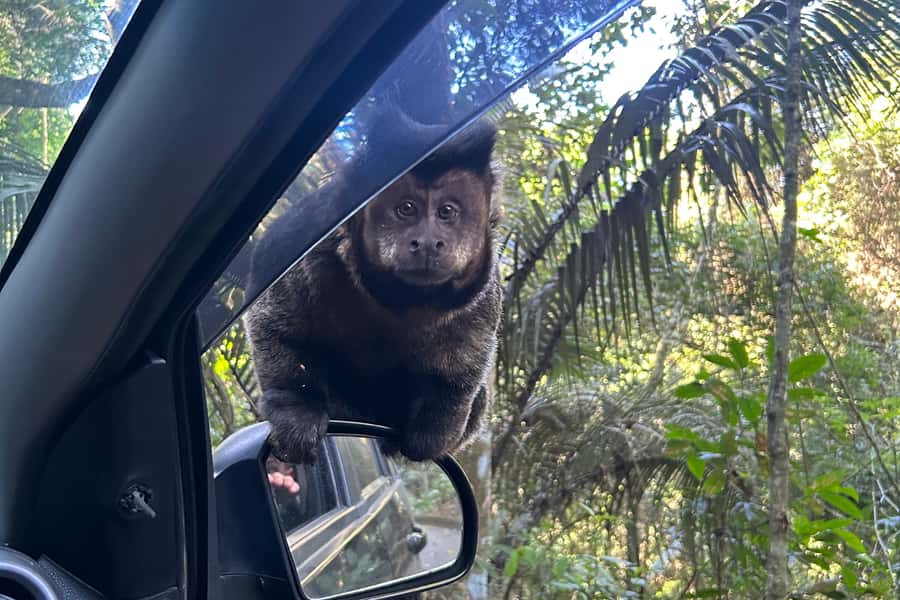
- Wildlife sightings are possible: You might see monkeys, coatis, birds, hummingbirds, blue morpho butterflies, ants, insects, or even a green vine snake.
- The hike is generally moderate but not flat: Most of the walk is described as easy, though some parts are quick-paced or require more effort.
- The tour covers more than scenery: You visit a visitor center, a heritage building, caves, waterfalls, and viewpoints.
- Hotel pickup makes the morning simple: Pickup and drop-off are available across areas including Copacabana, Ipanema, Centro, Santa Teresa, Botafogo, Urca, Flamengo, Leblon, São Conrado, Barra da Tijuca, and Jardim Botânico.
- Bring serious water supplies: The operator asks for at least two liters per person, along with snacks, proper shoes, and mosquito repellent.
Why Tijuca is one of Rio’s best city escapes
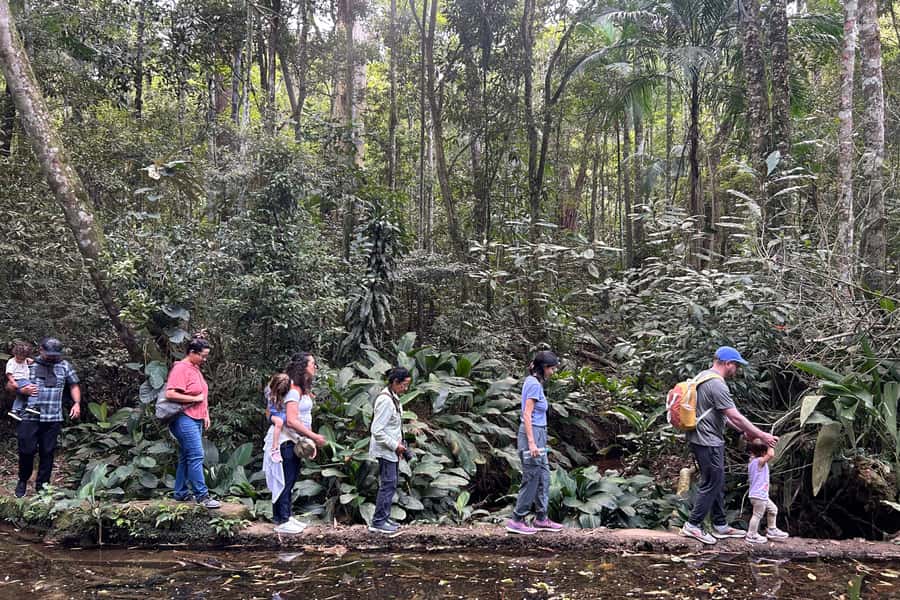
Rio is famous for beaches, granite peaks, and wide views, but Tijuca National Park shows a quieter side of the city. You are still close to Rio’s built-up districts, yet the experience quickly becomes about tree cover, wet trails, waterfalls, and animal calls.
This tour works well because it combines transport with a guided walk. You do not need to find the park entrance, work out the route, or guess which paths are worth your time. Your guide handles the driving and points out details that are easy to miss, such as insects, birds, vines, and signs of animal life.
The forest is also more than a pretty backdrop. Your guide can connect the plants and wildlife to Brazil’s biomes and the park’s past. Samuel, Thalles, Dudu, and Sylvio receive especially strong praise for explaining nature in clear terms, rather than simply leading the group from one photo stop to the next.
The tour costs $79 per person. That is not the cheapest way to see a green space in Rio, but the price includes transport throughout the morning, hotel pickup, a local guide, and photos and videos. For you, the value is strongest if you want a half-day outing without renting a car or arranging several separate rides.
More tijuca forest tours in Rio De Janeiro:
- Rio de Janeiro: Christ, Selaron Steps, and Tijuca Park Tour
★ 4.7 · 857 reviews - Rio de Janeiro: Guided Jeep Tour through Tijuca Rainforest
★ 4.3 · 740 reviews - Jeep Adventure: Guided Tour through Tijuca Rain Forest
★ 4.0 · 554 reviews
A 7:30 AM pickup keeps the morning useful
The day begins with pickup from your hotel or accommodation at about 7:30 AM. The broad pickup area is practical, especially if you are staying in a hotel district rather than near the park itself.
Available areas include Copacabana, Ipanema, Leblon, Botafogo, Flamengo, Centro, Lapa, Santa Teresa, Urca, São Conrado, Barra da Tijuca, Jardim Botânico, and Rio de Janeiro listings that may cover central accommodation areas. Confirm your exact address when booking.
The ride into the park is part of the convenience. Instead of spending your first hour navigating Rio roads and park access points, you can settle in and let the guide set the plan. Pickup times can be affected by your location, so keep your morning free rather than scheduling a tight appointment afterward.
The supplied schedule places the transfer and first viewpoint stop between about 7:30 and 8:15 AM. The main forest visit then runs until around 12:15 PM, with hotel drop-off listed between about 12:15 and 1 PM. The activity is also described as 270 minutes, or four and a half hours, while the pickup-to-drop-off outline covers closer to five and a half hours. Treat it as a morning outing lasting roughly four and a half to five and a half hours, depending on your pickup area and traffic.
The first viewpoint gives you Rio from the forest edge
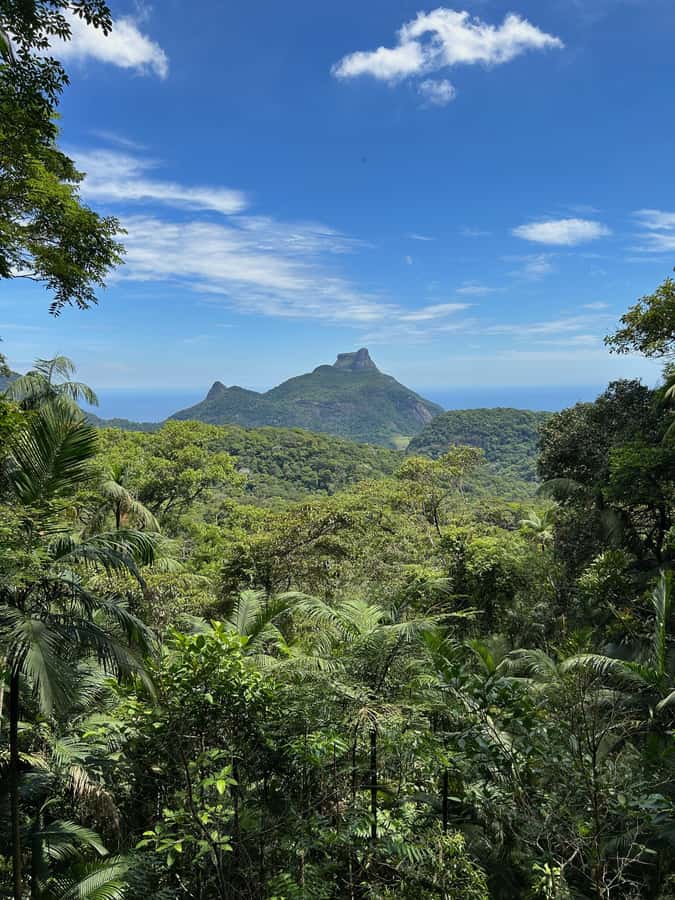
The initial viewpoint stop helps you understand where you are. Tijuca is not a remote wilderness far outside the city. It is a forest area woven into Rio’s urban setting, so the view can put the city, hills, and vegetation into one frame.
This is a useful early stop because it gives you a broad picture before the trails become the focus. Bring your phone or camera, but do not expect every viewpoint to offer the same weather or visibility. Rio’s conditions can change, and cloud or moisture may affect long views.
The tour includes photos and videos, which is helpful if you want to stay present instead of taking pictures every few minutes. Still, bring your own camera if photography matters to you. The guides are praised for taking good photos, particularly Samuel, but the exact number and style of images are not specified.
Cascatinha Taunay is the first major waterfall stop
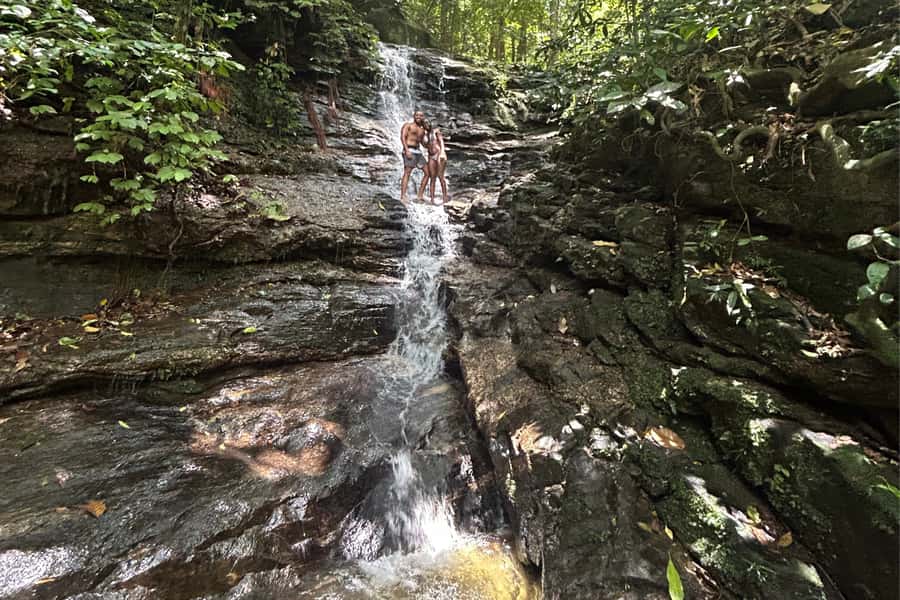
Cascatinha Taunay is one of the signature sights in Tijuca Woods, the park’s main area. The waterfall gives the tour an immediate sense of place: water, rock, forest cover, and the sound of the rainforest all come together without requiring a long trek.
This stop is valuable for people who want a nature experience but do not want a hard all-day hike. You get a strong visual reward early in the visit, then continue on foot to see more of the park.
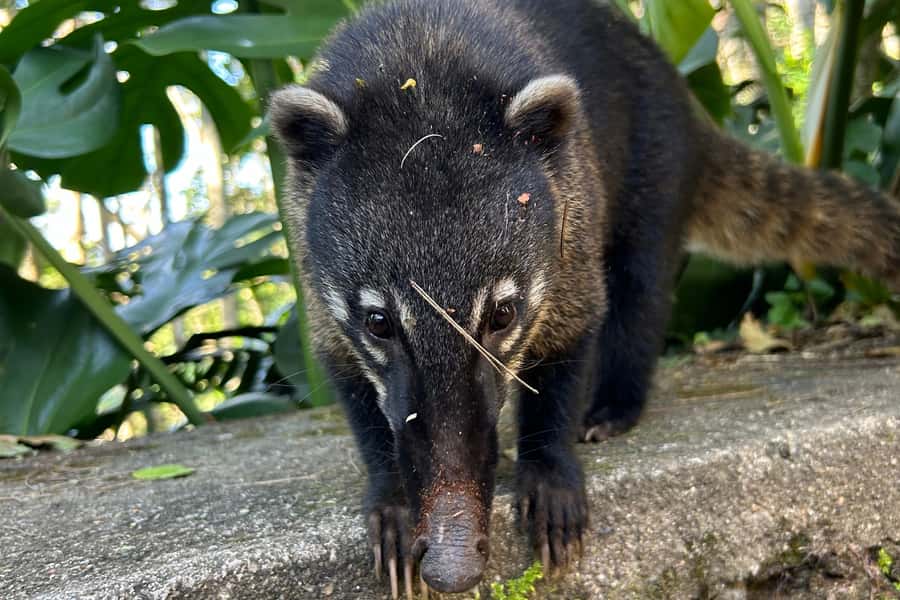
The guide can also help you look beyond the waterfall. The forest’s plants, insects, and animal sounds become easier to notice when someone explains what deserves attention. You might see birds, monkeys, or coatis, but wildlife is never guaranteed. The reports of monkeys, a ring-tailed coati, hummingbirds, blue morpho butterflies, and a green vine snake show what can appear, not what you should expect on every departure.
A few more Rio De Janeiro trips to weigh up
- Tijuca National Park and all its wonders
★ 5.0 · 88 reviews - Rio: Tijuca National Park Small-Group Hike to Pedra Bonita
★ 4.9 · 79 reviews - Rio de Janeiro: Tijuca National Park & Botanic Garden Tour
★ 4.4 · 39 reviews - Tijuca National Park and all its wonders!
★ 5.0 · 3 reviews
The visitor center adds context to the trees
A stop at the Center of Visitors breaks up the trail sequence and gives the tour a place for orientation. This is where the park can become more than a series of waterfalls and photographs.
Your guide may explain the local flora and fauna, the forest environment, and the wider story of Brazil’s natural regions. The most useful part of the experience is often this running commentary. Without it, a large tropical forest can look like an endless wall of green. With it, you begin to notice differences between plants, small creatures, and forest zones.
The tour is offered in English, Portuguese, Spanish, and French. The first description calls it bilingual, but the activity information lists all four languages. Check the available language when you select a time, especially if you need French or English.
Cachoeira das Almas brings another waterfall and a possible swim
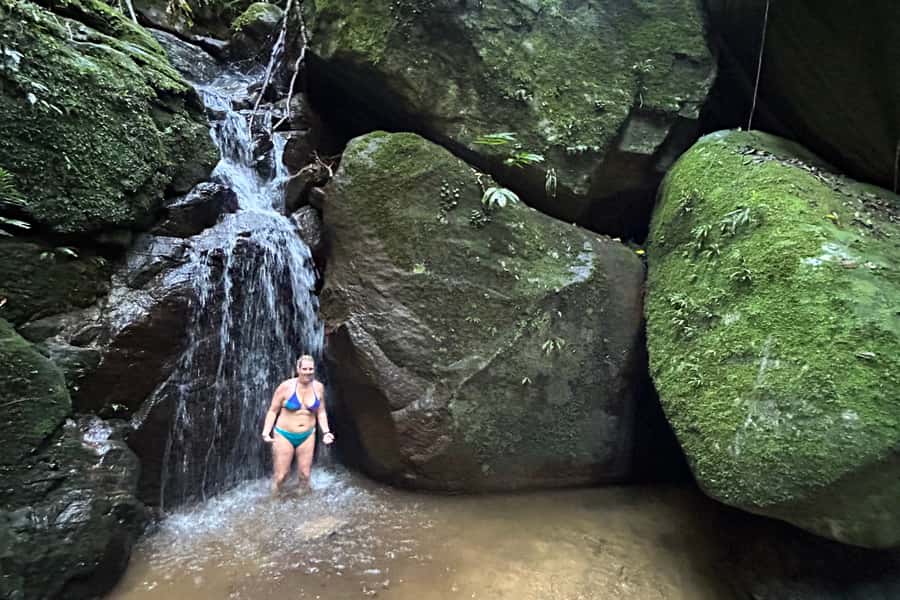
Cachoeira das Almas is another waterfall included in the route. Seeing several falls in one morning gives the outing more variety than a single viewpoint visit.
One account describes a lush pool where you could cool off. That makes swimwear or quick-drying clothing worth considering if your guide confirms conditions on the day. Do not count on swimming as the central feature, though. The official preparation notes focus on hiking shoes, water, snacks, and weather-ready clothing, not swimming equipment.
Water levels, trail conditions, and local rules can affect access. If you hope to enter the water, ask your guide before changing clothes or carrying extra gear. Otherwise, treat the pool and waterfall as scenic stops.
A Floresta and Gruta dos Morcegos add character
The restaurant called A Floresta is a heritage building in Tijuca Woods. It gives the route a cultural and architectural pause. A forest tour can feel repetitive if every stop is another tree or waterfall, so the heritage building helps show how people have used and shaped this area over time.
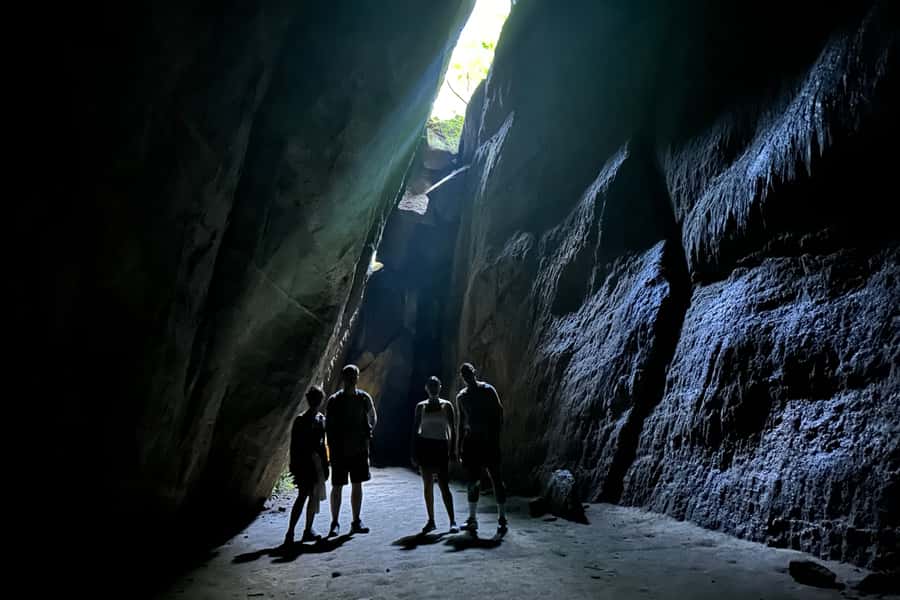
You also go inside Gruta dos Morcegos, or Bats Cave. Cave visits provide a change in light, sound, and texture after the open forest trails. Go in expecting a natural cave stop, not a developed attraction with a full visitor infrastructure.
Wear shoes with a secure grip. Even an easy trail can include damp ground, uneven rock, or short sections where you need to watch your footing. The tour description includes other waterfalls as well, so the exact rhythm may vary with trail conditions and the guide’s judgment.
The hike is easy for many people, but not effortless
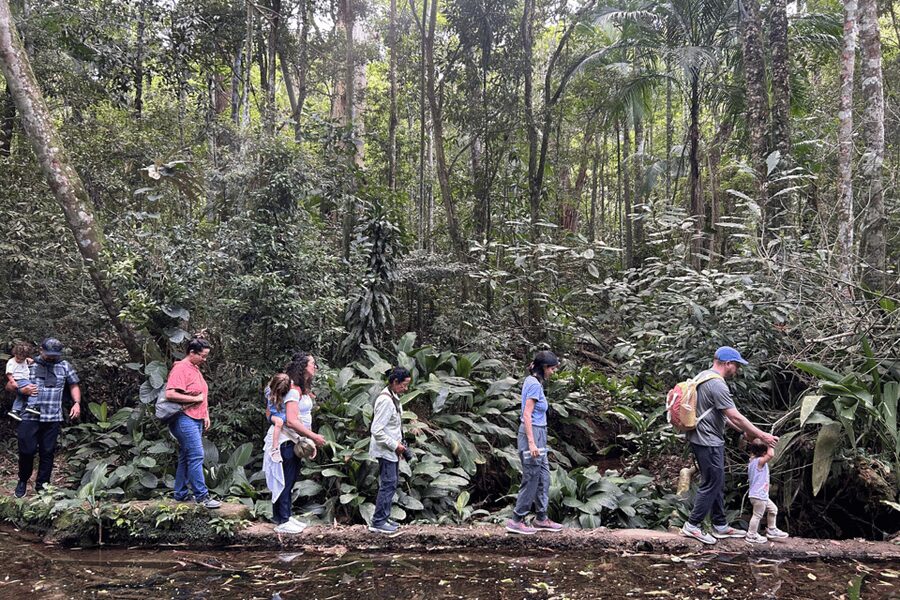
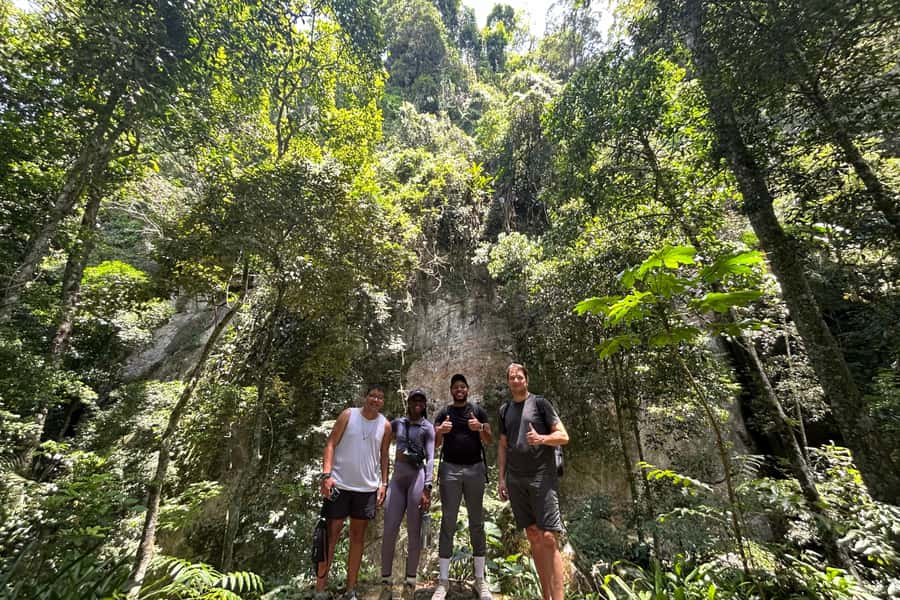
The hiking is commonly described as easy or not very intense, but one account also notes that some sections are demanding and another mentions a short, quick-paced hike. That is the fair way to view it: this is a manageable rainforest walk, not a completely flat stroll.
You should be comfortable walking on natural paths for part of the morning. Hiking shoes are the safest choice, though the preparation notes also say shoes generally. Avoid flimsy footwear. Bring clothing suited to the weather, and expect the rainforest to feel warm or damp.
At least two liters of water per person is a sensible requirement, not a minor suggestion. Add quick food such as sandwiches, protein bars, or nuts because lunch is not included. Drinks are also excluded, so bring your own water and budget for anything else you may want later.
Mosquito repellent is another smart addition. It is not listed in the formal inclusions, but it is specifically recommended in the practical advice from the experience. A small towel or spare shirt may also be useful if you visit a waterfall pool, though these are not required items.
Wildlife is a bonus, not the main promise
Tijuca gives you a real chance to see local wildlife, but an animal encounter depends on timing, weather, noise, and luck. The possible list is appealing: monkeys, coatis, birds, hummingbirds, blue morpho butterflies, ants, unusual insects, and a green vine snake.
The strength of the guided format is that you are more likely to notice small life along the path. Dudu and Samuel are singled out for spotting details and explaining them. A guide who pauses for ants or a bird can make the forest feel active, even when larger animals stay out of sight.
Keep your expectations sensible. The tour is not a wildlife safari with guaranteed sightings. You are going for the forest, waterfalls, caves, and viewpoints first. If a coati walks close or a monkey appears, it becomes the morning’s lucky extra.
Guide quality is central to the experience
This tour depends heavily on the person leading it. A quiet walk through trees can be pleasant, but a guide who explains the plants, wildlife, Brazilian biomes, and park background gives the route purpose.
The named guides receiving strong praise include Thalles, Samuel, Eduardo, also called Dudu, Sylvio, Alex, and Sam. Thalles is noted for friendly, tailored guiding and strong English. Samuel is praised for his detailed understanding of flora and fauna and for taking excellent photos. Dudu is described as attentive to everyone in the group and willing to keep a relaxed pace. Sylvio is praised for his warm approach and explanations of park history and wildlife.
Guide assignments can change, so you cannot book a particular person unless the operator confirms it. You can, however, expect a local guide and request your preferred language. Private groups are available, which may be worth the extra cost if you want a slower pace, more questions, or a route shaped around photography.
What the $79 price really buys you
At $79 per person, you are paying for ease as much as for the park itself. Transport, hotel pickup and drop-off, a guide, and photos and videos remove several small tasks that can become awkward in Rio.
The price makes the most sense for a first visit, a short stay, or anyone who wants to see Tijuca without spending a full day on logistics. It is also useful if you want explanations in English, Spanish, French, or Portuguese rather than simply walking through the forest alone.
The value is weaker if you already have private transport, know the park well, and prefer to explore independently. Lunch and drinks are not included, and the experience does not provide an all-day park visit. You should also compare the cost of a private group if your party wants a highly personal pace.
Free cancellation is available up to 24 hours before the activity for a full refund, and you can reserve now and pay later. Those terms help if your Rio schedule may shift, but check the exact booking conditions before payment.
Who should book this Tijuca morning
I would choose this tour if you want a practical introduction to Rio’s rainforest, especially if your time in the city is limited. It suits active adults, couples, families with older children who can manage natural trails, and visitors who enjoy learning about plants and animals rather than only taking scenic photos.
It is also a good match for photographers. The route includes waterfalls, viewpoints, caves, heritage architecture, wildlife opportunities, and guide-provided photos. Early pickup may help you make good use of the day, though light and weather will shape the pictures.
I would hesitate if you need step-free access, use a wheelchair, or have a visual impairment, since the activity is specifically marked as unsuitable. I would also avoid booking it if you want a strenuous full-day trek. This is a guided half-day forest outing with some uneven or more active sections, not an endurance hike.
Final call: a strong half-day choice for Rio
You should book the Tijuca National Park Tour if you want forest, waterfalls, wildlife, and caves in one organized morning. The strongest reasons are the hotel transport, the range of stops, and guides who bring real subject knowledge to the walk.
Go prepared with two liters of water, snacks, good shoes, weather-appropriate clothing, and mosquito repellent. Keep your wildlife expectations flexible, and allow extra time around the listed schedule. For $79, it offers solid value when you want Rio’s natural side without managing the details yourself.
FAQ
How long does the Tijuca National Park Tour last?
The activity duration is listed as 270 minutes, or four and a half hours. The schedule shows pickup around 7:30 AM and hotel drop-off between about 12:15 and 1 PM, so allow roughly a morning for the full outing.
What is included in the tour?
The price includes an expert local guide, transportation throughout the tour, hotel or accommodation pickup and drop-off, and photos and videos.
Which languages are available?
The tour is offered with live guidance in English, Portuguese, Spanish, and French. Confirm the language available for your chosen departure.
What should I bring?
Bring at least two liters of water per person, quick snacks, hiking shoes or sturdy shoes, weather-appropriate clothing, a camera or smartphone, identification, travel documents, and extra money for tips or lunch. Mosquito repellent is also recommended.
Is lunch included?
No. Lunch and drinks are not included, so bring water and snacks and plan separately for lunch.
Can I swim at one of the waterfalls?
A waterfall pool may be available for cooling off, but swimming is not presented as a guaranteed part of the tour. Ask your guide about conditions on the day.
Is the tour accessible for wheelchair users?
No. The activity is not suitable for wheelchair users or people with visual impairments.
Just added around Rio De Janeiro
- Vidigal Favela Tour★ 4.4 · 26 reviews
- Hang gliding flight in Rio de Janeiro★ 5.0 · 6 reviews
- Rio de Janeiro: Zip Lining and Canopy Tree Tour★ 3.3 · 6 reviews
- Rio de Janeiro: Attend a Vasco da Gama game with local guide★ 4.8 · 9 reviews
- Unforgettable Boat Party★ 5.0 · 3 reviews
- Tijuca Forest Hike – Waterfalls & Caves, Nature & Wild Life!★ 5.0 · 51 reviews
- Rio Highlights: Christ, Sugarloaf, and More in a Private Tour★ 5.0 · 36 reviews
- Tijuca Forest w/ Chinese View,cascatinha Taunay,horto waterfall and parque laje★ 4.5 · 29 reviews
Tijuca Forest Tours, compared.


Jeep Adventure: Guided Tour through Tijuca Rain Forest
Read our review →
Tijuca Forest Small Group Hike to Caves and Waterfalls
Read our review →
Rio de Janeiro Botanical Garden & Tijuca Forest Tour
Read our review →
Browse the lists this tour appears in