
Reviewed · AMAZON JUNGLE TOURS
Manaus: Multi-Day Amazon Survival Trip with Camping
The real appeal here is simple: you leave Manaus by boat and trade city streets for hammocks under mosquito nets, jungle trails, flooded forest, and dark-water night trips. The days mix wildlife viewing with hands-on bushcraft, so this is more than a sightseeing cruise.
I like the early canoe ride at 5:30 a.m., when the forest wakes around you, and the small group limit of 12 people. I also like the chance to meet a local forest family and learn how plants, trees, fishing, and shelter fit into daily life. The main caution is comfort: sleeping in hammocks and carrying only 12 kilograms of luggage will not suit everyone, and the advertised duration needs careful checking because the schedule describes three, four, and five-day versions.
In This Review
- Key points to know before you book
- Leaving Manaus by boat for the Meeting of the Waters
- Your first night begins with a jungle camp
- A 5:30 a.m. canoe ride through the waking forest
- Canoes, flooded forest, and the piranha outing
- Choosing between the three-day, four-day, and five-day schedules
- How the guide and group size shape the experience
- What the $660 price really covers
- Packing for heat, rain, insects, and hammocks
- Who will enjoy this Amazon survival trip most
- Should you book it?
- FAQ
- How long is the Amazon survival trip?
- What languages do the guides speak?
- Is hotel pickup included?
- What happens if I arrive at Manaus Airport by 2 p.m.?
- Where do I sleep?
- Are meals included?
- How much luggage can I bring?
- Is travel insurance included?
- Can I cancel the booking?
Key points to know before you book
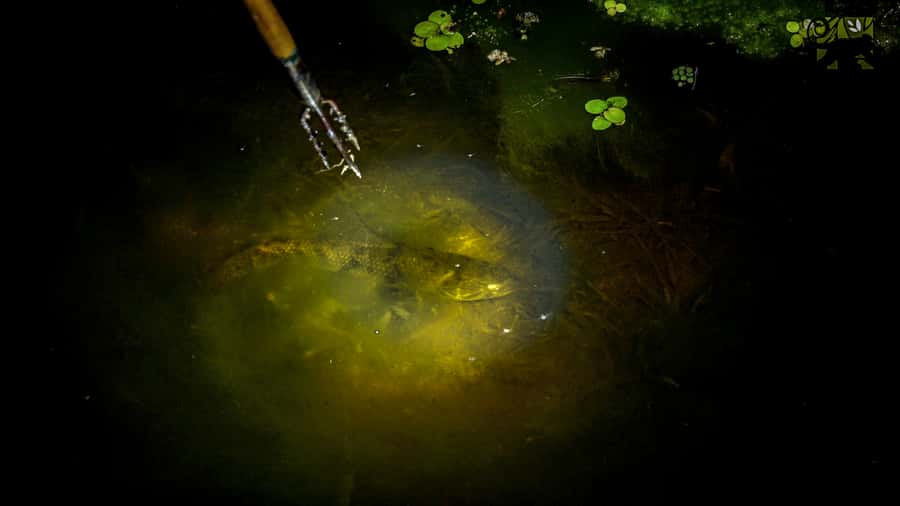
- Sleep in the forest: Your first camp is set up after a jungle hike, with hammocks and mosquito nets instead of beds.
- See Amazon wildlife in several ways: Look for arapaima, caimans, monkeys, birds, spiders, and other forest life by boat, canoe, and on foot.
- Start early: The 5:30 a.m. sunrise canoe trip is one of the most atmospheric parts of the program.
- Learn practical forest skills: Guides explain medicinal plants and survival techniques, and you help with bushcraft tasks around the base camp.
- Expect a small-group trip: Up to 12 participants share the boats, trails, meals, and camp experience.
- Check the length carefully: The details describe three-day, four-day, and five-day schedules, while the headline gives a shorter duration range.
Leaving Manaus by boat for the Meeting of the Waters
Your day begins around 8 a.m. with pickup from your Manaus hotel and transport to Caesar Port. Airport pickup is also possible, but you need to provide your airline, flight number, arrival time, and hotel information when booking.
From the port, a speedboat takes you onto the Rio Negro. This is a useful start because the journey itself becomes part of the tour. You are not simply driven to a lodge and placed on a trail. You begin by moving through the river system that defines this part of Brazil.
The first stop is Catalão, a floating village known here for its giant arapaima, or Arapaima gigas. These fish are among the world’s largest scaled freshwater fish. You may feed them and, if you are comfortable, touch them. They are described as strong but harmless.
This stop is unusual, but it is also quite focused. The arapaima encounter gives you a close look at a remarkable river animal, though it is not the same as seeing wildlife in a fully wild setting. I would treat it as an introduction to Amazon fish life rather than the main reason to book the trip.
Next comes the Meeting of the Waters, where the dark Rio Negro meets the muddy Solimões River. The colors run side by side without mixing right away, creating one of the most recognizable sights around Manaus. Your boat gives you a clear view of the contrast, and it is a good time for photos.
After the river stops, you continue to the lodge for lunch. Local food is served around noon, and all meals are included during the expedition. Water is included with meals, but soft drinks and alcoholic drinks are not, so plan to bring cash for extras if they are available.
More amazon jungle tours in Brazil:
- Rio de Janeiro: Guided Jeep Tour through Tijuca Rainforest
★ 4.3 · 740 reviews - Paraty: Jungle Waterfalls and Cachaça Distillery Jeep Tour
★ 4.7 · 491 reviews - From Manaus: One-Day Amazon Jungle Experience
★ 4.8 · 408 reviews
Your first night begins with a jungle camp
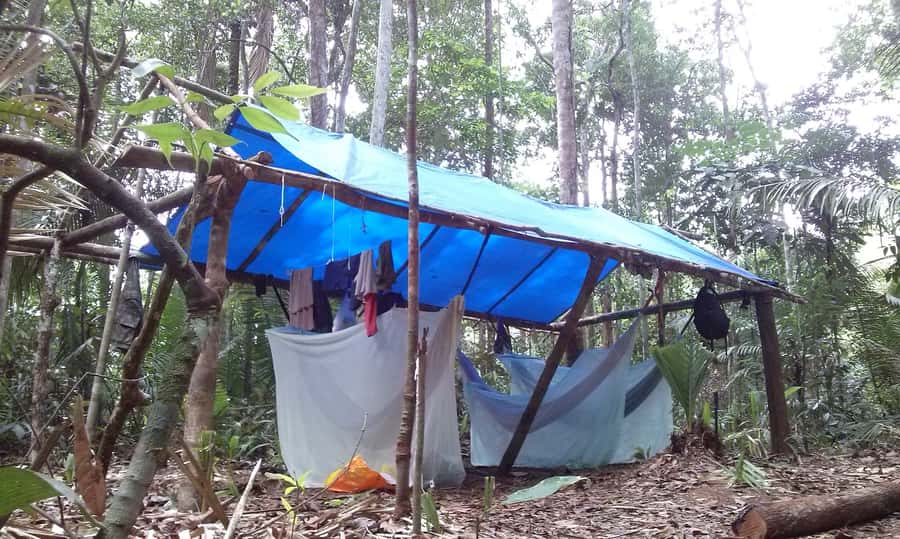
After lunch, you walk into the forest to set up your first camp. This is where the trip earns its survival title. You are not just watching a guide demonstrate the forest from a boat. You take part in a camp routine and spend the night in a hammock beneath a mosquito net.
The sleeping arrangement is worth thinking about before you commit. A hammock can be a memorable way to sleep in the Amazon, and one previous participant described it as a unique experience. Still, it is not a hotel bed. You will need to be comfortable with a basic camp, warm and humid conditions, and the sounds of the forest around you.
The guides also include bushcraft tasks at the base camp. Those activities give the experience a practical edge, though the supplied details do not specify every task. Expect instruction tied to forest survival rather than a polished resort activity.
After dinner, you take a boat trip into the darkness to look for caimans. A flashlight helps the guide search the water and riverbanks. Night wildlife outings are often less predictable than daytime stops, which is part of the appeal. You may see caimans, but sightings are not guaranteed, and darkness, rain, and water conditions can change the experience.
A 5:30 a.m. canoe ride through the waking forest
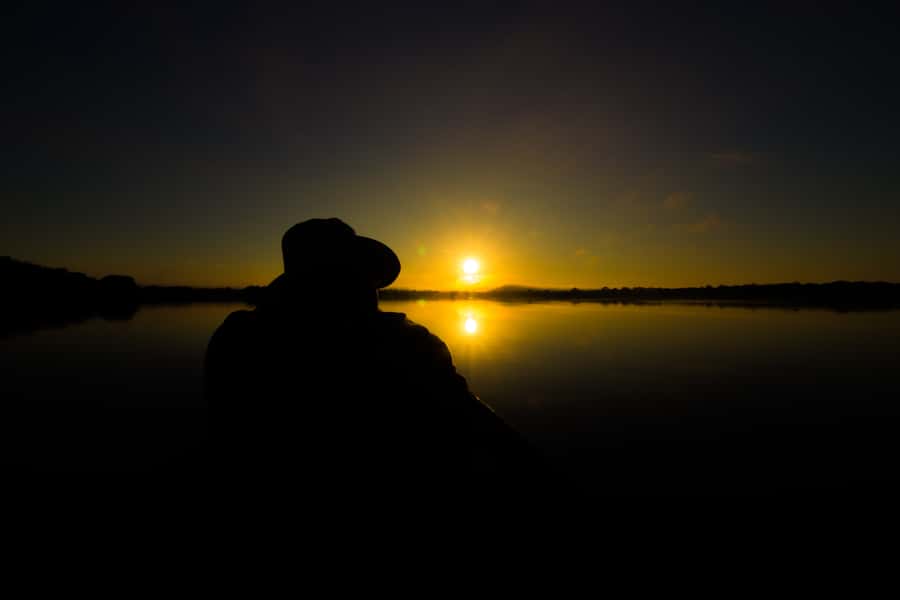
Day two starts early, with a canoe trip at 5:30 a.m. This timing matters. At first light, the river and flooded forest offer a quieter view than the busier daytime outings. You can watch the forest wake while the canoe moves through the water, with your guide pointing out what can be seen and heard.
Breakfast follows at 7 a.m. The early start makes a hearty meal welcome, so do not expect a slow morning. Bring a light layer for the canoe, but also prepare for heat later in the day.
From 8 a.m. to 11:30 a.m., you hike through the jungle. The guide explains medicinal plants, spiders, and trees, and you might spot monkeys. This part is especially useful if you want context instead of a quick list of animal names. A plant becomes more memorable when you understand how people use it, and a forest trail feels different when you learn how to read its trees and smaller creatures.
The terrain and walking conditions are not described in detail, so good hiking shoes are important. Long pants, a long-sleeved shirt, insect repellent, sunscreen, and rain gear belong in your day bag. The forest can feel hot and wet, and muddy or slippery conditions are possible in any rainforest outing.
Lunch is served beneath the Amazon canopy. That meal is not just a pause between activities. It lets you experience the forest as a place where people work, eat, move, and rest, rather than as scenery viewed from a vehicle.
Canoes, flooded forest, and the piranha outing
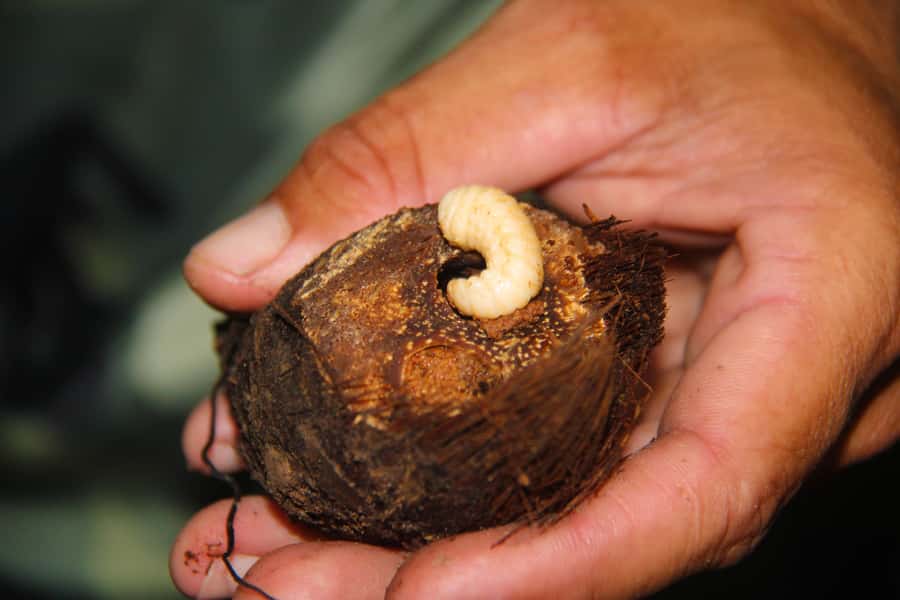
At about 3 p.m., you take a canoe through flooded forest and narrow channels. This is a different view from the open river. Smaller waterways bring you closer to the plants and trees along the edges, and your guide explains the local flora and fauna as you move.
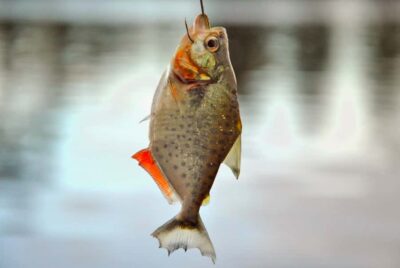
You also try fishing for piranhas. The fish are described as feisty, so this is an active stop rather than a passive wildlife viewing session. The program presents it as fishing like a local, but you should keep expectations sensible. Catching a piranha depends on conditions and luck, and the details do not promise a guaranteed catch.
The fishing may contribute to dinner, particularly on the longer version of the trip. That connection between the afternoon activity and the evening meal gives the tour a practical feel. It also makes clear that this is not designed as a luxury food tour. Meals are included, but choices may be simple and tied to the camp setting.
At nightfall, you go out again by boat with a flashlight. The second night safari gives you another chance to look for wildlife after dark. You might find the repeated night trips exciting if you enjoy searching patiently, but less appealing if you prefer a packed schedule with constant sightings.
Same city, a completely different kind of day:
- Rio de Janeiro: 6-Stop Highlights of Rio with Lunch
★ 4.4 · 5,157 reviews - Christ the Redeemer Entry Ticket by Corcovado Train
★ 4.4 · 4,476 reviews - Rio de Janeiro: Rocinha Favela Walking Tour with Local Guide
★ 4.8 · 3,052 reviews - Rio de Janeiro: Sugarloaf Cable Car Official Ticket
★ 4.6 · 2,873 reviews
Choosing between the three-day, four-day, and five-day schedules
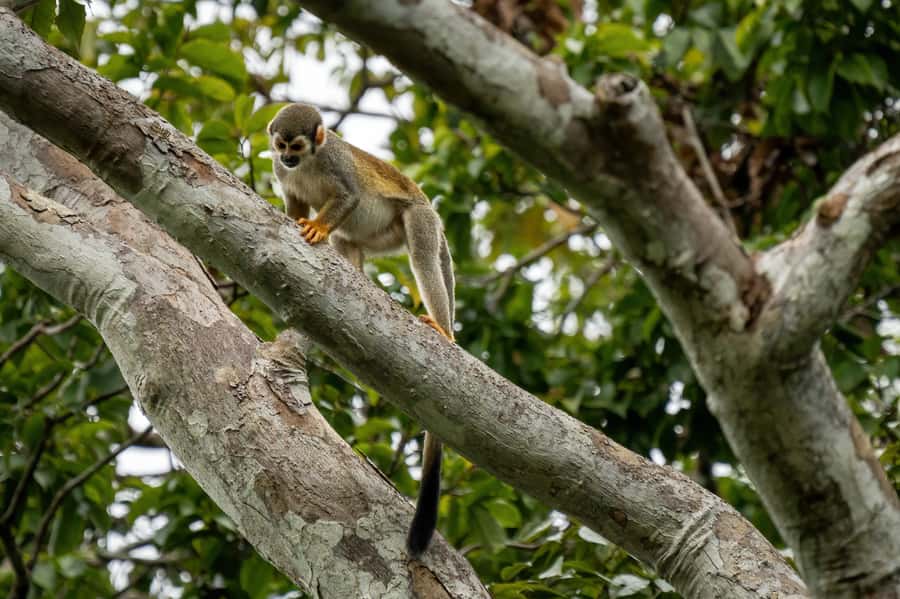
The timing needs attention. The activity information says three to four days, yet the detailed program explains three-day, four-day, and five-day options. Confirm the exact version, departure date, and return time before paying.
On the three-day schedule, breakfast is followed by another nature hike in a different section of the rainforest. After lunch, you leave for Manaus at about 1:30 p.m. and arrive around 4:30 p.m.
The four-day version adds an afternoon boat trip through small Amazon channels after lunch. You look for colorful birds and finish with fishing for dinner before returning to camp. The next morning includes breakfast and another hike focused on jungle survival techniques. After lunch, you depart for Manaus at 1:30 p.m., arriving around 4:30 p.m.
The five-day description adds still more time in the flooded forest. After lunch, you take a boat to look for monkeys and other animals, followed by a night safari and a chance to spearfish. On the final day, you leave camp for the lodge, explore the area, and may swim in the river like local people do. Lunch comes before the 1:30 p.m. return to Manaus.
These longer schedules make sense if you want a slower pace and more time for wildlife searches. They also mean more nights in a hammock, more exposure to rain and insects, and more time without the comforts of town. I would choose three days if you want a strong first taste of forest camping, and four or five if the camp routine itself is the main attraction.
How the guide and group size shape the experience
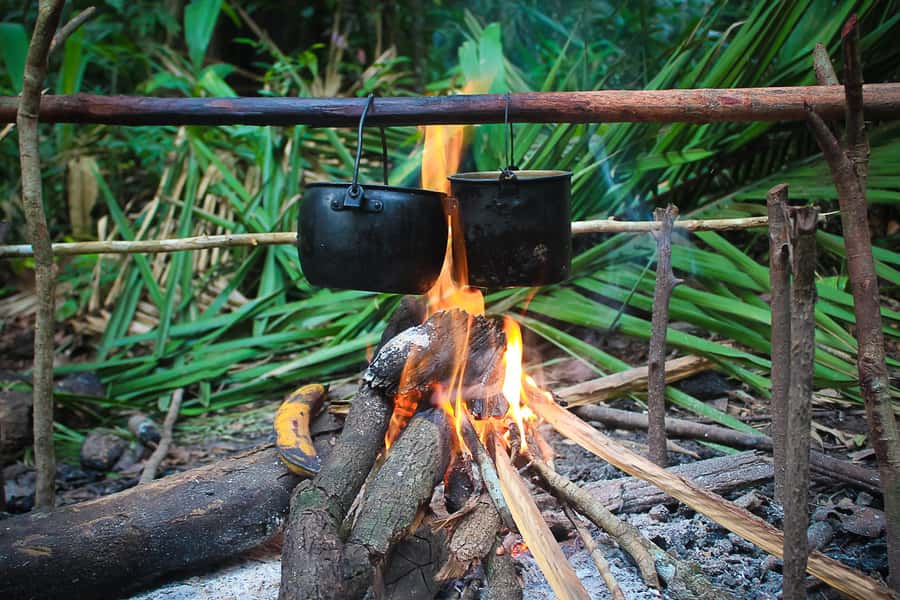
The group is limited to 12 people, which is a useful size for narrow channels, jungle walks, and shared camps. A small group also gives you a better chance to hear explanations and ask questions than you might get on a large boat.
The tour has English and Portuguese-speaking guides. One guide named Markus is specifically noted for explaining activities in detail, answering questions patiently, and knowing the area well. That matters here because the experience depends heavily on interpretation. You need a guide who can explain what you are seeing, not just point toward a monkey or plant.
Transportation is included from your Manaus hotel, and the arrangements cover the boat transfers and scheduled activities. This is a strong practical benefit in a region where reaching river lodges on your own can be complicated. The schedule is subject to change, though, so keep plans flexible.
If you arrive at Manaus Airport by 2 p.m., you can only take part in evening activities on the first day. If you have an afternoon flight out of Manaus, you need a morning transfer. Do not book a tight same-day connection without allowing for the return boat and road transfer.
What the $660 price really covers
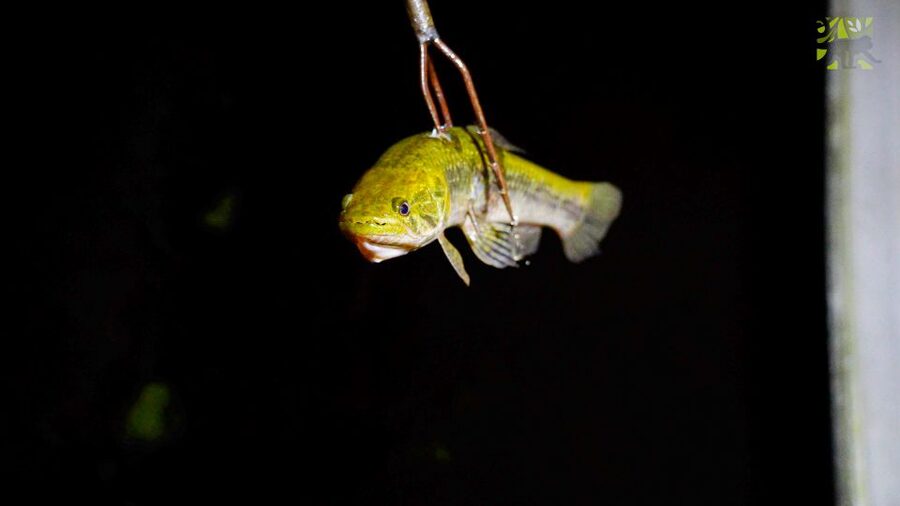
At $660 per person, the cost is substantial, but it includes the parts that can add up quickly in the Amazon: hotel pickup and drop-off, boat transport within the program, meals, water during meals, guides, camp equipment, and scheduled tours.
You also get several kinds of activity in one trip. The price covers jungle hiking, canoe trips, night outings, fishing, the Meeting of the Waters, Catalão, and time at the lodge and forest camp. If you arranged those pieces separately, you would need to coordinate transport, food, guides, and overnight equipment yourself.
The value is strongest for someone who wants a guided Amazon expedition with basic camping rather than a short river excursion from Manaus. It is less compelling if your priority is a private room, a fixed menu, or a highly polished lodge.
The price does not include your Manaus hotel, soft drinks, alcohol, travel insurance, extra transport, taxis in town, or meals outside the tour. A small cash reserve is sensible. Excess luggage must remain at the partner office or your Manaus hotel because the limit is 25 pounds, or 12 kilograms, per person.
Packing for heat, rain, insects, and hammocks
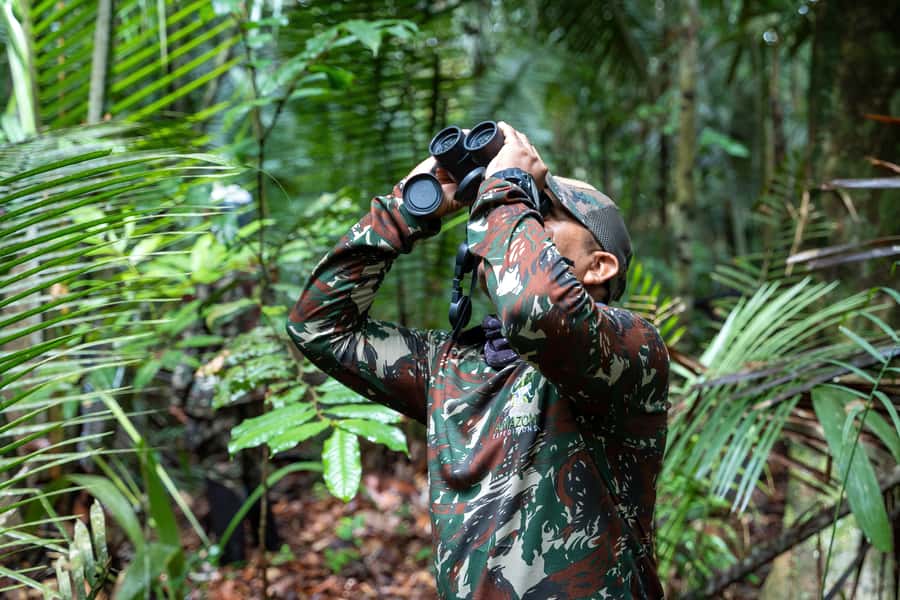
Pack light, since the luggage limit is firm. A waterproof bag will help protect your phone, camera, documents, and spare clothing during boat transfers and wet weather.
Your basic kit should include:
- Hiking shoes and sandals
- Quick-dry clothing and a change of clothes
- Long pants and a long-sleeved shirt
- Swimwear and a towel
- Rain gear or a rain jacket
- Insect repellent and sunscreen
- Sun hat, sunglasses, and a small water bottle
- Camera or charged smartphone
- Binoculars if you enjoy bird watching
- Cash, hand sanitizer, and tissues
You need both hiking shoes and sandals because the trip combines trails, boats, camp, and possible swimming. A waterproof bag is more useful than a large suitcase.
The program asks you not to give money to children in the local community. Small gifts such as toys or comic books are encouraged instead. That is a practical way to keep the visit respectful and avoid turning a community stop into a cash exchange.
Who will enjoy this Amazon survival trip most
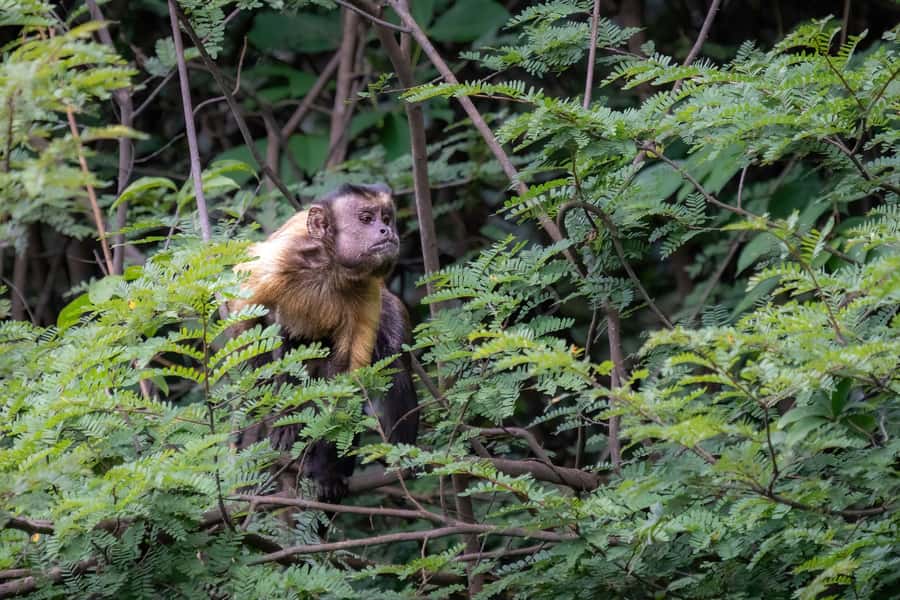
I would recommend this to you if you want active days, simple camping, and direct contact with the forest. It suits people who enjoy early mornings, wildlife searches, basic food, and learning by doing.
It is also a good fit if you want a first Amazon experience without arranging every transfer yourself. The small group and included pickup reduce the planning work, while the range of activities gives you a broad introduction to the region around Manaus.
I would hesitate if you need private accommodation, dislike insects, or want guaranteed animal sightings. The program includes a lot, but the forest controls the pace. A monkey may appear, a caiman may stay hidden, and rain may alter the plan.
The tour is also not ideal for a party group. Alcohol and drugs are not allowed, and drinks cannot be brought into the vehicle. This is a nature and camping trip, not a nightlife outing.
Should you book it?
Book this experience if the thought of waking before sunrise, paddling through quiet channels, learning plant uses, fishing for piranhas, and sleeping in a hammock sounds better than another night in Manaus.
The strongest reasons to go are the variety, the small group, the included logistics, and the guides. The main decisions are practical: confirm whether you are booking three, four, or five days, prepare for basic camping, and leave extra time around your Manaus flights.
For an authentic, active forest experience at a fixed price, this is a strong choice. For comfort-first visitors, a lodge-based Amazon stay will likely be a better match.
FAQ
How long is the Amazon survival trip?
The activity information gives a duration of three to four days, while the detailed schedule describes three-day, four-day, and five-day options. Confirm the exact length available for your chosen date.
What languages do the guides speak?
The guides speak English or Portuguese.
Is hotel pickup included?
Yes. Pickup and drop-off from hotels in Manaus are included. Airport pickup is also available if you provide your airline, flight number, and arrival time.
What happens if I arrive at Manaus Airport by 2 p.m.?
Guests arriving by 2 p.m. can only take part in the evening activities on the first day.
Where do I sleep?
You sleep in hammocks protected by mosquito nets during the camping portion of the trip.
Are meals included?
Yes. All meals during the tour are included, along with water during meals. Soft drinks, alcoholic drinks, and meals in town are not included.
How much luggage can I bring?
The maximum is 25 pounds, or 12 kilograms, per person. Excess luggage must remain at the partner office or your hotel in Manaus.
Is travel insurance included?
No. Travel insurance is not included, so you need to arrange it separately.
Can I cancel the booking?
You can cancel up to 24 hours in advance for a full refund. The reserve now and pay later option allows you to hold a place without paying immediately.
Just added around Brazil
- Vidigal Favela Tour★ 4.4 · 26 reviews
- Hang gliding flight in Rio de Janeiro★ 5.0 · 6 reviews
- Paraty Historical City Walking Tour★ 4.1 · 8 reviews
- Rio de Janeiro: Zip Lining and Canopy Tree Tour★ 3.3 · 6 reviews
- Walking Tour of São Luís do Maranhão★ 4.4 · 14 reviews
- Rio de Janeiro: Attend a Vasco da Gama game with local guide★ 4.8 · 9 reviews
- Unforgettable Boat Party★ 5.0 · 3 reviews
- Trindade Day Trip: Nature and Sea Adventure from Paraty★ 4.6 · 5 reviews
Amazon Jungle Tours, compared.
Jungle Waterfalls and Cachaça Distillery Jeep Tour
Read our review →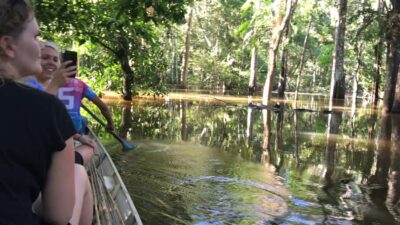
Manaus to Santarém: 36-Hour Ferry on the Amazon
Read our review →
Multi-Day Amazon Trip at Tapiri Floating Lodge
Read our review →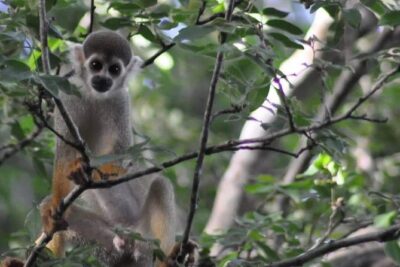
8day expedition of scenic beauty and Amazon traditional culture on Tapajós River
Read our review →Browse the lists this tour appears in