
Reviewed · 1-DAY TOURS
Belém: Marajó Island Day Trip with Buffalo Farm Visit
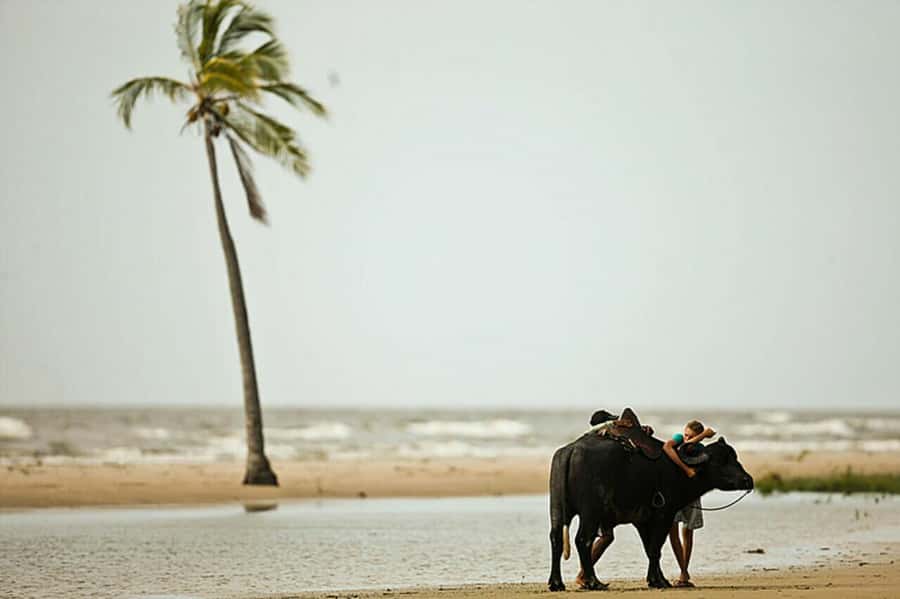
Marajó Island is reached by a long boat ride across the Pará River, but the reward is a day in a very different part of Brazil, where water buffalo are part of daily life and beaches face the meeting point of river and Atlantic water. The journey is as much a part of the experience as the island stops.
I like the chance to see Marajó in one day without arranging your own boat, taxi, and island transport. I also like the two route choices: Souré offers buffalo farming, crafts, and Pesqueiro Beach, while Salvaterra brings you to an açaí stop and Grande Beach.
The main caution is value. At $160 per person, this is a costly day, and the exact visits can change. Some departures have included only a quick buffalo stop instead of a full farm visit, so you should confirm the route before paying.
In This Review
- Key points to know before booking
- Crossing the Pará River to Marajó
- Choosing Souré, the craft and beach route
- Choosing Salvaterra, the açaí and Grande Beach route
- What the buffalo stop really adds
- A long day with real transport tradeoffs
- Beaches, food, and time to slow down
- Practical details that can make the day easier
- Who will get the most from this Marajó day trip
- Should you book it?
- FAQ
- How long does the Marajó Island day trip last?
- What transport is included?
- Which beaches can I visit?
- What is included in the price?
- Is a buffalo farm visit included?
- Is lunch included?
- What languages does the guide speak?
- Can I cancel the reservation?
Key points to know before booking
- The Pará River crossing takes time: Expect a full 10-hour outing, with a long boat journey at the center of the day.
- Souré and Salvaterra are different routes: Souré includes Araruna Farm, crafts, and Pesqueiro Beach, while Salvaterra includes UTRAN, Toca do Açaí, and Grande Beach.
- Buffalo are the island’s signature sight: You may learn about breeding, leathercraft, and the animals’ role in local life. Buffalo-mounted police patrols are even possible to see.
- Lunch and drinks are extra: Bring money for your meal, and be aware that one guest was also asked to help cover the guide’s lunch.
- The itinerary needs checking: Weather can alter the plan, and some departures have missed advertised farm or açaí visits.
- This is not an easy-access outing: The experience is not suitable for people with mobility impairments.
Crossing the Pará River to Marajó
Your day begins with hotel pickup in Belém. You should wait in the hotel lobby 10 minutes before the scheduled time, looking for a driver holding a sign with your last name. The stated waiting limit is another 10 minutes, so do not wander off to find breakfast or coffee once pickup time approaches.
The boat ride is not a short transfer. It is a major part of the outing and can take roughly two hours in one direction, with some schedules taking longer on the return. You travel by regional boat across the Pará River, one of the great waterways of northern Brazil.
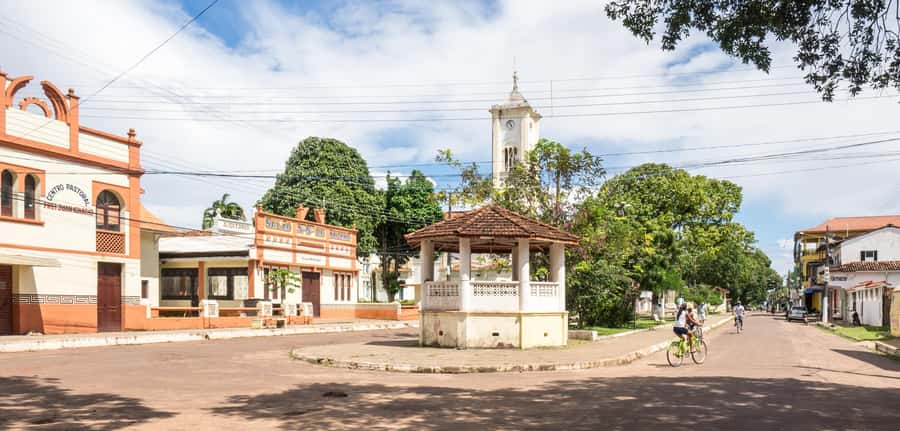
That crossing gives the trip its sense of scale. Belém is not simply connected to Marajó by a quick tourist shuttle. You are leaving the mainland city and heading into a place shaped by rivers, tides, cattle, fishing, mud, and long distances.
I would bring water, sun protection, and something to occupy you during the crossing. The boat is practical rather than luxurious, and the day can feel tiring if you expect a quick island excursion. The payoff comes once you arrive and begin seeing the island’s towns and beaches.
The tour is offered with Portuguese and English-speaking guides. One English-speaking guide was also able to use some German, which could help if you speak German and English is not your first choice. A guide named Thiago received especially strong praise for his work in Souré, including on a departure that continued with only one person in the group.
A few more Brazil trips to weigh up
- São Paulo: Holambra Colorful Flower Farm Guided Day Trip
★ 5.0 · 5 reviews
Choosing Souré, the craft and beach route
The Souré option begins at Camará Port. From there, the stated route heads to Araruna Farm, where you learn about buffalo raising and why these animals matter to the local population.
This is the part of the experience that gives Marajó its identity. Water buffalo are not presented merely as animals for a quick photograph. They are linked to farming, food, leather goods, transport, and local customs. The idea of seeing police officers patrolling on buffalo is one of the trip’s most unusual details, although it should be treated as a possibility rather than a guaranteed event.
The farm visit has not been equally complete on every departure. At times, the stop has amounted to a brief look, a photo on a buffalo, or a visit to a small shop and back courtyard where buffalo leather is explained. If the farm is important to you, ask the operator before departure exactly what Araruna Farm visit is planned and how long you will spend there.
That question matters because the description suggests a proper rural visit, while the actual stop can be more limited. You may not receive a long conversation with a farmer, a full demonstration, or a tasting of Marajó buffalo cheese. The cheese is a local specialty, but it is not included as part of the stated tour.
After a snack break, the Souré itinerary continues to a ceramics and buffalo leathercraft center. This adds useful context. Marajó is known for its own artistic traditions, and a craft stop lets you see how local materials and design are turned into objects you can take home.
I would approach this as a cultural stop, not simply a shopping break. You can look at the work, learn how buffalo leather is treated and colored, and decide for yourself if anything is worth buying. Still, the time spent there may vary, especially if weather or transport delays shorten the day.
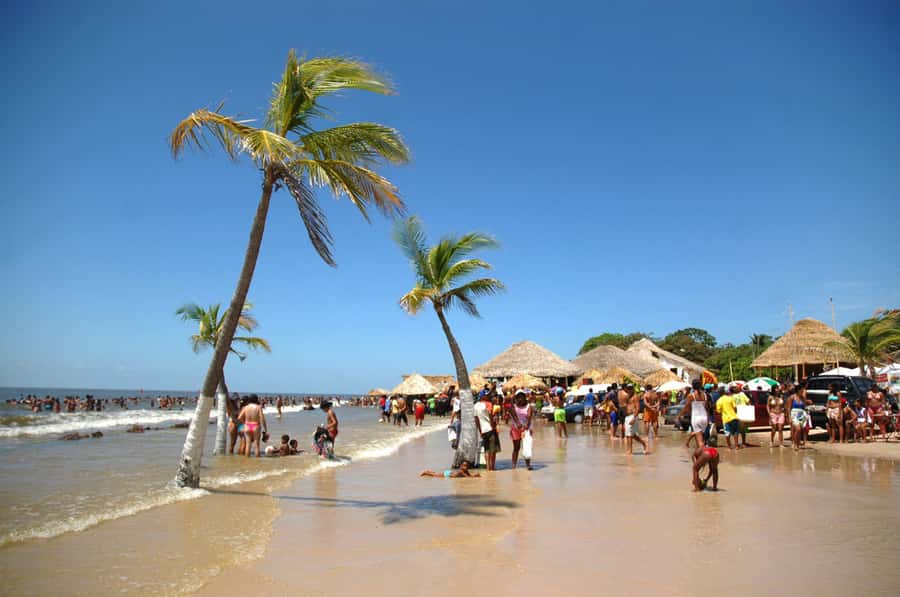
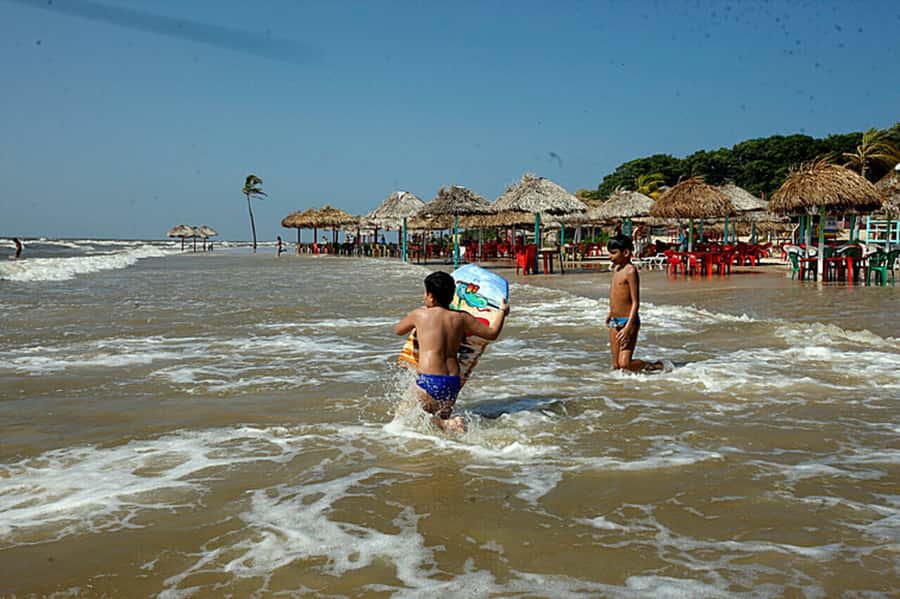
The route ends at Pesqueiro Beach. This is a good place to slow down after the early start and long transfer. You can sit near the sand, watch the waves, and have lunch at your own expense.
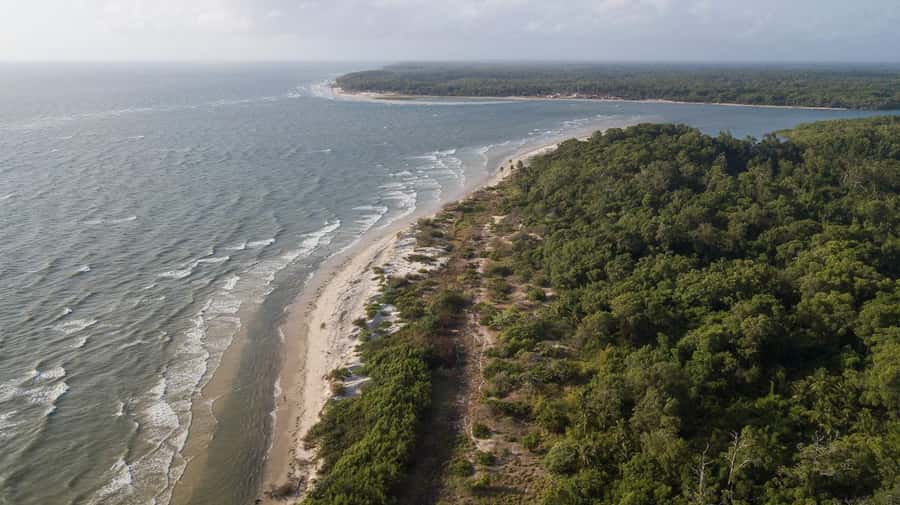
Pesqueiro is especially interesting because the water here reflects Marajó’s position between river and ocean. The beach is not just a standard coastal stop. It is part of a larger water system, where the Pará River meets the Atlantic. You should expect a natural setting rather than a tightly scheduled sightseeing attraction.
Food is not included. You need to pay for lunch and drinks yourself, and prices or choices are not specified in advance. One practical point deserves attention: a guest reported being asked to contribute toward the guide’s lunch. That is not listed as an included cost, so I would ask about this before the trip to avoid an awkward surprise.
Choosing Salvaterra, the açaí and Grande Beach route
The Salvaterra option has a different feel. You arrive at Salvaterra and continue to the Rural Tourism Unit Açaí Nativo, known as UTRAN, for an explanation of buffalo raising and breeding.
This route may suit you if you want the agricultural side of Marajó but prefer a more organized rural tourism setting. The emphasis is on how buffalo are raised rather than on simply seeing one animal. As with the Souré route, though, the advertised farm experience should be confirmed because at least one departure did not visit UTRAN.
Next comes Toca do Açaí. This stop focuses on açaí, the purple Amazon fruit that has become famous far beyond Brazil. The value here is cultural as much as culinary. Açaí is not just a fashionable smoothie ingredient. It is part of Amazonian food culture, and learning about the fruit in the region where it grows gives the subject more meaning.
Again, do not assume that every scheduled stop will happen exactly as described. One departure missed both the rural tourism unit and the açaí shop. Weather, local coordination, or changes among the island guides may affect the route.
The Salvaterra day finishes at Grande Beach. You can swim, rest on the sand, and have time at the water before returning to Belém. This makes the route a better match for you if a beach break is the main goal and you would rather spend less time on crafts.
Grande Beach is also a sensible place to pace yourself. The day starts early and includes long transport, so you may appreciate an unhurried final stop more than another tightly timed attraction. Bring a swimsuit, towel, and sun protection, since the information provided does not say that beach equipment is supplied.
What the buffalo stop really adds
The buffalo visit is the tour’s most distinctive idea. Many day trips from Belém focus on city sights or standard river scenery. Marajó gives you something harder to find elsewhere: a look at an island society where buffalo are closely tied to work and local identity.
You may learn about breeding, farming, and buffalo leather. Depending on the route and the day’s arrangements, you might see buffalo being ridden, visit a rural tourism unit, or stop at a craft center. These details help explain why the animals matter instead of treating them as a novelty.
But you should set your expectations carefully. A buffalo farm visit can mean a proper educational stop, or it can mean a brief photo opportunity and a small sales area. The difference is important at this price.
I would contact Amazon Amazing Tours before booking and ask three direct questions:
- Is the visit a working farm, a shop, or both?
- How much time is reserved for the buffalo stop?
- Is buffalo cheese tasting included?
The answers will tell you if the experience matches what you want. If your main wish is to photograph a buffalo and learn a little about island life, the shorter stop may still be worthwhile. If you want a detailed farm visit with a local producer, you need confirmation.
Same city, a completely different kind of day:
- Rio de Janeiro: 6-Stop Highlights of Rio with Lunch
★ 4.4 · 5,157 reviews - Christ the Redeemer Entry Ticket by Corcovado Train
★ 4.4 · 4,476 reviews - Rio de Janeiro: Rocinha Favela Walking Tour with Local Guide
★ 4.8 · 3,052 reviews - Rio de Janeiro: Sugarloaf Cable Car Official Ticket
★ 4.6 · 2,873 reviews
A long day with real transport tradeoffs
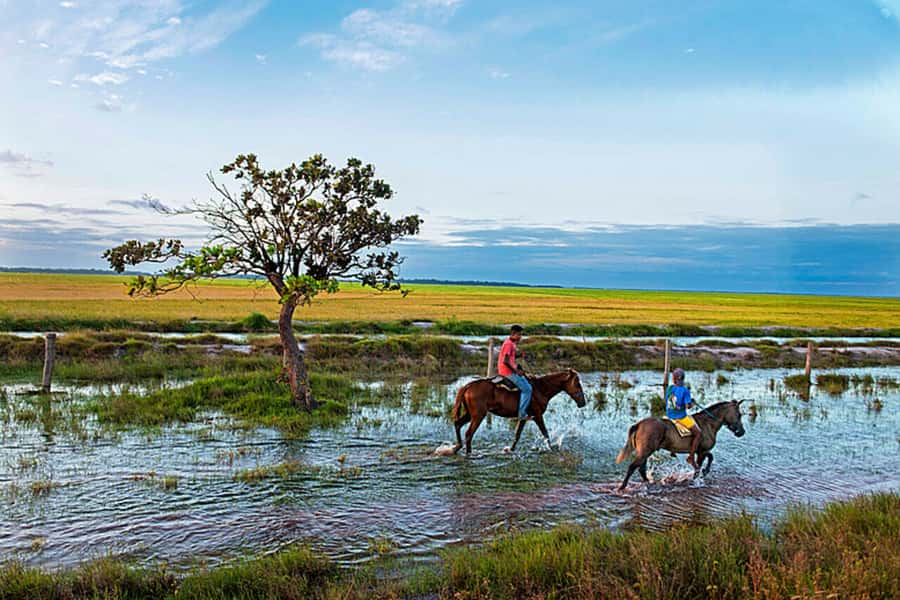
The 10-hour duration includes more than sightseeing. You have hotel pickup, the boat ride, island transfers, stops, beach time, and the return to Belém. Some people have found the return journey particularly long, with one account describing about three hours back.
That makes this a demanding day trip. You are trading comfort and time for convenience. Booking the tour removes the need to arrange a regional boat, find a taxi at the port, and negotiate island transport on your own. For a first visit to northern Brazil, that support has real value.
The downside is that $160 per person is a high price when lunch is extra and the route may not include every advertised stop. One person also found the organized price more than twice what a local tourism company would charge. That does not automatically mean the tour is poor value, since hotel pickup, a guide, and transport are bundled, but it does mean you should compare options if you have enough time to arrange the day yourself.
A self-organized visit may cost less, but it puts the burden on you. You would need to manage the boat schedule, find transport after arriving, and make sure you return in time. The tour is easiest to justify if you value having someone coordinate the day and explain what you are seeing in English or Portuguese.
The group size can also affect the feel of the day. One departure operated with only one participant, which suggests that a small group is possible. That can mean more direct attention, but it does not guarantee that every stop will be longer or more detailed.
Beaches, food, and time to slow down
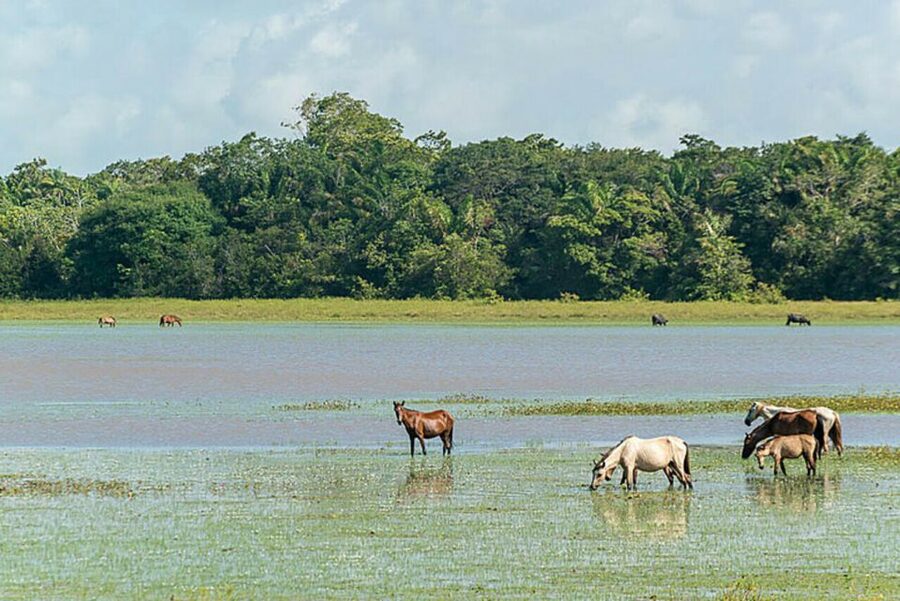
Both route choices include a beach, but you should not think of this as a pure beach holiday. The beaches are the relaxing part of a day built around transport and local culture.
At Pesqueiro Beach, you can watch the river and Atlantic waters meet, then stop for lunch. At Grande Beach, you can swim, sit on the sand, and cool off before the return journey. The exact beach depends on the option you select.
Lunch is not included on either route. Plan for that cost and carry some flexibility, since no meal price or restaurant menu is specified. The tour description highlights local and exotic food, but it does not promise a particular dish, a buffalo cheese tasting, or açaí tasting.
That distinction is useful. You are booking access to the setting and the route, not a food tour. If trying Marajó cuisine is a major reason for going, ask what meal choices are available at the beach stop.
The beaches can also be affected by weather. The itinerary may change when conditions are poor, and the operator does not promise a fixed order of stops. A cloudy or rainy day may reduce the appeal of swimming, but the island’s cultural stops can still give the outing purpose.
Practical details that can make the day easier
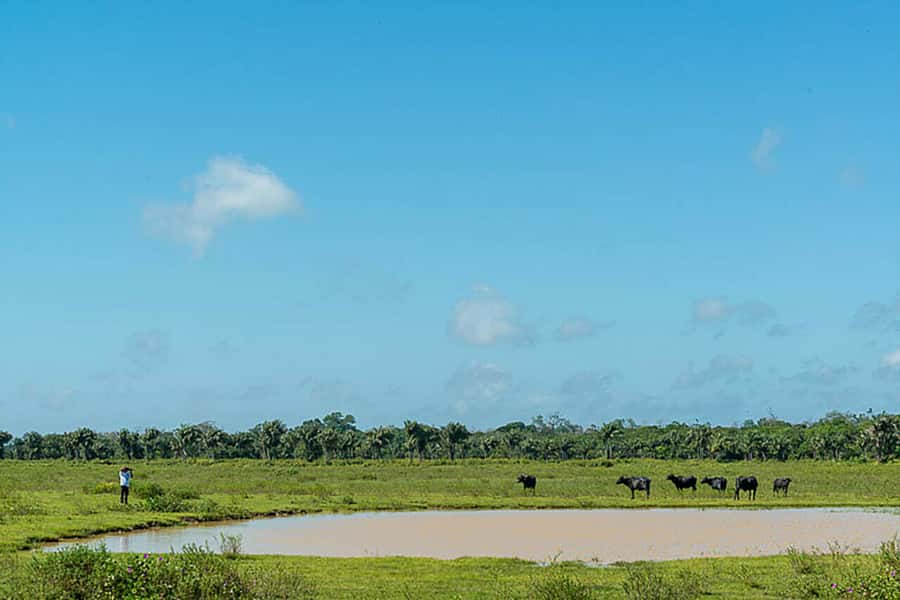
Bring a passport or ID card, as required for the activity. I would also pack a swimsuit, towel, sunscreen, insect repellent, a hat, water, and cash for food and drinks. The supplied information confirms the ID requirement and extra food costs, while the other items are sensible preparation for a long outdoor day with beach time.
Wear footwear you can manage comfortably during boat transfers and island visits. The outing is not suitable for people with mobility impairments, so you should consider the boat boarding, port movement, vehicle transfers, and beach access before reserving.
Keep your plans flexible. Free cancellation is available up to 24 hours before the start for a full refund, and you can reserve now and pay later. Those terms are useful here because weather can alter the itinerary.
The tour includes hotel pickup and drop-off from Belém, regional boat transport, and a live guide. Pickup is from your hotel, not a general meeting point, which is a meaningful convenience for an early start.
The guide can speak Portuguese or English. If you need English, confirm that your departure has an English-speaking guide. The experience has received an overall rating of 4 out of 5 from 16 ratings, which fits the main pattern: strong enjoyment of the island, beaches, and individual guides, paired with concerns about missed stops and the price.
Who will get the most from this Marajó day trip
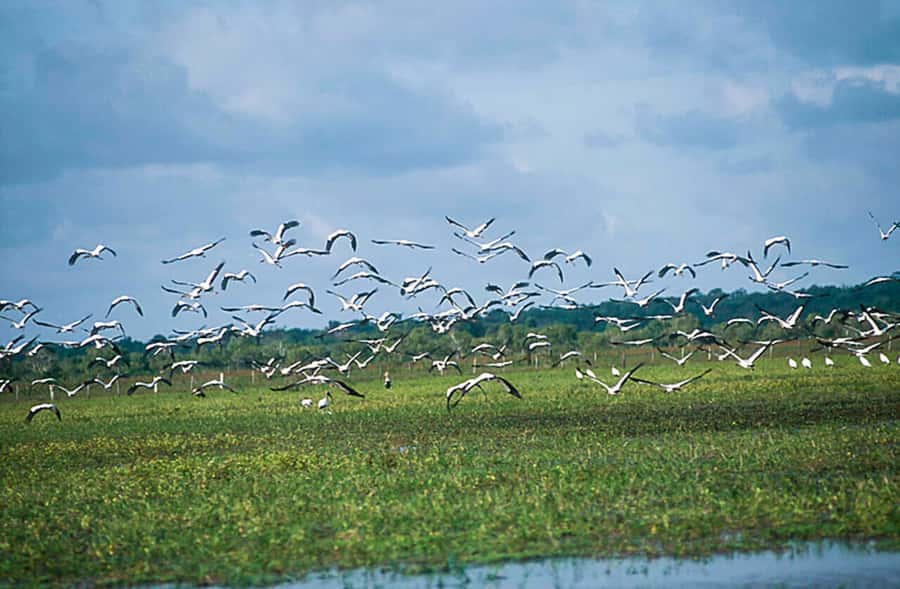
I would recommend this outing to you if you have only one day beyond Belém and want to see Marajó without arranging every connection yourself. It is also a good fit if you are curious about buffalo farming, açaí, local crafts, and the relationship between river and ocean.
You will probably enjoy it most if you accept that the boat ride is part of the adventure. The day is not efficient in the conventional sense. It asks for patience, but it gives you a much broader look at the region than a short city tour.
I would be more cautious if your priority is a serious working-farm visit, a relaxed beach day, or a low-cost island trip. The schedule is long, food costs extra, and the farm or açaí stops may be shortened or replaced.
If you can stay overnight on Marajó, that may be the better way to experience the island at a slower pace. A day trip is convenient, but the long return to Belém leaves little room for delays or spontaneous exploration.
Should you book it?
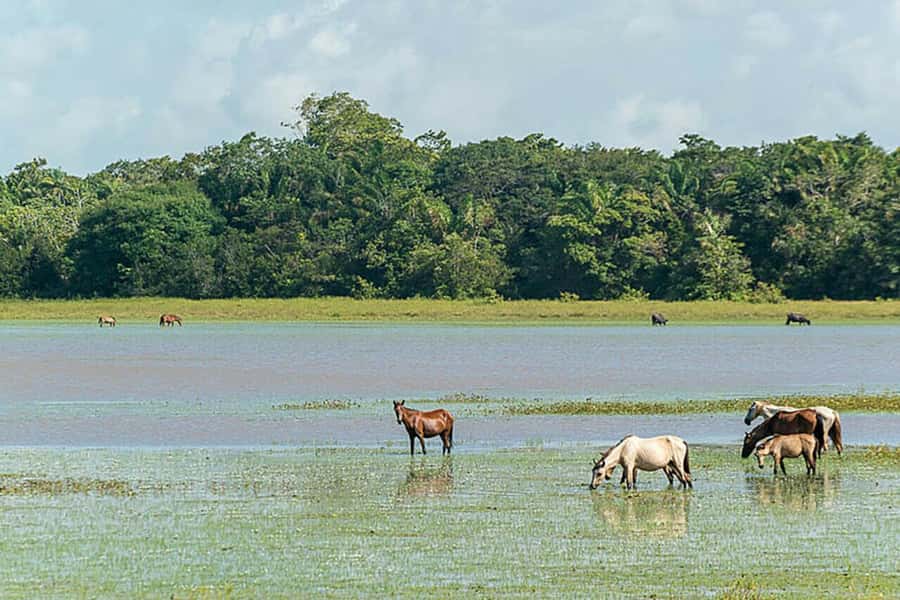
Book this tour if you want a managed introduction to Marajó Island and you value hotel pickup, boat transport, and a guide who can explain the region in English or Portuguese. Choose Souré for crafts and Pesqueiro Beach, or Salvaterra for the açaí-focused stop and Grande Beach.
Before paying $160, confirm the exact route, the buffalo farm arrangements, the meal plan, and the guide language. If the operator can verify a proper farm visit and you are happy with the long boat crossings, the day can be a memorable way to reach Marajó.
If the price feels high or the farm visit is the main reason you are going, compare the cost of arranging local transport or staying overnight. This is a useful convenience tour, but it is not a guaranteed, tightly fixed program.
FAQ
How long does the Marajó Island day trip last?
The tour lasts 10 hours, including hotel pickup and drop-off, regional boat transport, island visits, and the return to Belém.
What transport is included?
The experience includes hotel pickup and drop-off from Belém and river transport by regional boat.
Which beaches can I visit?
The Souré option includes Pesqueiro Beach. The Salvaterra option includes Grande Beach.
What is included in the price?
The price includes hotel pickup and drop-off, regional boat transport, and a tour guide. Food and drinks are not included.
Is a buffalo farm visit included?
The planned routes include a buffalo-focused stop. In Souré, this is described as Araruna Farm. In Salvaterra, it is the Rural Tourism Unit Açaí Nativo, or UTRAN. The itinerary may change, so confirm the exact visit before booking.
Is lunch included?
No. You must pay for lunch and drinks yourself.
What languages does the guide speak?
The tour is offered with a live guide in Portuguese or English.
Can I cancel the reservation?
You can cancel up to 24 hours in advance for a full refund. The reserve-now, pay-later option is also available.
Just added around Brazil
- Hang gliding flight in Rio de Janeiro★ 5.0 · 6 reviews
- Vidigal Favela Tour★ 4.4 · 26 reviews
- Paraty Historical City Walking Tour★ 4.1 · 8 reviews
- Rio de Janeiro: Zip Lining and Canopy Tree Tour★ 3.3 · 6 reviews
- Walking Tour of São Luís do Maranhão★ 4.4 · 14 reviews
- Rio de Janeiro: Attend a Vasco da Gama game with local guide★ 4.8 · 9 reviews
- Unforgettable Boat Party★ 5.0 · 3 reviews
- Trindade Day Trip: Nature and Sea Adventure from Paraty★ 4.6 · 5 reviews
1-Day Tours, compared.
Arraial do Cabo Day Trip from Rio de Janeiro: Boat Tour & Beach
Read our review →
Iguassu Waterfalls: 1 Day Tour Brazil and Argentina’s sides
Read our review →

Day Trip to the Argentinian Side of Iguassu Falls from Foz do Iguaçu
Read our review →
Browse the lists this tour appears in